Chalifah Fatihah
High cholesterol remains a persistent and growing public health concern in modern society, impacting millions globally. While pharmaceutical interventions and lifestyle modifications are the cornerstones of managing this condition, a segment of the population is increasingly exploring natural remedies, specifically herbal options, to complement their efforts in maintaining stable blood lipid levels. This article delves into the scientific evidence and traditional uses of several herbs that are believed to possess cholesterol-lowering properties, offering a comprehensive overview for individuals seeking to understand these natural adjuncts to conventional care.
The persistent challenge of elevated cholesterol, particularly low-density lipoprotein (LDL) or "bad" cholesterol, significantly elevates the risk of cardiovascular diseases, including heart attacks and strokes. Consequently, a multifaceted approach is often adopted to control these lipid levels, encompassing dietary adjustments, regular physical activity, and medical treatments. Amidst a rising trend towards natural and holistic health practices, numerous plants and herbs have garnered attention for their purported benefits in lowering cholesterol. However, it is crucial to note that while promising, much of the existing research requires further robust investigation to conclusively establish the efficacy and long-term safety of many of these herbal interventions.
Understanding Cholesterol and the Role of Diet
Cholesterol is a waxy, fat-like substance that is essential for building healthy cells. It is produced by the liver and also obtained from certain foods. There are two main types of cholesterol: LDL and high-density lipoprotein (HDL), often referred to as "good" cholesterol. HDL cholesterol helps transport LDL cholesterol away from the arteries to the liver, where it can be eliminated from the body. When LDL cholesterol levels are too high, it can accumulate in the walls of blood vessels, forming plaque. This plaque can narrow the arteries, restrict blood flow, and increase the risk of blood clots, leading to heart disease and stroke.
The interplay between diet and cholesterol levels is well-established. Foods high in saturated and trans fats, such as red meat, full-fat dairy products, and fried or processed foods, can increase LDL cholesterol. Conversely, a diet rich in fruits, vegetables, whole grains, and lean proteins can help lower LDL cholesterol and raise HDL cholesterol. Lifestyle factors such as regular exercise, maintaining a healthy weight, and avoiding smoking also play a critical role in cholesterol management.
Exploring Seven Promising Herbal Allies for Cholesterol Management
The following herbs have been the subject of scientific inquiry and traditional use for their potential to influence cholesterol levels. It is important to approach these with an informed perspective, understanding the current state of research and the necessity for professional medical guidance.
1. Fenugreek (Trigonella foenum-graecum)
Fenugreek, a spice commonly used in Indian and Middle Eastern cuisines, is recognized for its potential metabolic health benefits. Both its seeds and leaves are utilized. Studies suggest that fenugreek may play a role in managing blood lipid profiles.
A meta-analysis published in 2020 indicated that fenugreek supplementation could contribute to lowering cholesterol levels in individuals with diabetes. The study highlighted the potential of fenugreek’s fiber content and other bioactive compounds in influencing lipid metabolism. However, the researchers also emphasized the need for higher-quality studies to definitively confirm these benefits and their underlying mechanisms. The soluble fiber in fenugreek seeds, in particular, is thought to bind to cholesterol in the digestive tract, preventing its absorption into the bloodstream.
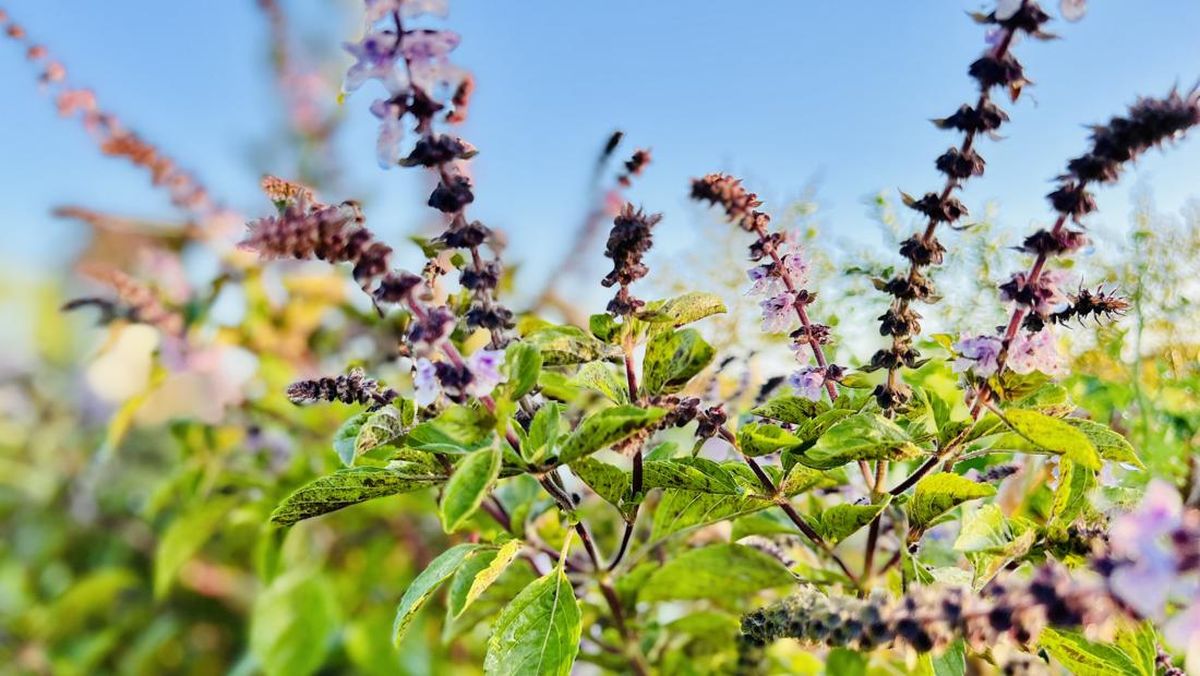
2. Holy Basil or Tulsi (Ocimum tenuiflorum)
Holy basil, also known as tulsi, is revered in Ayurvedic medicine for its adaptogenic and therapeutic properties. It possesses a slightly pungent and bitter taste and is consumed either directly or incorporated into culinary dishes.
Research from 2018 suggested that high-dose consumption of holy basil could lead to a reduction in total cholesterol and LDL cholesterol in adults with metabolic disturbances. The observed effects were noted with a daily intake of at least 1 gram. This study pointed towards tulsi’s potential to influence lipid metabolism. However, the findings were primarily indicative of short-term effects, leaving questions about the sustained impact of long-term use. The plant’s antioxidants and anti-inflammatory compounds are thought to contribute to its cholesterol-lowering potential.
3. Ginger (Zingiber officinale)
Ginger is a widely recognized spice celebrated for its diverse health benefits, including its ability to warm the body and potentially improve blood lipid profiles. Its active compounds, such as gingerols and shogaols, are believed to contribute to its therapeutic effects.
A systematic review and meta-analysis conducted in 2018 found that low-dose ginger consumption, less than 2 grams per day, might be associated with a reduction in triglycerides and LDL cholesterol. This review analyzed several studies, suggesting a dose-dependent effect of ginger on lipid parameters. Nevertheless, the authors concluded that larger, well-designed studies are necessary to substantiate ginger’s efficacy as a cholesterol-lowering herb. Ginger’s impact on cholesterol may be linked to its ability to inhibit cholesterol absorption and enhance its excretion.
4. Garlic (Allium sativum)
Garlic has a long-standing reputation for promoting heart health, a claim supported by various studies. The compound allicin, responsible for garlic’s characteristic odor, is believed to play a role in reducing blood pressure and cholesterol levels.
According to the British Heart Foundation, garlic’s potential cardiovascular benefits are attributed to its allicin content, which may influence cholesterol synthesis in the liver. A small study conducted in Iran in 2016 reported that daily consumption of 20 grams of raw garlic combined with a tablespoon of lemon juice for eight weeks resulted in a greater reduction in LDL cholesterol compared to a control group. However, findings have not been universally consistent. A study from Stanford University in 2007 found no significant impact of raw garlic or garlic supplements on LDL cholesterol levels after six months, highlighting the complexity and variability in research outcomes. The mechanisms by which garlic might lower cholesterol include inhibiting HMG-CoA reductase, an enzyme involved in cholesterol synthesis.
5. Policosanol
Policosanol is a complex of long-chain fatty alcohols extracted from sources such as Cuban sugarcane wax. Early research, particularly from Cuba, suggested that policosanol could be effective in lowering cholesterol.
However, subsequent studies conducted in other countries have yielded inconsistent results. Some research has failed to find a significant effect of policosanol on cholesterol levels, while a few have reported modest benefits. The lack of consistent evidence has led to ongoing debate about its true efficacy and the optimal dosage. The purported mechanism of action involves inhibiting cholesterol synthesis and increasing LDL receptor activity.
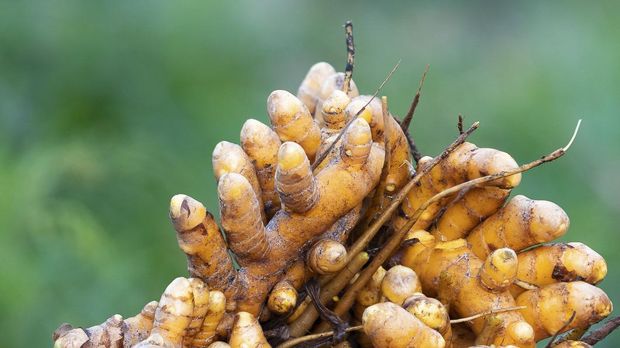
6. Turmeric (Curcuma longa)
Turmeric is one of the most popular spices in traditional medicine, particularly in Ayurveda. Its active compound, curcumin, is renowned for its potent anti-inflammatory and antioxidant properties.
Research from 2017 indicated that turmeric and curcumin have the potential to improve blood lipid profiles, thereby contributing to a reduced risk of cardiovascular diseases. The anti-inflammatory and antioxidant effects of curcumin are thought to play a role in protecting the cardiovascular system and influencing lipid metabolism. While these findings are promising, researchers emphasize that further studies are essential to determine the safe and effective dosages of turmeric for cholesterol management. Curcumin’s ability to modulate gene expression related to lipid metabolism is an area of active research.
7. Rosemary (Salvia rosmarinus)
Rosemary, an aromatic herb widely used in cooking, is also believed to offer benefits for heart health. Its unique compounds may contribute to its potential cholesterol-lowering effects.
A study published in 2014 found that daily consumption of 2 to 10 grams of powdered rosemary could help lower total cholesterol levels. However, the study had a limited number of participants, underscoring the need for larger-scale investigations to confirm these findings and establish rosemary’s role in cholesterol management. The antioxidants present in rosemary, such as rosmarinic acid, are thought to be responsible for its health-promoting properties.
A Balanced Perspective: Herbal Remedies as Adjuncts, Not Replacements
While these herbs show promise in assisting with cholesterol management, it is paramount to understand that they are not substitutes for conventional medical treatment or essential lifestyle changes. A balanced diet rich in fruits, vegetables, and whole grains, coupled with regular physical activity, maintaining a healthy body weight, and avoiding smoking, remain the foundational pillars of effective cholesterol control.
Furthermore, consulting with a healthcare professional is indispensable before incorporating any herbal supplements or remedies, particularly for individuals with pre-existing health conditions or those undergoing specific medical treatments. A doctor can provide personalized advice, assess potential interactions with existing medications, and guide individuals toward the safest and most effective management plan for their cholesterol levels.
The growing interest in natural health solutions highlights a desire for more integrated approaches to well-being. By understanding the scientific basis, traditional uses, and limitations of herbal remedies, individuals can make more informed decisions in their journey towards managing cholesterol and promoting overall cardiovascular health. Continued research into these natural compounds will undoubtedly shed further light on their therapeutic potential and their place within a comprehensive health strategy.