Azin Asro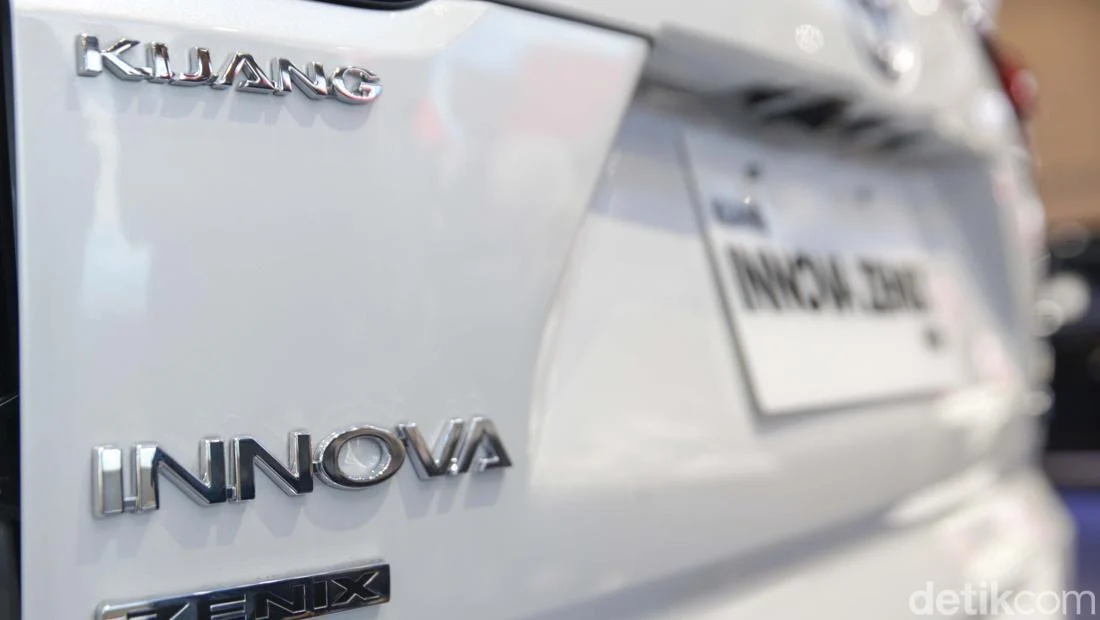
The Indonesian automotive landscape witnessed a significant shift in momentum during April 2026, characterized by a robust recovery in sales volumes and a notable diversification of the best-selling models. After two months of trailing behind commercial vehicles, the Toyota Kijang Innova has officially reclaimed its position as the best-selling car in the country. This resurgence comes amidst a broader market expansion where both wholesale and retail figures showed double-digit growth, signaling a renewed appetite for passenger vehicles, particularly among the upper-middle-class demographic. According to the latest data released by the Association of Indonesian Automotive Industries (Gaikindo), the industry recorded a substantial 31.8 percent increase in wholesale distribution compared to March 2026, totaling an additional 19,058 units. This brings the retail sales performance to a high of 75,730 units for the month, up from 66,595 units in the previous period.
Market Dynamics and the Resilience of the Kijang Innova
The return of the Kijang Innova to the number one spot is a testament to the enduring legacy and successful modernization of the "legendary" nameplate. Recording 5,981 units in distribution for April 2026, the Innova lineup—which now consists heavily of the Zenix hybrid variant alongside the remaining Reborn diesel models—has proven that Indonesian consumers still prioritize space, reliability, and brand prestige. The Innova’s ability to bounce back after being eclipsed by commercial workhorses like the Daihatsu Gran Max and Suzuki Carry suggests that the consumer segment for multi-purpose vehicles (MPVs) remains the primary engine of the domestic market.
Industry analysts suggest that the Innova’s success is increasingly driven by the Zenix Hybrid. As fuel prices and environmental consciousness evolve in 2026, the shift toward electrification within the Toyota stable has allowed the brand to retain its loyal customer base while attracting tech-savvy buyers. The April data indicates that the "Innova effect" is not just about nostalgia but about a calculated transition toward more efficient powertrains that do not sacrifice the utility required by Indonesian families.
Economic Indicators and Consumer Behavior
The growth observed in April 2026 is particularly interesting when analyzed through the lens of consumer demographics. Kukuh Kumara, the Secretary General of Gaikindo, noted that the current market upswing is being driven primarily by established car owners rather than first-time buyers. This distinction is crucial for understanding the economic climate of 2026. While the "Entry-Level" or Low-Cost Green Car (LCGC) segment typically drives volume through first-time purchasers, the current data shows a tilt toward more premium offerings.
"The buyers are predominantly from groups that already own vehicles," Kumara explained in a statement to the media. This suggests that the replacement cycle and the desire for upgrades are currently more influential than new market penetration. This trend is likely a result of tighter credit conditions for lower-income brackets or a shift in the purchasing power of the middle class, where those with existing assets are better positioned to navigate the financial landscape of 2026. The high performance of models like the Toyota Fortuner and the emergence of premium EVs in the top 20 list further support this observation.
The Rise of Electrification: Hybrids and EVs Break into the Top Tiers
One of the most striking revelations from the April 2026 sales report is the unprecedented performance of electrified vehicles. For the first time in Indonesian history, the top 20 list features five distinct electric vehicle (EV) models, alongside a significant showing for hybrids. The Toyota Veloz Hybrid has emerged as a major disruptor, breaking into the top five with 3,262 units. This indicates that the hybrid technology, once considered a niche luxury, has now permeated the "Million People’s Car" segment, providing a middle ground for consumers not yet ready to commit to a full battery-electric vehicle (BEV).
Furthermore, the presence of Chinese manufacturers in the top 10 highlights a shifting paradigm. The Jaecoo J5, a sophisticated SUV from the Chery group, secured the sixth position with 3,179 units, while the BYD M6—an all-electric MPV—took the tenth spot with 2,472 units. These figures represent a significant challenge to the long-standing Japanese dominance in the region. The inclusion of other models like the BYD Sealion 7, Geely EX2, and the ultra-luxury Denza D9 in the top 20 underscores that the Indonesian market is rapidly maturing and diversifying its brand preferences.
Commercial Vehicles Maintain Strong Foundations
Despite the resurgence of passenger cars, the commercial sector remains a bedrock of the Indonesian automotive industry. The Daihatsu Gran Max pick-up and the Suzuki Carry pick-up occupied the second and third positions, respectively. The Gran Max recorded 5,727 units, while the Suzuki Carry followed with 4,200 units. These vehicles are the lifeblood of Indonesia’s logistics and micro-SME (MSME) sectors.
The consistent high volume of these pick-ups reflects the ongoing infrastructure developments and the expansion of the e-commerce delivery network across the archipelago. Even as passenger car trends fluctuate based on consumer sentiment and new model launches, the demand for reliable, cost-effective commercial transport remains stable. The April figures show that while the Kijang Innova may have reclaimed the "crown," the gap between the top passenger car and the top commercial vehicle is narrow, indicating a healthy, balanced market.
Detailed Breakdown of the Top 20 Best-Selling Models
The April 2026 rankings provide a comprehensive look at the competitive landscape. Toyota continues to lead the pack with multiple entries, but the diversity of brands is at an all-time high.
- Kijang Innova (Zenix and Reborn): 5,981 units – The undisputed leader, bridging the gap between traditional utility and modern hybrid efficiency.
- Daihatsu Gran Max pick-up: 5,727 units – Dominating the light commercial segment.
- Suzuki Carry pick-up: 4,200 units – A perennial favorite for small business logistics.
- Toyota Avanza: 3,491 units – While no longer the absolute number one, it remains a staple of Indonesian roads.
- Toyota Veloz Hybrid: 3,262 units – The surprise performer of the month, proving the mass-market appeal of hybrid MPVs.
- Jaecoo J5: 3,179 units – A strong showing for the newcomer, highlighting the appeal of premium Chinese SUVs.
- Toyota Calya: 3,076 units – The leader of the LCGC segment, providing affordable mobility.
- Toyota Rush: 2,871 units – Continuing its steady performance in the LSUV category.
- Daihatsu Gran Max Blind Van and Minibus: 2,514 units – Essential for urban delivery services.
- BYD M6: 2,472 units – The first pure EV to break into the top 10, signaling a major shift in MPV preferences.
- Daihatsu Sigra: 2,331 units – A slight dip compared to previous years but still a core volume driver.
- Toyota Hilux: 1,736 units – Leading the pickup truck segment for mining and plantations.
- BYD Sealion 7: 1,617 units – Strengthening BYD’s foothold in the electric SUV market.
- Mitsubishi Xpander (including Xpander Cross): 1,572 units – Maintaining a loyal following despite heavy competition.
- Honda Brio: 1,522 units – Once a chart-topper, now facing pressure from both LCGCs and small EVs.
- Toyota Agya: 1,451 units – Supporting the entry-level hatchback segment.
- Toyota Fortuner: 1,386 units – The preferred choice for the high-end ladder-frame SUV market.
- Daihatsu Terios: 1,250 units – The long-standing twin to the Rush, maintaining consistent sales.
- Geely EX2: 1,042 units – A new entry from Geely, showcasing the growth of compact electric crossovers.
- Denza D9: 1,032 units – A luxury electric MPV entering the top 20, reflecting the wealth-driven market trend mentioned by Gaikindo.
Broader Implications and Future Outlook
The data from April 2026 suggests that the Indonesian automotive market is in a state of transition. The 31.8 percent jump in wholesales is a clear indicator of manufacturer optimism, but the shift in what is being sold is the more significant story. The dominance of hybrid and electric vehicles in the growth sectors suggests that government incentives, improved charging infrastructure, and a wider variety of models are finally yielding results.
The "wealthy buyer" trend highlighted by Gaikindo poses both an opportunity and a challenge. While it sustains the market during periods of economic fluctuation, the long-term health of the industry will eventually require a return of the first-time buyer. As 2026 progresses, industry observers will be watching to see if the success of models like the Veloz Hybrid and BYD M6 can be replicated in even more affordable price brackets.
Furthermore, the rise of brands like Jaecoo, BYD, Geely, and Denza indicates that the traditional "Big Three" Japanese brands can no longer rely on brand loyalty alone. The competitive landscape in Indonesia has become a global battleground for automotive technology. With the Kijang Innova back on top, Toyota has shown it can adapt, but the presence of five EVs in the top 20 serves as a reminder that the "throne" will be increasingly difficult to defend in the years to come. For now, the April 2026 figures provide a much-needed boost to the industry, setting a positive tone for the remainder of the year.