Chalifah Fatihah
Mecca, the holiest city in Islam, transcends its role as the epicenter of Hajj and Umrah, serving as a profound repository of Islamic history and spiritual significance. For millions of pilgrims who undertake the journey to this revered Saudi Arabian metropolis, visiting its historical sites offers an unparalleled opportunity to trace the footsteps of Prophet Muhammad (peace be upon him) and deepen their faith through the wisdom embedded in every corner of the city. This exploration delves into eleven key destinations within Mecca that hold immense importance for pilgrims, offering a glimpse into the origins and enduring legacy of Islam.
The sacred city of Mecca is far more than just a destination for the Hajj pilgrimage; it is a living testament to centuries of faith, sacrifice, and divine revelation. Each stone, hill, and structure within its precincts whispers tales of prophets, companions, and the unwavering spirit of Islam. For the devout, traversing these historical landmarks is not merely sightseeing; it is an act of spiritual immersion, a tangible connection to the divine messages that shaped the course of human history.
A Pilgrimage Through Time: Key Sacred Sites in Mecca
The following are eleven significant sites in Mecca that are integral to the spiritual journey of pilgrims, as detailed by official sources overseeing Hajj and Umrah affairs:
1. The Kaaba: The Heart of Islamic Devotion
At the core of the Grand Mosque (Masjid al-Haram) lies the Kaaba, the cubical edifice that serves as the Qibla, the direction of prayer for Muslims worldwide. Clad in a magnificent black cloth, the Kiswah, adorned with intricate golden calligraphy, the Kaaba is the ultimate focal point of every Hajj and Umrah pilgrimage. Its presence embodies the singular unity of God (Allah) and the brotherhood of Islam, drawing millions to circle it in Tawaf, a ritual of circumambulation that signifies devotion and submission. The Kaaba’s construction, according to Islamic tradition, dates back to Prophet Ibrahim (Abraham) and his son Prophet Ismail (Ishmael), making it a site of immense historical and spiritual weight. The rituals performed around the Kaaba, including Tawaf and Istilam (touching or kissing the Black Stone), are central to the pilgrimage experience, symbolizing a spiritual cleansing and a renewed commitment to faith.
2. Maqam Ibrahim: The Stone of Prophetic Footprints
Adjacent to the Kaaba is Maqam Ibrahim, often referred to as the Station of Abraham. Contrary to any misconception, this is not a tomb but a revered stone bearing the footprints of Prophet Ibrahim. It is believed that Prophet Ibrahim stood on this stone while constructing the Kaaba alongside his son, Prophet Ismail. Located within the Grand Mosque, it is considered one of the most auspicious spots for supplication, where pilgrims pause to reflect on the legacy of these prophets and seek divine blessings. The presence of Maqam Ibrahim serves as a constant reminder of the foundational role of Prophet Ibrahim in the monotheistic tradition that Islam upholds.
3. Jabal Nur: The Mount of Light and Revelation
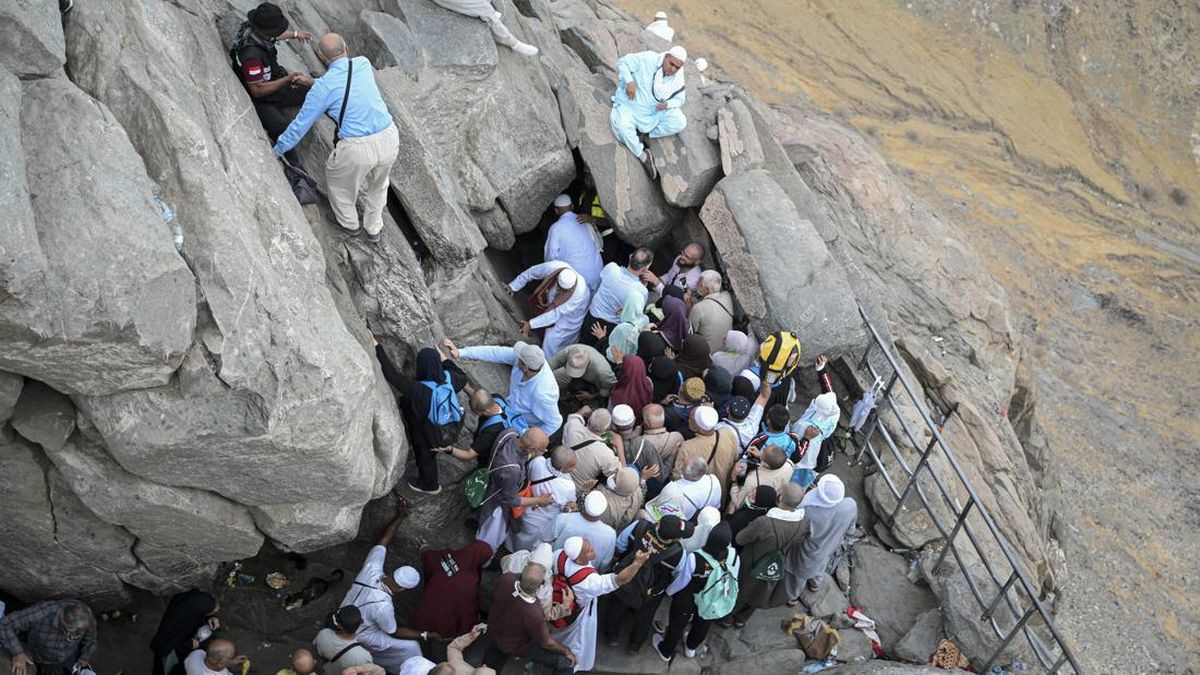
Jabal Nur, meaning "Mount of Light," is a prominent hill approximately 600 meters high. Its rugged terrain presents a challenging ascent, but the spiritual reward is immeasurable, as this mountain is home to the Cave of Hira, the site where the first revelations of the Quran were bestowed upon Prophet Muhammad. The arduous climb is often undertaken by pilgrims seeking a deeper connection with the Prophet’s spiritual journey, a period of deep contemplation and seeking divine guidance. The view from the summit offers a panoramic perspective of Mecca, further enhancing the sense of peace and reflection.
4. The Cave of Hira: The Cradle of Islamic Revelation
Nestled at the summit of Jabal Nur is the Cave of Hira, a small cavern where Prophet Muhammad used to retreat for meditation and solitude. It was within this sacred space that the Angel Jibril (Gabriel) first appeared to the Prophet, conveying the inaugural verses of the Quran from Allah. This event marked the genesis of Islam and the commencement of Prophet Muhammad’s prophetic mission. For pilgrims, visiting the Cave of Hira is a profound experience, allowing them to stand in the very place where divine guidance first illuminated the world, inspiring awe and a renewed sense of purpose. The historical significance of this site cannot be overstated, as it is the genesis point of Islam’s holy scripture.
5. The Well of Zamzam: A Miracle of Enduring Blessing
The Well of Zamzam is a miraculous source of water located within the precincts of the Grand Mosque, which has flowed continuously for thousands of years. Its history dates back to the desperate search for water by Hajar (Hagar), the wife of Prophet Ibrahim, for her son Prophet Ismail. According to tradition, Allah caused the spring to gush forth at the infant’s feet, saving them from dehydration. The Zamzam water is revered for its purity, blessings, and numerous health benefits, and pilgrims eagerly drink from it and carry it back as a sacred souvenir. The enduring nature of this spring is seen as a divine sign of Allah’s providence and mercy. The scientific analysis of Zamzam water has also revealed unique properties that have garnered international attention, further cementing its revered status.
6. Jabal Thawr: The Mountain of Steadfastness
Jabal Thawr, or Mount Thawr, is another significant historical site that bears witness to the unwavering faith and courage of Prophet Muhammad and his closest companion, Abu Bakr Al-Siddiq. During their perilous migration (Hijrah) from Mecca to Medina to escape the persecution of the Quraysh tribe, the Prophet and Abu Bakr took refuge for three days in the Cave of Thawr, located on this mountain. Spiders are said to have spun webs across the cave’s entrance, creating an illusion of abandonment and thus safeguarding them from their pursuers. This site serves as a powerful symbol of divine protection and the strength derived from steadfastness in the face of adversity.
7. Masjid al-Jinn: The Mosque of the Genies
Located near the Grand Mosque, Masjid al-Jinn (Mosque of the Genies) commemorates a pivotal event in Islamic history. It is believed that a group of Jinns (genies) gathered here to listen to Prophet Muhammad reciting the Quran. Profoundly moved by the divine message, they embraced Islam. This mosque serves as a poignant reminder that Islam is a universal faith, a mercy to all creation, not just humankind. The event signifies the pervasive influence and acceptance of the Prophet’s message across different realms of existence.
8. Jannat al-Mu’alla: The Garden of the Highest Abode
Jannat al-Mu’alla is one of the oldest and most significant cemeteries in Mecca, serving as the final resting place for many of the Prophet Muhammad’s esteemed family members and companions. Among those interred here is his beloved wife, Khadijah bint Khuwaylid (may Allah be pleased with her), who was the first to believe in his prophethood and provided him with immense support and solace. Visiting Jannat al-Mu’alla offers pilgrims a solemn opportunity to reflect on the profound sacrifices made by the Prophet’s household and early followers in the arduous journey of spreading Islam. It is a place for quiet contemplation and seeking blessings through their esteemed legacy.
9. Masjid Aisha (Tan’im): The Miqat of Umrah
Masjid Aisha, also known as Tan’im, is a significant Miqat (a designated point where pilgrims assume the state of Ihram) for those already in Mecca who wish to perform another Umrah. The mosque is named after Aisha bint Abi Bakr (may Allah be pleased with her), the Prophet’s wife, who, according to tradition, began her Ihram from this location under the Prophet’s guidance. It is a bustling hub during the Umrah season, facilitating the spiritual renewal of pilgrims seeking to perform additional acts of worship.
10. Masjid Namirah: The Site of the Farewell Sermon
Situated in the vast plain of Arafat, Masjid Namirah holds immense historical significance, particularly during the Hajj. It is at this location that Prophet Muhammad delivered his final sermon, known as the Farewell Sermon (Khutbat al-Wada’), during his last Hajj. This monumental address encapsulated the core tenets of Islam, emphasizing unity, compassion, justice, and the sanctity of life and property. The sermon served as a comprehensive guide for Muslims, laying down principles for a just and ethical society that continue to resonate today. Pilgrims visiting Masjid Namirah are deeply moved by the historical weight of this place, reflecting on the Prophet’s final guidance.
11. Jabal al-Rahmah: The Mount of Mercy
Jabal al-Rahmah, or the Mount of Mercy, is another prominent landmark in the plains of Arafat. According to Islamic tradition, this hill is believed to be the site where Prophet Adam and Hawa (Eve) were reunited after their expulsion from paradise. Pilgrims often ascend Jabal al-Rahmah to supplicate, seeking forgiveness, mercy, and blessings from Allah. The act of standing on this mount during the Hajj, a day of immense spiritual significance, is seen as an opportunity to connect with the divine and seek absolution for past transgressions. The name itself, "Mount of Mercy," underscores its spiritual importance as a place where divine compassion is sought.
The Enduring Significance of Mecca’s Sacred Sites
The pilgrimage to Mecca is a transformative journey that extends far beyond the performance of religious rites. It is an immersion into the rich tapestry of Islamic history, a profound connection with the lives and sacrifices of the prophets and their followers. Each site visited offers a unique lesson, a distinct spiritual insight, and an opportunity for personal growth.
The historical context of these sites provides a tangible link to the origins of Islam. The arduous journeys undertaken by the Prophet Muhammad and his companions, the divine interventions that protected them, and the foundational revelations that shaped their faith are all vividly recalled through these landmarks. For pilgrims, experiencing these places firsthand imbues the narratives of Islamic history with a profound sense of reality and emotional resonance.
Furthermore, the spiritual implications of visiting these sacred sites are immense. They serve as constant reminders of the core values of Islam: faith, perseverance, compassion, and submission to the will of Allah. The physical journey mirrors an inner spiritual ascent, prompting introspection, repentance, and a renewed commitment to living a life guided by Islamic principles.
The sheer volume of pilgrims undertaking these journeys annually underscores the global significance of Mecca and its sacred sites. With millions converging each year for Hajj and even more for Umrah, these locations have become focal points of global Muslim unity and spiritual devotion. The infrastructure and management required to facilitate these massive gatherings are a testament to the organizational prowess of Saudi Arabia, continuously evolving to enhance the pilgrim experience.
In conclusion, Mecca’s sacred sites are not merely ancient structures or geographical features; they are living monuments to the enduring legacy of Islam. They offer pilgrims an unparalleled opportunity to connect with their faith on a profound, historical, and spiritual level, reinforcing their commitment to Islamic teachings and leaving an indelible mark on their spiritual journey. The continued reverence and devotion shown to these sites by Muslims worldwide highlight their timeless importance in the heart of the Islamic faith.