Lina Irawan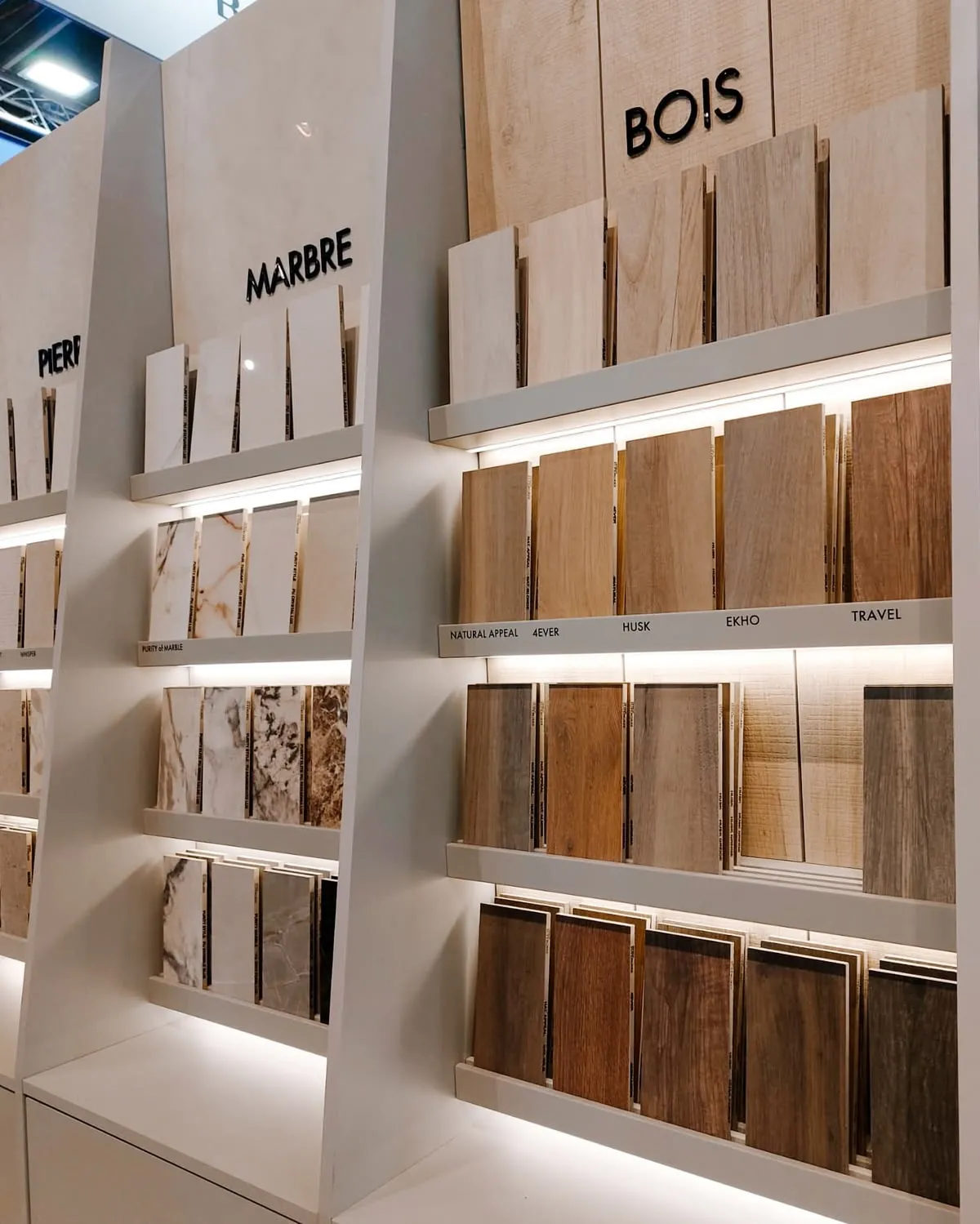
Deciding where to purchase ceramic tiles for home renovation projects presents a crucial dilemma for homeowners and contractors alike. While traditional brick-and-mortar stores offer tangible assurances of quality and consistency, online marketplaces lure with unparalleled variety and competitive pricing. The team at InteriorDesign.ID advises a strategic, hybrid approach: sourcing bulk quantities for primary areas from physical stores to guarantee uniformity and reduce risk, while leveraging online platforms for unique accent motifs. This balanced strategy is paramount to avoiding costly mistakes, which can easily amount to millions of rupiah in misaligned colors, inconsistent batches, or damaged goods during transit.
The selection of building materials, particularly heavy and fragile items like ceramic tiles, demands meticulous consideration. Unlike a minor online clothing purchase gone wrong, a misstep in tile acquisition can derail an entire renovation budget. The sheer weight and bulk of tiles make returns a logistical nightmare, often outweighing any initial perceived savings. Many consumers, captivated by enticing catalog photos and seemingly low prices on digital platforms, frequently overlook critical factors such as manufacturing batch variations, potential color discrepancies under different lighting, and the significant risk of breakage during transportation.
The Enduring Appeal of Local Tile Stores and Depots
Professional contractors and seasoned renovators overwhelmingly favor local building depots and physical tile stores for large-scale purchases. The primary rationale is straightforward: these environments allow for immediate risk assessment and control. Customers can physically inspect the tiles, eliminating guesswork regarding texture, finish, and true color, which are often distorted by digital screens.
1. Direct Sample Inspection and Texture Verification
The color accuracy displayed on a digital screen is notoriously unreliable, influenced by device settings, screen calibration, and ambient light. A light gray tile viewed online might appear significantly darker or possess a different undertone when installed in a living room. In a physical store, customers can request staff to bring tile samples outside, allowing for color evaluation under natural sunlight – a critical step in matching design aesthetics. Furthermore, the tactile experience is indispensable, especially for areas like bathrooms where slip resistance is paramount. Directly touching the tile surface reveals its true texture, providing an understanding of its grip, which no digital photograph can adequately convey. Industry experts often highlight that the "feel" of a tile, particularly its coefficient of friction, is a non-negotiable factor for safety-critical areas.

2. Ensuring Production Batch Consistency
Ceramic tiles are products of a natural firing process, which means that different production batches can exhibit subtle variations in color, shade, and even size. Mixing tiles from disparate batches can result in a noticeable "patchwork" or uneven appearance once installed, severely compromising the aesthetic integrity of a space. Physical stores enable customers to personally verify batch codes printed on the side of tile boxes. Ensuring all purchased boxes share the same batch number is the most reliable method to guarantee a uniform and seamless floor or wall installation. This level of quality control is often difficult, if not impossible, to achieve when ordering blind from online listings.
3. Streamlined Returns and Damage Management
Despite robust packaging, ceramic tiles are susceptible to breakage during transit due even to minor shocks. Purchasing from a local store simplifies the return process for damaged goods. A customer can simply return the damaged carton to the store for an immediate exchange. Many reputable building depots further enhance this convenience by offering replacement guarantees, especially if their own delivery trucks are used, bypassing the often-lengthy and frustrating approval processes typically encountered with online customer service chatbots and complex return policies for heavy items. This immediate resolution translates into significant time and cost savings for a project.
4. Price Negotiation and Real-time Stock Monitoring
Direct purchases often open doors for price negotiation, particularly for large volumes. Buying in bulk frequently incentivizes store managers to offer discounts or bundled deals that might not be available online. Moreover, customers can visually confirm the availability of stock in the warehouse, eliminating the risk of backorders or out-of-stock surprises after payment has been made. The ability to quickly procure additional boxes on the same day if installation requires an unexpected top-up is invaluable for maintaining project timelines, a flexibility rarely afforded by online procurement.
The Allure and Advantages of Online Marketplaces
Conversely, the online acquisition of heavy construction materials has grown significantly in recent years. This trend is driven by an increasing demand for convenience and a wider selection, allowing consumers to explore design trends from distant distributors without the need for extensive physical travel. However, this method necessitates heightened diligence and careful vetting.
1. Expansive Selection of Unique Patterns and Styles
Local building material stores typically stock high-turnover, standard ceramic tile designs. For those seeking specific, less common aesthetics – such as hexagonal patterns, vintage motifs, intricate Moroccan designs, or unique terrazzo styles – online marketplaces offer an unparalleled advantage. These platforms aggregate offerings from a multitude of suppliers, including specialized manufacturers and importers, providing access to a vast, diverse inventory that transcends geographical limitations. This accessibility empowers designers and homeowners to realize highly personalized and distinctive interior visions.

2. Transparent Price Comparison and User Reviews
Online marketplaces facilitate instantaneous price comparisons across numerous vendors, allowing consumers to evaluate multiple offers within seconds without any social pressure. Beyond price, the wealth of customer reviews and user-submitted photographs serves as an invaluable resource. These unedited, real-world images often provide a more accurate representation of the tile’s true color and appearance than professional studio shots, helping buyers make more informed decisions. Analysts report a growing trend of consumers consulting online reviews for building materials, with trust in peer recommendations steadily increasing.
3. Efficient Cargo Shipping Solutions
The weight of ceramic tiles, with a single 60×60 cm box potentially weighing up to 30 kilograms, makes standard courier services prohibitively expensive for large orders. Recognizing this logistical challenge, modern marketplaces have integrated specialized cargo shipping options. These services often operate on a per-ton or volume-based flat rate, significantly reducing transportation costs for bulk orders and making online purchases of heavy materials economically viable. This evolution in logistics has been a key enabler for the growth of online building material sales.
Mitigating Risks When Purchasing Tiles Online
Despite the conveniences, online tile purchases inherently carry risks that must be proactively managed. If opting for an online platform, extensive communication with the seller is crucial. Buyers must explicitly inquire about guarantees regarding consistent batch codes for their entire order and confirm the availability of enhanced packaging options, such as wood crating or palletizing, to prevent collision damage during truck transit.
Documenting the Delivery Process
A critical safeguard for online tile purchases is thorough documentation of the delivery. Upon the arrival of the cargo truck, prepare a smartphone camera and record the entire unloading process without interruption, from the moment the goods are taken off the vehicle until the outer packaging is opened and the tiles inspected. This continuous video evidence is often a mandatory requirement for marketplaces or shipping insurance providers to process claims for damaged or broken tiles, ensuring fair compensation. This practice is increasingly recommended by consumer protection agencies for all high-value or fragile online purchases.
Strategic Hybrid Approach: Optimizing Your Tile Purchase

The most judicious approach to tile procurement involves a strategic combination of both methods, tailored to the specific needs of each area within a project. For large, primary areas such as living room or bedroom floors, which require substantial quantities of uniform tiles, purchasing from a local physical store remains the safer and more practical option. The inherent risks associated with ordering hundreds of boxes online – including potential color inconsistencies, batch mismatches, and transit damage – can lead to overwhelming logistical challenges if returns or replacements are necessary.
Conversely, reserve online marketplaces for accent walls in bathrooms, kitchen backsplashes, or small patio areas where a limited quantity of unique or specialized tiles is needed. Ordering three to five boxes of a distinctive tile online is generally manageable, and the associated cargo shipping costs are less burdensome. This allows homeowners to leverage the vast selection of online platforms for specific design statements without exposing the entire project to undue risk.
Extra Considerations: Bathroom Tiling Safety and Aesthetics
Bathroom areas demand particular attention due to their inherent wetness. Prioritize safety over purely aesthetic concerns by selecting tiles with appropriate slip resistance. Look for the manufacturer’s R-Rating specification, opting for a minimum of R-10 for residential bathrooms. This rating indicates the tile’s dynamic coefficient of friction, directly correlating to its anti-slip properties, crucial for preventing accidents on wet, soapy surfaces. Furthermore, smaller tile sizes, such as 20×20 cm, are often recommended for bathrooms. The increased number of grout lines not only provides additional grip but also facilitates more efficient water drainage.
Aligning Grout Lines for Seamless Design
For a cohesive and polished bathroom aesthetic, ensure that the width of wall tiles aligns with the dimensions of the floor tiles. For example, pairing 30×30 cm floor tiles with 30×60 cm wall tiles will ensure that the vertical grout lines on the floor seamlessly extend upwards to meet the horizontal grout lines on the wall. This meticulous alignment creates a visually harmonious space. To prevent the bathroom from appearing too busy or cluttered, a common design strategy is to designate one wall for a patterned or accent tile, while keeping the remaining walls in a solid, complementary color. This creates a focal point without overwhelming the senses.
Avoiding the Pitfalls of "Too Good to Be True" Prices

A common pitfall for budget-conscious buyers is the allure of heavily discounted tiles. Products advertised at unusually low prices often fall into the category of second or third-grade quality (KW 2 / KW 3). The primary distinction lies in manufacturing precision. First-grade (KW 1) tiles are consistently precise in size and shape, ensuring perfectly straight grout lines and a flawless installation. Lower-grade tiles, however, may exhibit slight warping or irregular edges, making them challenging for installers to lay flat and straight. This can result in an uneven, wavy, or aesthetically compromised finish, ultimately detracting from the overall quality of the renovation and potentially increasing labor costs as installers struggle to compensate for imperfections.
Understanding Tile Durability: The PEI Rating
Another crucial specification to scrutinize is the Porcelain Enamel Institute (PEI) rating, which measures the resistance of a tile’s glazed surface to abrasion and wear from foot traffic. It is imperative to select the correct PEI class for the intended application.
- PEI 0/1: Suitable only for walls, as they cannot withstand foot traffic.
- PEI 2: Light residential traffic, suitable for areas with bare or stocking feet (e.g., bathrooms, bedrooms).
- PEI 3: Moderate residential traffic, ideal for general indoor use (e.g., living rooms, kitchens, hallways).
- PEI 4: Heavy residential and light commercial traffic, suitable for all residential applications and light commercial use (e.g., offices, boutiques).
- PEI 5: Heavy commercial and industrial traffic, designed for high-traffic commercial and institutional applications (e.g., shopping malls, airports).
Installing a PEI 1 tile on a floor, for instance, will lead to premature wear and damage, necessitating costly replacement. For high-traffic areas like carports or garages, a minimum PEI 4 or PEI 5 rating is essential to ensure long-term durability.
Practical Tips for Long-Term Satisfaction and Maintenance
While sleek, solid white floors offer a modern aesthetic, they are notoriously unforgiving, highlighting even the slightest speck of dust or dirt. Conversely, very dark floors tend to accentuate wet footprints and smudges. For areas subjected to daily wear and tear, the most forgiving colors for concealing everyday grime are neutral tones such as various shades of gray, earthy browns, or patterned terrazzo tiles with their inherent random flecks. These choices minimize the visual impact of dust, dirt, and minor spills, reducing the frequency of deep cleaning required to maintain a pristine appearance.
Essential FAQs for Tile Buyers:

- Does online cargo shipping include unloading services? Typically, no. Truck couriers are generally only responsible for delivering the order to the specified address. Customers should arrange for their own labor or assistance to move the heavy tiles from the truck into their property.
- How much extra tile should I purchase? It is highly recommended to buy an additional 10% to 15% of the total calculated area. This surplus accounts for wastage from cuts, potential breakage during installation, and provides a crucial reserve for future repairs should a tile become damaged or need replacement years down the line. Finding an exact match from the same batch later can be incredibly challenging.
- Can different tile brands be installed side-by-side? This is generally not advisable unless you can definitively confirm that the thickness of the tiles from both brands is absolutely identical. Even a difference of a few millimeters can result in an uneven, wavy floor surface, creating tripping hazards and compromising aesthetics.
- Do building depots require full payment upfront? For larger, established building material stores, full upfront payment is usually standard practice. However, if you have an ongoing relationship with a smaller, local building supply store in your neighborhood, they might offer more flexible payment terms, such as an initial down payment, based on mutual trust.
The evolving landscape of building material procurement offers both unprecedented opportunities and unique challenges. By understanding the distinct advantages and disadvantages of physical stores versus online marketplaces, and by implementing strategic risk mitigation techniques, consumers can make informed decisions that lead to successful, aesthetically pleasing, and durable home renovations.