Chalifah Fatihah
Surabaya, Indonesia – In response to growing public health awareness, a leading microbiologist has detailed the characteristics of Hantavirus and outlined crucial prevention strategies. Dr. Agung Dwi Wahyu Widodo, a clinical microbiologist at the Faculty of Medicine, Universitas Airlangga (Unair) in Surabaya, has urged the public to heighten their vigilance against the potential threat posed by this often-deadly virus. His insights come at a time when a single case of Hantavirus was recently reported in East Java, underscoring the importance of understanding and mitigating its risks.
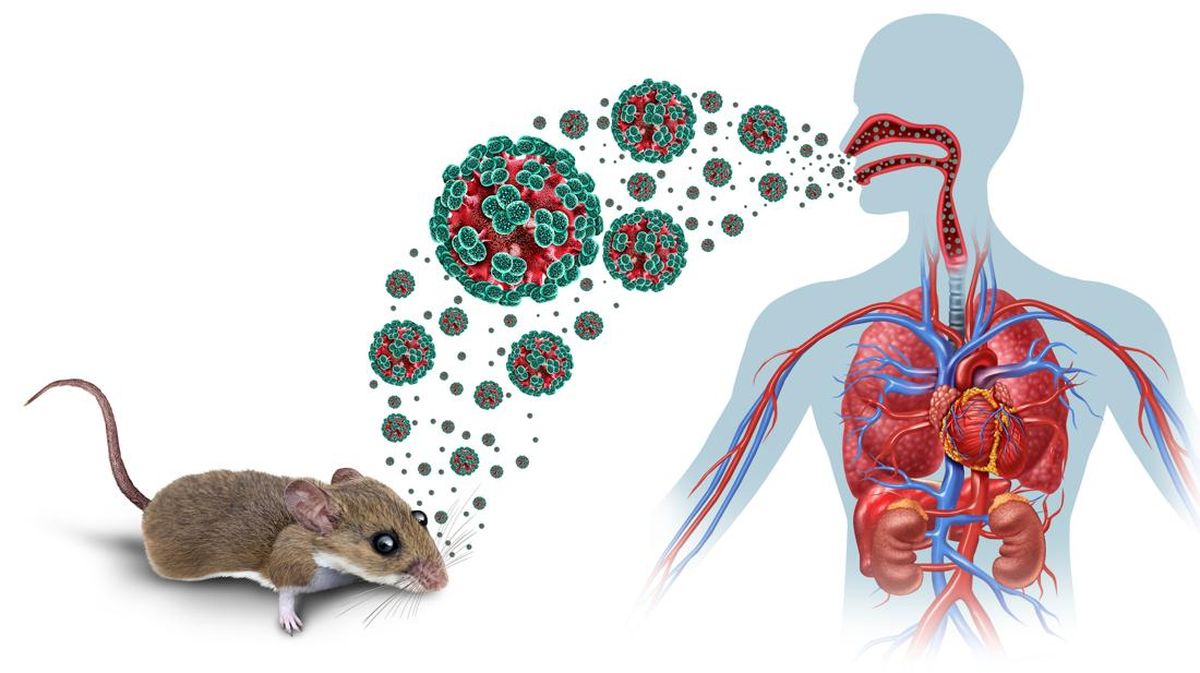
Hantavirus, Dr. Widodo explained, is an RNA virus primarily transmitted to humans through contact with infected rodents, such as wild rats. The principal mode of transmission involves inhaling airborne particles contaminated with rodent excreta, including urine, saliva, and feces. This airborne transmission route makes environmental hygiene and rodent control paramount in preventing infection.
Understanding Hantavirus: Transmission and Clinical Manifestations
The virus’s infectious nature stems from its ability to cause severe illness. Dr. Widodo elaborated that Hantavirus infection can manifest in two distinct and potentially fatal clinical syndromes: Hemorrhagic Fever with Renal Syndrome (HFRS) and Hantavirus Pulmonary Syndrome (HPS). HFRS primarily affects the kidneys, leading to severe bleeding and organ damage. HPS, on the other hand, targets the respiratory system, causing acute respiratory distress and a significantly high mortality rate. The potent nature of the virus necessitates a proactive and informed approach to public health.
"Hantavirus is an RNA virus transmitted by rodents like wild rats. The main transmission to humans occurs through the inhalation of aerosols from the urine, feces, or saliva of infected rats," Dr. Widodo stated during a briefing on Thursday, May 14, 2026. He emphasized that the virus carries a high fatality risk when it infects humans, making containment and prevention critical public health priorities.
Prevention: A Multi-faceted Approach to Rodent Control and Environmental Hygiene
Despite the severity of Hantavirus infections, Dr. Widodo stressed that the risk of its spread can be significantly reduced through diligent environmental sanitation and hygiene practices. He cautioned the public against underestimating the presence of rodent nests in and around their living spaces. While direct human-to-human transmission is exceptionally rare, maintaining a rodent-free environment is the most effective defense.
The cornerstone of breaking the Hantavirus transmission chain, according to Dr. Widodo, lies in rigorous rodent control and the strict implementation of Infection Prevention and Control (PPI) protocols. This includes regular inspections to seal entry points for rodents into homes and healthcare facilities. Furthermore, environmental disinfection using a 0.1 percent chlorine solution in high-risk areas is recommended.
For healthcare professionals, the correct use of Personal Protective Equipment (PPE) tailored to the specific risks of handling suspected cases is non-negotiable. Dr. Widodo also highlighted the critical role of educating the public and patient families about avoiding direct exposure to dust or areas contaminated with rodent droppings.
Surveillance and Public Alertness: Balancing Caution and Calm
Dr. Widodo affirmed that his institution is committed to proactive surveillance and prompt reporting of cases to facilitate early detection of Hantavirus infections. However, he urged the public to remain calm while maintaining a heightened state of awareness. Individuals experiencing high fever, especially those with a history of contact with areas frequented by rodents, are advised to seek immediate medical attention at a healthcare facility.
East Java Reports a Hantavirus Case: A Call to Action
The recent confirmation of a Hantavirus case in East Java serves as a stark reminder of the virus’s presence and the importance of the expert guidance provided by Dr. Widodo. The Head of the East Java Provincial Health Office, Dr. Erwin Astha Triyono, disclosed that the case was detected in January 2026 and the patient has since made a full recovery.
Dr. Erwin elaborated on the circumstances surrounding the initial diagnosis. The individual was initially treated for Leptospirosis, exhibiting symptoms such as fever and jaundice. However, based on guidance from the Ministry of Health (Kemenkes), the patient’s samples were sent to a central laboratory for further testing to rule out Hantavirus infection. The subsequent positive result for Hantavirus underscored the necessity of comprehensive diagnostic protocols.
"The patient was initially diagnosed with leptospirosis. Due to the fever and jaundice, the Ministry of Health encouraged Hantavirus testing, and it turned out to be positive," Dr. Erwin explained. He reassured the public that the case was managed effectively and there have been no further reports of Hantavirus infections from the central authorities since this January 2026 incident.
Historical Context and Global Hantavirus Threat
Hantaviruses have been a concern for public health globally for decades. The first recognized Hantavirus outbreak occurred in Korea in 1950, affecting United Nations troops during the Korean War. The virus gained wider recognition in the early 1990s with the emergence of Hantavirus Pulmonary Syndrome (HPS) in the southwestern United States. Since then, various Hantaviruses have been identified across different continents, each associated with specific rodent reservoirs and distinct clinical manifestations.
The Centers for Disease Control and Prevention (CDC) in the United States reports that Hantaviruses are carried by rodents, and human infections typically occur when people breathe in air contaminated with the virus. This can happen when rodent droppings, urine, or nesting materials are disturbed, releasing virus particles into the air as aerosols. Cases are most common in rural areas where rodent populations are higher.
Globally, the incidence of Hantavirus infections varies by region. In Europe and Asia, HFRS is more prevalent, while in the Americas, HPS is the more common presentation. The World Health Organization (WHO) emphasizes that while Hantavirus infections are not common, they can be serious. Public health efforts worldwide focus on rodent control, public education on safe practices in areas with rodent populations, and prompt medical attention for individuals exhibiting suggestive symptoms.
Analyzing the Implications: Public Health Preparedness and Long-Term Strategies
The Hantavirus case in East Java, though resolved, serves as a critical reminder for Indonesia’s public health infrastructure. It highlights the importance of:
- Robust Surveillance Systems: The swift identification and management of the January 2026 case demonstrate the effectiveness of coordinated surveillance efforts between provincial and national health authorities. Continued investment in laboratory capacity and trained personnel is vital for detecting and responding to emerging infectious diseases.
- Inter-agency Collaboration: The referral of the patient’s samples for Hantavirus testing, guided by the Ministry of Health, underscores the success of inter-agency collaboration. Such partnerships are crucial for addressing complex public health challenges.
- Public Education Campaigns: Dr. Widodo’s detailed explanations on transmission and prevention are essential. Sustained public health campaigns that educate communities about Hantavirus risks, rodent control measures, and early symptom recognition can significantly reduce the incidence of infection. These campaigns should be accessible and tailored to diverse populations.
- Environmental Health Initiatives: Long-term strategies for controlling rodent populations through improved waste management, sanitation infrastructure, and urban planning are critical. Addressing the root causes of rodent infestation in residential and public areas will have a lasting impact on reducing Hantavirus transmission risks.
- Healthcare Worker Training: Ensuring that healthcare professionals are well-versed in the diagnosis, management, and prevention of Hantavirus infections is paramount. This includes training on appropriate PPE usage and infection control protocols within healthcare settings.
The implications of Hantavirus extend beyond individual cases. Outbreaks, however rare, can strain healthcare resources and necessitate rapid public health responses. By understanding the virus’s characteristics, adhering to preventive measures, and fostering strong public health systems, Indonesia can effectively mitigate the threat posed by Hantavirus and safeguard public health. The proactive stance taken by Unair and the East Java Provincial Health Office sets a commendable precedent for vigilance and preparedness in the face of emerging infectious diseases.