Bambang Pamungkas
Bolivia is currently engulfed in a profound political and economic maelstrom, with widespread national strikes and road blockades bringing the South American nation to the brink of paralysis by mid-May 2026. The escalating unrest, centered in the administrative capital of La Paz and the strategically vital city of El Alto, represents a significant challenge to the already embattled administration of President Rodrigo Paz. Public dissatisfaction has reached a critical boiling point, primarily fueled by a crippling fuel crisis, persistent economic hardships, and deeply controversial agrarian policies that have alienated broad swathes of the population.
Escalation of Unrest and Nationwide Blockades
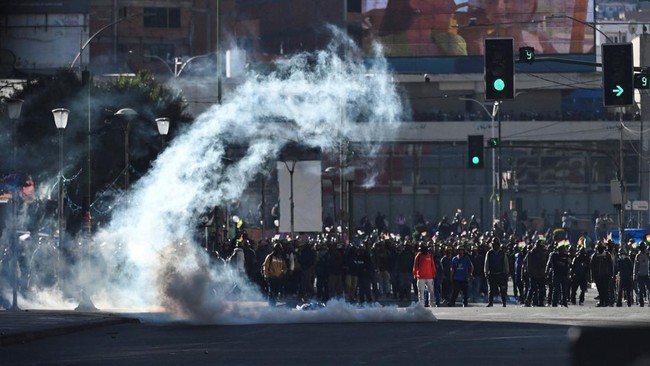
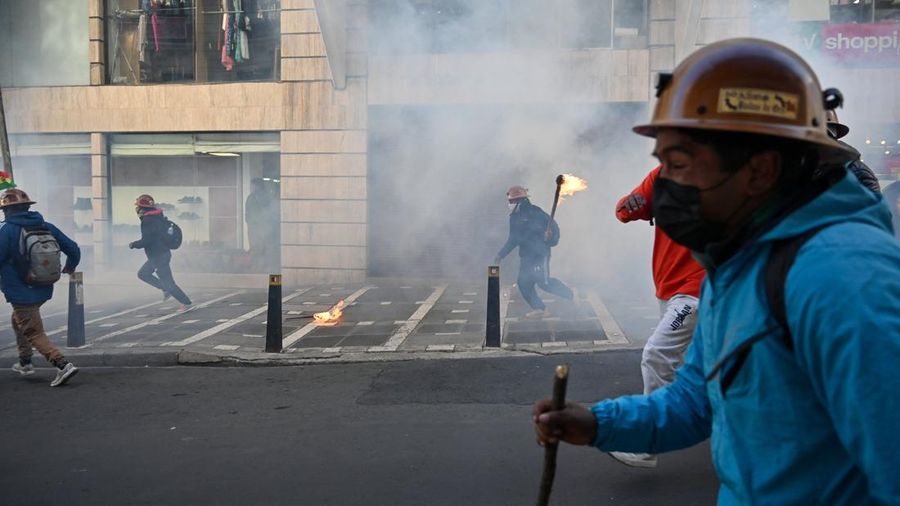
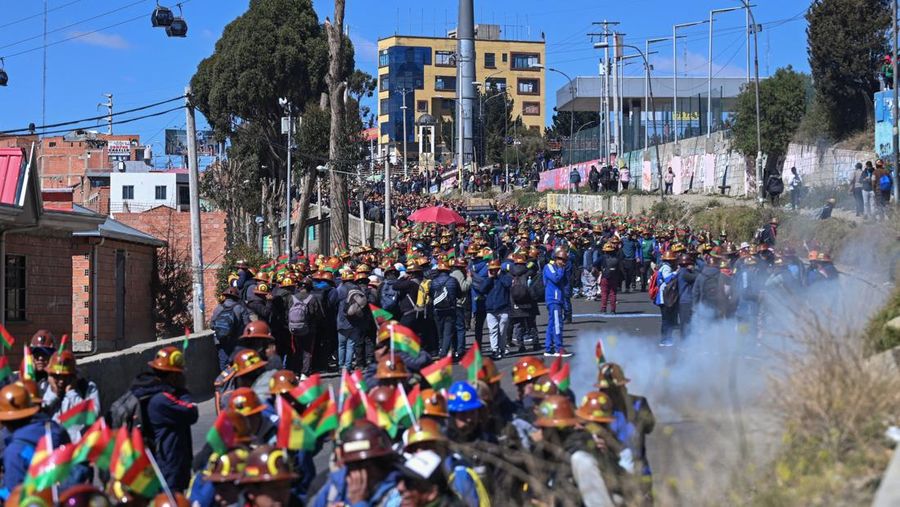
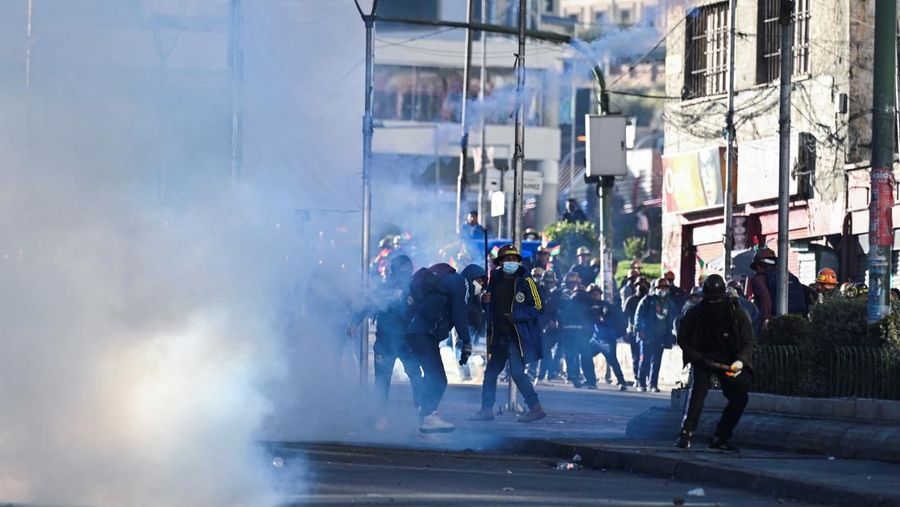
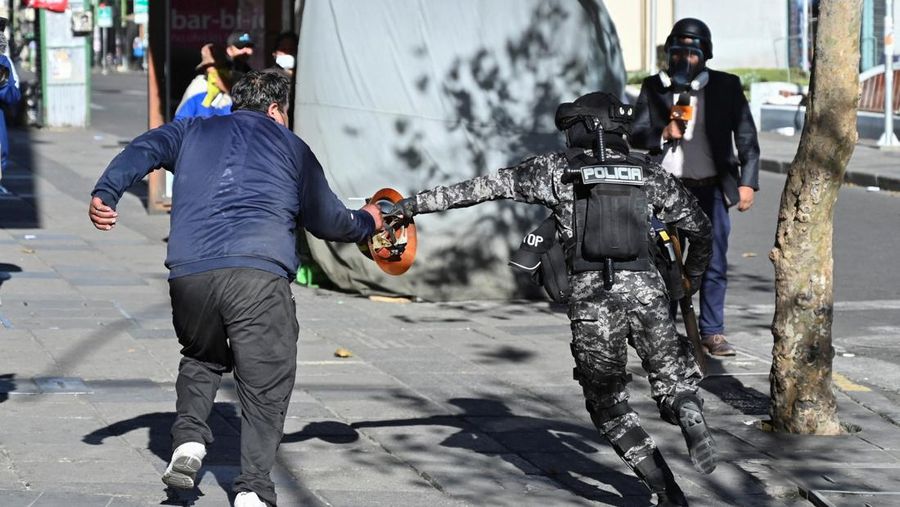
The week leading up to Thursday, May 14, 2026, saw a dramatic intensification of the conflict. In La Paz, scenes of confrontation unfolded as determined demonstrators from influential mining worker unions faced off against police forces, their protests echoing the mounting frustration across the nation. These images, captured amidst the chaos, underscored the raw tension permeating Bolivian society. According to reports from local authorities, relayed via Reuters, at least 38 major road blockades have been established nationwide, effectively severing vital supply lines and disrupting daily life for millions. This extensive network of blockades has crippled transportation, commerce, and access to essential services, turning major arteries into battlegrounds for political and economic grievances.
The initial wave of protests, which began in early May 2026, was a direct consequence of an accumulation of public discontent. What started as localized demonstrations against specific government policies quickly morphed into a national movement demanding fundamental changes. The participation of powerful and historically significant social groups, such as the indigenous Ponchos Rojos, known for their fierce activism, and numerous teacher unions, has lent considerable weight to the national strike. Their presence in strategic urban centers like El Alto and La Paz signals a broad-based rejection of the current government’s trajectory. These groups represent diverse interests but are united by a shared frustration with the deteriorating economic conditions and a perceived lack of government responsiveness.
The Deep Roots of Discontent: Economic and Policy Drivers
At the heart of Bolivia’s current crisis lies a severe economic downturn, exacerbated by a critical shortage of fuel. For months, the country has grappled with dwindling foreign currency reserves, making it increasingly difficult for the state-owned energy company, YPFB (Yacimientos Petrolíferos Fiscales Bolivianos), to import gasoline and diesel. This scarcity has led to long queues at petrol stations, skyrocketing black-market prices, and a ripple effect across the economy, impacting agriculture, transportation, and industrial output. Analysts point to a combination of factors contributing to this reserve depletion, including declining natural gas export revenues – a traditional pillar of Bolivia’s economy – and a persistent trade deficit. The government’s previous policy of heavily subsidizing fuel, while aimed at cushioning consumers, had become fiscally unsustainable, further straining state coffers without adequately addressing underlying structural issues.
Beyond the immediate fuel crisis, the broader economic landscape is bleak. Bolivia has been experiencing a period of elevated inflation, eroding the purchasing power of ordinary citizens. Unemployment figures have been on a steady rise, particularly in urban areas, while a slowdown in key sectors like mining and agriculture has dampened growth prospects. The government’s attempts to stimulate the economy have largely failed to resonate with the populace, who feel increasingly marginalized and burdened by rising living costs.
Adding another layer of complexity are President Paz’s controversial agrarian policies. While specific details remain contentious, these policies are widely perceived to favor large-scale agribusiness and corporate interests over the rights and traditional land tenure systems of indigenous communities and small-scale farmers. Reforms aimed at modernizing land use and increasing agricultural output have, in practice, led to land disputes, forced displacements, and environmental concerns, alienating a critical demographic that forms the historical base of popular movements in Bolivia. These policies are seen by many as a betrayal of the country’s multi-ethnic and plurinational constitutional principles, fueling resentment and contributing to the widespread call for the president’s resignation.
A Nation Divided: The Political Triangle
The current political landscape in Bolivia is characterized by a volatile three-way standoff. On one side stands the government of President Rodrigo Paz, struggling to maintain authority amidst a rapidly unraveling social fabric. On another are the diverse civil society organizations, labor unions, and indigenous groups who have taken to the streets, demanding immediate economic relief and a change in leadership. The third, and perhaps most influential, dimension is the enduring shadow and active involvement of former President Evo Morales.
Morales, who served as president for nearly 14 years before his controversial resignation in 2019 amidst widespread protests and military pressure, remains a potent force in Bolivian politics. Despite facing an active arrest warrant stemming from what his supporters claim are politically motivated legal charges – reportedly related to allegations of sedition and terrorism from the 2019 unrest – Morales has seized the moment to rally his base. He has publicly called for President Paz’s resignation, framing the current crisis as a failure of the incumbent administration and a validation of his own political vision.
In a powerful display of political mobilization, Morales has initiated a "long march" from Caracollo, a town with historical significance for social movements, towards La Paz. This march, echoing past mobilizations that brought him to power and sustained his rule, is a direct challenge to Paz’s authority, aiming to converge with and amplify the existing protests in the capital. Morales’s continued popularity, particularly among indigenous populations and coca growers, ensures that his intervention adds a significant, often unpredictable, dynamic to the crisis, making a swift and peaceful resolution even more challenging. His supporters view him as a symbol of indigenous empowerment and economic sovereignty, believing that his return to power or influence would restore stability and prosperity.
Government’s Stance and Challenges
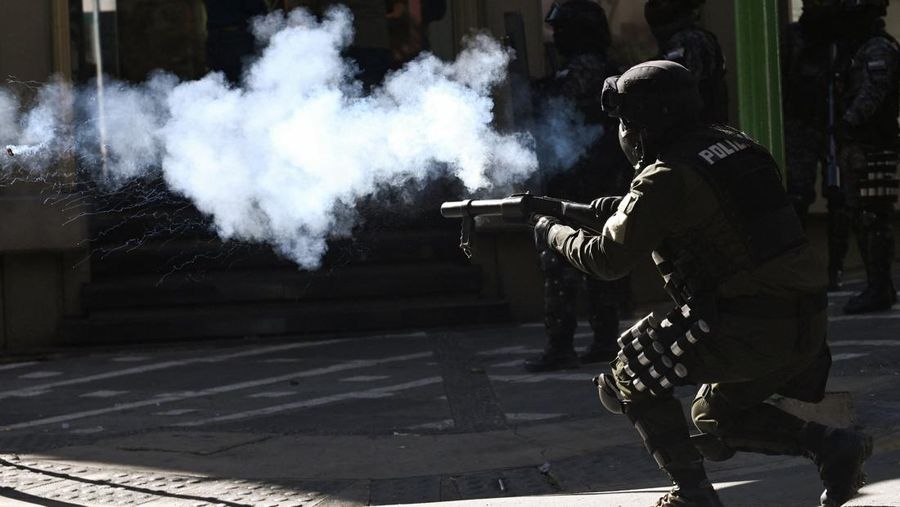
President Rodrigo Paz’s government finds itself in an unenviable position, navigating a multifaceted crisis with dwindling public trust. His administration has consistently appealed for calm and dialogue, yet its actions, particularly the deployment of riot police to confront demonstrators, have often been perceived as heavy-handed, further inflaming tensions. Paz inherited a country already prone to political volatility and economic fragility, and his tenure has been marked by a struggle to balance fiscal responsibility with social demands.
In response to the fuel crisis, the government has attempted to negotiate emergency fuel imports and has promised to crack down on black-market activities. However, these measures have largely failed to alleviate the shortages or quell public anger. Regarding the agrarian policies, the administration has defended them as necessary for economic development and food security, rejecting claims of marginalization and promising future consultations. However, these assurances have done little to placate the aggrieved communities.
The government has also been vocal in denouncing Evo Morales’s actions, characterizing his involvement as an attempt to destabilize the country for personal political gain. Authorities have reiterated the validity of the arrest warrant against Morales, suggesting that his march is not merely a peaceful protest but a direct defiance of the law. This stance, however, risks polarizing the nation further, alienating those who view Morales as a legitimate political leader and a voice for the disenfranchised.
Humanitarian and Economic Fallout
The widespread road blockades and national strikes have had severe humanitarian and economic consequences. Supply chains for essential goods, including food, medicine, and construction materials, have been severely disrupted, leading to shortages and price hikes in many regions. Hospitals are reporting difficulties in receiving medical supplies, and transportation of patients, especially in emergencies, has become a logistical nightmare. Small businesses are bearing the brunt of the economic paralysis, with many facing closure due to lack of customers and supplies.
The agricultural sector, a vital component of Bolivia’s economy, is also suffering immensely. Farmers are unable to transport their produce to markets, leading to significant losses and concerns about future food security. The educational system has been severely impacted by the teacher strikes, leaving thousands of students out of classrooms and exacerbating existing inequalities in access to education. The social fabric of communities is fraying under the strain of prolonged uncertainty and hardship.
Regional and International Implications
Bolivia’s deepening crisis is not isolated. Its instability carries potential regional implications, particularly for neighboring countries that share borders and trade routes. Disruptions to trade, cross-border movements, and potential refugee flows could become concerns for nations like Peru, Brazil, Argentina, and Chile. International organizations and regional bodies, such as the Organization of American States (OAS) and UNASUR, are likely monitoring the situation closely, possibly issuing statements urging for dialogue and a peaceful resolution. There could also be concerns from international investors, leading to capital flight and further exacerbating Bolivia’s economic woes.
The Path Forward: Uncertain Future
As Bolivia enters a critical phase of its ongoing crisis, the path forward remains fraught with uncertainty. President Paz faces immense pressure to find a resolution that addresses the economic grievances of the populace while maintaining political stability and upholding the rule of law. The active involvement of Evo Morales, with his substantial popular support and willingness to challenge the incumbent government, adds a layer of complexity that makes a quick or easy solution unlikely.
The current unrest highlights the deep-seated divisions within Bolivian society – economic, political, and ethnic. Any sustainable resolution will require genuine dialogue and compromise from all parties involved, a task made increasingly difficult by the high stakes and historical grievances at play. Without a clear pathway to address the fundamental issues of economic hardship and political representation, Bolivia risks plunging into prolonged instability, with potentially severe and lasting consequences for its people and its democratic institutions. The world watches anxiously as this resource-rich nation navigates one of the most challenging periods in its recent history.