Hadi Wijaya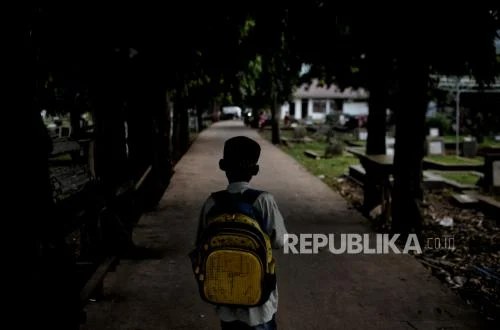
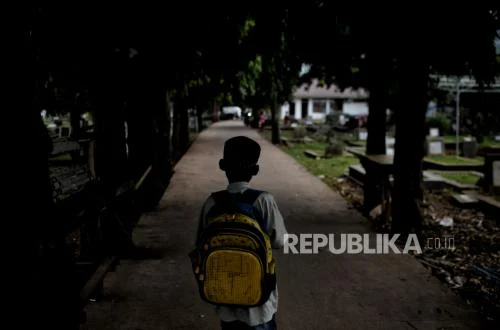
The escalating concerns surrounding child safety in Indonesia have prompted experts to call for a more robust and integrated communication framework between educational institutions and families. Dr. Y Bagus Wismanto, a prominent psychologist and the former Rector of Unika Soegijapranata, has emphasized that the primary defense against the rising threat of child abduction lies in the clarity of roles and the strength of the dialogue between schools and parents. Speaking in Semarang, Central Java, Wismanto underscored that the prevention of such crimes cannot be the sole responsibility of one party but must instead be a collaborative effort rooted in mutual understanding of rights and obligations. This call to action comes at a critical juncture as several regions across the archipelago, including the metropolitan area of Semarang, have reported a worrying trend in attempted and successful kidnappings.
The fundamental challenge in child protection within the school environment often stems from a lack of defined boundaries regarding supervision. Wismanto points out that while schools serve as a sanctuary and a place of learning during official hours, their responsibility is naturally confined to the physical and temporal limits of the school day. Consequently, the transition periods—specifically the arrival and dismissal times—become the most vulnerable windows for criminal activity. For schools to effectively safeguard their students, they must establish transparent protocols with parents regarding who is authorized to collect a child and how changes in routine are communicated. This synergy ensures that the child is never left in a "gray zone" of supervision where opportunists might strike.
The Statistical Reality of Child Abduction in Indonesia
To understand the urgency of Wismanto’s warning, one must look at the data provided by the Ministry of Women’s Empowerment and Child Protection (KPPPA). The figures reveal a staggering upward trajectory in reported cases. In 2022, Indonesia recorded 28 confirmed cases of child abduction, a sharp increase from the 15 cases reported in 2021. While these numbers represent the officially documented incidents, child protection advocates fear that the actual number of attempts and unreported cases could be significantly higher.
The motivations behind these crimes are multifaceted, yet economic gain remains the dominant driver. Wismanto notes that in many instances, children are targeted for ransom or, more alarmingly, for trafficking purposes. The vulnerability of children, combined with the relative ease of approaching them in public or semi-public spaces, makes them "soft targets" for individuals driven by financial desperation or organized criminal intent. This economic motivation underscores the need for a community-wide vigilance that extends beyond the gates of the family home.
The Psychological Scars and Long-term Impact
Beyond the immediate physical danger, the psychological toll of abduction on a child is profound and potentially permanent. Wismanto explains that the core of a child’s development is built upon a sense of security and trust in their environment. When a child is forcibly taken by a stranger, that foundation is shattered. The immediate aftermath of such an event is characterized by acute trauma, where the child feels a pervasive sense of insecurity.
The recovery process is arduous. "For the recovery of the victim, it is done by restoring that sense of security by the parents," Wismanto stated. This restoration involves not just physical proximity but a consistent emotional reassurance that the world can once again be a safe place. However, the damage often extends into the child’s future social relations. A victim of abduction may struggle with chronic anxiety, difficulty forming trusting relationships, and an overactive fear response when interacting with new people. If not addressed through professional psychological intervention and stable parental support, these "scars of the past" can dictate the individual’s social trajectory well into adulthood, manifesting as social withdrawal or a permanent inability to feel safe in public spaces.
Defining the Roles: Schools as Partners, Not Sole Guardians
A recurring theme in Wismanto’s analysis is the distinction between educational assistance and primary guardianship. He asserts that parents cannot simply "delegate" the entirety of their child’s safety to the school system. Before a child reaches the age of legal and cognitive maturity, the parents remain the primary stakeholders in their growth and protection. This includes the responsibility of educating the child on personal safety and situational awareness.
Schools, on the other hand, must act as proactive facilitators of this safety. This includes:
- Verification Systems: Implementing strict "pick-up" policies where only registered guardians with valid identification are permitted to take a child from the premises.
- Immediate Reporting: Establishing a direct line of communication (such as dedicated messaging groups or mobile applications) to alert parents if a child does not arrive at school or if a suspicious individual is spotted near the campus.
- Safety Education: Incorporating "stranger danger" and personal boundary lessons into the curriculum in a way that empowers children without causing unnecessary panic.
Chronology of Risk: Identifying Vulnerable Moments
The typical chronology of an abduction often begins with a period of "grooming" or observation. Criminals frequently monitor school dismissal times to identify children who are left unattended or whose parents are habitually late. In Semarang and other urban centers, the period between 12:00 PM and 3:00 PM—when many elementary schools finish their sessions—is identified as a high-risk window.
During this time, the "responsibility gap" occurs. If a parent is delayed in traffic and the school staff has moved on to other duties, the child may wander outside the gates. Wismanto emphasizes that parents and the extended family—including grandparents and adult relatives—must be involved in the supervision chain. The presence of a trusted adult is the single most effective deterrent to an opportunistic kidnapper.
The Role of Technology and Social Media
While not explicitly detailed in the original report, the broader context of child abduction in the modern era involves the dual-edged sword of technology. In Indonesia, social media has become a primary tool for both the spread of warnings and, unfortunately, the dissemination of hoaxes. Panic often spreads through WhatsApp groups regarding "kidnappers disguised as beggars or street vendors." While some reports are factual, the prevalence of misinformation can lead to "warning fatigue," where parents become desensitized to real threats.
Professional analysis suggests that schools should serve as the "clearinghouse" for verified information. By maintaining an official communication channel, schools can debunk rumors and provide parents with factual updates, thereby preventing community hysteria while maintaining a high state of alertness. Furthermore, the digital footprint of children—often shared by parents on public social media profiles—can provide kidnappers with sensitive information regarding the child’s location, school, and daily routine. Experts recommend that part of the "parent-school communication" should involve digital literacy and the protection of a child’s privacy online.
Institutional Responses and Legal Frameworks
The Indonesian government, through the KPPPA and the National Police (Polri), has responded to the surge in cases by calling for the reactivation of "Child-Friendly Schools" (Sekolah Ramah Anak). This initiative focuses not just on the quality of education but on the physical and psychological safety of the environment. Under Law No. 35 of 2014 on Child Protection, the state, local governments, and schools are legally mandated to provide protection to children while in the educational environment.
However, legal experts argue that legislation alone is insufficient without local enforcement. In Semarang, local authorities have encouraged neighborhoods to revitalize the "Siskamling" (Community Night Watch) and apply it to daytime hours near schools. The goal is to create a "surround sound" of security where every adult in the vicinity of a school feels a collective responsibility to watch over the students.
Conclusion: A Path Toward Sustainable Safety
The insights provided by Dr. Y Bagus Wismanto serve as a vital reminder that the safety of the next generation depends on the strength of the adult networks surrounding them. The surge from 15 to 28 cases in a single year is more than a statistic; it is a signal that the traditional methods of child supervision are being tested by new economic and social pressures.
To mitigate these risks, the strategy must be twofold. First, there must be a technical tightening of school security protocols and parental supervision. Second, there must be a psychological commitment to rebuilding the "sense of security" that Wismanto identifies as the cornerstone of a healthy childhood. By fostering a culture of open, honest, and frequent communication, schools and parents can ensure that children are protected not just by walls and gates, but by a vigilant and informed community. The goal is to move beyond reactive fear and toward a proactive, synchronized system of protection that leaves no room for those who seek to exploit the most vulnerable members of society.