Lusiana Hamidun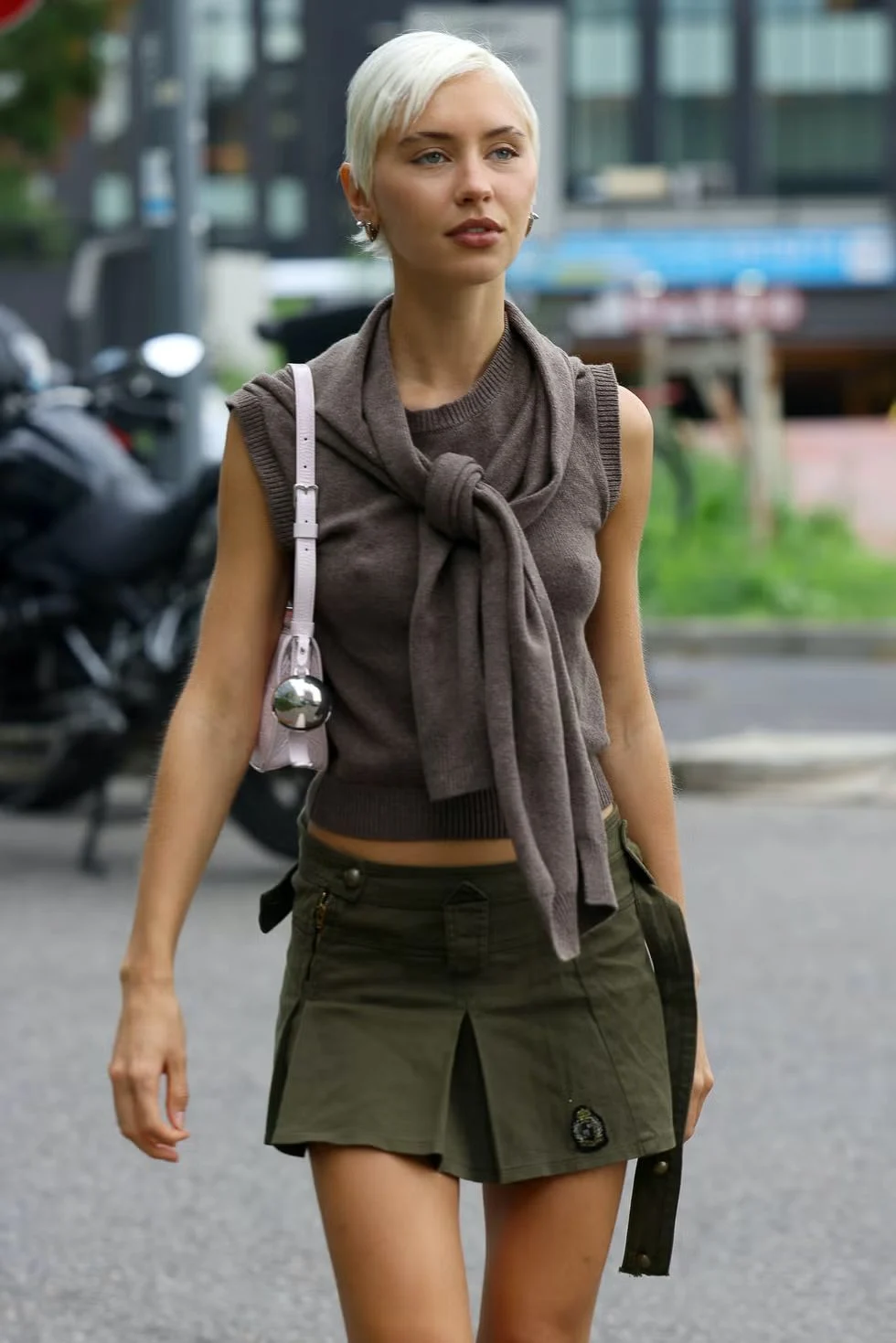
The pixie haircut, a style that has graced the silver screen and red carpets for decades, is experiencing a vibrant resurgence, evolving into a softer, more adaptable iteration that champions natural texture and effortless chic. Popularized by Audrey Hepburn’s iconic portrayal in Roman Holiday, the pixie cut has undergone numerous transformations since its inception. The daring, mod-inspired pixies of the 1960s, championed by Twiggy, symbolized youth rebellion and a departure from conventional beauty standards. This was followed by the distinctive gamine style of the late Princess Diana, which became intrinsically linked to her royal persona. By the 1990s, figures like Sienna Miller and Halle Berry brought a more nuanced, textured approach to the pixie, laying the groundwork for its contemporary appeal.
The current iteration of the pixie cut reflects a broader trend towards hairstyles that are perceived as natural, relaxed, and easy to maintain. This modern take prioritizes soft definition, adaptable layers, and an overall emphasis on hair health. Celebrities such as Zoë Kravitz, Florence Pugh, and Gracie Abrams have embraced this evolution, many transitioning from shoulder-length bobs to softer pixies featuring natural layers that artfully frame the face. This shift underscores a growing desire for low-maintenance yet stylish hair solutions in an increasingly fast-paced world. The enduring appeal of the pixie cut lies in its inherent versatility and its ability to convey a sense of confidence and individuality.
The Evolution of the Pixie: From Rebellion to Refinement
The journey of the pixie cut is a fascinating reflection of changing societal norms and fashion trends. Its early adopters were often seen as avant-garde, pushing the boundaries of conventional femininity. Audrey Hepburn’s pixie in Roman Holiday (1953) was a sophisticated yet playful departure from the longer, more ornate hairstyles of the era, projecting an image of youthful exuberance and independence. This early iteration set a precedent for the pixie as a symbol of liberation and a break from tradition.
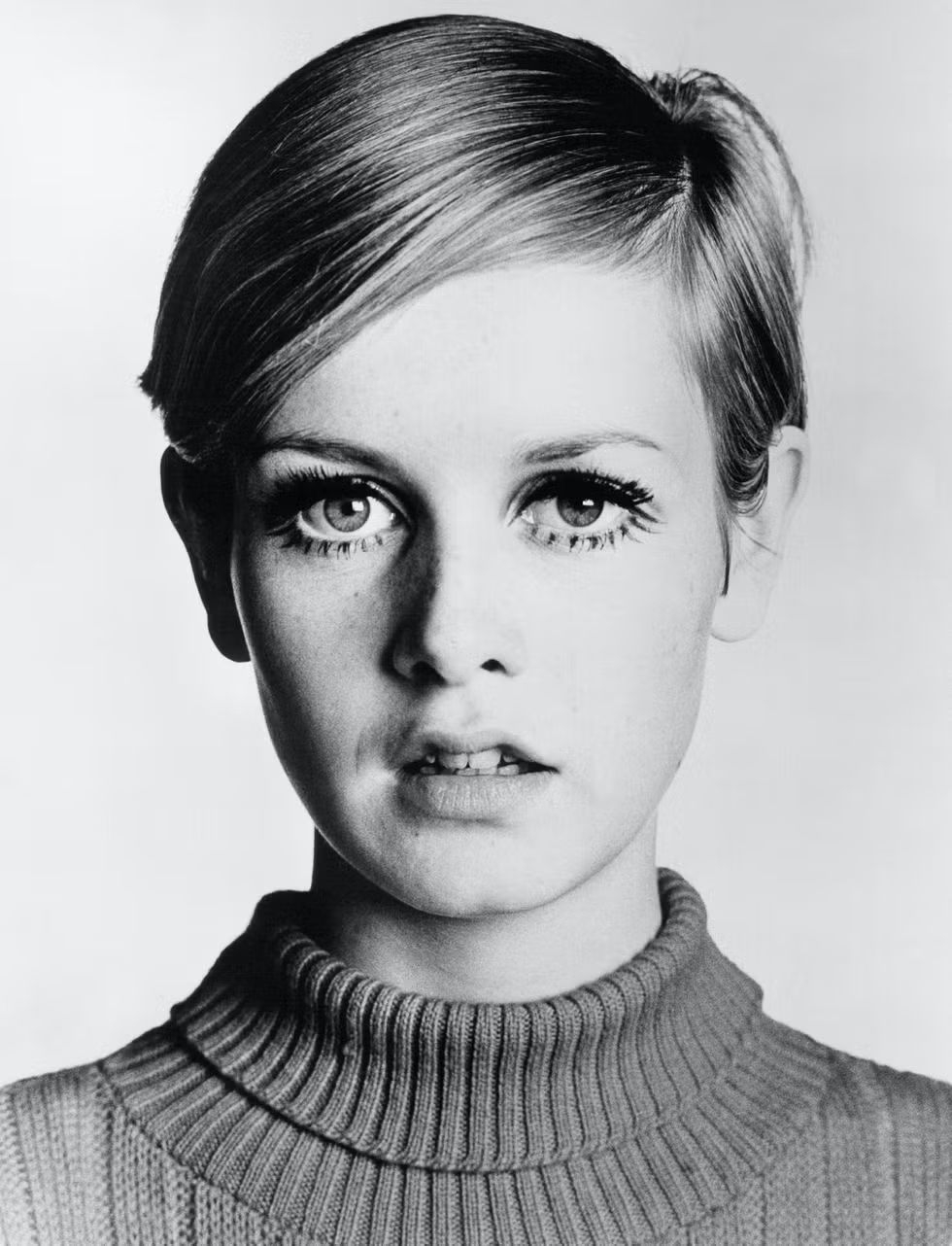
The 1960s witnessed a more radical embrace of the pixie. Twiggy, the quintessential mod icon, popularized a razor-sharp, boyish pixie that perfectly encapsulated the era’s spirit of youth culture, pop art, and a burgeoning sense of freedom. This style was not just a haircut; it was a statement of defiance and a rejection of the more conservative aesthetics of previous decades. The widespread adoption of this look by young women indicated a significant cultural shift, with hair becoming a powerful tool for self-expression and identity formation.
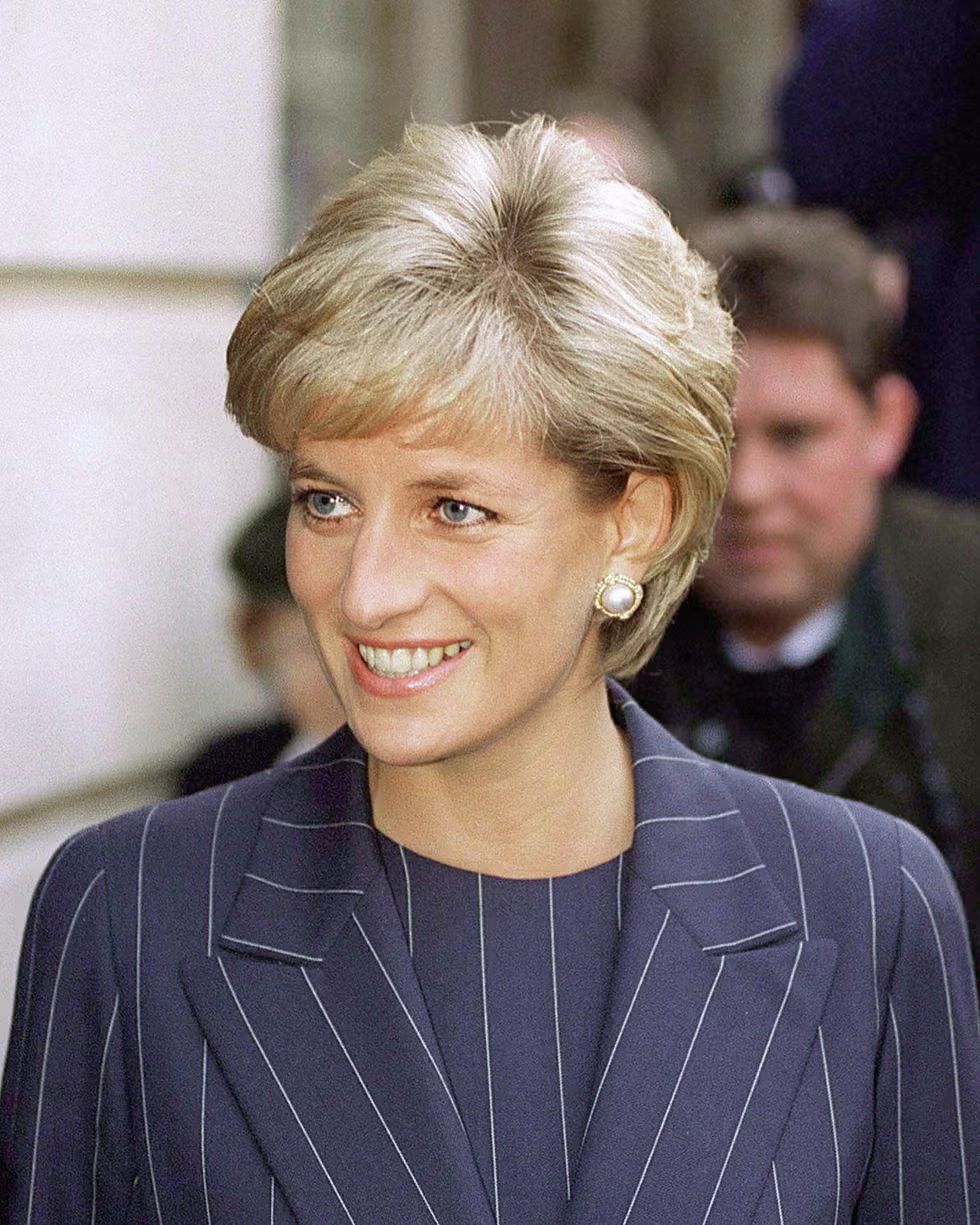
Princess Diana, a global style icon, later brought a softer, more regal dimension to short hair. Her elegant, layered pixie, often styled with a subtle volume at the crown, became a signature element of her personal style. This version of the pixie demonstrated its adaptability, proving that short hair could be both sophisticated and approachable, resonating with a wider audience and solidifying its place in mainstream fashion.
The 1990s saw the pixie evolve further, with celebrities like Halle Berry and Sienna Miller showcasing a more textured and often asymmetric approach. These styles retained the inherent boldness of the pixie but incorporated elements of casualness and a touch of edginess. This era marked a transition towards styles that were less about a singular, stark silhouette and more about embracing natural hair texture and movement, paving the way for the current "soft pixie" trend.
Defining the "Soft Pixie": A Modern Interpretation
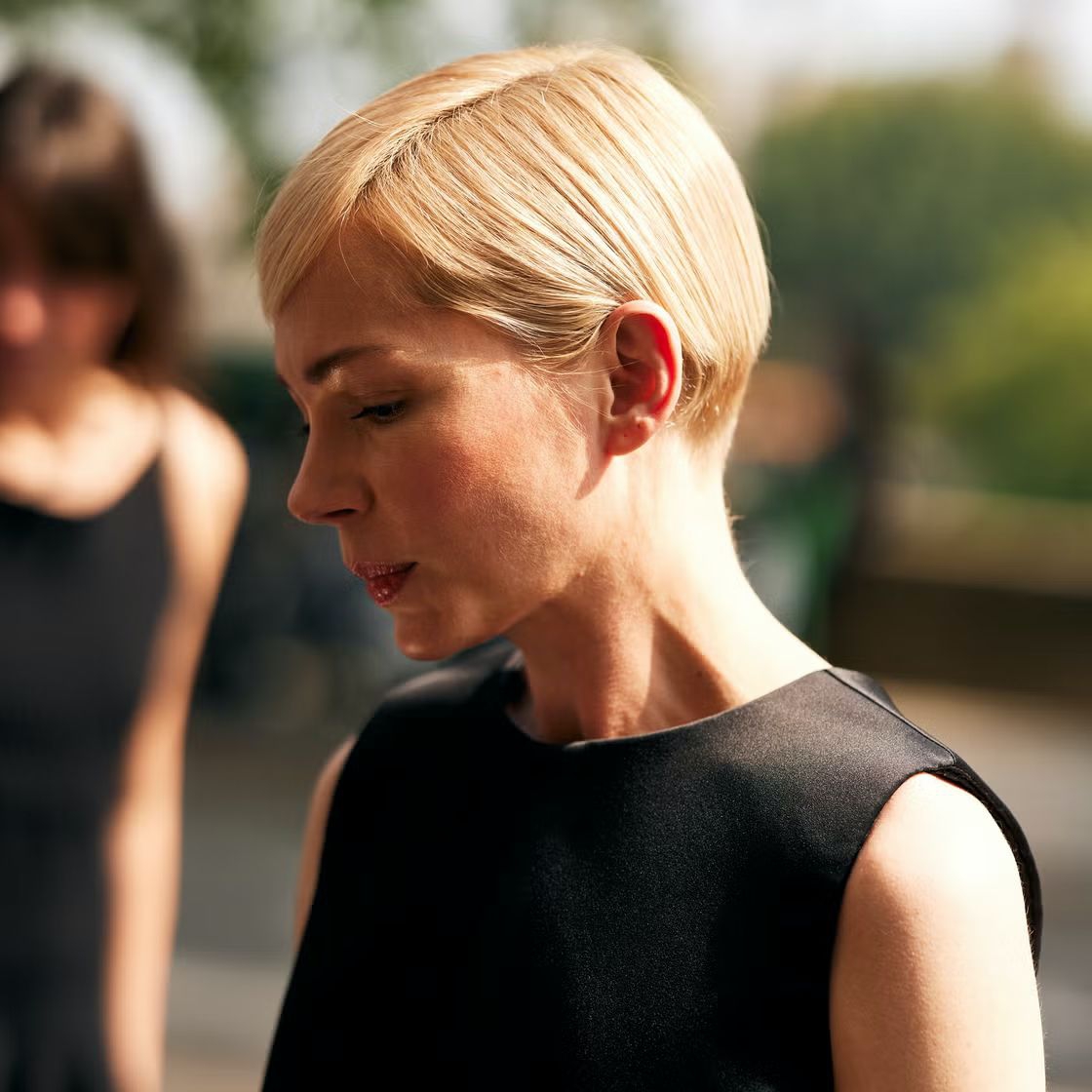
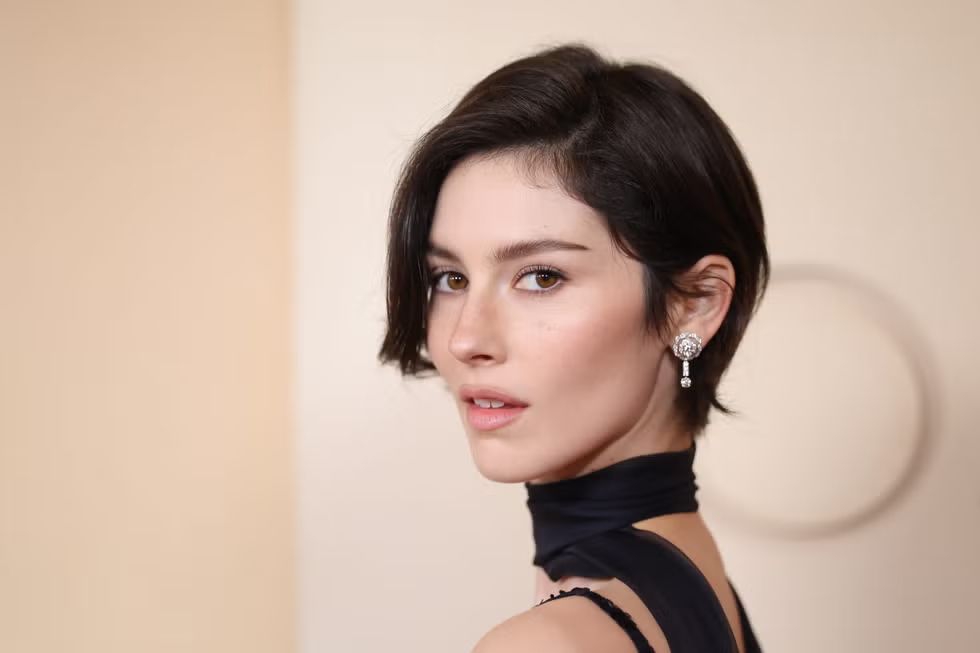
The contemporary "soft pixie" is characterized by its relaxed demeanor, emphasizing gentle lines, subtle texturizing, and a focus on enhancing natural hair movement. Unlike its sharper predecessors, the soft pixie features softer edges, longer layers, and a less sculpted appearance. "A soft pixie is a more relaxed, longer version of the classic pixie cut," explains Eugene Smith, a senior hairstylist at John Frieda Salon. "It still has the cropped sides and back, but with softer edges, longer layers, and more movement. It’s not as severe. It’s looser and looks more natural."
This emphasis on naturalism aligns with the broader beauty landscape’s move towards authenticity and ease. In an age where image curation is prevalent, hairstyles that appear effortlessly chic and require minimal styling are highly sought after. The soft pixie embodies this ideal, offering a stylish alternative to longer cuts without the commitment to high-maintenance styling.
The Resurgence: Why Now?
Eugene Smith attributes the current revival of the soft pixie to a collective desire for simpler, cooler, and more manageable hairstyles. This shift is particularly noticeable when considering the trajectory of other popular cuts. The bob, once considered a daring choice often confined to runway models, has become one of the most ubiquitous hairstyles of recent years, spawning countless variations. The pixie, in its softer form, offers a similarly bold yet accessible statement for those seeking a significant change.
The appeal of the soft pixie also lies in its perceived ease of care, although this requires some clarification. While the cut itself is designed for low maintenance in terms of daily styling, it does necessitate regular salon visits to retain its shape and form. "You need to visit the salon for trims every five to seven weeks to keep the shape," Smith advises. This commitment to regular maintenance ensures that the cut continues to flatter and maintain its intended aesthetic. The rise of the soft pixie can also be linked to a growing appreciation for personal style that prioritizes comfort and individuality over rigid adherence to trends.
Styling the Soft Pixie for Every Hair Type
The versatility of the soft pixie extends to its adaptability across various hair textures. The key lies in understanding how to work with, rather than against, your natural hair.
For Straight Hair:
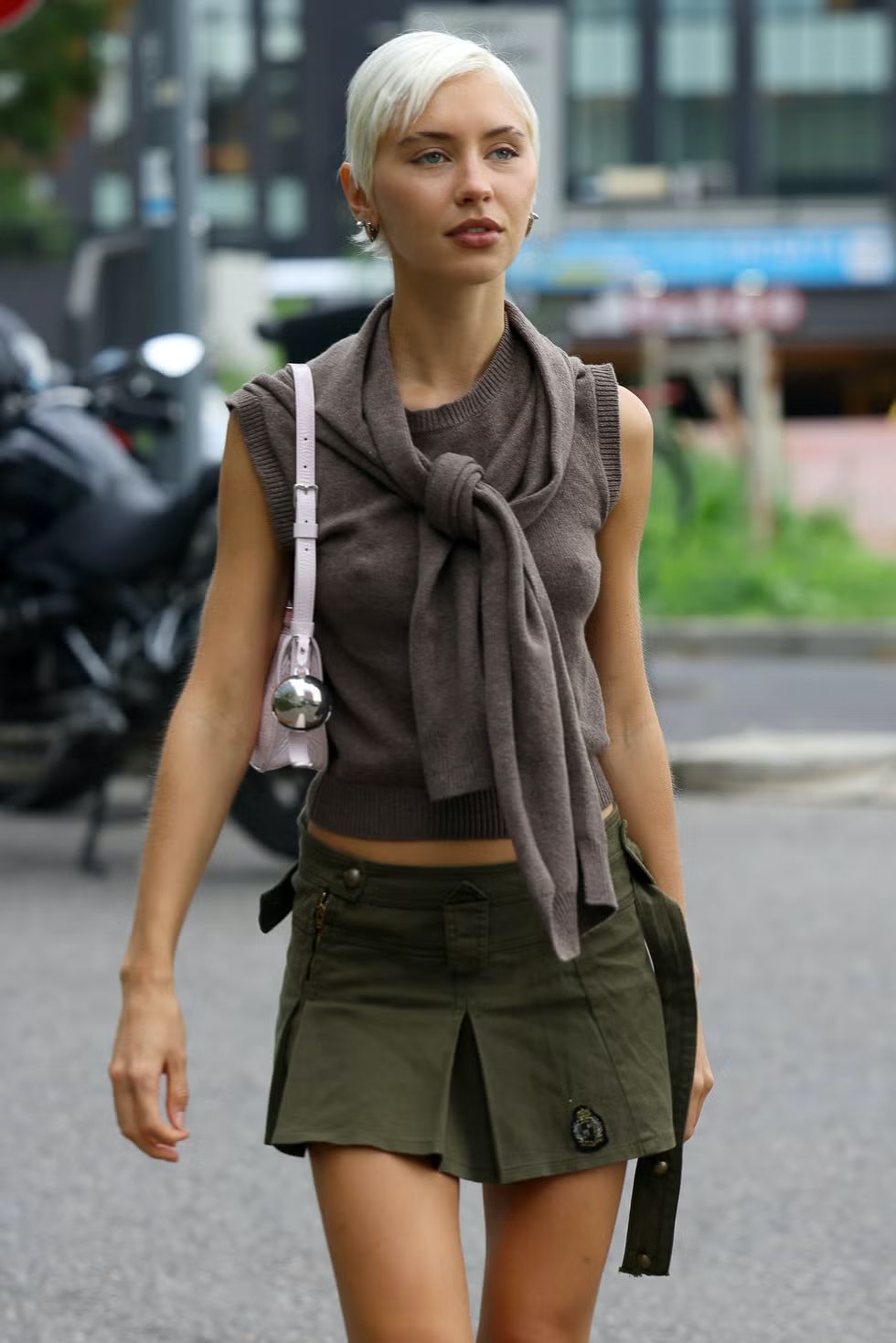
For those with straight hair, the focus is on creating texture and adding definition. "Scrunch, twist, and ‘manipulate’ your hair to create texture," suggests Smith. "Tuck it behind your ears for a chic French-girl vibe, as seen on Iris Law." This approach involves using styling products like texturizing sprays or light waxes to add grit and dimension, preventing the hair from looking too sleek or flat. The act of tucking the hair behind the ears can add a subtle asymmetry and a polished finish, reminiscent of effortless Parisian style.
For Wavy Hair:
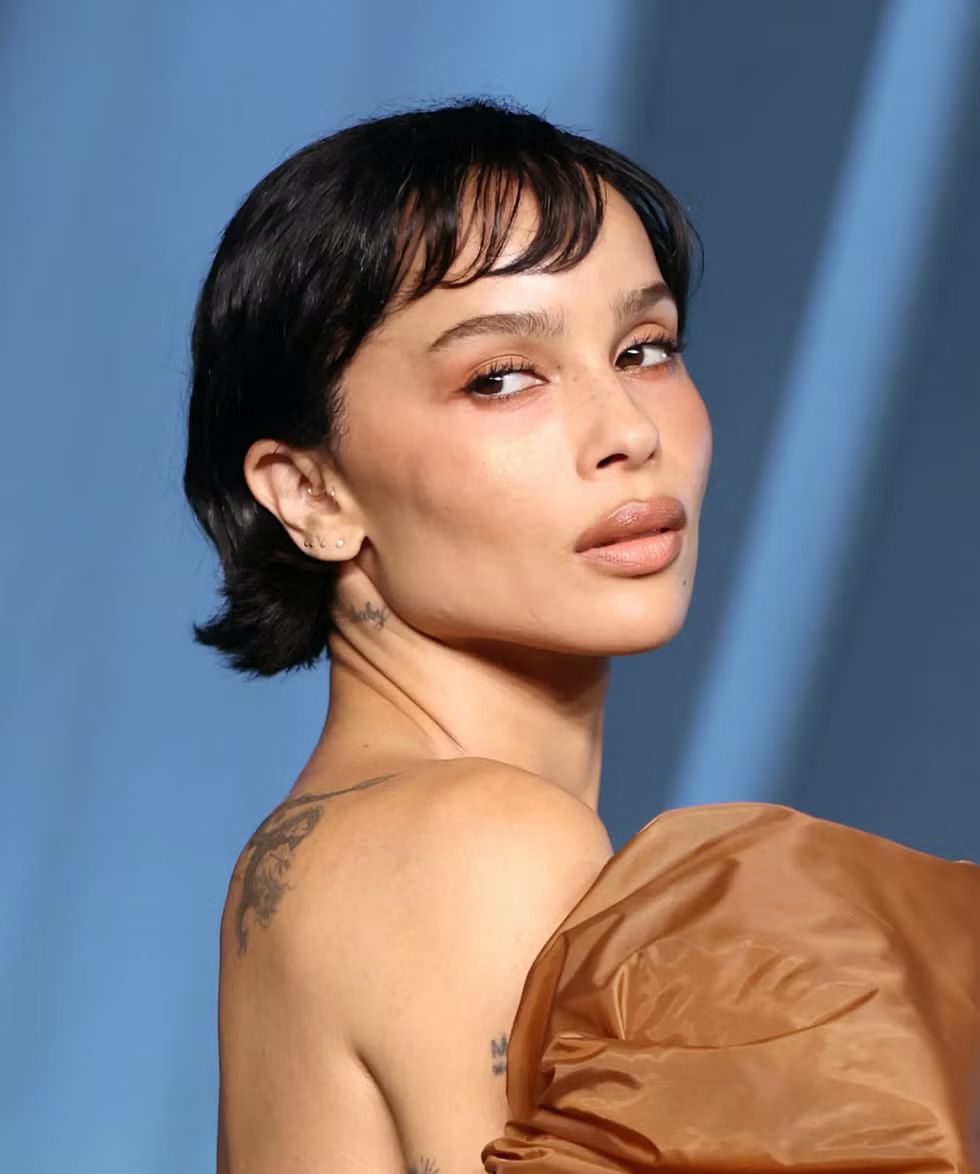
Wavy hair is naturally suited to the soft pixie, as its inherent texture lends itself to a relaxed aesthetic. "Let your waves fall naturally. Apply a curl-enhancing cream and let it air dry for a more relaxed result, like Zoë Kravitz," advises Smith. Curl-enhancing creams help to define the natural wave pattern without creating stiffness. Air-drying is crucial for maintaining a natural, undone look, allowing the waves to form organically. This approach minimizes the need for heat styling, further contributing to the low-maintenance appeal.
For Curly Hair:
Curly hair can beautifully embrace the soft pixie, with the cut designed to enhance the natural curl pattern. "Use a light curl cream or mousse to shape your curls. Let your hair air dry or gently dry it with a diffuser to create volume at the crown, as seen on Logan Browning," recommends Smith. For curly textures, the goal is to define the curls while maintaining their bounce and avoiding frizz. Lightweight creams and mousses are essential for this. Using a diffuser on a low heat and speed setting helps to encourage volume at the root and throughout the crown, preventing the hair from looking weighed down.
For Fine Hair:
Fine hair can benefit from the illusion of volume and texture that a well-executed soft pixie can provide. "Add a root-boosting spray or a light wax to give more volume, as seen on Emma Stone," suggests Smith. Root-boosting sprays applied at the scalp can lift the hair, creating an appearance of greater density. Light waxes or texturizing pomades can be used to add definition and hold to the ends, making the hair appear fuller. Strategic layering within the cut can also play a crucial role in creating the illusion of thickness.
For Thick Hair:
Thick hair can sometimes pose a challenge for shorter cuts, but the soft pixie is adaptable. "Your haircut should have plenty of layers on top to keep the hair looking neat. Use styling products like creams or pomades to keep the shape controlled. Thick hair holds texture beautifully, so you can style it with a slightly tousled look for a natural finish," explains Smith. The key for thick hair is strategic layering to remove excess weight and allow for easier styling. Products like creams or pomades can help to control and define the hair, while embracing a slightly messy finish can enhance the natural texture and movement inherent in thicker strands.
The Universal Appeal: Soft Pixie and Face Shapes
A significant advantage of the soft pixie is its adaptability to virtually all face shapes. The "soft" aspect of the cut allows for considerable customization. "A pixie just needs to be adjusted," Smith states. "Round faces can have a little more height on top, square faces can opt for softer bangs to balance the angles, while heart-shaped faces can add longer layers around the sides."
- Round Faces: To add definition and elongate a round face, stylists can incorporate more volume at the crown and through the top layers of the pixie. This creates an upward visual line, drawing attention away from the width of the face.
- Square Faces: For individuals with strong, angular jawlines, soft, wispy bangs or side-swept layers can help to soften the facial features and create a more balanced appearance. The gentle lines of the soft pixie complement the natural structure without clashing with it.
- Heart-Shaped Faces: With a wider forehead and narrower chin, heart-shaped faces can benefit from longer layers around the sides of the pixie cut. These layers can add width to the lower part of the face, creating a more harmonious proportion.
- Oval Faces: Often considered the "ideal" face shape, oval faces are highly versatile and can carry off almost any variation of the soft pixie with ease.
The success of the soft pixie lies in its ability to be tailored to individual needs, ensuring that the cut enhances rather than detracts from one’s natural features. This personalized approach is a hallmark of modern hairstyling, where individuality and adaptability are paramount.
Broader Implications and Future Trends
The enduring popularity of the soft pixie signals a broader cultural shift towards embracing natural beauty and prioritizing self-care through accessible and stylish solutions. As individuals navigate increasingly demanding lifestyles, hairstyles that offer both aesthetic appeal and practicality are highly valued. The soft pixie, with its inherent versatility and adaptable nature, perfectly embodies this trend.
Looking ahead, it is likely that the soft pixie will continue to evolve, with further emphasis on personalized styling and integration of new techniques. The trend’s focus on hair health and natural texture suggests a move away from overly processed or rigidly structured styles. As technology in hair care advances, we may see innovative products and styling tools emerge that further enhance the ease and adaptability of this timeless cut. The soft pixie is not merely a hairstyle; it is a testament to the enduring power of classic design reimagined for the contemporary world, offering a blend of confidence, individuality, and effortless style.