Lusiana Hamidun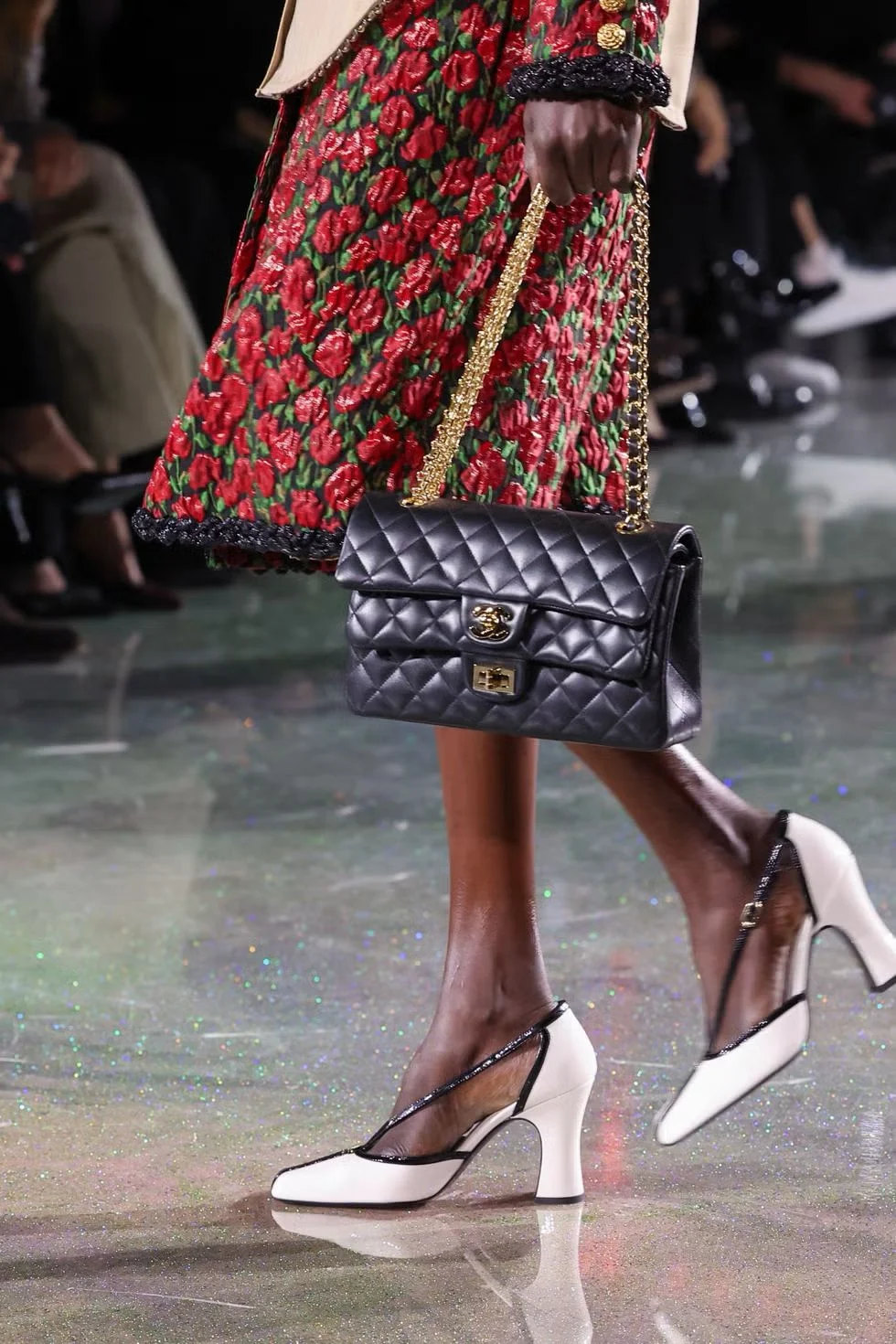
The fashion landscape for Spring/Summer 2026 is witnessing a significant resurgence of the block heel, a footwear choice that artfully balances enduring style with undeniable practicality. This shift away from more delicate or overtly trend-driven styles is not merely a cyclical return, but a considered embrace of comfort and versatility, a sentiment echoed by designers and industry insiders alike. While some might attribute this trend to lingering effects from recent fashion weeks, the underlying appeal appears to stem from a more fundamental desire for footwear that allows for confident movement without compromising on aesthetic appeal.
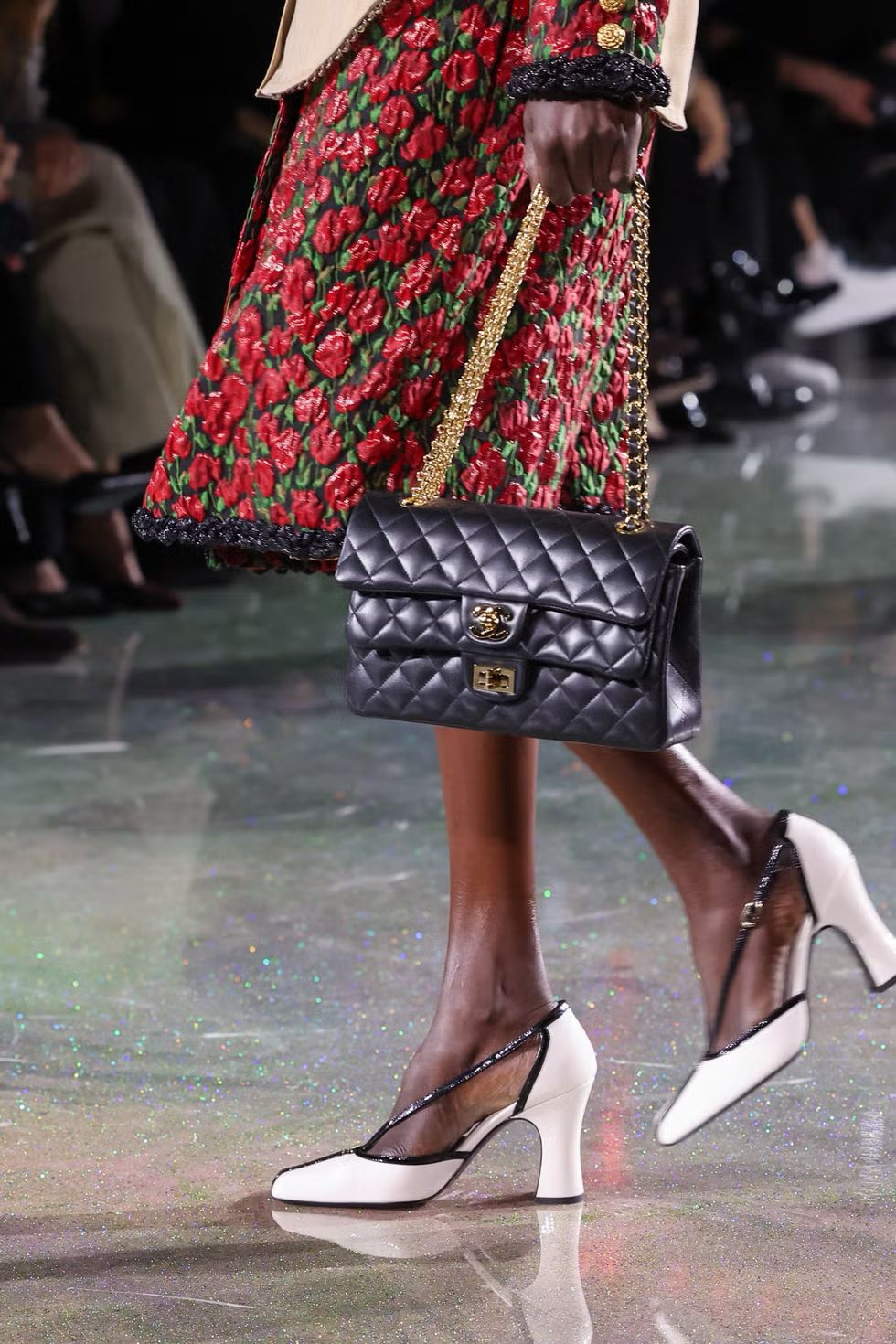
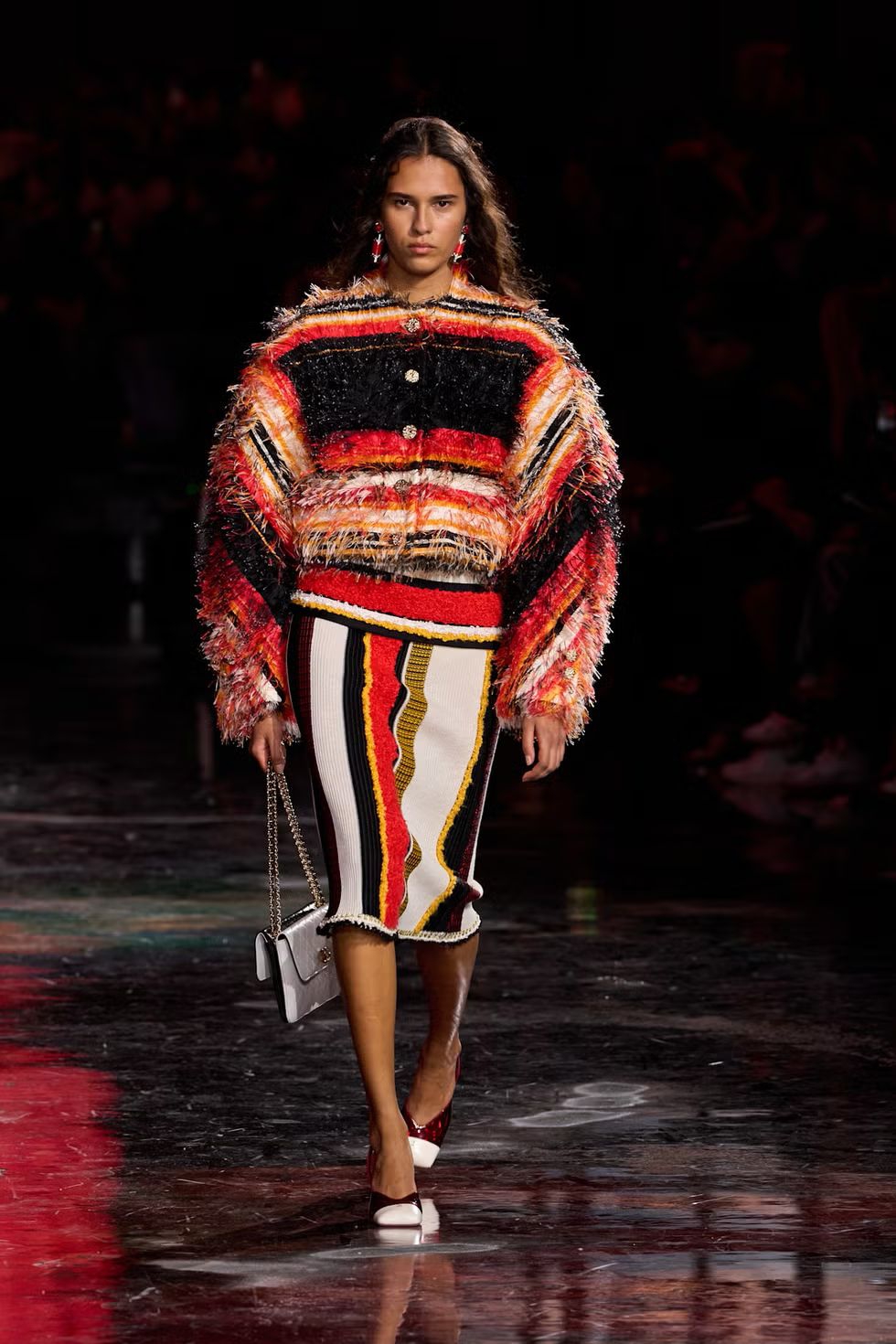
The runways of Spring/Summer 2026 have underscored this evolution. At Chanel, under the creative direction of Matthieu Blazy, classic block heels and pumps were reimagined with vibrant, unexpected color palettes, placing them at the forefront of editorial wish lists. This is not to say that the diminutive kitten heel has lost its charm; rather, its more robust sibling, the block heel, is experiencing a powerful comeback, solidifying its status as a must-have item. This renewed popularity suggests a broader industry-wide pivot towards footwear that serves both form and function, a stark contrast to eras dominated by sky-high stilettos or fleeting, impractical trends.
A Refined Silhouette: Evolution of the Block Heel
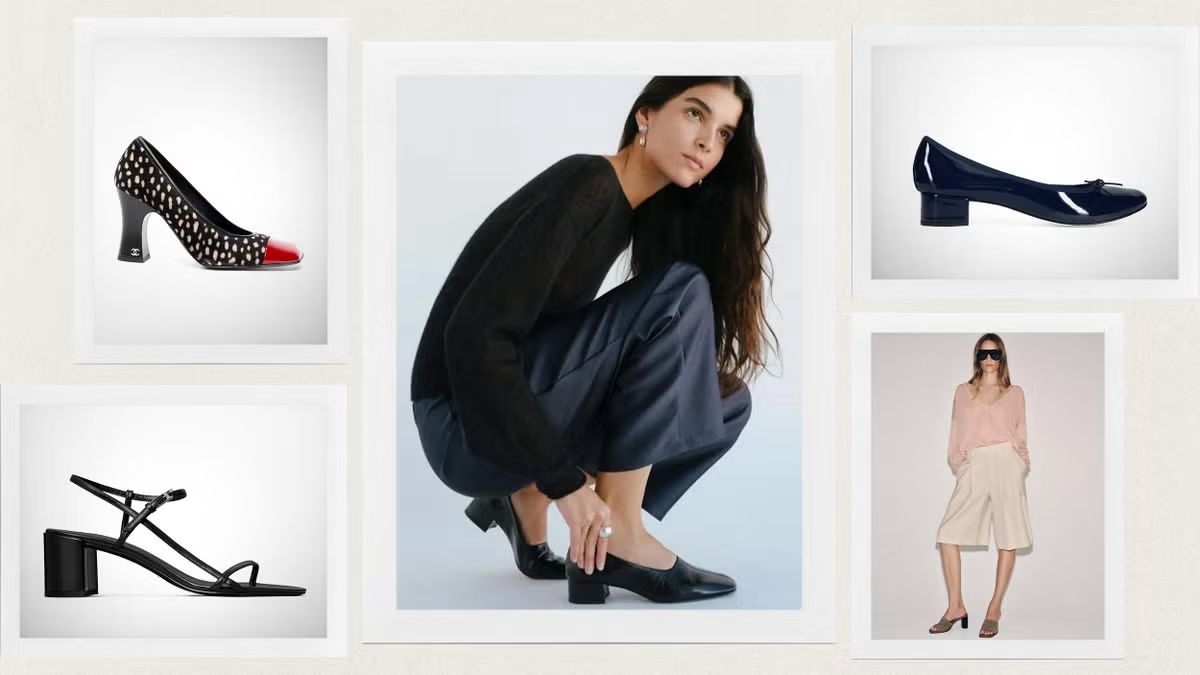
The contemporary iteration of the block heel distinguishes itself from its predecessors, particularly from the late 2010s, where the silhouette often leaned towards a more robust and occasionally chunky aesthetic. Caroline Maguire, Senior Fashion Director at Shopbop, observes a distinct evolution: "Designers are truly experimenting with materials, incorporating new textures and introducing more refined finishes that make the shoe feel less casual than previous versions. If you recall their last big moment in the late 2010s, block heels tended to be thicker, often paired with platforms, heavier hardware, or suede. This time around, the shapes and proportions feel far more streamlined and considered, offering a fresh and modern take."
This emphasis on a sleeker profile and thoughtful design elevates the block heel from a purely utilitarian option to a sophisticated fashion statement. While traditional high heels and flat shoes often convey a more formal impression, the versatility of modern block heels is exemplified by offerings like Chanel’s lambskin pumps. These, with their subtle yet distinctive patterns, prove to be remarkably adaptable, seamlessly transitioning from a casual pairing with a V-neck t-shirt and jeans to a more elegant ensemble with a lace-trimmed slip dress and layered necklaces. This adaptability is a key factor in their widespread appeal.
The Comfort Imperative: Stability Meets Style
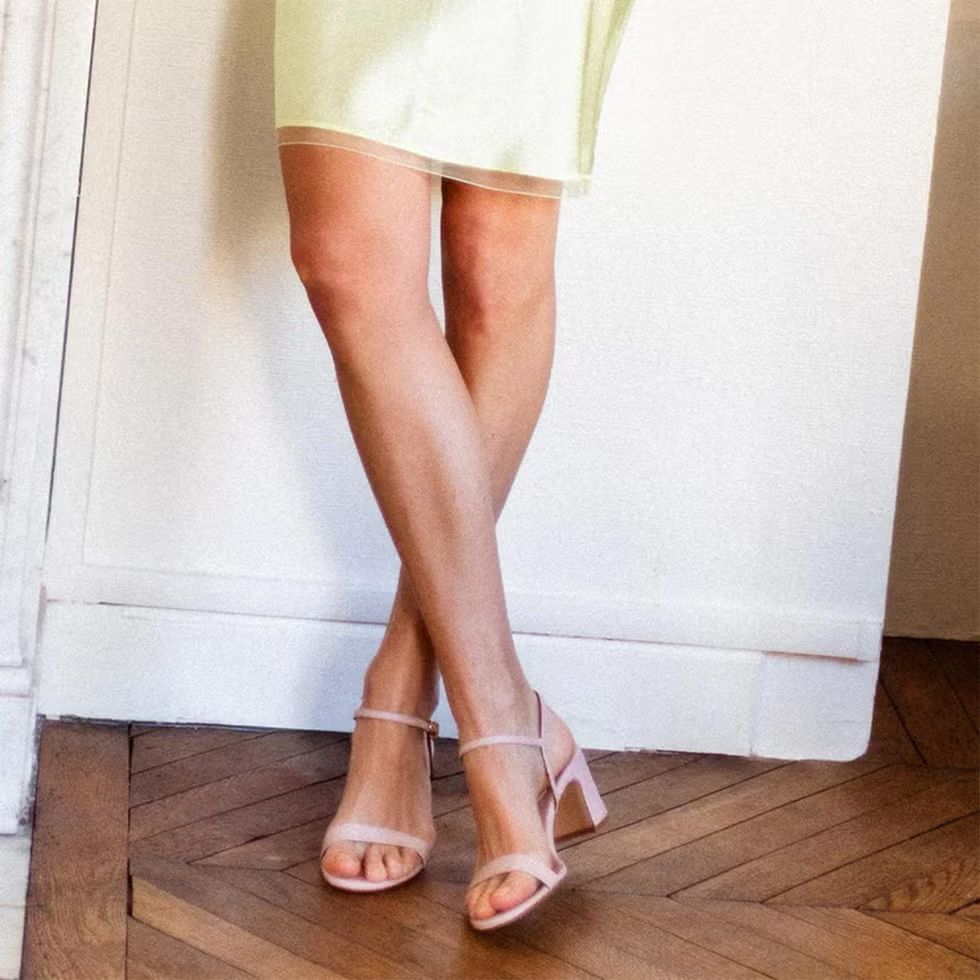
At its core, the block heel’s enduring appeal lies in its inherent comfort. By distributing weight evenly across both the forefoot and heel, these shoes offer a stable and supportive foundation that is conducive to prolonged wear. Sarah Pierson, co-founder of Margaux, a brand known for its commitment to comfort and craftsmanship, articulates this advantage: "There’s no heel more comfortable than a block heel. With a height that’s comfortable for walking, they offer stability and support that is genuinely wearable all day long. And when executed thoughtfully, with an interesting angle or shape, they can also add a statement-making element."
This sentiment is reflected in the consistent success of Margaux’s Cleo sandal, a deceptively simple yet elegant block heel that has remained a top seller since its launch in early 2025. Available in supple nappa leather and satin finishes, and offered in a palette of soft pastels, the Cleo sandal’s sustained popularity suggests that the desire for versatile, comfortable heels predates the current trend cycle. Pierson further notes, "Since its launch, demand for this style has remained consistently strong, perhaps indicating that the appeal of a versatile heel existed well before this current surge in popularity." This data point from a successful brand reinforces the idea that comfort-driven footwear is not a fleeting fad but a growing consumer priority.
A Nod to Retro, Rooted in Modernity
The resurgence of the block heel can also be understood within the broader context of contemporary fashion trends, particularly the ongoing fascination with retro aesthetics. Maguire elaborates on this connection: "I think block heels tap into this retro aesthetic trend while also being linked to a larger shift towards comfort and ease in how we dress. They give you height and structure, but with a practicality that makes them easy to incorporate into a Spring/Summer 2026 wardrobe." This confluence of vintage inspiration and a contemporary emphasis on ease of wear positions the block heel as an ideal footwear choice for the modern consumer.
The implications of this trend extend beyond mere aesthetics. In a professional setting, where footwear choices can significantly impact comfort and productivity, the block heel offers a compelling alternative. While sneakers or flats are often the default for long workdays, a well-chosen block heel can provide the necessary elevation and polish without sacrificing the ability to navigate the office or commute with ease. The added height can also contribute to a more confident and polished overall appearance, a subtle yet impactful enhancement to any ensemble.
Designer Adaptations and Emerging Brands
The enduring appeal of the block heel is evident in its adoption and reimagining by a diverse range of brands, from established luxury houses to emerging labels. Tory Burch has introduced its Gigi Heeled Sandals, while the Parisian footwear brand Nomasei offers its popular Sunday Morning Sandals, both showcasing the silhouette’s adaptability. These collections, alongside others from brands like Stuart Weitzman, J.Crew, Loeffler Randall, Zara, and Reformation, highlight the widespread integration of block heels into the seasonal offerings.
The design innovations are striking, with brands embracing eye-catching colors such as cool golds, vibrant fuchsias, and crisp whites. Textural play is also a prominent feature, with materials like snakeskin-embossed leather and lustrous silk satin adding a tactile and visual dimension. The distinctive heel shapes themselves often become a focal point, designed to be both visually appealing and comfortable enough to warrant continued wear throughout the day. This attention to detail ensures that the block heel remains a desirable item, from the moment it’s slipped on to the end of the evening.
The Broader Impact: A Shift Towards Considered Consumption
The sustained popularity of the block heel signals a larger shift in consumer priorities within the fashion industry. It reflects a move towards more considered purchases, where longevity, versatility, and comfort are valued alongside immediate trend appeal. This is particularly relevant in the context of a global economy where consumers are increasingly mindful of their purchasing decisions and the environmental impact of fast fashion.
The evolution of the block heel also speaks to a more inclusive approach to fashion. By offering a comfortable and stylish alternative to traditional high heels, brands are catering to a wider audience and acknowledging the diverse needs and preferences of modern consumers. This democratizing effect of fashion trends, where practical and comfortable options gain prominence, is a positive development that fosters a more accessible and enjoyable fashion landscape for all.
The ongoing success of brands like Margaux, whose entire ethos is built around comfortable yet stylish footwear, further validates this trend. Their consistent sales figures and customer loyalty suggest that the demand for well-crafted, comfortable heels is not a transient phenomenon but a fundamental aspect of contemporary dressing. As Pierson aptly summarizes, "There’s an undeniable appeal in total comfort. And that’s where the block heel comes in." This simple yet profound statement encapsulates the essence of the block heel’s resurgence and its promising future in the fashion lexicon of 2026 and beyond. The industry’s continued exploration and refinement of this classic silhouette indicate that the block heel is poised to remain a staple, embodying the perfect fusion of practicality, enduring style, and a touch of everyday glamour.