Azin Asro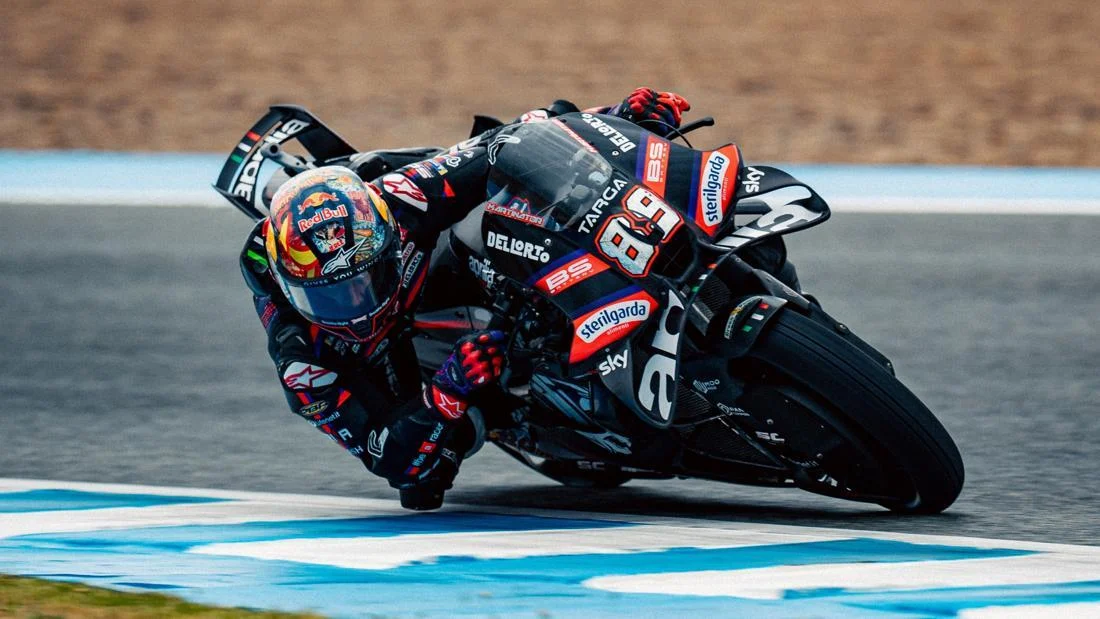
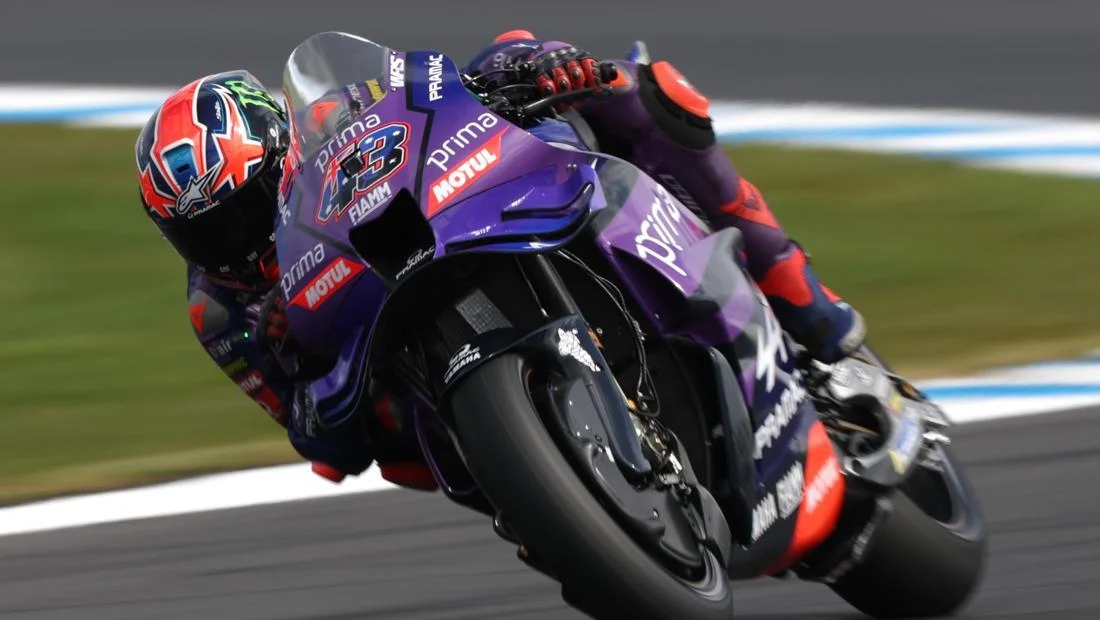
The 2024 MotoGP season has been a rollercoaster of high-speed drama and tactical brilliance, but for Jorge Martin, the Catalan Grand Prix weekend served as one of the most grueling tests of his career. Despite his status as a premier title contender and eventual 2024 World Champion, the Spaniard faced an unprecedented series of setbacks at the Circuit de Barcelona-Catalunya, recording four separate crashes over the course of just two days. These incidents, ranging from practice session slides to a high-stakes fall during the Sprint Race, left the paddock questioning the limits of both the rider and his machinery. While Martin remained resilient, the weekend highlighted the razor-thin margin between victory and disaster in the world’s most prestigious motorcycle racing series.
A Friday of Physical and Mental Trials
The difficulties for the Pramac Racing rider began almost immediately during the opening sessions on Friday. The Circuit de Barcelona-Catalunya is notorious for its low-grip surface, a characteristic that often catches out even the most experienced riders. For Martin, the struggle manifested early in Free Practice 1 (FP1). A loss of front-end traction sent him sliding into the gravel, an incident that initially appeared routine but quickly escalated in concern. Following the crash, Martin reported symptoms that required a visit to the circuit’s medical center.
Medical professionals conducted a thorough examination to rule out a serious concussion. While he was eventually cleared to continue the weekend, the impact left his body bruised and his momentum halted. "My whole body is a bit bruised from the impact, and there are some sprains in my legs," Martin later admitted, though he insisted that these physical niggles would not prevent him from competing at his full potential.
However, the misfortune did not end there. Later on Friday, during the crucial Practice session that determines entry into Qualifying 2 (Q2), Martin suffered a second fall. This second incident was attributed to cold tires, a common pitfall at the Barcelona track where the long right-hand corners can cause the left side of the tire to lose temperature rapidly. These two Friday crashes placed Martin in a precarious position, forcing him to fight through the Qualifying 1 (Q1) session on Saturday rather than securing a direct spot in the pole position shootout.
Qualifying Drama and the Search for the Limit
Saturday morning brought fresh hope but continued instability. Entering Q1, Martin demonstrated the raw speed that has defined his "Martinator" persona. He posted impressive lap times that suggested he had overcome the physical discomfort of the previous day. Yet, as he pushed to secure his place in the top two to advance to Q2, disaster struck for the third time.
At Turn 5—a sharp, downhill left-hander known for being one of the most difficult braking zones on the calendar—Martin lost the front end again. This third crash in two days was a clear indication that the rider was searching for a limit that seemed to be shifting with every session. Despite the fall, his earlier lap time was sufficient to see him through to Q2. However, the lack of consistent track time and the psychological toll of three crashes meant he could only manage a ninth-place start on the grid, placing him in the thick of the mid-pack chaos for the start of the Sprint and the Grand Prix.
The Sprint Race Collapse
The Saturday Sprint Race offered Martin a chance at redemption. Known as a specialist in the shorter race format, Martin has built his championship campaign on the ability to exploit the soft tire and sprint away from the pack. Starting from ninth, he made a characteristic "rocket start," slicing through the field to move into sixth position by the third lap.
As he began to close the gap on the podium contenders, the weekend’s fourth and most damaging incident occurred. Entering Turn 10, a tight left-hand hairpin remodeled in recent years to improve safety, Martin’s Ducati Desmosedici GP24 washed out. This fourth crash resulted in a DNF (Did Not Finish), marking a significant blow to his points haul for the weekend.
The Turn 10 incident was particularly baffling for the rider. Unlike the earlier crashes, which could be attributed to cold tires or extreme pushing in qualifying, the Sprint Race fall happened while he appeared to be in a stable rhythm. "Today, I really do not understand," Martin told reporters after the race. "I was fast in Turn 10, maybe too fast. I probably need to brake a little earlier. I had a strong tailwind, and perhaps I used too much front brake."
Technical Analysis: Why the Crashes Happened
In the aftermath of the four incidents, Martin and his technical crew at Pramac Racing conducted a deep dive into the telemetry to understand the recurring issues. The rider was candid in his assessment, taking full responsibility while also noting the external factors at play. According to Martin, 99 percent of crashes are the result of human error, but those errors are often precipitated by a volatile environment.
The first and second crashes on Friday were primarily attributed to tire temperature management. The Michelin tires used in MotoGP are highly sensitive to thermal cycles. At Barcelona, the combination of high ambient temperatures and a track surface that offers very little mechanical grip creates a "greasy" feeling. If a rider pushes too hard before the carcass of the tire is fully up to temperature, the rubber fails to "bite" into the asphalt.
The third crash in qualifying was a result of the high-risk, high-reward strategy required to escape Q1. Martin admitted he was pushing the bike to its absolute limit to compensate for the time lost on Friday. The fourth crash in the Sprint, however, involved a combination of aerodynamics and environmental conditions. The "tailwind" Martin mentioned can significantly alter the braking markers for riders. A strong wind pushing the bike from behind makes it harder to slow the machine down, often leading to a situation where the rider carries too much speed into the apex, overloading the front tire and causing it to tuck.
Championship Implications and Resilience
The four crashes in Barcelona were more than just physical setbacks; they represented a significant challenge to Martin’s championship aspirations. In a season where consistency is as valuable as outright speed, a weekend with zero points in the Sprint and a poor qualifying position puts immense pressure on the Sunday performance.
Historically, Jorge Martin has been criticized for a "win or crash" mentality. However, his 2024 campaign has largely been defined by a more mature approach. The Catalan GP weekend was a throwback to the volatility of his earlier years, yet his reaction in the paddock suggested a newfound mental strength. Instead of deflecting blame onto the bike or the tires, Martin’s acknowledgment of his mistakes served to settle the team.
"This track is much more difficult than usual, and it is very hard to find the limit. And when you find it, you fall," Martin explained. This objective view of the circuit’s difficulty was echoed by other riders, including Francesco Bagnaia and Marc Marquez, who also noted the treacherous conditions of the Barcelona asphalt. The ability to remain "fine" physically and mentally after four impacts is a testament to the rigorous training and conditioning of modern MotoGP athletes.
Broader Impact on the 2024 Title Race
The Catalan Grand Prix is often seen as a bellwether for the European leg of the MotoGP season. For Martin’s rivals, his struggles in Barcelona provided a window of opportunity. Every crash for a leader is a chance for the chasing pack to close the points gap. However, the data shows that Martin’s pace, when he remained on the bike, was still among the fastest in the field.
His performance in Q1, despite the crash, showed that the speed was still there. His climb from ninth to sixth in the opening laps of the Sprint proved that his overtaking ability remained sharp. For the Pramac Racing team, the focus shifted from performance tuning to damage limitation and rebuilding the rider’s confidence. The mechanical workload was also significant; the team had to rebuild multiple bikes over the 48-hour period, a feat of engineering endurance that often goes unnoticed by the general public.
Conclusion: Lessons from the Catalan Gravel
As Jorge Martin looked toward the main Sunday race, the lessons from his four crashes were clear: the Barcelona circuit demands respect and a different tactical approach than higher-grip tracks like Mugello or Misano. The Spaniard’s experience serves as a case study in the complexities of modern motorcycle racing, where wind direction, tire temperature, and even a few millimeters of braking deviation can result in a catastrophic loss of control.
"I think my potential was the podium or fighting for that victory," Martin lamented after the Sprint. "But today is today, and it has passed." This forward-looking attitude is what eventually propelled him to the 2024 World Championship title. The Catalan GP was not a defining failure, but rather a grueling chapter in a larger story of resilience. By taking responsibility for the "human error" and analyzing the technical nuances of each fall, Martin demonstrated why he is considered one of the elite talents of his generation. The four crashes in two days may have bruised his body and his points tally, but they ultimately failed to break his resolve to remain at the pinnacle of the sport.