Chalifah Fatihah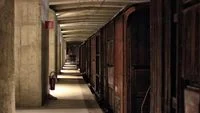
Milan, Italy – Standing as a testament to early 20th-century Italian architectural ambition, Milan Central Station, or Stazione Centrale di Milano, is a marvel of engineering and artistry. Its imposing Romanesque pillars, soaring vaulted ceilings, intricate mosaic floors, and the majestic winged horse sculptures have long drawn the admiration of travelers and architecture enthusiasts alike. For many, it is more than just a transportation hub; it is a destination in itself, a symbol of Milan’s vibrant history and enduring spirit. However, beneath this impressive facade lies a hidden, somber chapter of history, a chilling reminder of the atrocities of World War II. Tucked away in its subterranean levels is Binario 21, Platform 21, a once-secret railway track that served as a departure point for thousands of Jews and political prisoners deported to Nazi death camps.
A Palace of Transit: The Grandeur of Milan Central Station
Originally conceived in 1912, Milan Central Station’s construction was a monumental undertaking. Designed by architect Ulisse Stacchini, the station’s aesthetic is a bold fusion of various historical styles, including Ancient Roman, Egyptian, Art Deco, and the popular Italian Liberty style of the early 20th century. Its inauguration in 1931, however, coincided with the ascendance of Benito Mussolini’s fascist regime. As a result, the station became not only a symbol of Italy’s burgeoning power and modernity but also a canvas for fascist symbolism, with the fasces, the ancient Roman symbol adopted by fascism, subtly integrated into its facade.
The station’s design cleverly incorporated a dual-level structure. The upper levels were dedicated to passenger traffic, bustling with commuters and travelers. The lower levels, initially intended for the efficient movement of goods and mail, featured an innovative system of large elevators designed to transfer entire train cars to the main tracks above. This ingenious logistical solution was meant to streamline operations without disrupting passenger flow. Yet, this hidden infrastructure would soon be repurposed for a far more sinister purpose.
The Descent into Darkness: Binario 21 and the Holocaust
The relative obscurity of the lower levels of Milan Central Station belied a darker destiny that unfolded during the Nazi occupation of northern Italy starting in 1943. Binario 21, a section of the underground freight area, was transformed into a clandestine departure point for the systematic deportation of human beings. Under the cloak of darkness, trucks would arrive at the station, delivering Jewish individuals and political dissidents rounded up by Nazi forces and their fascist collaborators.
These condemned souls were then herded into sealed, wooden freight cars, the same cars that had previously transported goods. There was no pretense of comfort or dignity; these were not passenger carriages but cramped, airless spaces designed for cargo. The conditions were brutal, with approximately 60 to 80 people forced to stand shoulder-to-shoulder for days on end, deprived of adequate food, water, and sanitation.
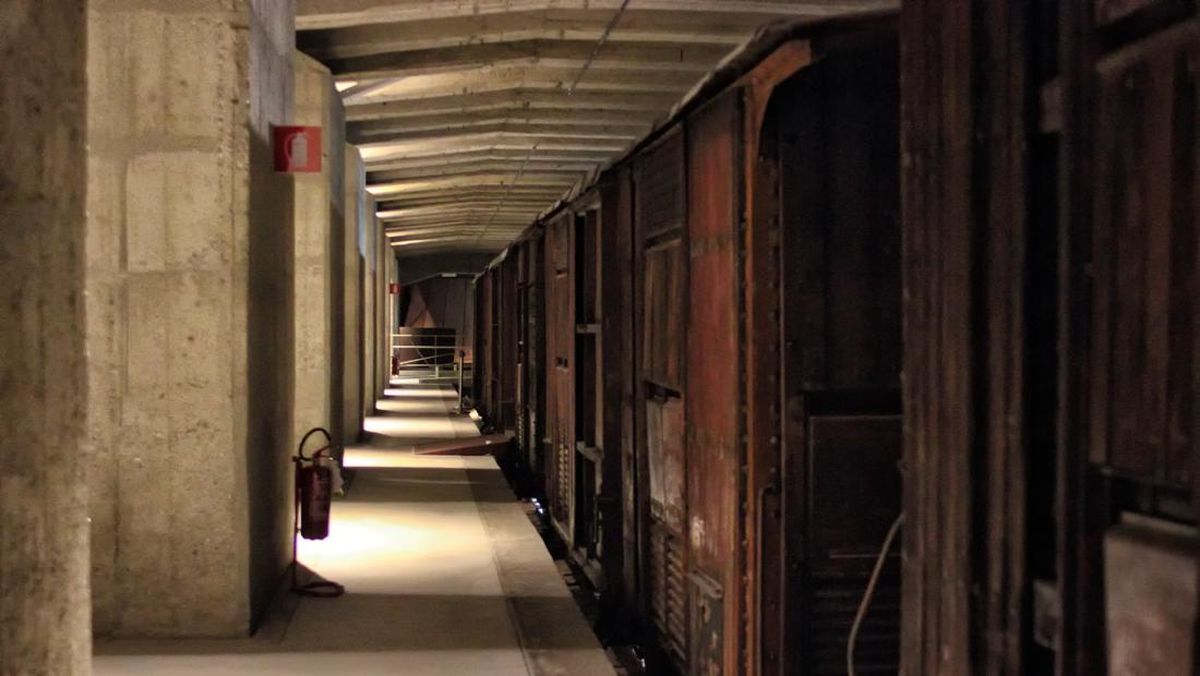
The journeys from Binario 21 were arduous and terrifying, often lasting up to seven days as the trains made their way to infamous death camps such as Auschwitz-Birkenau and Mauthausen. The scale of the deportations was staggering. Between December 1943 and January 1945, an estimated thousands of people were sent to their deaths from this hidden platform. The devastating human cost is starkly illustrated by the fate of the first two convoys to Auschwitz; out of 774 individuals, a mere 27 survived.
The victims were not exclusively Jewish. The network of terror extended to political opponents of the regime, anti-fascist fighters, Italian resistance members, and forced laborers. Binario 21 became a silent witness to the systematic dismantling of lives and the eradication of entire communities, a grim testament to the far-reaching reach of Nazi ideology.
Unearthing a Hidden Past: The Rediscovery of Binario 21
For decades after the war, the harrowing story of Binario 21 remained largely unknown, relegated to the fragmented memories of survivors who recalled being led into subterranean spaces before their horrific journeys. Many survivors, like Liliana Segre, who was deported to Auschwitz at the tender age of 13 with her father in January 1944, carried the trauma of this experience, often struggling to articulate the full horror of their departure.
It was the persistent efforts of survivors and dedicated researchers that began to piece together the forgotten narrative. In 1994, these efforts bore fruit when the hidden elevator system and secret tracks of Binario 21 were rediscovered, revealing the physical remnants of this clandestine operation. This discovery provided tangible evidence of the station’s dark role and paved the way for its transformation into a place of remembrance.
The Memoriale della Shoah di Milano: A Beacon of Remembrance
In recognition of its tragic past, the Binario 21 area has been transformed into the Memoriale della Shoah di Milano (The Shoah Memorial of Milan). Inaugurated in 2013, this memorial serves as a solemn tribute to the victims of the Holocaust and a powerful educational tool for future generations.
Visitors to the memorial can now walk through the very same underground platform from which thousands were deported. They can witness the original wooden freight cars, preserved as chilling artifacts of wartime brutality. The memorial also incorporates audio recordings of survivor testimonies, allowing the voices of those who endured unimaginable suffering to echo through the space, ensuring that their experiences are not forgotten.
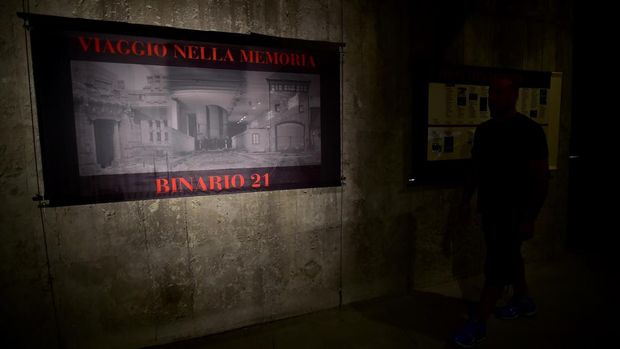
The names of the deported individuals are projected onto the walls, a poignant reminder that each number represents a unique life, a family, and a story tragically cut short. The Memoriale della Shoah di Milano is not merely a historical site; it is a vital institution dedicated to confronting Italy’s role in the Holocaust and fostering a deeper understanding of the dangers of prejudice and intolerance.
Broader Implications and Historical Reckoning
The transformation of Binario 21 into a memorial carries significant weight for Italy’s historical narrative. For many years, a prevailing sentiment within Italy focused on the nation’s own victimhood during the war, often downplaying its complicity in the atrocities committed by the Nazi regime. The Memoriale della Shoah at Milan Central Station challenges this narrative, highlighting the active participation of the Italian fascist regime in the deportation and persecution of Jews and political opponents.
This memorial serves as a crucial reminder that even seemingly ordinary, grand public spaces can harbor horrific secrets. It underscores the importance of critical historical inquiry and the need for continuous engagement with the past, even when that engagement is uncomfortable. By confronting this difficult history, Italy can foster a more robust and honest national identity, one that acknowledges both its triumphs and its profound failures.
The ongoing presence of thousands of commuters rushing through the upper levels of Milan Central Station, largely oblivious to the silent history beneath their feet, creates a stark contrast. It underscores the enduring power of place and memory, where the everyday functionality of a modern transport hub coexists with the profound echoes of human suffering. The Memoriale della Shoah di Milano stands as a vital counterpoint, ensuring that the lessons learned from this dark chapter in history are never lost and that the memory of those who perished is honored and remembered. It is a testament to the resilience of the human spirit and a solemn call to vigilance against the recurrence of such atrocities.