Chalifah Fatihah
Papaya leaves, a staple ingredient in many Indonesian culinary traditions, often face a culinary dilemma due to their inherent bitterness. However, with precise preparation techniques, these nutritious leaves can be transformed into a delectable and appealing dish. A particularly popular preparation involves a stir-fry, enhanced by aromatic spices and the savory addition of anchovies. This simple yet flavorful dish is ideal as an affordable, everyday meal, especially towards the end of the month. Beyond their taste appeal, papaya leaves are recognized for their beneficial nutritional profile, notably their ability to support digestive health. Therefore, mastering the art of boiling and preparing papaya leaves correctly is crucial to ensuring an enjoyable dining experience.
The Essential First Step: Boiling Papaya Leaves to Erase Bitterness
Before embarking on any papaya leaf recipe, the initial and most critical step is the boiling process. This stage is paramount in mitigating the natural bitterness inherent in the leaves, paving the way for a more palatable dish. While the exact culinary history of using papaya leaves in Indonesian cuisine is not meticulously documented, their widespread adoption likely stems from their availability and the perceived health benefits, particularly their digestive properties. Traditional wisdom has passed down methods to overcome the bitterness, making them a versatile ingredient.
Effective Boiling Techniques for Bitterness Reduction:
Several methods are employed to achieve the desired bitterness reduction:
- Boiling with Salt: A common and effective technique involves adding a generous amount of salt to the boiling water. The salt helps to draw out the bitter compounds from the leaves. Typically, a tablespoon or more of salt is added for every liter of water. The leaves are then submerged in this saline solution and boiled until tender.
- Boiling with Baking Soda: Another widely used method incorporates a small amount of baking soda (sodium bicarbonate) into the boiling water. Baking soda acts as an alkalizing agent, which can neutralize some of the bitter alkaloids present in the leaves. A teaspoon of baking soda per liter of water is generally sufficient. It’s important not to overuse baking soda, as too much can impart a soapy flavor or affect the texture negatively.
- Repeated Boiling and Rinsing: For exceptionally bitter leaves, a multi-stage boiling and rinsing process might be necessary. This involves boiling the leaves for a short period, discarding the bitter water, and then repeating the process with fresh water. Each boiling cycle should be followed by a thorough rinse under cold running water to remove any lingering bitterness and residual starch.
- Adding a Bitter-Neutralizing Agent: Some traditional recipes suggest adding other ingredients that can help counteract bitterness. While less common for simple stir-fries, these can include specific types of spices or even a small amount of tamarind paste in the boiling water.
The duration of boiling will depend on the age and type of papaya leaves. Younger, more tender leaves will require less cooking time than older, tougher ones. Generally, boiling for 15-30 minutes, or until the leaves are tender and their vibrant green color intensifies, is a good guideline. Over-boiling can lead to a mushy texture and nutrient loss.
This crucial boiling step not only tackles the bitterness but also helps to tenderize the leaves, making them more palatable and easier to chew. It also helps to preserve their vibrant green hue, contributing to the visual appeal of the final dish.
The Art of Stir-Frying Papaya Leaves: A Recipe for Flavor
Once the papaya leaves have been effectively de-bittered, the stage is set for creating a flavorful stir-fry. The "Tumis Daun Pepaya" (Stir-fried Papaya Leaves) is a beloved Indonesian dish that exemplifies how simple ingredients, when prepared with care, can yield remarkable culinary results. This recipe typically features a harmonious blend of aromatic spices and the savory, umami-rich addition of anchovies, or ikan teri.
A Practical Recipe for Delicious Stir-Fried Papaya Leaves:
This recipe is designed to be straightforward, making it an accessible option for home cooks of all skill levels.
Ingredients:
- 1 bunch (approximately 250-300 grams) fresh papaya leaves
- 50-75 grams dried anchovies (ikan teri), rinsed and drained
- 3-5 cloves garlic, thinly sliced
- 3-5 shallots, thinly sliced
- 2-3 bird’s eye chilies (or to taste), thinly sliced
- 1-2 large red chilies, thinly sliced (optional, for color and milder heat)
- 1-2 cm ginger, bruised or thinly sliced
- 1 stalk lemongrass, bruised
- 1-2 kaffir lime leaves (optional, for aroma)
- 1 teaspoon salt (adjust to taste)
- ½ teaspoon sugar (optional, to balance flavors)
- ¼ teaspoon white pepper
- 2-3 tablespoons cooking oil
- A splash of water (if needed)
Instructions:
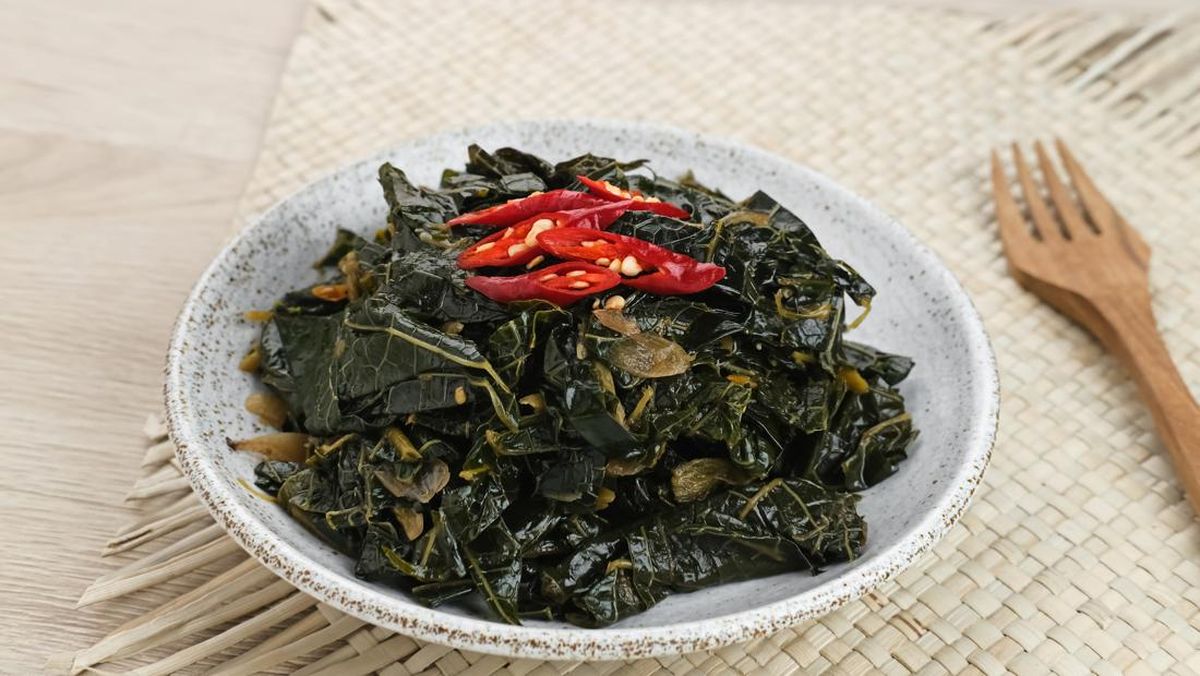
- Prepare the Papaya Leaves: After boiling and rinsing the papaya leaves thoroughly, squeeze out any excess water. Chop them into bite-sized pieces.
- Prepare the Anchovies: If using larger anchovies, you might want to remove their heads and guts. Rinse them well to remove excess salt and drain.
- Sauté Aromatics: Heat the cooking oil in a wok or large skillet over medium-high heat. Add the sliced garlic and shallots and sauté until fragrant and lightly golden.
- Add Chilies and Spices: Add the sliced chilies, ginger, lemongrass, and kaffir lime leaves (if using). Stir-fry for another minute until the spices release their aroma.
- Cook the Anchovies: Add the dried anchovies to the wok. Stir-fry for 2-3 minutes until they become slightly crispy and golden brown. Be careful not to burn them.
- Add Papaya Leaves: Add the chopped papaya leaves to the wok. Stir-fry vigorously, mixing them well with the anchovies and aromatics.
- Seasoning: Season with salt, sugar (if using), and white pepper. Stir well to ensure the seasonings are evenly distributed.
- Cook Until Tender: Continue to stir-fry for about 5-7 minutes, or until the papaya leaves are tender and well-cooked. If the mixture seems too dry, add a small splash of water to create a bit of sauce.
- Taste and Adjust: Taste the stir-fry and adjust the seasoning as needed. Add more salt if it’s not salty enough, or a pinch more sugar if it needs a touch of sweetness.
- Serve Hot: Serve the stir-fried papaya leaves immediately with steamed rice.
This recipe is a template, and variations are common. Some cooks may add a touch of shrimp paste (terasi) for an extra layer of umami, or a splash of soy sauce. The key is to achieve a balance of salty, savory, and subtly spicy flavors, allowing the unique character of the papaya leaves to shine without being overwhelmed by bitterness.
Nutritional Powerhouse: The Health Benefits of Papaya Leaves
Beyond their culinary appeal, papaya leaves are a treasure trove of nutrients and possess a range of health benefits that have been recognized and utilized for centuries. In traditional medicine systems across various cultures, papaya leaves have been employed for their therapeutic properties. Modern scientific research is increasingly validating these traditional uses, highlighting the rich chemical composition of these leaves.
Key Nutrients and Compounds:
Papaya leaves are particularly rich in:
- Vitamins: They are a good source of Vitamin A, Vitamin C, and Vitamin E, all of which are potent antioxidants. Vitamin A is crucial for vision and immune function, Vitamin C supports the immune system and collagen production, and Vitamin E protects cells from damage.
- Minerals: Papaya leaves contain essential minerals like potassium, which helps regulate blood pressure; calcium, vital for bone health; and magnesium, involved in numerous biochemical reactions in the body.
- Antioxidants: Beyond vitamins, papaya leaves are abundant in various phenolic compounds and flavonoids, which act as powerful antioxidants. These compounds help combat oxidative stress, a process linked to chronic diseases and aging.
- Enzymes: Notably, papaya leaves contain papain and chymopapain, proteolytic enzymes that aid in protein digestion. This is one of the primary reasons for their traditional use in treating digestive ailments.
- Alkaloids: While the presence of alkaloids contributes to the bitterness, some, like carpaine, are believed to have medicinal properties, including potential antimicrobial and anti-inflammatory effects.
Reported Health Benefits:
The diverse nutritional and phytochemical profile of papaya leaves contributes to a wide array of potential health benefits:
- Digestive Aid: The enzymes papain and chymopapain are the most celebrated components for digestive health. They break down proteins, easing digestion and potentially alleviating symptoms of indigestion, bloating, and constipation. Traditional uses often include treating stomach ulcers and other gastrointestinal issues.
- Anti-inflammatory Properties: Compounds within papaya leaves exhibit significant anti-inflammatory effects. This can be beneficial in managing inflammatory conditions throughout the body, potentially offering relief from arthritis and other inflammatory disorders.
- Antioxidant Power: The high concentration of antioxidants helps neutralize harmful free radicals. This protection is crucial in preventing cellular damage, which can contribute to aging and the development of chronic diseases such as heart disease and certain cancers.
- Potential Dengue Fever Management: Perhaps one of the most widely publicized benefits, research suggests that extracts from papaya leaves may help increase platelet counts in individuals suffering from dengue fever. Dengue fever can cause a dangerous drop in platelets, and while more robust clinical trials are needed, traditional use and preliminary studies have shown promising results.
- Skin Health: The vitamins and antioxidants in papaya leaves can contribute to healthier skin. Their anti-inflammatory properties may also help soothe skin irritations and promote healing.
- Menstrual Pain Relief: Some studies and anecdotal evidence suggest that papaya leaf extracts can help alleviate menstrual cramps and pain, likely due to their anti-inflammatory and antispasmodic properties.
While the health benefits are promising, it is important to note that scientific evidence varies for each claim. Further extensive clinical research is often required to definitively establish efficacy and optimal dosages. As with any natural remedy, consulting a healthcare professional before using papaya leaves for medicinal purposes is always recommended, especially for individuals with pre-existing health conditions or those taking medications.
Broader Culinary and Cultural Context
The popularity of dishes like Tumis Daun Pepaya extends beyond mere sustenance; it reflects a deeper culinary philosophy in Indonesia that values resourcefulness and the utilization of readily available ingredients. In a country with a rich agricultural heritage, minimizing food waste and maximizing the nutritional value of every part of a plant is a long-standing tradition.
The papaya tree, often grown in home gardens and small farms across the archipelago, provides not only its fruit but also its leaves, seeds, and even its latex for various purposes. The leaves, being an abundant byproduct, were naturally incorporated into the local diet. The development of techniques to overcome their bitterness is a testament to the ingenuity of Indonesian culinary heritage, adapting to the natural characteristics of ingredients to create universally appealing flavors.
The inclusion of ikan teri (anchovies) in the stir-fry is also culturally significant. These small, dried fish are a common and affordable source of protein and a flavor enhancer in many Indonesian dishes. Their savory, salty profile complements the earthy notes of the papaya leaves, creating a balanced and satisfying taste. This combination speaks to the core of Indonesian home cooking: creating delicious and nutritious meals with accessible ingredients.
The enduring appeal of Tumis Daun Pepaya across different regions and socioeconomic strata underscores its status as a culinary comfort food. It represents a connection to heritage, a celebration of local produce, and the enduring power of simple, well-prepared dishes to nourish both the body and the soul. As global interest in plant-based diets and traditional foods continues to grow, ingredients like papaya leaves are poised to gain wider recognition for their culinary versatility and impressive health benefits. The journey from a potentially bitter leaf to a beloved culinary delight is a compelling narrative of adaptation, innovation, and the rich tapestry of Indonesian cuisine.