Chalifah Fatihah
The allure of permanent body art has been a part of human culture for centuries, but societal shifts and evolving personal preferences have led to a significant surge in the demand for tattoo removal. As technology advances, laser treatments have emerged as the leading method for fading and ultimately eradicating unwanted tattoos. This trend is driven by a variety of factors, including career aspirations, lifestyle changes, and simply outgrowing past aesthetic choices. However, the process of removing a tattoo is far more complex than merely erasing ink from the skin’s surface, involving a sophisticated interplay between laser energy, the body’s natural healing mechanisms, and the intricate composition of tattoo pigments.
The Mechanism of Laser Tattoo Removal
At its core, laser tattoo removal relies on the principle of selective photothermolysis. According to the American Society for Laser Medicine & Surgery (ASLMS), laser devices emit highly concentrated pulses of light energy that are specifically absorbed by the pigment molecules within the tattoo ink. This absorption causes the ink particles to heat up rapidly, leading to their fragmentation into much smaller pieces. It is crucial to understand that the laser does not instantly vaporize or eliminate the ink. Instead, it breaks down the larger ink particles into microscopic fragments that the body can then process and remove.
Following the laser treatment, the body’s immune system plays a pivotal role in the tattoo removal process. Specialized immune cells, such as macrophages, engulf these smaller ink fragments. These cells then transport the ink particles through the lymphatic system, a network of vessels that filters waste products from the body. This gradual clearance mechanism means that tattoo fading is typically a slow, incremental process, rather than an immediate disappearance. The effectiveness of this natural removal process is influenced by individual immune system function, making it a key determinant in the success of tattoo removal.
The Healing Process and Expected Reactions
After a laser tattoo removal session, the treated skin area will undergo a controlled inflammatory response, akin to a minor wound. Common reactions include redness, swelling, tenderness, and a sensation of heat. Small pinpoint bleeding might occur, and the skin may form scabs or experience mild blistering. These are normal and expected responses, indicating that the skin is initiating its healing process. The interval between laser sessions is typically several weeks to allow the skin to recover fully before subsequent treatments. This phased approach is essential for minimizing risks and optimizing the body’s ability to clear the fragmented ink.
Factors Influencing Tattoo Removal Efficacy
The expectation of complete tattoo removal after a single session is a common misconception. The layered nature of tattoo ink deposition is a primary reason for the need for multiple treatments. When a tattoo is created, ink is injected into various depths within the dermis, the layer of skin beneath the epidermis. Lasers must penetrate these layers to target the ink effectively. The American Academy of Dermatology (AAD) highlights that attempting to destroy all pigment in a single session would be unsafe and could lead to significant skin damage.
The number of sessions required for complete tattoo removal varies considerably from person to person and depends on a multitude of factors. These include:
- Ink Color: Different colors absorb laser energy differently. Black ink is generally the easiest to remove because it absorbs most laser wavelengths effectively. Colors like green, blue, red, yellow, and particularly white, are more challenging. White ink can sometimes paradoxically darken when exposed to laser light due to the presence of titanium dioxide, a common pigment in white inks.
- Ink Depth and Density: Tattoos with ink injected deeper into the dermis or those with very dense ink saturation will require more treatment sessions.
- Tattoo Age: Older tattoos may have undergone some natural fading over time, but the ink particles can also become more resistant to laser fragmentation.
- Skin Type and Tone: Individuals with darker skin tones may require more cautious treatment protocols to avoid hyperpigmentation or hypopigmentation, as the laser energy can also affect melanin in the skin.
- Location on the Body: Areas with better blood circulation, such as the extremities, may see faster ink clearance compared to areas with poorer circulation.
- Individual Immune Response: As previously mentioned, a robust immune system can more efficiently clear fragmented ink particles.
The Evolution of Tattoo Removal Technology
The history of tattoo removal is marked by various methods, from surgical excision and dermabrasion to chemical peels, all of which carried significant risks of scarring and infection. The advent of Q-switched lasers in the late 1980s revolutionized tattoo removal by offering a less invasive and more effective approach. These lasers deliver short, high-intensity pulses of light, ideal for shattering tattoo pigments without causing excessive damage to surrounding skin tissue.
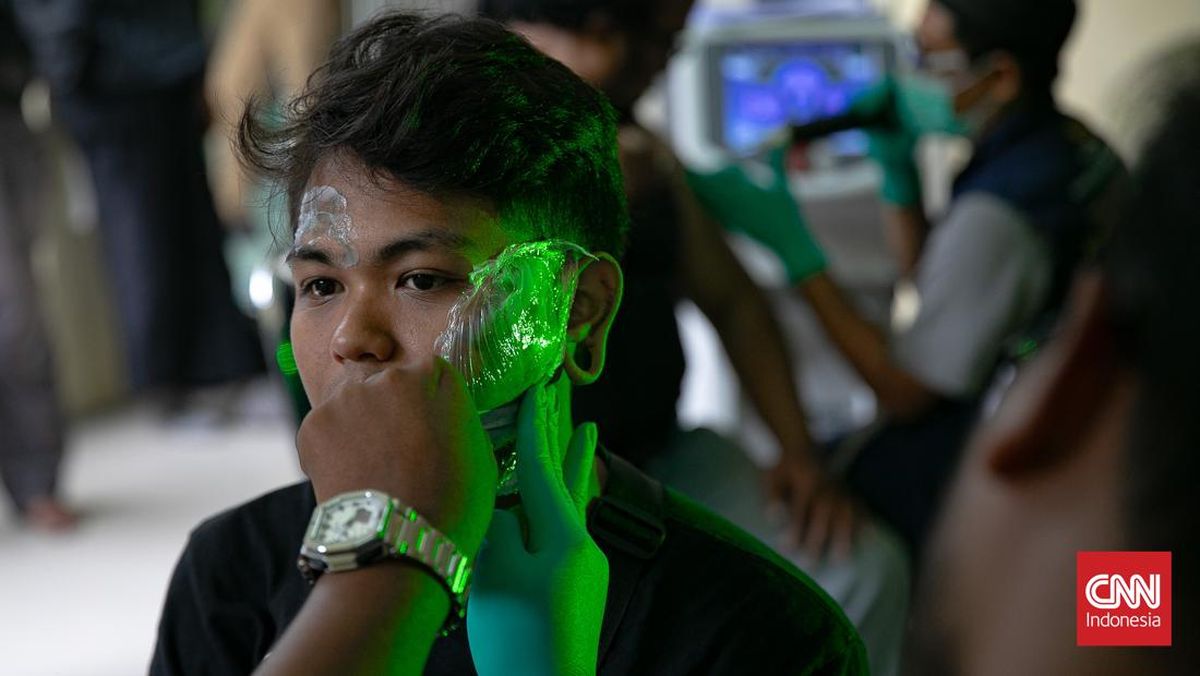
More recently, advancements have led to the development of picosecond lasers. These lasers deliver pulses of energy in picoseconds (trillionths of a second), which are even shorter than nanosecond pulses from Q-switched lasers. This ultra-short pulse duration creates a photomechanical effect that shatters ink particles into even smaller fragments, potentially leading to faster clearance and fewer treatment sessions. Different wavelengths of laser light are used to target specific ink colors, with common systems utilizing multiple wavelengths to address the diverse palette of tattoo inks.
Broader Implications and Societal Trends
The increasing accessibility and effectiveness of tattoo removal treatments reflect a broader societal shift in attitudes towards body modification. While tattoos have become more socially accepted in many circles, the desire for a "clean slate" or the need to conform to professional environments where tattoos may be perceived as unprofessional remains a powerful motivator for removal. This trend also underscores the evolving nature of personal identity and self-expression, where individuals may seek to redefine their appearance as their life circumstances or personal beliefs change.
The economic impact of the tattoo removal industry is also notable. As demand grows, so does the number of clinics and practitioners offering these services, leading to a competitive market. This competition can drive down prices, making removal more accessible, but it also emphasizes the importance of choosing qualified and experienced professionals to ensure safety and efficacy.
Furthermore, the ethical considerations surrounding tattoo removal are becoming increasingly relevant. For individuals who obtained tattoos at a young age or under duress, removal can represent a reclaiming of their autonomy and a significant step towards personal healing. The ability to reverse a permanent mark can have profound psychological benefits, contributing to increased self-esteem and confidence.
The Future of Tattoo Removal
As research and technology continue to advance, we can anticipate further refinements in laser tattoo removal. Innovations may focus on developing even more targeted laser systems capable of effectively removing difficult ink colors with greater speed and fewer side effects. Research into adjunct therapies that enhance the body’s natural clearance mechanisms or protect the skin during the removal process could also play a role.
The journey of tattoo removal is a testament to the intricate relationship between technological innovation and the human body’s remarkable capacity for healing and adaptation. It is a process that requires patience, understanding, and a realistic expectation of the time and effort involved. As the trend continues, the science behind these treatments will undoubtedly become even more sophisticated, offering individuals greater control over their personal canvas and the ability to adapt their appearance to their evolving life journeys.
The growing popularity of tattoo removal signifies a maturing understanding of permanent body art, recognizing that while tattoos can be a powerful form of self-expression, the decision to keep them is not necessarily immutable. The sophisticated interplay of light, biology, and time offers a compelling solution for those seeking to alter their inked narratives.