Nila Kartika Wati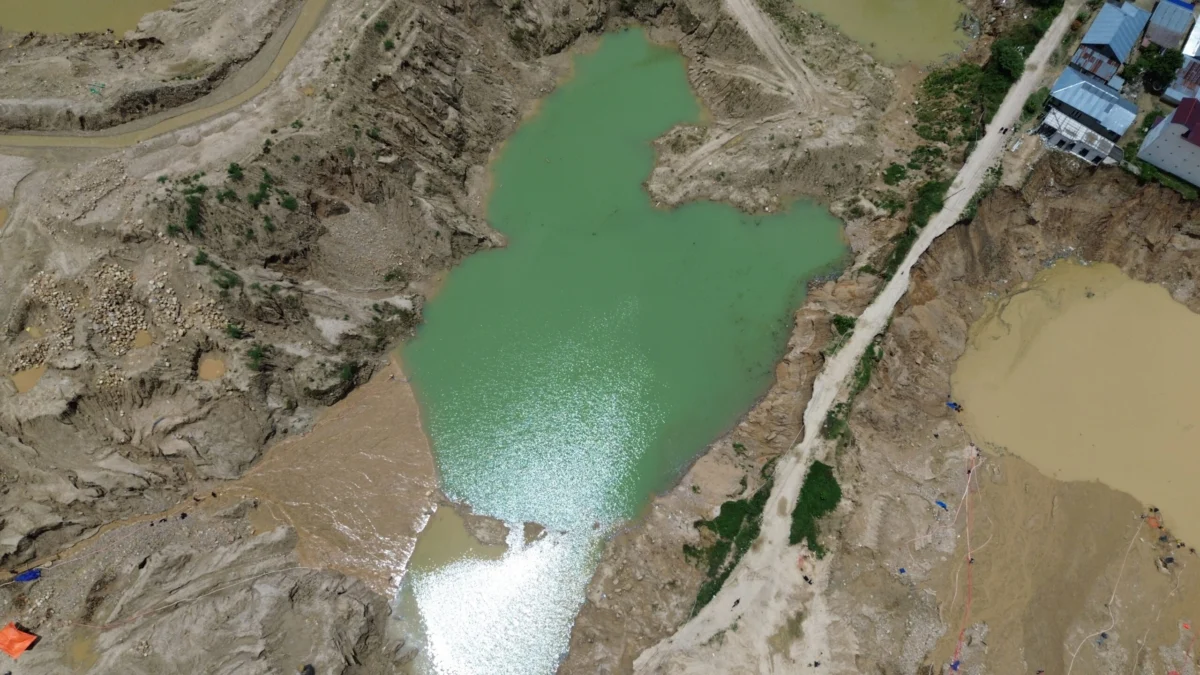
The unassuming white warehouse situated within the Berbek Industrial Complex in Sidoarjo, East Java, appeared no different from its neighbors until a high-stakes raid by the Indonesian National Police’s Criminal Investigation Department (Bareskrim Polri) in mid-March 2026. The operation, conducted by the Directorate of Economic and Special Crimes (Dittipideksus), pulled back the curtain on a sophisticated criminal enterprise involving illegal gold mining, illicit refining, and large-scale money laundering. Investigators estimate the network caused state losses and processed illicit funds totaling a staggering Rp25.8 trillion, revealing a shadow economy where illegal gold from the remote reaches of the archipelago was "washed" and transformed into legitimate market products.
By mid-May 2026, the investigation had led to the naming of five primary suspects. The initial list included Teddy Wijaya, a gold shop owner from Nganjuk, alongside individuals identified by the initials DW and BSW. On May 13, 2026, Brigadier General Ade Safri Simanjuntak, Director of Dittipideksus, announced the addition of two high-level suspects: DHB and VC. According to official police statements, these individuals are suspected of active participation in unauthorized mining operations and the subsequent laundering of proceeds.
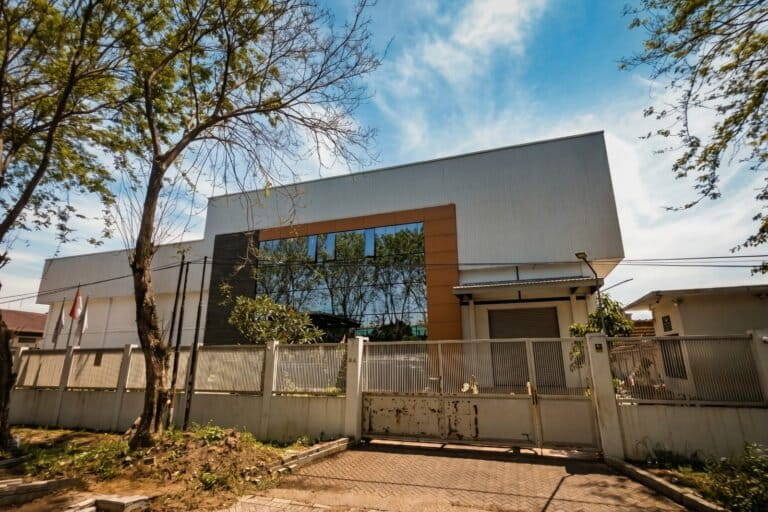
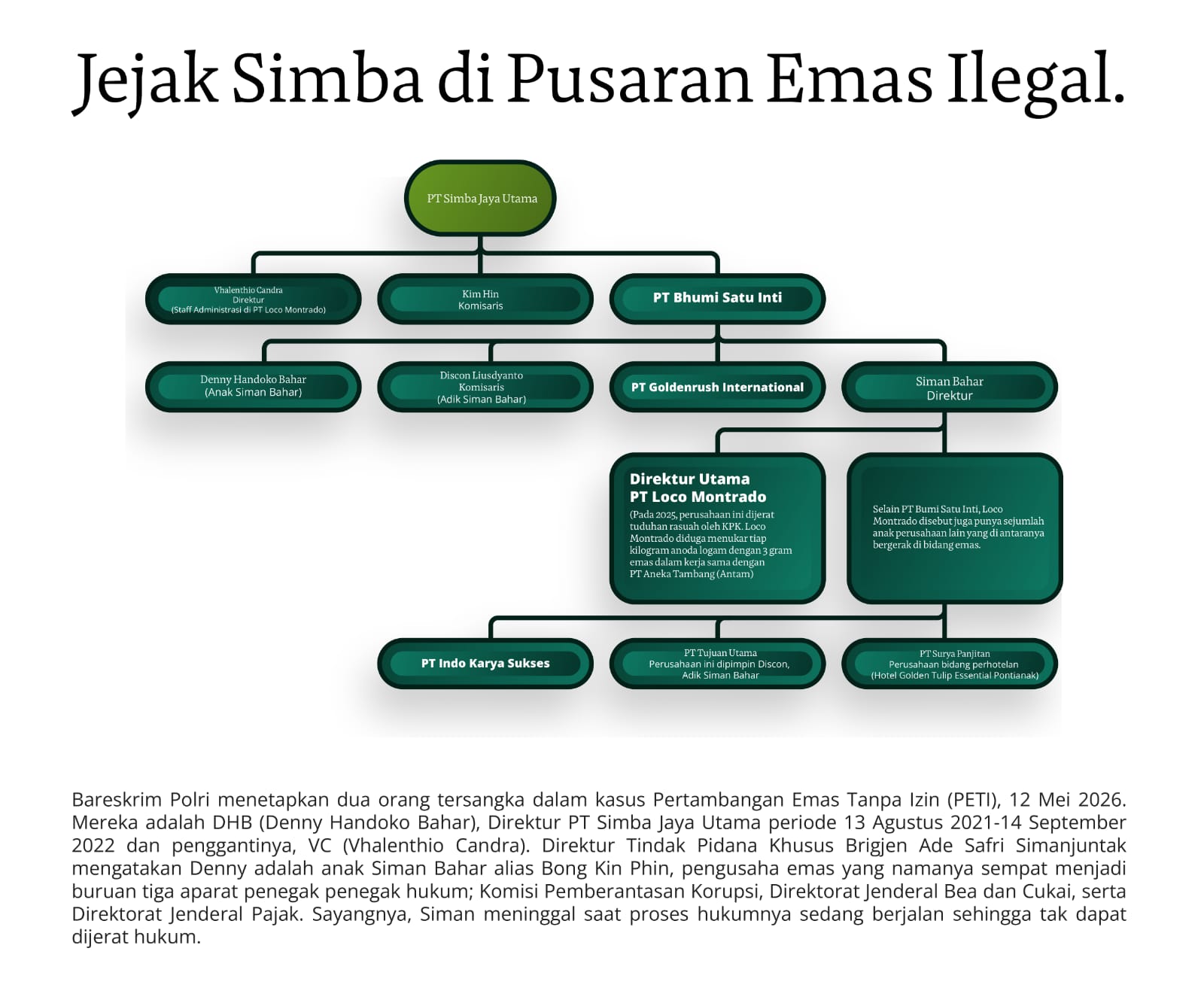
DHB, identified through corporate records as Denny Handoko Bahar, served as the Director of PT Simba Jaya Utama (SJU) from August 2021 to September 2022. He is the son of the late Siman Bahar, also known as Bong Kim Phin, a prominent figure in the Indonesian gold industry and owner of PT Loco Montrado (LM), a major gold refinery in Pontianak, West Kalimantan. The second new suspect, VC, identified as Valenthio Chandra, is a former administrative staff member at Loco Montrado who took over the directorship of SJU in September 2022. Corporate data from the Directorate of General Legal Administration (AHU) indicates that VC holds a stake in the company, while the broader corporate structure of SJU remains tightly linked to the Bahar family’s business interests, including PT Bhumi Satu Inti (BSI).
A Dynasty of Gold and the Shadow of Siman Bahar
The name "Simba" in PT Simba Jaya Utama is widely believed to be an acronym for Siman Bahar, reflecting the expansive business empire he built over decades. Siman Bahar was no stranger to legal scrutiny. In 2023, his name surfaced in connection with a massive Rp47 trillion gold importation scandal involving Singapore, which was part of a broader investigation into suspicious gold transactions totaling Rp189 trillion. Furthermore, the Corruption Eradication Commission (KPK) had previously named him a suspect in a corruption case involving the processing of low-grade gold dore in cooperation with the state-owned miner PT Aneka Tambang (Antam), a case estimated to have cost the state Rp100.7 billion.
Despite his legal troubles, Siman Bahar never faced trial for these specific allegations. He reportedly traveled abroad before passing away in April 2026. Brigadier General Ade Safri Simanjuntak confirmed that while legal proceedings against Siman Bahar have been terminated due to his death, the investigation into his associates and the corporate entities involved continues unabated. The current focus remains on DHB and VC, who are accused of managing the logistics of the illegal gold—from receiving and refining to the final sale of the "legalized" bullion.
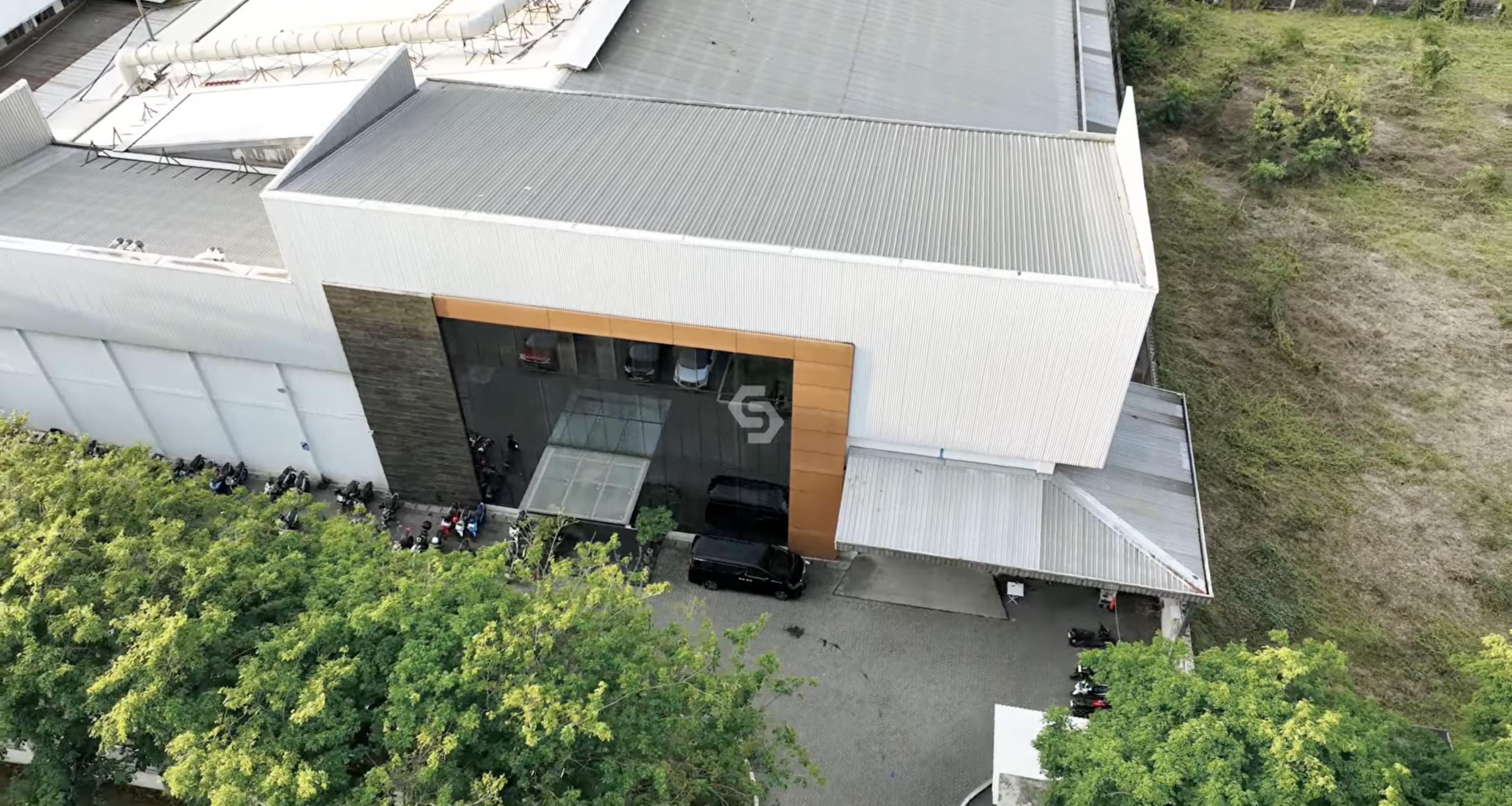
The police have anchored their case on a robust foundation of evidence, including witness testimonies, expert opinions, physical seizures, and digital forensics. The investigation paints a picture of a seamless pipeline: gold is extracted from illegal pits in Kalimantan and Papua, transported under the radar to East Java, refined in facilities like SJU to meet market standards, and then sold with fraudulent documentation that masks its illicit origins.
The Financial Mechanics: Rp25.9 Trillion in Suspicious Transactions
The scale of the operation is corroborated by findings from the Financial Transaction Reports and Analysis Center (PPATK). Their tracking of the syndicate’s financial footprint from 2019 to 2025 revealed a total transaction volume of approximately Rp25.9 trillion. The modus operandi relied heavily on the "blending" of illegal gold into the legitimate supply chain. By utilizing refineries that possessed ostensibly valid certifications, the syndicate could issue invoices and purity certificates that allowed illegal gold to enter the mainstream market both domestically and internationally.
The investigation into SJU was not an isolated event. During the March raids, Bareskrim also targeted PT Indah Golden Signature (IGS) in the Genteng area of Surabaya and PT Suka Jadi Logam (SJL) in Benowo. These refineries, along with several private residences and gold shops in Nganjuk and Surabaya, yielded significant evidence. Authorities seized Rp7.13 billion in cash and 60 kilograms of gold bars, alongside stacks of invoices that investigators believe were used to facilitate the money laundering process.

PT Indah Golden Signature (IGS) had previously been linked to illegal mining networks in 2023, specifically the syndicate led by Anthony Suwandy, also known as Aliong. Aliong, a financier from West Kalimantan, was known for supplying massive quantities of illegal gold—up to 12 kilograms multiple times a week—to refineries in East Java. While Aliong focused on the "upstream" extraction and collection, figures like Siman Bahar and the directors of SJU focused on the "downstream" processing and financial laundering.
From Financial Crime to Ecocide: The Environmental Cost
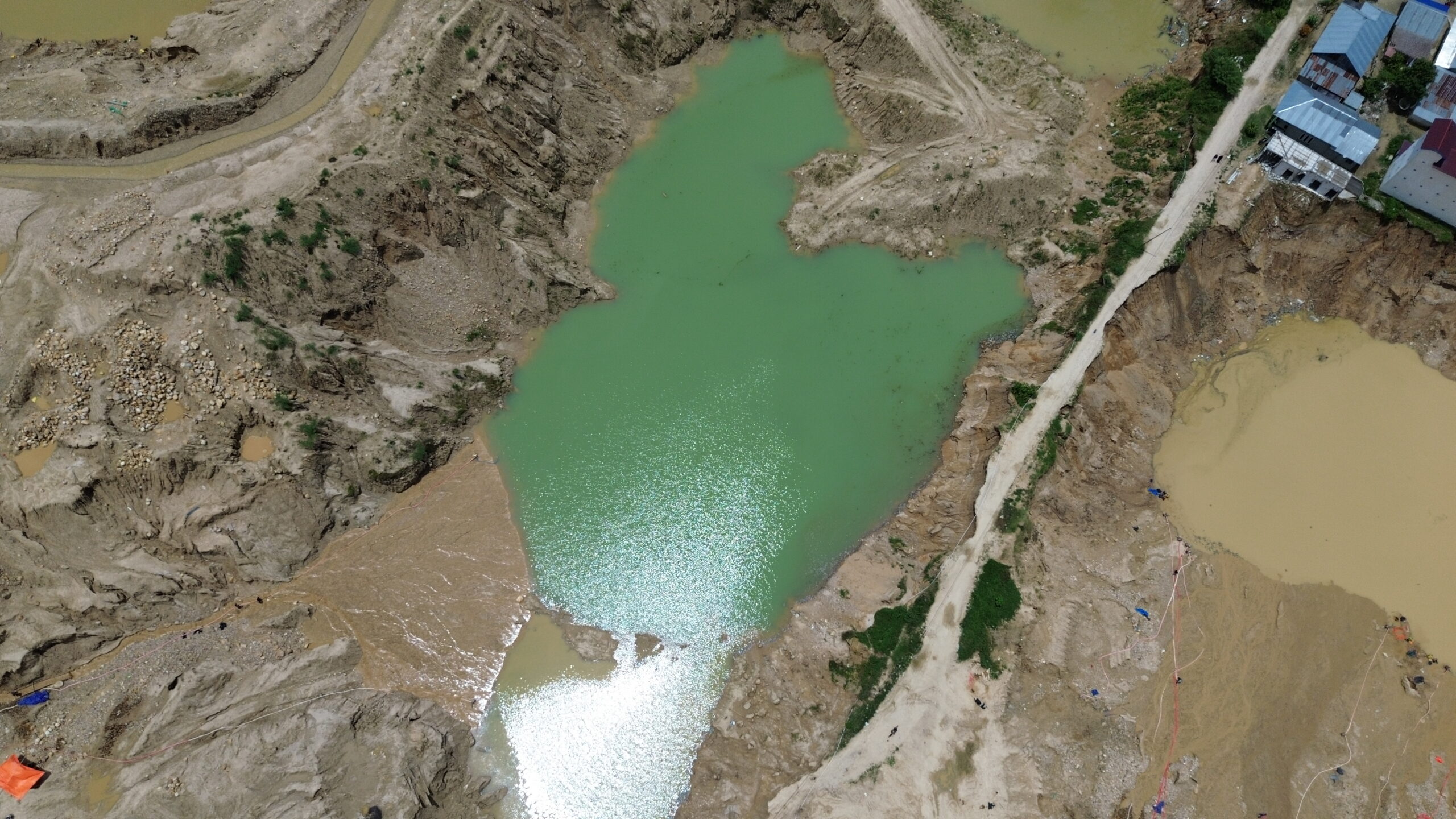
The legal and academic community has emphasized that this case should not be viewed solely through the lens of financial loss. Purnawan Dwikora Negara, an environmental law expert from Universitas Widya Gama, argues that the activities of SJU and its affiliates constitute "ecocide"—the massive and systematic destruction of the environment. Behind the polished gold bars seized by police lie thousands of hectares of decimated tropical forests and river systems poisoned by mercury.
"This is organized eco-crime where East Java serves as the ‘laundry room’ for ‘blood money’ derived from the destruction of nature," Purnawan stated. He noted that the illegal mines in West Kalimantan and West Papua, which supplied the SJU network, have left a legacy of toxic landscapes and displaced communities. He urged authorities to apply a "multidoor" legal approach, utilizing not only the Money Laundering Act (TPPU) and the Mining Act (Minerba) but also Law No. 32/2009 on Environmental Protection and Management.
Purnawan advocates for the "polluter pays" principle, suggesting that the trillions of rupiah in seized assets should not merely disappear into the state treasury as non-tax revenue. Instead, he argues, these funds should be specifically earmarked for ecological restoration in the regions where the gold was illegally mined. He also called on the East Java Provincial Government to conduct rigorous environmental and forensic financial audits of all smelters and refineries operating within the province to ensure they are not complicit in the illegal trade.
East Java: The Epicentrum of the "Laundry Room"
The strategic importance of East Java as a logistical hub has inadvertently made it a preferred destination for criminal syndicates seeking to "launder" illegal commodities. Whether it is illegal timber, protected wildlife, or gold, the pattern remains the same: raw materials are extracted from islands with laxer oversight, such as Kalimantan or Papua, and shipped to East Java. Once there, the state-of-the-art industrial infrastructure is used to process these goods, effectively disguising their origins before they are distributed into the massive local market or exported.
Yenti Garnasih, a prominent expert on money laundering, noted that Surabaya has consistently emerged as the terminus for illegal gold investigations. She raised critical questions regarding the oversight of transport hubs, such as airports and seaports. "It is difficult to move kilograms of gold through high-security checkpoints like airports without detection. This suggests either a profound failure in oversight or potential collusion within law enforcement and regulatory bodies," Garnasih remarked.
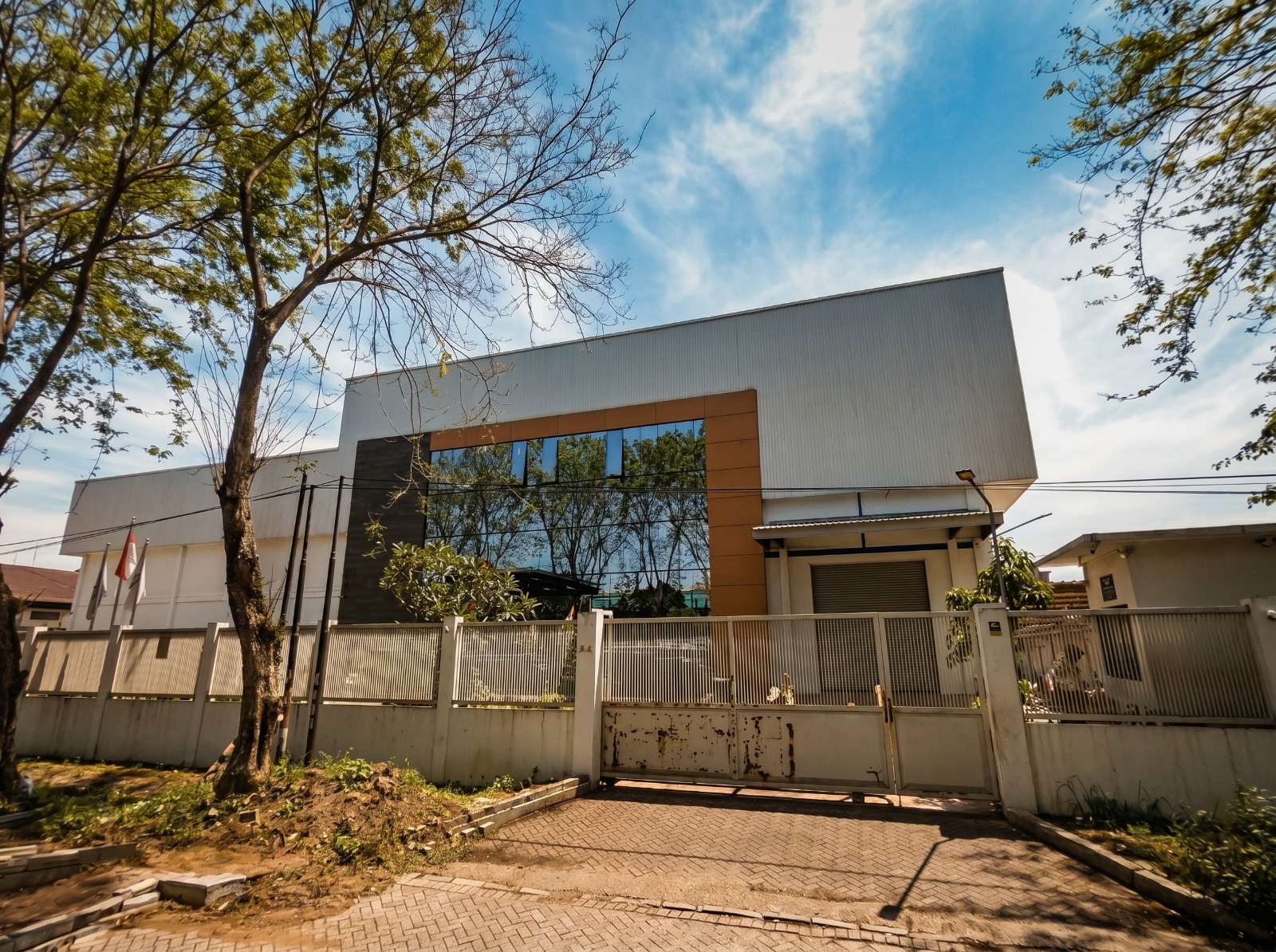
The case also highlights the fragility of current certification systems. PT Simba Jaya Utama prominently displayed its certifications from the National Accreditation Committee (KAN) and its adherence to Indonesian National Standards (SNI) on its corporate website. Garnasih argued that these labels often serve as a "veneer of legality" that does not necessarily reflect the integrity of the supply chain. The fact that a certified company could process Rp25.8 trillion in illegal gold suggests that the current audit processes are insufficient to detect sophisticated money laundering schemes.
The Path Toward Regulatory Reform
The SJU scandal has intensified calls for a comprehensive overhaul of Indonesia’s gold trade regulations. Currently, the lack of a "single-door" labeling or legalization system allows multiple avenues for illegal gold to enter the market through private refineries. Experts suggest that without a unified, blockchain-backed, or government-monitored tracking system from mine to market, the "washing" of illegal gold will continue to plague the industry.
As the legal proceedings against DHB, VC, and the other suspects move forward, the case stands as a landmark in Indonesia’s fight against organized crime. It exposes the intricate links between corporate suites in East Java and illegal mining pits in the deep jungle. For the government, the challenge lies in moving beyond asset seizure toward systemic reform that addresses the environmental devastation and the regulatory loopholes that allowed a Rp25.8 trillion shadow empire to flourish in plain sight.
The death of Siman Bahar may have closed one chapter of the investigation, but the prosecution of his successors and the scrutiny of the "Simba" empire’s assets will serve as a test for the Indonesian justice system’s ability to tackle high-level financial and environmental crimes. The outcome of this case will likely determine whether East Java remains a "laundry room" for illicit goods or becomes a bastion of industrial integrity.