Nasution Nanang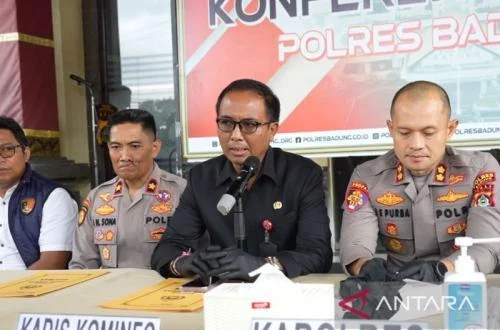
The sophisticated closed-circuit television (CCTV) network operated by the Badung Regency Communication and Informatics Office (Diskominfo) has proven instrumental in a significant criminal investigation, providing critical evidence that led the Badung Police to successfully apprehend suspects in a recent murder case. The incident, which occurred at a motorcycle wash facility in the Darmasaba area of Bali, underscored the growing importance of integrated technology in modern law enforcement and the successful implementation of Badung’s smart city initiatives aimed at enhancing public safety and security.
Incident Overview and Initial Challenges
The murder, which took place several weeks ago at a commercial motorcycle wash in Desa Darmasaba, a bustling yet traditionally tranquil village within Badung Regency, sent ripples of concern through the local community. While specific details of the victim and the precise nature of the crime remain under wraps during ongoing legal proceedings, initial reports indicated a violent act that necessitated a swift and decisive police response. Law enforcement agencies, particularly the Badung Police, were immediately mobilized to the scene. Crime scene investigators faced the common challenges of gathering forensic evidence in a public yet potentially isolated setting, interviewing witnesses who might have limited visibility or be reluctant to come forward, and piecing together the events leading to the tragic loss of life. In such cases, the initial hours are often the most critical, and the availability of reliable, unbiased evidence can significantly accelerate the investigative process. Without direct witnesses or clear physical evidence at the immediate crime scene, investigators frequently turn to technological aids to fill the evidentiary gaps.
The Pivotal Role of Diskominfo’s Surveillance Network
In a testament to the foresight of the Badung Regency Government, the extensive CCTV infrastructure managed by Diskominfo proved to be the linchpin in breaking the case open. I Ketut Gede Arta, Head of Diskominfo Badung, confirmed that the recorded footage provided irrefutable visual evidence, transforming what could have been a protracted and challenging investigation into a swift resolution. The Diskominfo network is not merely a collection of isolated cameras; it is an integrated system designed for comprehensive coverage across strategic points within the regency, including major thoroughfares, public spaces, and increasingly, commercial zones. These high-definition cameras are strategically placed to monitor activity, allowing authorities to track movements, identify individuals, and document events with precision.
Upon receiving the request from the Badung Police, Diskominfo personnel promptly accessed and retrieved relevant footage. This process involved sifting through hours of recordings from multiple cameras positioned around the crime scene and potential escape routes. The clarity and chronological integrity of the digital evidence allowed police analysts to reconstruct the sequence of events leading up to, during, and immediately following the murder. This included identifying suspect vehicles, tracking their entry and exit paths, and potentially even capturing images of the perpetrators, thereby providing vital leads that traditional investigative methods might have taken much longer to uncover. The immediate accessibility and high quality of this electronic data were critical factors in the rapid progression of the investigation.
Chronology of the Investigation (Inferred and Generalised)
While specific dates and times are withheld for investigative integrity, a general timeline can be inferred from the official statements:
- Incident Occurrence: The murder takes place at the motorcycle wash in Desa Darmasaba, likely during off-peak hours, possibly late night or early morning, to minimize direct witnesses.
- Discovery and Initial Response: The crime is discovered, prompting an immediate response from the Badung Police. A crime scene is established, and initial forensic examination begins.
- Lack of Direct Evidence/Witnesses: Investigators quickly determine that direct witness accounts or conventional physical evidence might be insufficient for rapid identification of suspects.
- CCTV Footage Request: Recognizing the strategic placement of Diskominfo’s cameras, Badung Police formally requests access to relevant surveillance footage from the areas surrounding the crime scene and potential escape routes.
- Diskominfo’s Swift Action: Diskominfo Badung, under the leadership of I Ketut Gede Arta, mobilizes its technical team to extract and process the requested video data from its central monitoring facility.
- Detailed Footage Analysis: Police investigators, possibly in collaboration with Diskominfo specialists, meticulously review the hours of high-definition footage. This process involves identifying suspicious activities, vehicles, and individuals, and cross-referencing these observations with any existing intelligence.
- Identification of Key Leads: The footage yields critical clues, potentially identifying the vehicle used by the perpetrators, their direction of travel, and even discernible features of the individuals involved. This evidence provides a solid foundation for further police action.
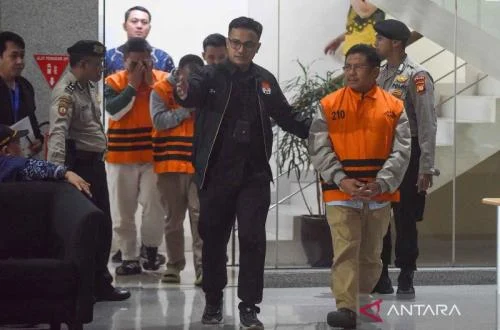
- Suspect Apprehension: Based on the compelling evidence derived from the CCTV footage, Badung Police successfully identifies and apprehends the individual(s) suspected of committing the murder. The swiftness of this apprehension reinforces the effectiveness of the collaborative approach.
- Legal Proceedings: The gathered evidence, including the CCTV footage, is then prepared for presentation to prosecutors, laying the groundwork for formal charges and subsequent judicial processes.
This expedited timeline, largely attributable to the technological support, demonstrates a significant leap in investigative capabilities for the Badung Police.
Badung’s Smart City Vision and Collaborative Security Framework
The successful utilization of CCTV in this high-profile case is a direct outcome of the Badung Regency Government’s proactive and forward-thinking approach to governance, encapsulated within its broader "Smart City" program. This program prioritizes the integration of technology across various public services, with security and public order being a paramount concern. I Ketut Gede Arta highlighted that the involvement of the CCTV network is an integral part of this priority program, designed to maintain security and public order in close collaboration with the Indonesian National Armed Forces (TNI), the Indonesian National Police (Polri), and other relevant stakeholders. This multi-agency synergy is not merely about sharing resources but about creating a unified front against crime and fostering a safer environment for residents and tourists alike.
The "Smart City" concept in Badung extends beyond just security cameras. It encompasses initiatives such as intelligent traffic management systems, disaster early warning systems, digital public service platforms, and environmental monitoring. The core philosophy is to leverage data and connectivity to improve urban living, enhance administrative efficiency, and bolster community resilience. For public safety, this means a shift from reactive policing to a more proactive and preventative model, where technology acts as both a deterrent and a powerful investigative tool. The strategic placement of cameras, for instance, is informed by crime mapping data and areas identified as high-risk, ensuring maximum coverage where it is most needed. This integrated approach signifies a modern paradigm for local governance, where technology is not an accessory but a fundamental component of public service delivery.
Official Statements and Reactions
Both heads of the involved agencies expressed profound satisfaction and appreciation for the collaborative success.
I Ketut Gede Arta, Head of Diskominfo Badung, reiterated the significance of the technological contribution. "The footage from our CCTV network proved to be crucial evidence, providing a clear pathway for the police investigation," Arta stated. "This incident underscores the vital importance of inter-agency synergy, especially in leveraging technology to support law enforcement. Our commitment at Diskominfo is to continuously enhance our technological infrastructure and provide robust support to the Badung Police and other security forces, ensuring the safety and well-being of our community. We believe that a strong, collaborative framework is essential for effective crime prevention and resolution in the digital age." Arta also commended the Badung Police for their rapid and professional handling of the case, emphasizing that their efficiency in utilizing the provided evidence led directly to the successful apprehension, thereby restoring a sense of security to the community.
AKBP Joseph Edward Purba, Kapolres Badung (Head of Badung Police), echoed Arta’s sentiments, emphasizing the indispensable nature of Diskominfo’s support. "The swift resolution of this case would not have been possible without the invaluable assistance from the Badung Regency Government, specifically through Diskominfo," Purba remarked. "Their advanced CCTV network allowed us to access critical electronic data, which significantly streamlined our investigation, helped us identify suspects quickly, and provided compelling evidence for prosecution. This collaboration exemplifies the effectiveness of a united approach to public safety and demonstrates how modern technology can empower our officers to deliver justice more efficiently. We are deeply grateful for this partnership and look forward to strengthening it further for the benefit of all Badung residents."
Beyond the official statements, the success of this case is likely to garner positive reactions from the local community, who often look to authorities for swift action in the face of serious crime. Community leaders may express increased confidence in the government’s investment in smart city infrastructure and the police’s capability to maintain order. Security experts might also weigh in, using this case as a prime example of how intelligent surveillance systems are becoming non-negotiable tools for contemporary law enforcement.
Implications for Public Safety, Justice, and Governance
The resolution of the Darmasaba murder case through the effective deployment of CCTV technology carries several significant implications for public safety, the administration of justice, and future governance in Badung and beyond.
- Enhanced Public Safety and Deterrence: The public knowledge that a comprehensive and effective surveillance network exists can act as a significant deterrent to potential criminals. The understanding that actions are being recorded and that these recordings can lead to swift apprehension instills a greater sense of security among citizens. This can reduce crime rates in monitored areas and encourage public participation in reporting suspicious activities.
- Increased Efficiency in Law Enforcement: For the police, access to high-quality CCTV footage drastically cuts down investigation time and resource allocation. It provides objective evidence, reduces reliance on potentially unreliable witness testimonies, and strengthens the prosecution’s case. This efficiency translates into faster justice for victims and a higher clearance rate for serious crimes.
- Strengthening Public Trust: Successful crime solving, especially in serious cases like murder, builds immense public trust in both the police force and the local government. When citizens see tangible results from public investments in technology, their confidence in government effectiveness and their sense of security are greatly enhanced. This reinforces the social contract between the state and its citizens.
- Validation of Smart City Investments: This case serves as a powerful validation of the Badung Regency Government’s investment in its Smart City program. It demonstrates that these technological initiatives are not merely aspirational but deliver concrete, measurable benefits to the community, particularly in critical areas like public safety. It could also encourage further investment and expansion of such infrastructure.
- Blueprint for Inter-Agency Collaboration: The successful partnership between Diskominfo and the Badung Police provides a robust model for inter-agency collaboration in other aspects of governance. It highlights the importance of clear communication channels, shared objectives, and a willingness to leverage each other’s expertise and resources for common good. This synergy can be replicated in disaster management, urban planning, and public health initiatives.
- Ethical Considerations and Future Development: While the benefits are clear, the widespread use of surveillance technology also brings ethical considerations to the forefront, particularly regarding privacy. Future expansion of such networks will require careful consideration of data protection, access protocols, and public transparency to ensure that security gains do not come at an unacceptable cost to individual liberties. Policies governing data retention, sharing, and auditing will need to be robust and clearly communicated to maintain public confidence and adhere to legal frameworks.
In conclusion, the pivotal role of Diskominfo Badung’s CCTV network in resolving the Darmasaba murder case is a landmark achievement, showcasing the transformative power of technology when integrated effectively into public safety strategies. It underscores the success of Badung’s Smart City vision, reinforcing the collaborative spirit between government agencies and law enforcement. This incident not only brought justice in a tragic case but also solidified the foundation for a safer, more secure future for all inhabitants and visitors of Badung Regency, setting a commendable precedent for other regions grappling with similar challenges in an increasingly complex urban landscape.