Nasution Nanang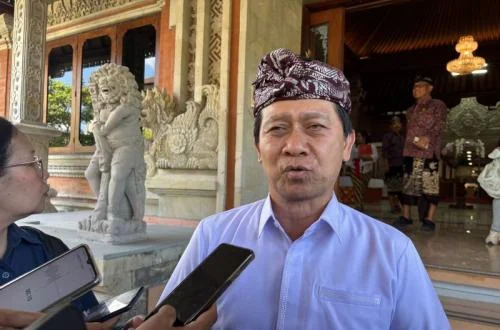
The Bali Provincial Regional People’s Representative Council (DPRD) is advocating for a significant revision of the Regional Regulation (Perda) concerning Subak, Bali’s revered traditional irrigation system, aiming to establish a stronger legal framework for increasing budgetary assistance to these vital agricultural organizations. This legislative push comes amidst growing alarm over the persistent and rapid reduction of rice paddy fields across the island, a trend that threatens both Bali’s food security and its iconic cultural landscape.
I Nyoman Suwirta, Chairman of Commission IV of the Bali DPRD, confirmed the initiation of discussions on Saturday in Denpasar, emphasizing the urgency of the matter. "We will discuss it, starting with the revision of the Subak regional regulation. Afterwards, we will propose an increase in financial assistance for the 2027 Regional Budget (APBD)," Suwirta stated, highlighting a clear timeline for the proposed legislative and budgetary adjustments. The impetus for this revision is deeply rooted in the escalating issue of land conversion, or ‘alih fungsi lahan,’ which has seen vast swathes of productive agricultural land transformed for tourism, residential, and commercial developments. Members of the council contend that the current level of government attention and financial support for Subak is disproportionate to its strategic role as a pillar of food resilience and an irreplaceable symbol of Balinese cultural tourism.
The Enduring Significance of Subak in Balinese Culture
To fully grasp the gravity of the DPRD’s initiative, it is crucial to understand the profound significance of Subak. Far more than just an irrigation system, Subak is a unique socio-religious institution that embodies the Balinese philosophical principle of Tri Hita Karana – the harmonious relationship between humans, God, and nature. Dating back to the 9th century, this intricate network of canals, weirs, and tunnels manages water distribution for rice paddies through a democratic and spiritual framework. Each Subak unit, comprising a group of farmers sharing an irrigation source, operates autonomously, guided by customary law (awig-awig) and religious rituals. The system ensures equitable water access, fosters communal cooperation, and underpins the spiritual connection between the Balinese people and their land.
Recognizing its universal value, UNESCO inscribed Subak as a World Heritage cultural landscape in 2012, praising its democratic and egalitarian practices and its role in maintaining Bali’s biodiversity and cultural identity. This international recognition underscores its global importance, yet domestically, the system faces existential threats from modern development pressures. The rice paddies themselves are not merely agricultural plots; they are living temples, integrated into the island’s spiritual fabric, providing a picturesque backdrop that is synonymous with Bali’s global appeal as a tourist destination. The loss of these fields, therefore, is not just an economic concern but a cultural and spiritual tragedy. The unique agrarian system, which has sustained Balinese civilization for centuries, is now at a critical juncture, prompting a re-evaluation of policies designed to protect its future.
Chronology of Concerns and Legislative Response
The current legislative push by the Bali DPRD is the culmination of years of growing concern over agricultural land degradation. The issue of land conversion has been a recurring theme in Bali’s development discourse, intensified by rapid tourism growth since the late 20th century.
- Early 2000s: Initial reports and anecdotal evidence begin to highlight increasing land sales for tourism infrastructure, particularly in popular southern Bali regions.
- 2012: UNESCO recognizes Subak as a World Heritage site, bringing international attention to its cultural and ecological value, but also paradoxically increasing the land value in certain Subak areas for potential development.
- Mid-2010s: The pace of land conversion visibly accelerates, driven by a booming tourism sector and speculative investment, leading to more vocal concerns from environmental groups, cultural activists, and local farmers.
- 2019-2024: The period analyzed by the National Land Agency (BPN) reveals the sharpest decline in rice paddy area, marking a significant intensification of the problem. This data serves as a critical factual basis for the current legislative urgency.
- 2025: The Bali Provincial Government issues Governor’s Instruction Bali Number 5 Year 2025, attempting to prohibit agricultural land conversion. This demonstrates official recognition of the problem but also, in hindsight, points to the limitations of such instructions without stronger legal backing and enforcement.
- Late 2025 – Early 2026: DPRD members, particularly Commission IV, intensify their calls for a more robust legal framework to protect Subak, culminating in the current proposal to revise the Perda concerning Subak and increase its budgetary support. The disparity in financial aid compared to Desa Adat becomes a key point of contention.
- Saturday (Date of Article): I Nyoman Suwirta publicly announces the impending discussions for the Perda revision, signaling the formal beginning of the legislative process aimed at addressing these long-standing issues. The target for increased financial assistance is set for the 2027 APBD, indicating a medium-term strategy.
Alarming Rate of Rice Field Shrinkage
The primary catalyst for the DPRD’s urgent call to action is the alarming data on agricultural land conversion. Statistics from the National Land Agency (BPN) of Bali Province reveal a stark reality: Bali’s rice paddy area has shrunk by a staggering 6,521.81 hectares between 2019 and 2024. From an initial 70,995.87 hectares in 2019, the total area dwindled to 64,474 hectares by 2024. This represents a substantial decrease of approximately 9.19 percent over just five years, translating to an average annual reduction of about 1.53 percent. This rate of decline is profoundly concerning. If left unchecked, the trajectory suggests that Bali’s rice fields could be severely depleted within a few decades, fundamentally altering the island’s landscape, economy, and cultural identity.
The implications for food security are particularly dire. Bali, a province heavily reliant on tourism, also strives for a degree of food self-sufficiency, particularly in staple crops like rice. A diminishing agricultural base would necessitate increased reliance on external food supplies, potentially leading to price volatility and vulnerability to supply chain disruptions. This contradicts national food security objectives and poses a significant risk to the island’s resilience. According to the Bali Statistics Agency (BPS), rice production in Bali has shown fluctuating trends, but the underlying capacity for self-sufficiency is undeniably eroded by land loss. In 2023, Bali produced approximately 570,000 tons of unhusked rice (gabah), but with a growing population and tourism demand, maintaining this output on shrinking land is increasingly challenging.
Paradoxically, the Bali Provincial Government has attempted to counter this trend by issuing Governor’s Instruction Bali Number 5 Year 2025, which explicitly prohibits the conversion of agricultural land. While the intention behind this instruction is commendable, its effectiveness appears to be limited, as evidenced by the continued decline in rice paddy area. This suggests that mere prohibitions are insufficient without robust enforcement mechanisms, stronger incentives for farmers to maintain their land, and comprehensive spatial planning that prioritizes agricultural preservation over rapid, often unplanned, development. The economic pressures driving land conversion—primarily the lucrative returns from selling land for villas, hotels, and commercial complexes—often outweigh the regulatory disincentives, creating a challenging environment for conservation efforts. Land speculation, fueled by both domestic and international investors, further exacerbates the problem, pushing land prices beyond the reach of local farmers, who often face difficult choices when presented with substantial offers for their ancestral lands.
Inadequate Financial Support and Its Consequences
Another critical aspect highlighted by the DPRD is the perceived inadequacy of financial assistance provided to Subak organizations. According to Bali Governor Regulation Number 61 Year 2025, which details the Semesta Berencana Provincial Budget for 2026, each Subak unit is slated to receive only Rp15 million (approximately USD 950 at current exchange rates) in Special Financial Assistance (BKK). With 2,883 active Subak units remaining across Bali, this allocation is considered woefully insufficient to address the myriad challenges faced by these traditional agricultural bodies.
The current BKK allocation stands in stark contrast to previous years, indicating a fluctuating and often decreasing trend in support. In 2024, for instance, BKK for Subak reached Rp50 million per unit, before subsequently declining to Rp25 million, then briefly to Rp10 million, and now marginally increasing to Rp15 million for 2026. This inconsistency and general downward trend are particularly concerning when juxtaposed with the significant increase in BKK for Desa Adat (traditional villages), which saw their annual allocation rise substantially from Rp250 million to Rp300 million per year. While support for Desa Adat is undoubtedly crucial for preserving Balinese customs and traditions, the DPRD argues that Subak, as the backbone of the island’s agricultural and cultural landscape, deserves comparable, if not greater, financial recognition. The perception of an imbalance in funding priority has fueled the legislative call for revision.
The challenges confronting Subak members are multifaceted and complex. Farmers grapple with increasingly unpredictable water availability due to climate change and upstream development, rising costs of fertilizers and pesticides, and persistent threats from pests and diseases. Furthermore, the market prices for agricultural produce often fail to provide a fair return for their labor and investment, leaving many farmers struggling to make ends meet. According to a 2023 study by the Bali Agricultural Department, the average net income for rice farmers per hectare per season is often marginal, barely covering operational costs. This economic strain, coupled with the allure of higher-paying jobs in the tourism sector or the lucrative option of selling their land, makes it increasingly difficult for farmers, especially the younger generation, to commit to traditional rice farming. The lack of adequate financial support directly undermines the resilience of the Subak system and its ability to adapt to these modern pressures, leading to a generational shift away from farming.
Official Responses and Broader Implications
I Nyoman Suwirta’s statements underscore the legislative body’s conviction that "partisanship" (keberpihakan) towards Subak must be concretely demonstrated through robust budgetary support, stringent protection of agricultural land, and comprehensive policies designed to sustain the spirit and livelihood of farmers. He argues that without such concerted efforts, the continuous pressure from urban development and land conversion will inevitably lead to the irreversible degradation of Bali’s agricultural heritage.
While no other direct quotes were provided, it is logical to infer the sentiments of other key stakeholders:
- Subak Leaders (Pekaseh): Would likely express profound frustration over the financial constraints, the difficulty in maintaining irrigation infrastructure, and the struggle to retain younger generations in farming. They would advocate for more substantial, consistent funding and stronger legal protections against land sales.
- Agricultural Experts: Would emphasize the ecological and economic necessity of Subak, pointing out the long-term environmental costs of land conversion and the risks to Bali’s food sovereignty. They might propose integrated land-use planning, sustainable farming techniques, and market interventions to support farmers.
- Cultural Preservationists: Would highlight the erosion of Bali’s unique identity and the UNESCO World Heritage status if the Subak landscape continues to diminish. They would call for policies that prioritize cultural and environmental heritage over short-term economic gains.
- Tourism Sector Representatives (progressive): While benefiting from development, some enlightened tourism operators might voice concerns about the loss of Bali’s iconic landscapes, recognizing that the "rice fields" are a key draw for cultural tourism. They might support initiatives that integrate Subak into sustainable tourism models, such as agro-tourism.
The implications of failing to adequately support Subak and curb land conversion extend far beyond the agricultural sector, affecting the very fabric of Balinese society and its global appeal.
Food Security and Economic Resilience: Bali’s reliance on imported food would increase, exposing its economy to global market fluctuations and supply chain vulnerabilities. This poses a fundamental threat to the island’s long-term self-sufficiency and economic stability, particularly in times of crisis like the recent pandemic, which highlighted the importance of local food production. A 2022 report by the Bali Provincial Food Security Agency indicated that while self-sufficiency in rice is currently maintained, the margin is narrowing, making the island vulnerable to external shocks.
Erosion of Cultural Heritage: The Subak system is a living testament to Balinese ingenuity, spirituality, and communal harmony. Its decline would represent an irreversible loss of intangible and tangible cultural heritage, diminishing Bali’s unique identity and the very essence of what makes it a global cultural beacon. The UNESCO World Heritage status itself could be jeopardized if the attributes of outstanding universal value are not maintained, potentially leading to its delisting, which would be a severe blow to Bali’s international standing.
Impact on Tourism: Bali’s world-renowned "cultural landscape" of terraced rice paddies is a major draw for millions of tourists annually. The panoramic views of green fields, the traditional farming activities, and the serene ambiance are integral to the Balinese experience. A significant reduction in these landscapes would inevitably erode Bali’s appeal as a destination for cultural and eco-tourism, potentially leading to a decline in tourist numbers and revenue, thereby undermining the very industry that often drives land conversion. Studies by the Bali Tourism Board have shown that natural and cultural landscapes, including rice fields, consistently rank among the top reasons tourists visit the island.
Environmental Degradation: Rice paddies play a crucial ecological role, acting as natural water filters, flood regulators, and habitats for diverse flora and fauna. Their conversion to concrete structures leads to increased runoff, reduced groundwater recharge, loss of biodiversity, and greater susceptibility to environmental disasters such as flash floods and droughts. The delicate ecological balance of the island, already strained by climate change and development, is at stake. The loss of wetlands also impacts local microclimates and carbon sequestration efforts.
Social Cohesion and Farmer Livelihoods: The Subak system fosters strong community bonds and provides a livelihood for thousands of farming families. Its weakening can lead to social fragmentation, rural exodus, and increased economic disparities. The displacement of farming communities can also lead to social unrest and the loss of traditional knowledge passed down through generations, breaking the intergenerational transfer of agricultural expertise and cultural practices.
The Path Forward: A Call for Integrated Policy and Action
The Bali DPRD’s push for a revised Subak Perda is a critical step towards addressing these multifaceted challenges. The revised regulation must not only provide a stronger legal basis for increased financial aid but also ideally incorporate stricter provisions for land protection, clearer enforcement mechanisms, and perhaps even innovative incentive structures for farmers. This would involve a comprehensive review of existing spatial plans (RTRW) to ensure that agricultural zones are genuinely protected from speculative development and that "green belt" areas are clearly defined and legally safeguarded.
Beyond legislative amendments, a holistic approach is required. This would entail stronger inter-agency coordination, from the provincial government down to the village level, involving BPN, the Department of Agriculture, environmental agencies, and customary institutions. Public awareness campaigns could also play a role in fostering a greater appreciation for Subak and the importance of agricultural land among the wider Balinese population and potential investors. Additionally, exploring innovative funding mechanisms such as carbon credits for rice paddies or dedicated environmental levies from the tourism sector could provide sustainable financial streams for Subak. Initiatives like promoting organic farming and direct farmer-to-consumer markets could also empower farmers economically.
Ultimately, the future of Subak, and indeed much of Bali’s unique identity, hinges on a collective commitment to balance economic development with cultural and environmental preservation. The DPRD’s initiative signals a renewed determination to protect this invaluable heritage. The success of this endeavor will depend on the political will to translate legislative intent into concrete action, ensuring that the financial support for Subak is not merely increased but sustained, and that policies genuinely empower farmers to continue their age-old practice, thereby safeguarding Bali’s rice fields for generations to come. The upcoming discussions on the Perda revision and the subsequent budgeting for 2027 will be pivotal moments in this ongoing struggle to preserve the heart and soul of the Island of the Gods, ensuring its sustainable future amidst the pressures of modernization.