Tata Titiana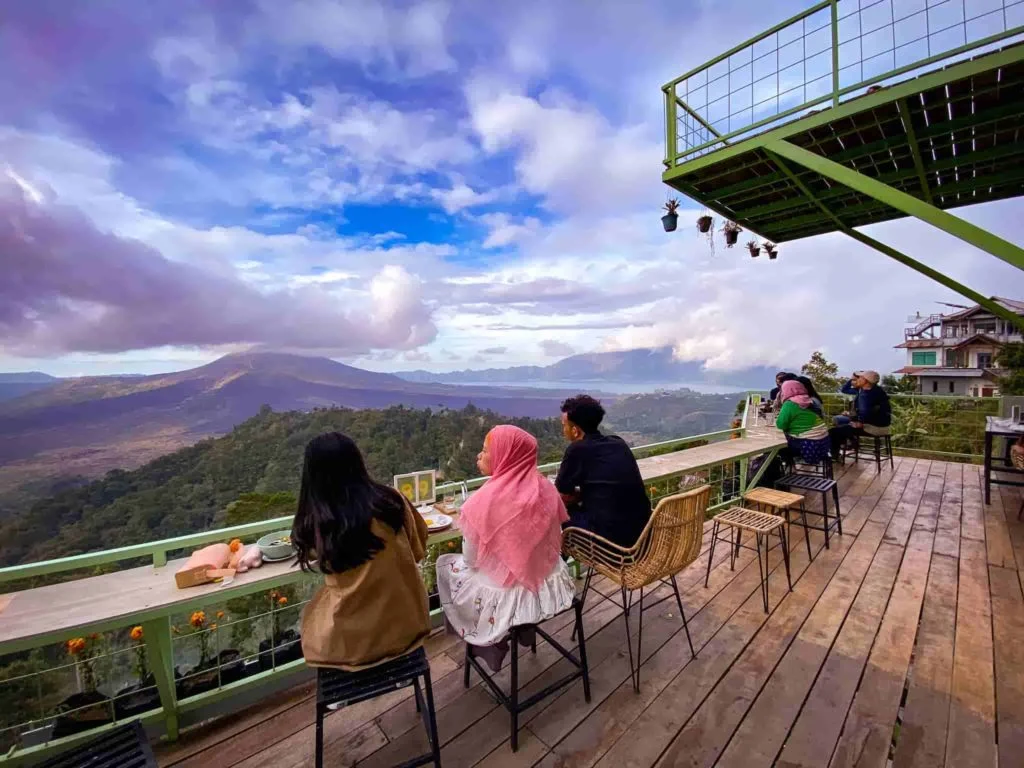
Bali, often hailed as Indonesia’s tourism paradise, continues to captivate visitors with its unparalleled natural beauty and vibrant cultural tapestry. Beyond its iconic beaches and spiritual sites, the island boasts a burgeoning scene of unique cafes and eateries, many strategically perched amidst serene highlands, offering visitors a chance to connect with nature while enjoying delicious food and drinks. These establishments have become increasingly popular destinations for both locals and tourists seeking a tranquil escape, a romantic rendezvous, or a memorable gathering with friends, all while being enveloped by awe-inspiring natural panoramas.
The Allure of Kintamani’s Elevated Escapes
The Kintamani region, renowned for its dramatic caldera landscape, has emerged as a prime destination for these nature-infused cafes. Situated in the Bangli Regency, Kintamani offers a cooler climate compared to the coastal areas of Bali, making it an attractive respite. The region’s topography, characterized by rolling hills and the majestic presence of Mount Batur, Mount Abang, and Mount Agung, provides a dramatic backdrop that elevates the dining experience to an art form. The proximity to Batur Lake further enhances the picturesque settings, creating a visual symphony of volcanic grandeur and tranquil waters.
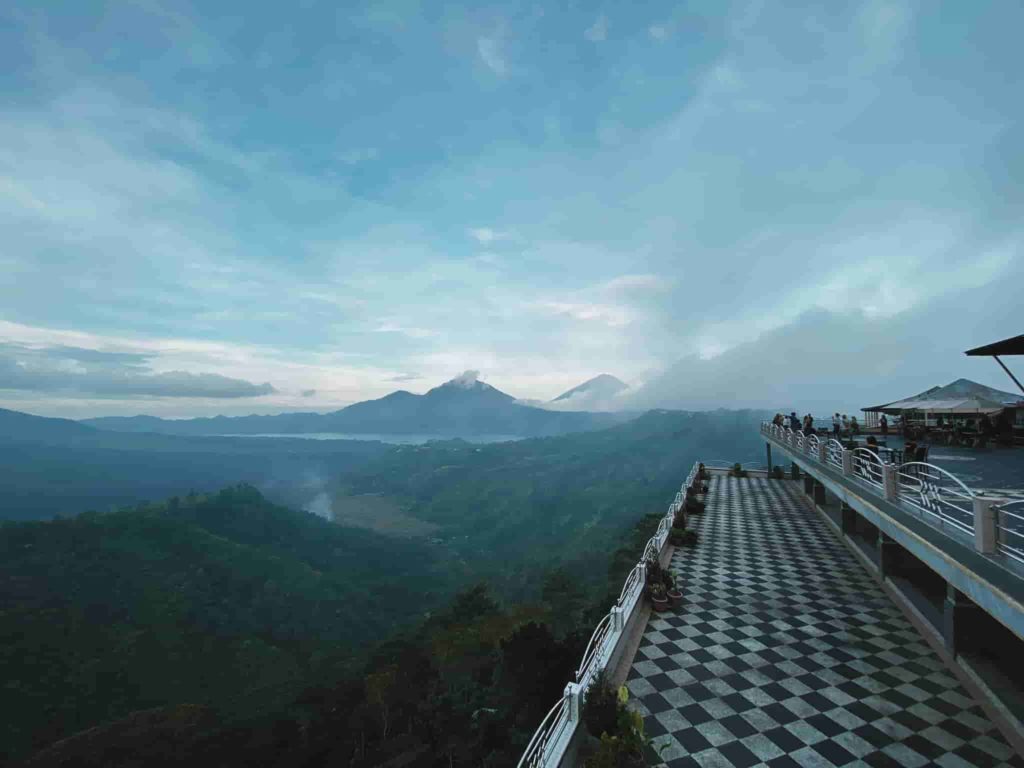
This unique geographical advantage has spurred the development of numerous cafes and restaurants that prioritize not just culinary offerings but also the immersive experience of their surroundings. These venues often feature open-air seating, expansive windows, and rooftop terraces designed to maximize the breathtaking views, particularly of the iconic Mount Batur caldera. The cool mountain air, often dipping to 17-18 degrees Celsius, adds another layer of comfort, inviting patrons to linger and savor the moment.
Spotlight on Premier Kintamani Cafes
Several establishments in Kintamani have distinguished themselves by their exceptional locations and ambiance, becoming must-visit spots for those seeking an elevated Bali experience.
Tegu Kopi: A Panoramic Haven
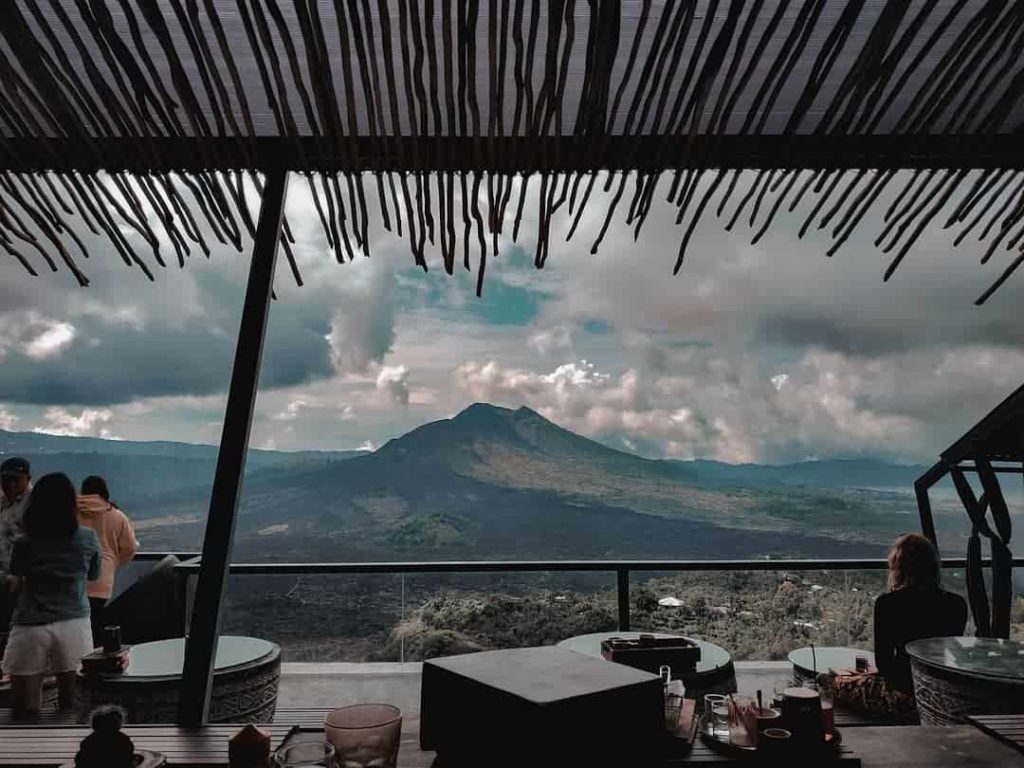
Opened in December 2019, Tegu Kopi, located on Jalan Raya Penelokan in Kintamani, has quickly become a popular destination. Its strategic position on the hills provides unobstructed views of the imposing Mount Batur, Mount Abang, and Mount Agung, along with the serene expanse of Batur Lake. This vantage point allows visitors to witness the changing moods of the landscape throughout the day, from the crisp morning light to the breathtaking spectacle of the sunset painting the mountains in hues of orange and purple. The cafe’s design often incorporates natural elements, blending seamlessly with the environment, and its name, "Tegu Kopi," suggests a focus on quality coffee, a perfect accompaniment to the stunning scenery.
Eco Bike Coffee: Multi-Level Charm and Verdant Views
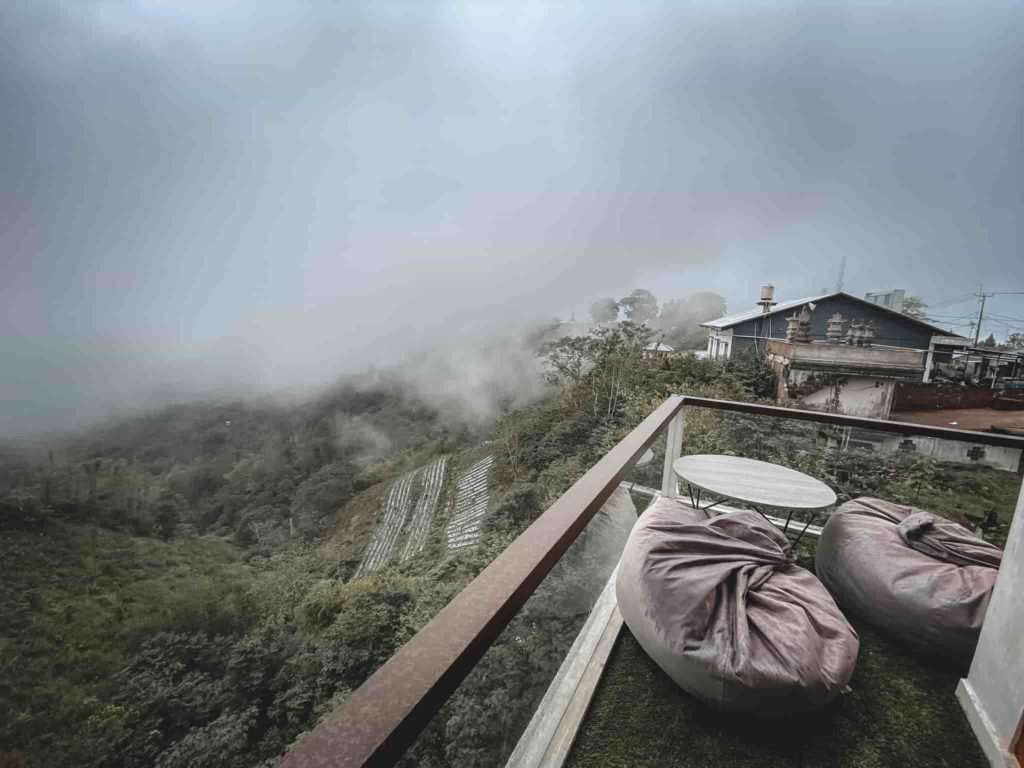
Eco Bike Coffee presents a unique, multi-story experience for its visitors. The establishment boasts three distinct levels, each offering a different perspective of the Kintamani landscape. The first floor often houses accommodation and a coffee plantation, providing an intimate connection with the source of their beverages. The third floor, a spacious outdoor rooftop, is the prime spot for panoramic views. This elevated position allows guests to fully appreciate the grandeur of the volcanoes and the caldera. However, visitors are advised to check the weather forecast before their visit. During periods of fog, the majestic volcanic peaks can be obscured, revealing only a surreal white expanse, a different but equally captivating natural phenomenon. The integration of "Eco" in its name suggests a commitment to sustainable practices and a harmonious relationship with the environment.
Akasa Coffee: Comfort Amidst the Peaks
Akasa Coffee, also situated in the Kintamani area, is highly recommended for its comfortable ambiance and its remarkable views. From its premises, patrons can gaze upon the majestic Mount Batur, further enhanced by the cool, refreshing mountain air. For those sensitive to the cold, a jacket is advisable. The cafe offers a diverse menu, including breakfast options, beers, and a variety of coffees and teas. While prices are generally in the mid-range, with most items around Rp 150,000, the experience of dining with such a spectacular backdrop justifies the cost. Visiting during clear weather is particularly recommended to fully appreciate the visual splendor. The name "Akasa," often associated with the sky or ether in Sanskrit, hints at the expansive and open feeling of the location.
Batur 1926: Sunrise Serenity and Architectural Appeal
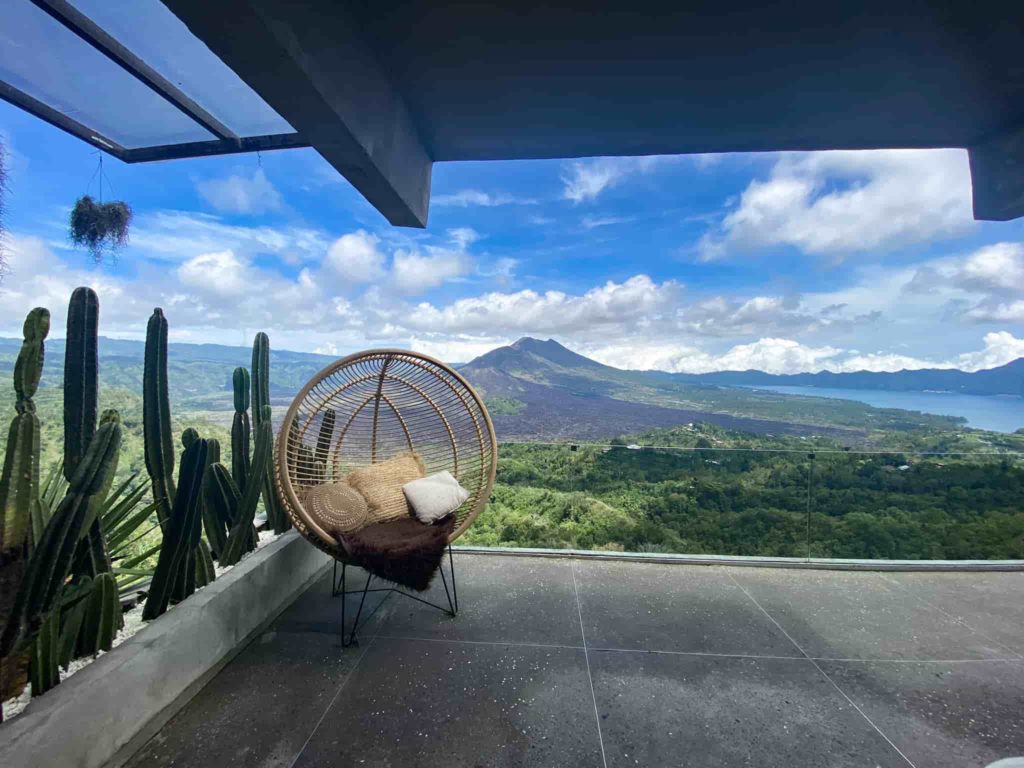
Batur 1926 offers a unique opportunity to witness a tranquil sunrise, a truly soul-stirring experience. Arriving around 5:30 AM allows visitors to greet the dawn as it gently illuminates the landscape. On clear days, the view extends to encompass three prominent mountains: Mount Batur, Mount Abang, and the distant Mount Agung. Beyond its natural vistas, Batur 1926 also appeals to the aesthetically inclined with its unique and Instagrammable architecture. The design often incorporates traditional Balinese elements, such as the distinctive Balinese gate found on its rooftop terrace, making it an ideal spot for capturing memorable photographs. The name "Batur 1926" may allude to a historical significance or a founding year, adding a layer of narrative to the establishment.
Kava Coffee: Lakeside Charm with Volcanic Vistas
Kava Coffee is uniquely positioned on the shores of the legendary Batur Lake, offering a different yet equally captivating perspective. From this vantage point, visitors can admire not only the tranquil waters of the lake but also the imposing presence of Mount Batur, Mount Abang, and Mount Agung. Upon entering, guests are greeted by a captivating interior design that thoughtfully complements the surrounding natural beauty, particularly the silhouette of Mount Batur. The cafe features semi-outdoor seating with long tables and chairs, allowing patrons to feel connected to the environment. Large glass doors further enhance this connection, ensuring that the stunning outdoor panorama remains visible even from within the cozy interior. The name "Kava" might be a nod to the ceremonial drink, suggesting a place for relaxed enjoyment and conversation.
Beyond the Views: The Broader Impact
The rise of these elevated cafes in Bali, particularly in the Kintamani region, signifies a broader trend in the tourism industry. It reflects a growing demand for experiences that go beyond conventional sightseeing, emphasizing immersion in nature, tranquility, and unique local flavors. These establishments not only provide economic opportunities for the local communities through employment and supply chains but also contribute to the diversification of Bali’s tourism offerings.
Supporting Data and Context
The Kintamani caldera, a result of a massive volcanic eruption thousands of years ago, is a UNESCO Global Geopark. This designation underscores the region’s geological significance and its potential for both scientific research and tourism. The caldera itself is home to a vast lake and several villages, including the Batur area, which has historically been a center for agriculture and traditional crafts.
The development of these cafes taps into the increasing popularity of "Instagrammable" locations, where aesthetic appeal and shareable moments are highly valued by travelers, especially the younger demographic. This trend has fueled investment in creating visually striking and unique dining environments.
Furthermore, the emphasis on "nongkrong" – a casual term for hanging out or chilling – highlights a cultural shift where cafes are seen not just as places to eat or drink, but as social hubs for relaxation, conversation, and connection. The combination of natural beauty, comfortable ambiance, and good company makes these Kintamani cafes ideal for such purposes.
Implications for the Future
The success of these mountain cafes suggests a promising future for eco-tourism and experiential travel in Bali. As travelers increasingly seek authentic and nature-centric experiences, regions like Kintamani are poised to become even more prominent. However, sustainable development practices will be crucial to preserve the natural beauty and cultural integrity of these areas. Balancing increased tourism with environmental conservation and local community well-being will be key to ensuring the long-term viability and appeal of these extraordinary destinations. The continued innovation in cafe design and offerings, coupled with the enduring allure of Bali’s natural landscapes, promises to keep these elevated escapes at the forefront of the island’s vibrant tourism scene.