Tata Titiana
Indonesia’s tourism landscape, vibrant and diverse, owes an often-overlooked debt to its colonial past. The archipelago’s strategic position, particularly after the opening of the Suez Canal, transformed it into a crucial hub for European trade and, subsequently, a destination for burgeoning leisure travel. As steamships began ferrying affluent travelers to its shores in the 19th century, the Dutch East Indies administration recognized the need for sophisticated accommodations. This foresight led to the construction of numerous hotels, primarily on the island of Java, many of which stand today not just as operational establishments but as living monuments to Indonesia’s rich and complex history. These venerable institutions, built during the Dutch colonial era, continue to welcome guests, offering a unique blend of contemporary comfort and historical resonance.
The genesis of modern Indonesian tourism is intrinsically linked to the development of these colonial-era hotels. Experts often point to the establishment of these establishments as the initial markers of the nation’s engagement with international tourism. What remains largely unknown to many is that a significant number of these historic hotels, erected during the Dutch East Indies period, are still in operation, serving as tangible links to a bygone era. This article delves into some of these remarkable hotels, exploring their historical significance, architectural heritage, and continued relevance in Indonesia’s contemporary hospitality scene.
Hotel Indonesia Kempinski: A Post-War Icon of Grandeur
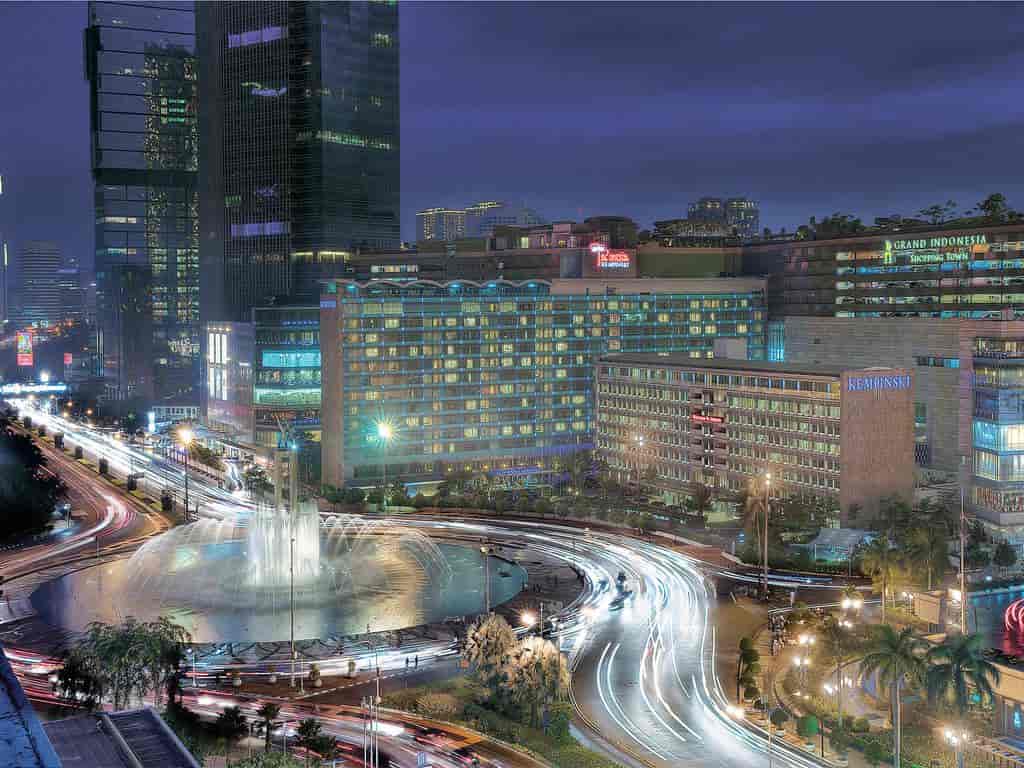
Standing as a testament to Indonesia’s post-independence ambition and its enduring international connections, Hotel Indonesia Kempinski holds a special place in the nation’s architectural and historical narrative. Its origins trace back to the aftermath of World War II, specifically to reparations from the Japanese occupation. Inaugurated in 1962, the hotel was a monumental undertaking, designed to accommodate athletes and dignitaries attending the IV Asian Games held in Jakarta. At its opening, it was not only Indonesia’s first five-star luxury accommodation but also the tallest building in Jakarta, symbolizing the nation’s burgeoning modernity and self-confidence on the global stage.
The hotel’s prominence was further underscored by its role in hosting state visits and international events. A notable recent instance occurred in 2020 when King Willem-Alexander and Queen Máxima of the Netherlands stayed at the hotel during their official visit to Indonesia. Their accommodation in the hotel’s premier suites, reportedly equipped with bulletproof glass, highlighted the hotel’s continued status as a venue for high-profile guests and its symbolic connection to the Dutch royal family, despite the nation’s independence. This juxtaposition of its colonial-era roots and its post-independence resurgence makes Hotel Indonesia Kempinski a compelling case study in national identity and historical continuity.
The architectural style of Hotel Indonesia Kempinski reflects the optimism and modernist aspirations of the early 1960s, a period when Indonesia was forging its own identity. While its exterior has undergone renovations to meet contemporary standards, the core structure and its historical significance remain. The hotel’s strategic location in the heart of Jakarta has ensured its continued relevance as a hub for business and leisure travelers alike. Its enduring presence serves as a reminder of Indonesia’s journey from colonial rule to becoming a prominent player in regional and global affairs.
Hotel Majapahit Surabaya: A Crucible of Indonesian Independence
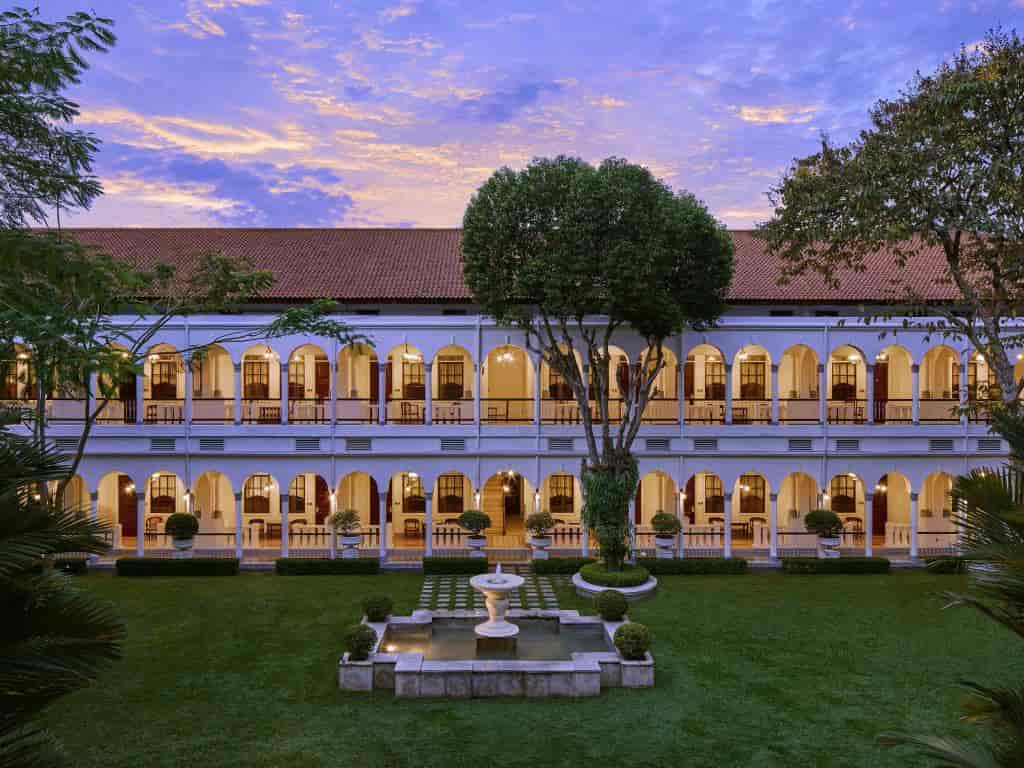
Hotel Majapahit in Surabaya is far more than just a historic hotel; it is a silent witness to pivotal moments in Indonesia’s struggle for independence. Opened in 1910 by the Armenian Sarkies Brothers, it was initially known as Hotel Oranje, a name that clearly reflected its Dutch colonial identity. During the Japanese occupation, its name was changed to Hotel Yamato, further marking the shifts in power that swept across the archipelago.
The hotel’s most indelible mark on history occurred on September 19, 1945, just weeks after Indonesia declared its independence. In a dramatic act of defiance against the lingering Dutch presence, Indonesian youths scaled the hotel and tore off the blue section of the Dutch flag, leaving only the red and white of the Indonesian flag. This act, known as the "Battle of Surabaya," symbolized the fierce determination of the Surabayan people and became a potent emblem of the nation’s fight for sovereignty. The event is etched into the hotel’s lore, and a plaque commemorates this historic incident.
Architecturally, Hotel Majapahit embodies the grandeur and colonial elegance of its era. Its distinctive architecture, a blend of Dutch and Javanese influences, has been meticulously preserved, offering guests a step back in time. The hotel has undergone several ownership changes and renovations throughout its history, adapting to evolving hospitality standards while striving to maintain its historical integrity. Its continued operation as a luxury hotel underscores its enduring appeal and its role as a cultural landmark in Surabaya, the "City of Heroes." The stories embedded within its walls continue to resonate, attracting history enthusiasts and travelers seeking an authentic experience of Indonesia’s past.
Royal Ambarukmo Yogyakarta: A Royal Legacy and a Presidential Vision
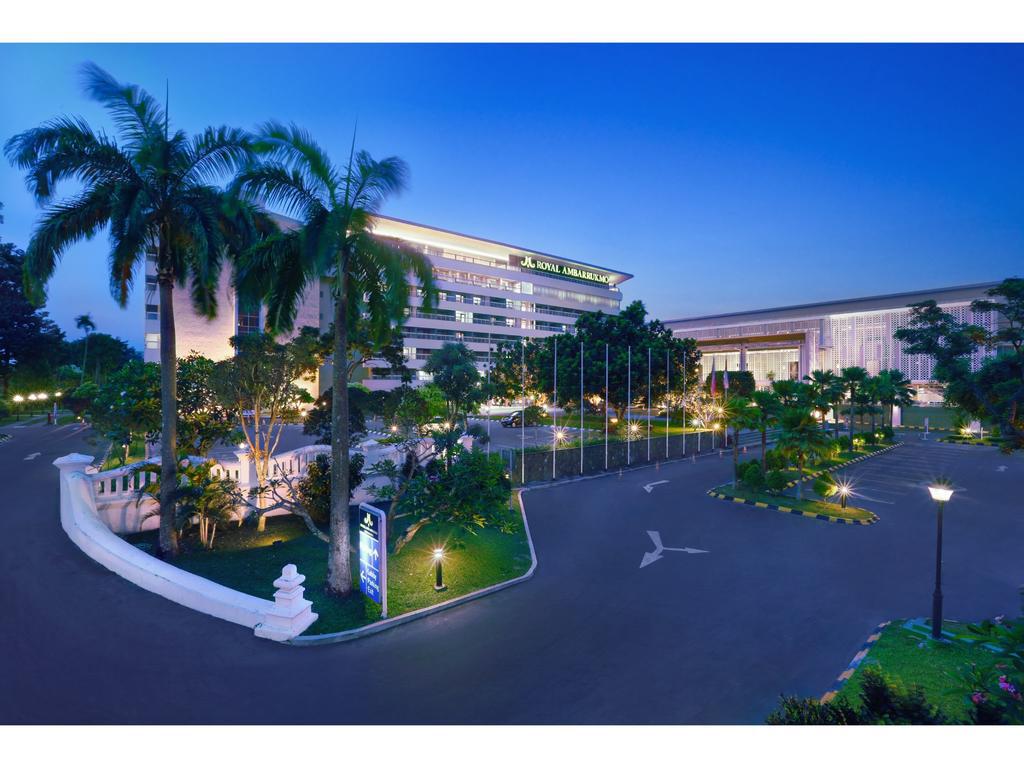
Nestled in the cultural heart of Indonesia, Yogyakarta, the Royal Ambarukmo Yogyakarta hotel stands as a unique blend of royal heritage and national vision. Originally built by Sultan Hamengku Buwono V, the hotel’s foundations are deeply rooted in the history of the Yogyakarta Sultanate. Its transformation into a modern hotel, however, was spearheaded by President Soekarno in 1966. As part of his initiative to promote Indonesia as an international tourist destination, he designated Royal Ambarukmo as one of the first four hotels in the nation to be promoted as international-class establishments.
This dual legacy—one of royal patronage and another of presidential foresight—positions Royal Ambarukmo as a significant historical site. The hotel’s architecture reflects a harmonious integration of traditional Javanese aesthetics with modern design elements, creating an ambiance that is both regal and contemporary. Its sprawling grounds and luxurious facilities, including a golf course and a poolside bar, were designed to cater to the discerning international traveler of the era, a vision that continues to be realized today.
The hotel’s promotion by President Soekarno was a strategic move to leverage Indonesia’s rich cultural heritage and natural beauty to attract foreign currency and foster international understanding. The choice of Yogyakarta, a city steeped in Javanese tradition and the seat of a powerful Sultanate, was deliberate. Royal Ambarukmo, with its royal connections and presidential endorsement, became a flagship for this national tourism agenda. Today, it continues to offer a five-star experience, drawing guests who appreciate its historical depth, its connection to Indonesian royalty, and its role in the nation’s early tourism development efforts.
Hotel Savoy Homann Bandung: Art Deco Elegance and Global Encounters
Hotel Savoy Homann in Bandung, West Java, is a captivating example of early 20th-century Art Deco architecture and a testament to the city’s golden age as a colonial resort. Located on Jalan Asia-Afrika, a thoroughfare that would later become historically significant for the 1955 Asian-African Conference, the hotel has witnessed a century of Indonesian history unfold. The hotel’s original design, conceived by Dutch architect Albert Aalbers in 1939, was inspired by the undulating forms of ocean waves, a striking departure from more conventional architectural styles of the time. This innovative design immediately set it apart, earning it a reputation for its avant-garde aesthetic.
The hotel was initially owned by the Homann family, who were renowned for their culinary offerings, particularly Ibu Homann’s famous rijsttafel, a lavish Dutch colonial feast. The name change to Savoy Homann in 1940 further solidified its prestigious standing. During its heyday, it attracted a cosmopolitan clientele, including international celebrities and dignitaries. Notably, the legendary silent film star Charlie Chaplin is recorded as having stayed at the hotel, underscoring its global appeal and its role as a sophisticated destination for the international elite.
The architectural legacy of Savoy Homann is its enduring charm. The building’s distinctive curves and spacious interiors evoke a sense of timeless elegance. While it has undergone renovations to modernize its facilities and ensure compliance with contemporary safety standards, its Art Deco soul remains intact. The hotel’s location in Bandung, a city that was once the "Paris of Java" during the colonial era, further enhances its historical significance. Today, Hotel Savoy Homann continues to operate, offering guests a chance to experience the glamour and architectural brilliance of a bygone era, interwoven with the vibrant spirit of modern Bandung.
Inna Bali Heritage Hotel: A Pioneer in Balinese Hospitality
The Inna Bali Heritage Hotel holds the distinction of being one of Bali’s earliest luxury accommodations, opening its doors on August 22, 1927. This marked a significant moment in the island’s transition into a global tourist destination. At a time when European travelers were increasingly venturing to the East, many arriving via the formidable Koninklijke Paket-vaart Maatschappij (Royal Packet Navigation Company) steamships, the need for comfortable and sophisticated lodgings in Bali became paramount. The establishment of the Inna Bali Heritage Hotel directly addressed this demand, laying the groundwork for the island’s future as a world-renowned tourism hotspot.
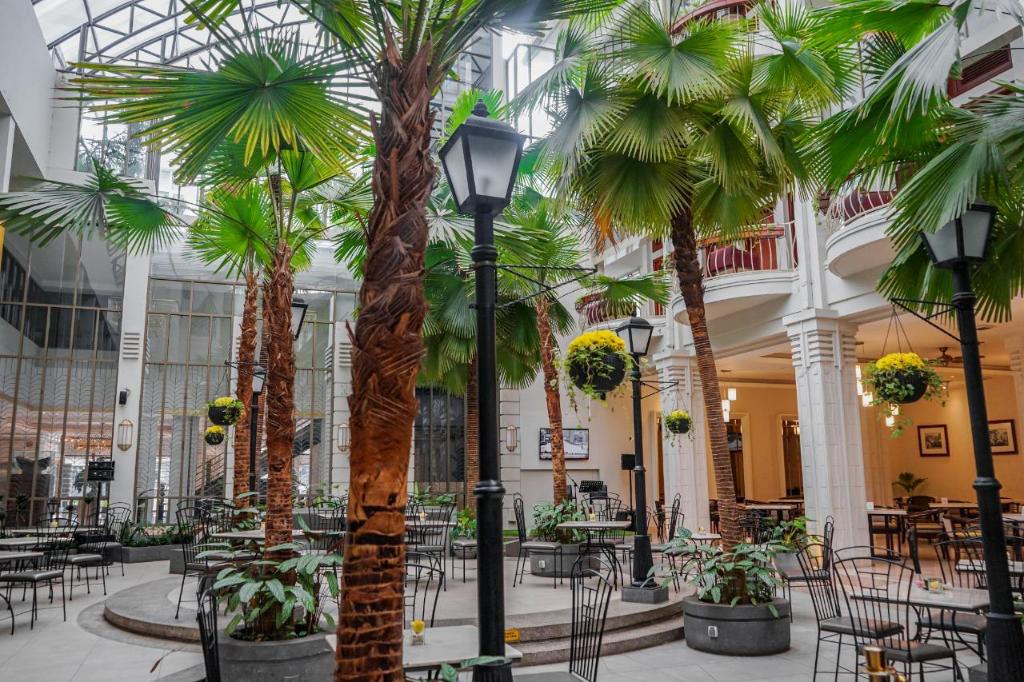
Located in Denpasar, the provincial capital, the hotel was initially envisioned as a high-end retreat for these early international visitors. Its design and amenities were intended to provide a taste of colonial comfort amidst the exotic allure of Bali. The hotel’s introduction of a three-star luxury standard in Bali at that time was groundbreaking, setting a precedent for the island’s hospitality industry. Its facilities, including gardens, a restaurant, a swimming pool, and a café, were designed to offer a comprehensive resort experience.
The Inna Bali Heritage Hotel’s historical importance lies not only in its pioneering role but also in its enduring presence. It stands as a tangible link to the early days of Balinese tourism, a period when the island began to capture the imagination of the world. While Bali has since seen an explosion of diverse accommodation options, the Inna Bali Heritage Hotel remains a significant historical landmark, embodying the initial wave of luxury tourism that shaped the island’s economic and cultural trajectory. Its continued operation allows visitors to experience a piece of Bali’s foundational tourism history, offering a unique perspective on the island’s evolution into a global paradise.
The Enduring Significance of Colonial-Era Hotels
These historic hotels are more than just places to stay; they are cultural touchstones that embody Indonesia’s multifaceted past. Their continued operation speaks to the enduring appeal of their architecture, their historical narratives, and their strategic locations. For travelers, staying in these establishments offers a unique opportunity to connect with the layers of history that have shaped modern Indonesia.
The prices for these accommodations can fluctuate significantly, influenced by factors such as peak and off-peak seasons, inflation rates, local tax policies, and overall demand. Booking during the low season generally presents more economical options. It is always advisable for prospective guests to verify the final pricing before confirming any reservations, ensuring transparency and managing expectations. These hotels, with their stories etched into their very foundations, offer an unparalleled glimpse into Indonesia’s colonial legacy and its remarkable journey into the present day. They serve as vital reminders that the nation’s vibrant tourism sector is built upon a foundation that stretches back over a century, a legacy that continues to be appreciated and preserved.