Nasution Nanang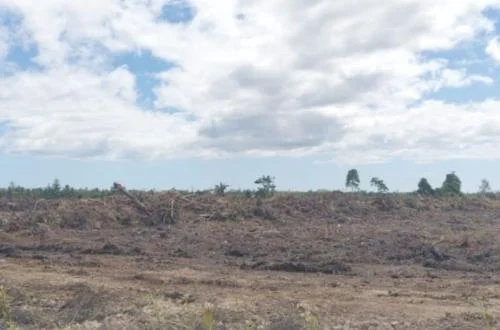
Ambon, Maluku – The Great Center for the Application of Agricultural Modernization (Balai Besar Penerapan Modernisasi Pertanian – BBRMP) Maluku has significantly ramped up its monitoring efforts for the People’s Rice Field Printing Program (Program Cetak Sawah Rakyat – CSR) across six villages within the Seram Bagian Timur (SBT) Regency. This proactive initiative underscores a critical commitment to ensuring the rapid expansion of productive agricultural land, a pivotal step in achieving Indonesia’s ambitious national food self-sufficiency targets. The rigorous oversight aims to meticulously track progress, address potential challenges, and solidify the foundations for sustainable agricultural growth in a region vital to the nation’s food security aspirations.
The National Imperative: Driving Food Self-Sufficiency
Indonesia, an archipelago nation with a vast and growing population, has long grappled with the complex challenge of ensuring adequate food supply for its citizens. Despite its rich agricultural potential, historical fluctuations in production, coupled with increasing demand and the impacts of climate change, have at times led to reliance on food imports, particularly for staple commodities like rice. Recognizing the strategic importance of food sovereignty, successive Indonesian governments have championed programs aimed at bolstering domestic production. The "Program Cetak Sawah Rakyat" (CSR) stands as a cornerstone of this national strategy, designed to unlock underutilized lands and transform them into highly productive rice fields, thereby directly contributing to the overarching goal of swasembada pangan, or food self-sufficiency.
This national mandate extends beyond mere caloric intake; it encompasses economic stability for farmers, rural development, and national resilience against global food market volatility. The CSR program, therefore, is not merely about planting rice; it’s an integrated approach to agricultural development that involves land identification, infrastructure development (like irrigation), farmer empowerment through training, and the introduction of modern farming techniques. Its implementation is a multi-stakeholder endeavor, requiring seamless coordination between central government agencies, regional administrations, agricultural extension workers, and, crucially, the local farming communities themselves. The success of such programs is often measured not just in hectares cultivated or tons produced, but also in the improved livelihoods of farmers and the enhanced food security of local and national populations.
BBRMP Maluku’s Crucial Oversight Role
Head of BBRMP Maluku, Gunawan, emphasized the critical importance of the ongoing monitoring activities. Speaking from Ambon on Thursday, he confirmed that field observations indicate consistent progress in the program’s execution across the six targeted villages in Bula Barat District. This progress, he noted, is significantly bolstered by the robust support and active participation of the local communities. The establishment of new rice fields is projected to substantially increase padi production, thereby fortifying food resilience within the Seram Bagian Timur Regency, a region characterized by its agricultural promise and diverse geographical landscape.
The BBRMP, as an extension of the Ministry of Agriculture, plays a pivotal role in the modernization of Indonesia’s agricultural sector. Its mandate includes researching, developing, and disseminating innovative agricultural technologies and practices. In the context of the CSR program, BBRMP Maluku’s monitoring is not just a compliance check; it’s a strategic intervention to ensure that the principles of modern, sustainable agriculture are integrated from the outset. This includes assessing the suitability of the land for cultivation, evaluating the effectiveness of irrigation systems, and ensuring that farmers are equipped with the knowledge and tools necessary to maximize yields while minimizing environmental impact. The monitoring teams, comprising agricultural experts and technical specialists, conduct regular site visits, engage with local stakeholders, and collect data on various parameters, from soil quality and water availability to planting schedules and pest management strategies. Their findings provide crucial feedback to program implementers and policymakers, enabling timely adjustments and improvements.
Deep Dive into Bula Barat: The Frontline of Expansion
The monitoring efforts by the BBRMP Maluku team specifically covered Desa Waisamet, Waimatakabo, Aki Jaya, Banggoi Pancoran, Jakarta Baru, and Sumber Agung – all located within the Kecamatan Bula Barat (Bula Barat District). This district has been identified as a strategic area for agricultural expansion due to its favorable geographical conditions and the commitment of its local communities. The collective target for the CSR program in Bula Barat District is an ambitious 1,702.433 hectares. This substantial land area represents a significant investment in transforming previously underutilized or fallow lands into productive agricultural zones, thereby creating new opportunities for local farmers and contributing substantially to regional food output.
The selection of these specific villages within Bula Barat was based on a comprehensive assessment of various factors, including land availability, soil fertility, water resources, and community readiness. Preliminary surveys often involve mapping potential areas, analyzing topographical features, and conducting soil tests to determine optimal crops and cultivation methods. Once an area is designated, the process involves land clearing, which can range from manual methods to the use of heavy machinery, followed by the development of essential irrigation infrastructure. Given Maluku’s tropical climate and often challenging terrain, effective water management systems – including canals, dams, and water retention ponds – are paramount to ensuring consistent water supply, especially during dry seasons, and preventing flooding during periods of heavy rainfall. The goal is to establish resilient and productive agricultural ecosystems that can sustain high yields over the long term, thereby safeguarding the region’s food supply against climate variability.
The Unsung Heroes: Agricultural Extension Workers and Farmer Collectives
Integral to the success of the monitoring activities and the broader CSR program are the dedicated Agricultural Extension Workers (Penyuluh Pertanian Lapangan – PPL). During the monitoring visits, PPLs Iwan Rumarubun and Tamiran provided invaluable accompaniment and insights. These frontline agricultural professionals have been instrumental in guiding the program from its nascent stages, encompassing initial land identification, continuous mentorship for farmer groups, and hands-on technical support during field implementation. Gunawan underscored the indispensable role of extension workers, stating, "The presence of extension workers is deemed crucial to ensure every stage of the activity aligns with government planning and established targets." They serve as the vital link between government policies, scientific research, and practical farming applications, translating complex agricultural concepts into actionable advice for local farmers.
Beyond their technical expertise, PPLs are community organizers and problem-solvers. They facilitate the formation and strengthening of farmer groups, recognizing that collective action is often more effective than individual efforts in agricultural development. These groups, such as Kelompok Tani Budidaya, Sumber Makmur, Sri Rezeki, and Aki Jaya Makmur, represented by farmers like Jumari, Solekan, Ahmad Rifai, and Rinto Anamsur, respectively, are the backbone of the CSR program. They provide a platform for knowledge sharing, resource pooling, and collective decision-making. During the monitoring activities, numerous farmers and representatives from these groups actively participated, expressing their unwavering commitment to supporting and ensuring the success of the People’s Rice Field Printing Program. They view the program as a transformative opportunity to enhance agricultural productivity and, consequently, improve their livelihoods and overall welfare. Their active participation, from land preparation to planting and maintenance, is a testament to their ownership of the program and their aspirations for a more prosperous future.
Beyond the Harvest: Socio-Economic and Environmental Implications
The implications of the CSR program in Bula Barat extend far beyond mere increases in rice production. Socio-economically, the expansion of productive agricultural land is expected to generate significant positive ripple effects. Increased farming activities will create new employment opportunities, both directly in cultivation and indirectly in related sectors such as agricultural supply chains, processing, and distribution. This can lead to a reduction in rural poverty, improved household incomes, and enhanced food security at the household level. Furthermore, the program can foster greater economic resilience within the local communities, reducing their vulnerability to external economic shocks. The empowerment of farmer groups also strengthens social capital, encouraging collaborative efforts and collective bargaining power, which can lead to better access to markets and fairer prices for their produce.
From an environmental perspective, the implementation of such large-scale agricultural programs requires careful planning and adherence to sustainable practices. BBRMP Maluku’s focus on "modernization" implies the adoption of eco-friendly techniques, such as efficient irrigation systems that minimize water wastage, the judicious use of fertilizers and pesticides to prevent soil and water contamination, and the promotion of biodiversity within agricultural landscapes. While land clearing for new rice fields inherently alters ecosystems, efforts are made to mitigate negative impacts through environmental impact assessments and the implementation of best management practices. Sustainable land management practices, including crop rotation, organic matter enrichment, and erosion control, are crucial to maintaining soil fertility and ensuring the long-term productivity of the newly developed rice fields, thereby safeguarding the ecological balance of the region for future generations.
Challenges and the Path Forward
Despite the promising progress and strong community support, the implementation of an ambitious program like CSR in a geographically diverse region like Maluku is not without its challenges. These can range from logistical hurdles in transporting equipment and materials to remote villages, to unpredictable weather patterns, pest infestations, and fluctuations in market prices for agricultural commodities. Ensuring the sustainability of irrigation infrastructure, particularly in areas prone to drought or heavy rainfall, requires ongoing maintenance and investment. Furthermore, continuous training and capacity building for farmers are essential to ensure the adoption of modern techniques and the effective management of their expanded lands. Access to credit, improved seed varieties, and post-harvest technologies also remain critical factors for maximizing the program’s long-term success.
Looking ahead, the collaboration between government agencies like BBRMP Maluku, dedicated agricultural extension workers, and proactive farmer groups is envisioned as a powerful catalyst for agricultural sector growth. The CSR program in Bula Barat is poised to become a significant driver of this growth, not only by boosting local rice production but also by serving as a model for sustainable agricultural development in other parts of Maluku and beyond. The insights gained from the monitoring process will be vital in refining strategies, adapting to local conditions, and ensuring that the program continues to evolve to meet the dynamic needs of farmers and the overarching goal of national food self-sufficiency. The continuous integration of technology, data-driven decision-making, and community-centric approaches will be key to overcoming future challenges and solidifying Indonesia’s food security for generations to come.
A Blueprint for Sustainable Agricultural Development
The comprehensive monitoring and active implementation of the People’s Rice Field Printing Program in Seram Bagian Timur represent a strategic investment in Indonesia’s future. By expanding productive agricultural land, empowering local farmers, and promoting modern, sustainable farming practices, the program is making tangible strides toward strengthening regional food security and contributing significantly to the national objective of self-sufficiency in staple foods. This multi-faceted approach, championed by BBRMP Maluku and embraced by the farming communities, lays down a robust blueprint for sustainable agricultural development, ensuring that the bounty of Maluku’s land can continue to feed its people and contribute to the prosperity of the nation. The success in Bula Barat will undoubtedly serve as an inspiration and a practical guide for similar initiatives across Indonesia, reinforcing the nation’s resolve to achieve a future where every citizen has access to adequate, nutritious, and sustainably produced food.