Azin Asro
The global electric vehicle landscape continues to experience rapid evolution as manufacturers strive to deliver enhanced driving ranges, advanced technological ecosystems, and aggressive pricing structures. In the fiercely competitive Chinese domestic market, automotive giant BYD has officially unveiled its latest update to the compact electric SUV segment. Known locally as the Yuan UP and globally recognized in various international markets as the BYD Atto 2, the refreshed 2027 model year introduces a significant battery upgrade, cabin optimizations, and simplified powertrain configurations designed to solidify the brand’s dominance in the affordable electric mobility sector.
With an aggressive starting price of 74,800 yuan—approximately equivalent to USD 10,300 or roughly Rp 190 million—the newly introduced BYD Yuan UP Feichi Edition aims to redefine consumer expectations for entry-level crossover utility vehicles. The headline feature of this latest iteration is the integration of a high-capacity energy storage system that drastically extends the vehicle’s operational range, addressing one of the primary consumer adoption barriers in the electric vehicle industry: range anxiety.
Extended Range Capabilities and Battery Specifications
The core highlight of the 2027 BYD Atto 2 lineup is the introduction of a larger powertrain variant equipped with the company’s proprietary Blade Battery technology. Utilizing a 51.13 kWh capacity configuration, the newly added Feichi Edition delivers an impressive driving range of up to 501 kilometers under the China Light-Duty Vehicle Test Cycle (CLTC). This represents a substantial improvement over the previous generation’s maximum range cap of 401 kilometers.
While CLTC ratings are known for leaning toward optimistic evaluations, industry analysts estimate that under the more rigorous Worldwide Harmonized Light Vehicles Test Procedure (WLTC), this top-tier 501-km variant will comfortably achieve an estimated range of approximately 370 kilometers per full charge. This capability places the compact SUV in a highly competitive position against both domestic rivals and international competitors attempting to capture the budget-conscious urban commuter market.
In addition to the flagship 51.13 kWh variant, BYD maintains a tiered product strategy to accommodate various consumer budgets and daily commuting requirements. The manufacturer continues to offer the established 32 kWh battery option, which delivers a CLTC-rated range of 301 kilometers, alongside the mid-tier 45.12 kWh battery pack, which yields a 401-kilometer range.
Charging efficiency remains a critical pillar of BYD’s engineering philosophy. The updated Atto 2 supports DC fast charging across its lineup, allowing the vehicle to replenish its battery state from 30 percent to 80 percent capacity in approximately 30 minutes. This rapid replenishment time ensures that owners can undertake longer journeys with minimal downtime at public charging stations.
Powertrain Restructuring and Performance Dynamics
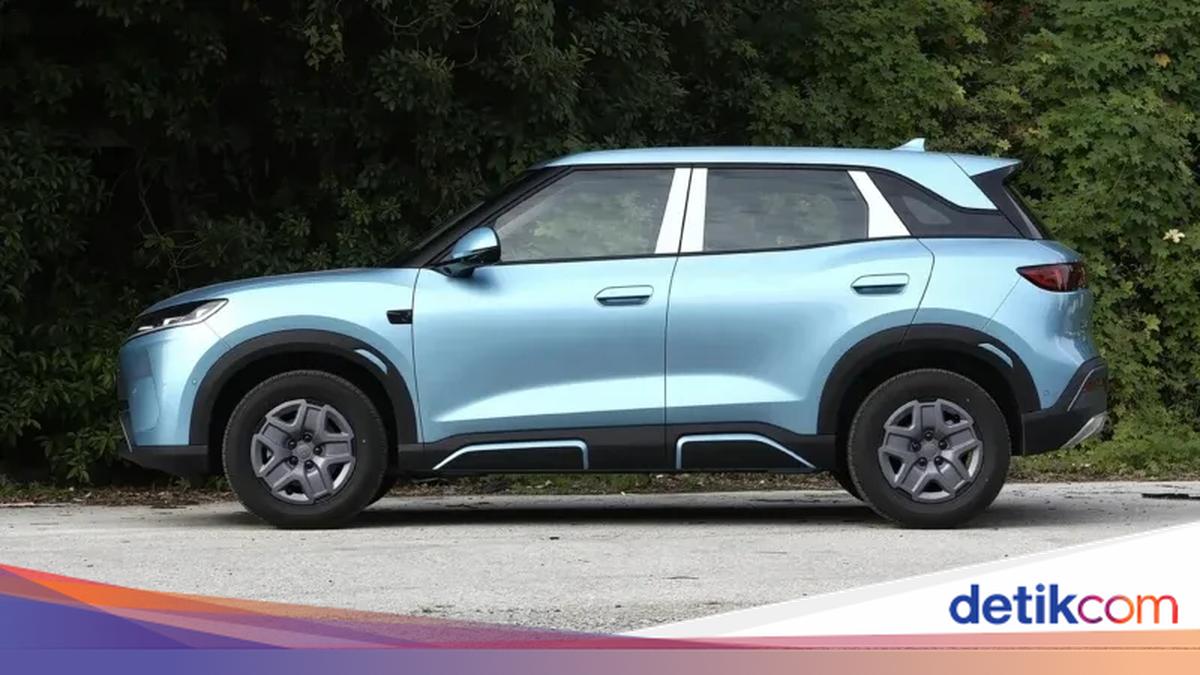
Underneath the updated exterior, BYD has undertaken a comprehensive restructuring of the vehicle’s propulsion system. Previously, the Yuan UP was offered with a choice of two distinct electric motor outputs: a standard 70 kW unit and a more potent 130 kW configuration. For the 2027 model year, however, the automaker has elected to streamline its offerings by standardizing a single motor specification across all five available trim levels.
Every variant of the newly minted Atto 2 now utilizes a front-mounted permanent magnet synchronous electric motor that generates 70 kW of power—equivalent to approximately 94 horsepower—paired with 180 Nm of instantaneous torque. While the elimination of the higher-output 130 kW motor option may appear to be a downgrade on paper, industry experts note that a 70 kW output is more than adequate for the urban and suburban duty cycles typical of a compact crossover. Furthermore, this standardization allows BYD to achieve economies of scale, directly contributing to the vehicle’s low retail price point.
Dimensionally, the 2027 Atto 2 retains the compact footprint of its predecessor, making it exceptionally maneuverable in congested metropolitan environments. The vehicle measures 4,310 millimeters in length, 1,830 millimeters in width, and 1,675 millimeters in height, built upon a wheelbase stretching 2,620 millimeters. This architecture maximizes interior volume while maintaining a tight turning radius suitable for narrow city streets and compact parking spaces.
Interior Ergonomics and Technological Enhancements
Beyond the mechanical updates, BYD has heavily revised the interior cabin of the Atto 2 to enhance ergonomic comfort and perceived quality. One of the most notable layout adjustments is the relocation of the electronic gear selector. BYD engineers have moved the transmission shifter to a steering column stalk behind the steering wheel. This design shift eliminates the traditional physical shifter from the center console, freeing up valuable spatial volume for storage compartments, wireless smartphone charging pads, and dual cup holders.
The redesigned cabin also features a modern two-spoke multi-function steering wheel, heated and ventilated front seats for enhanced climate adaptability in varying weather conditions, and a sprawling panoramic glass roof equipped with an electric sunshade to manage cabin temperatures. Rear-seat passengers benefit from dedicated air conditioning vents, ensuring uniform climate control throughout the cabin. Additionally, modern digital convenience is prioritized through smartphone NFC key integration, allowing owners to unlock, lock, and start the vehicle using their compatible mobile devices.
At the center of the dashboard sits BYD’s signature rotating infotainment display. Powered by the advanced DiLink 100 system, the 12.8-inch touchscreen interface can be pivoted between landscape and portrait orientations depending on driver preference. This is complemented by an 8.8-inch digital instrument cluster directly in front of the driver. The multimedia system incorporates a sophisticated four-zone voice recognition feature, enabling occupants from any seating position to control vehicle functions, navigation, and climate settings via natural voice commands.
Advanced Driver Assistance Systems and Safety Architecture
Safety and driver assistance technologies have also seen significant integration within the 2027 lineup. Select high-end variants of the Atto 2 are equipped with BYD’s proprietary DiPilot C advanced driver assistance system (ADAS). This suite introduces semi-autonomous capabilities, including highway navigation assistance and automated parking functionalities, reducing driver fatigue during long-distance highway commutes and tight urban parking maneuvers.
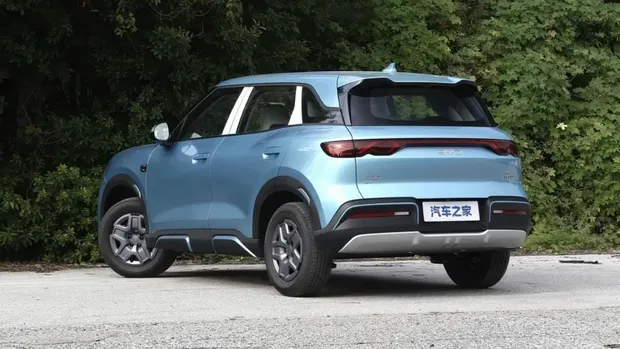
The structural safety of the vehicle is anchored by BYD’s renowned Blade Battery architecture, which has undergone rigorous nail-penetration testing and thermal runaway evaluations to ensure industry-leading safety standards. Combined with a rigid body shell constructed from high-strength steel alloys and a comprehensive array of supplemental airbag restraints, the Atto 2 is engineered to meet stringent global crash-test protocols.
Market Context and Sales Trajectory
The timing of the 2027 Atto 2 launch coincides with a period of remarkable commercial momentum for the vehicle platform in its domestic market. According to recent sales data released for August 2026, the BYD Yuan UP recorded an impressive sales volume of 22,958 units in China alone. This figure represents a notable month-on-month growth of 13.2 percent compared to July 2026, and a robust 16.9 percent year-on-year increase compared to August 2025.
This sustained sales growth underscores the immense consumer appetite for affordable, well-equipped electric crossovers. By continuously refining the product matrix—such as introducing the 501-km Feichi Edition—BYD successfully maintains consumer interest and defends its market share against an increasingly crowded field of domestic competitors, including Geely, Changan, and GAC Aion, as well as joint-venture legacy automakers attempting to pivot toward electrification.
Broader Industry Implications and International Outlook
The rollout of the updated Atto 2 carries profound implications for the global electric vehicle market, particularly as BYD aggressively expands its manufacturing footprint and export operations beyond mainland China. The model, marketed under the Atto nomenclature in various international export regions across Southeast Asia, Europe, Latin America, and Australia, serves as a cornerstone of the brand’s global democratization strategy.
Analysts observe that the ability to offer a 501-kilometer electric vehicle with advanced connectivity and safety features at a price point equivalent to roughly USD 10,300 in its domestic market establishes a formidable benchmark. While international pricing is invariably subject to shipping logistics, import tariffs, local homologation expenses, and regional dealer margins, the baseline cost structure provides BYD with exceptional pricing flexibility abroad.
As international markets grapple with the economic realities of consumer adoption, the availability of lower-cost, high-range electric vehicles like the Atto 2 could accelerate the transition away from internal combustion engine vehicles. By addressing the dual hurdles of affordability and driving range, BYD continues to position itself at the forefront of the global green energy transition, challenging traditional automotive paradigms and reshaping consumer expectations worldwide.