
 Nila Kartika Wati
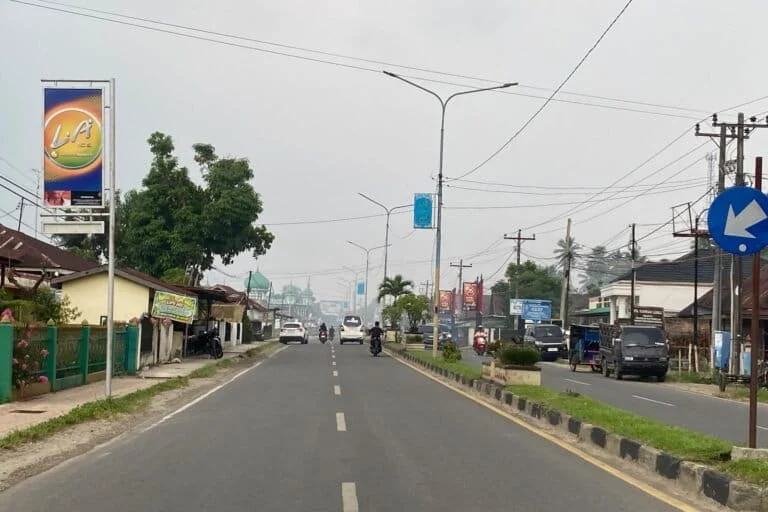
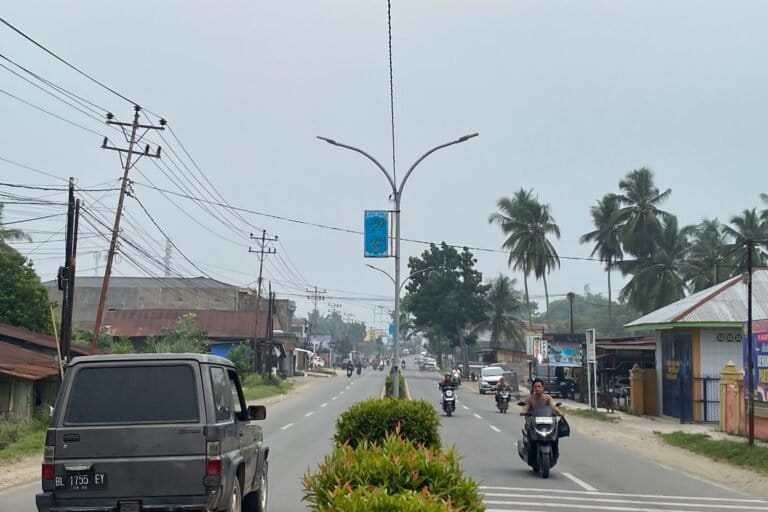
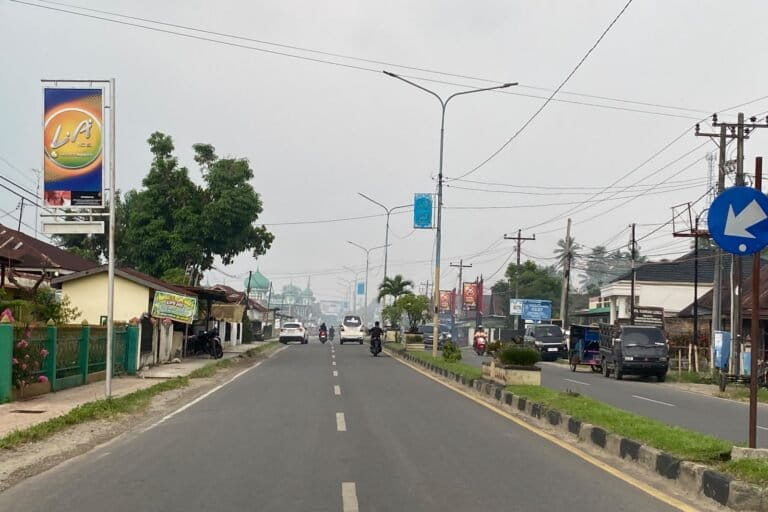
A thick, toxic shroud of haze has descended upon North Sumatra, pushing the region into a state of environmental emergency and sparking a widespread public health crisis. The pollution, characterized by high concentrations of fine particulate matter, has forced authorities to implement drastic measures, including the closure of schools and the suspension of various commercial activities. As the air quality index (AQI) plummets to hazardous levels, over 15.8 million residents are grappling with the consequences of an atmospheric disaster that, according to meteorological officials, is largely being imported from neighboring provinces and regions.
The crisis has placed immense pressure on the provincial government, which is now scrambling to mitigate the impact of air pollution that threatens to paralyze both the economy and the biological well-being of the population. With approximately 85% of North Sumatra’s population falling into vulnerable categories—including young children, the elderly, and women—the urgency for effective intervention has never been higher.
A Chronology of the Crisis and Meteorological Origins
The current atmospheric degradation in North Sumatra did not materialize overnight. Meteorological reports indicate that the haze began to manifest significantly in mid-October 2026. According to Hendro Nugroho, Head of the Meteorology, Climatology, and Geophysics Agency (BMKG) Region I Medan, the intrusion of smoke is a direct consequence of prevailing wind patterns. Since October 16, 2026, air mass movements from the east and southeast have channeled smoke particles from forest and land fires in Southern Sumatra and Kalimantan directly into the heart of North Sumatra.
The arrival of the haze prompted immediate reactions from local authorities. By October 16, the provincial government, under the leadership of Governor Muhammad Bobby Afif Nasution, initiated emergency response protocols. Recognizing the limitations of ground-level suppression, the administration opted for cloud seeding operations—a technical maneuver designed to induce artificial rain to "wash" the particulate matter from the sky. A Cessna aircraft was deployed from the cargo terminal of Kualanamu International Airport in Deli Serdang, targeting the metropolitan areas of Medan, Binjai, and Deli Serdang as primary zones for moisture stimulation.
Vulnerability and Demographic Exposure
The severity of the situation is best understood through the lens of population demographics. Data from the 2025 Inter-Censal Population Survey (SUPAS) conducted by the Central Statistics Agency (BPS) reveals that North Sumatra’s demographic composition is highly susceptible to respiratory and cardiovascular ailments caused by air pollution.
Out of the 15.8 million residents, approximately 4.2 million are children under the age of 15, whose respiratory systems are still in the developmental phase. Furthermore, 1.58 million residents are elderly citizens, a group particularly vulnerable to the exacerbation of chronic diseases such as asthma and heart failure. When combined with the 7.9 million women, a significant portion of whom act as primary caregivers for these vulnerable groups, the total population at risk exceeds 13 million people.
The social implications are profound. In cities like Medan and rural districts including Karo, Toba, and Mandailing Natal, the mandatory school closures have disrupted educational continuity. Beyond the classroom, the economic toll is mounting. The service, retail, and tourism sectors—most notably in the Lake Toba region—have reported a sharp decline in activity as citizens practice self-imposed lockdowns to avoid exposure to the toxic air.
Official Responses and the Governance Gap
The provincial government’s position remains complex. Heri Wahyudi Marpaung, Head of the Department of Environment and Forestry (LHK) of North Sumatra, stated in an official press conference that the province itself has been free of fire hotspots for approximately six weeks. According to the LHK, the current crisis is "purely" a result of transboundary pollution.
However, this narrative of external blame has been met with skepticism by local activists and affected citizens. Critics argue that regardless of the origin of the smoke, the lack of proactive regional cooperation and the failure to hold large-scale corporate entities accountable for systemic forest degradation has left the province defenseless.
"The government must be more decisive in prosecuting corporations that operate across borders and engage in forest destruction," said Debora Boru Sihite, a 61-year-old resident of North Tapanuli. Her sentiment reflects a growing frustration among rural populations who feel that their health is being sacrificed for industrial expansion elsewhere. The financial burden of the crisis—manifesting in the rising costs of masks, air purifiers, and medical treatments—is being shouldered by the very people least equipped to pay for it.
Environmental and Ecological Consequences
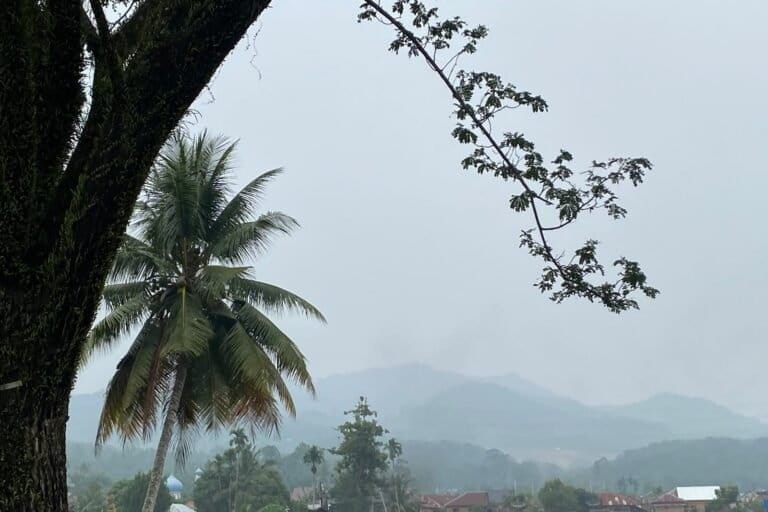
The ecological footprint of this haze extends far beyond human health. The North Sumatra landscape, home to globally significant biodiversity, is currently suffering from what researchers describe as a "choking of the ecosystem."
In the Mandailing Natal region, the Batang Gadis National Park—a critical tropical rainforest—is obscured by a persistent gray mist. The impact on wildlife is immediate and potentially catastrophic. Species that rely on sight for foraging or social interaction are showing signs of behavioral disruption. Furthermore, arboreal primates, such as the critically endangered Tapanuli orangutan (Pongo tapanuliensis) in the Batang Toru ecosystem, are facing a double threat: the direct inhalation of toxic pollutants and the degradation of their food sources.
Azura Borotan, a researcher with the environmental group for Madina, notes that the silence in the forests is an ominous sign. "The songs of the Tapanuli orangutan and the chirping of birds are indicators of forest health. When those sounds fade, we know the ecosystem is under stress," she explained.
The deposition of particulate matter—specifically PM2.5—onto soil and water surfaces creates a chemical imbalance. In regions like Labuhanbatu Utara and Labuhanbatu Selatan, where sensitive bird species thrive, the acidification of shallow-water ecosystems disrupts the food chain, threatening the survival of migratory and endemic avian populations.
Long-term Implications: A Call for Systemic Change
The recurrence of haze in Sumatra serves as a recurring reminder of the fragility of the region’s environmental governance. The reliance on short-term technical fixes, such as cloud seeding, addresses the symptoms but not the root cause.
Experts suggest that for North Sumatra to move beyond this cycle of crises, a shift in regional policy is required. This includes:
- Enhanced Transboundary Monitoring: Moving toward a more integrated real-time data sharing system between provinces to allow for faster preemptive responses.
- Accountability Mechanisms: Strengthening the legal framework to hold corporations, including those with offshore ownership, strictly liable for fire-related damages.
- Infrastructure for Vulnerability: Investing in public health infrastructure specifically designed to handle respiratory emergencies, ensuring that marginalized communities have free and easy access to medical aid during smoke episodes.
- Conservation Investment: Providing greater financial and logistical support for the protection of national parks like Batang Gadis and the Batang Toru forest, ensuring these areas remain resilient against climate-induced stressors.
As the skies over North Sumatra remain gray, the human and ecological cost continues to rise. The government’s ability to navigate this crisis will be measured not just by the amount of rain they can induce, but by their ability to protect the most vulnerable members of society and preserve the remaining biological heritage of the province. Without a shift toward systemic accountability and regional ecological stewardship, the people of North Sumatra remain trapped in a recurring cycle of environmental injustice, waiting for the wind to change while their health and livelihoods hang in the balance.
The coming weeks will be critical. As meteorologists monitor the movement of air masses, local health departments are bracing for a potential surge in hospital admissions for respiratory distress. For the residents of Medan and the surrounding regencies, the immediate future is defined by uncertainty, masked faces, and the desperate hope for a change in the weather that will finally restore the blue skies of the north.