Azin Asro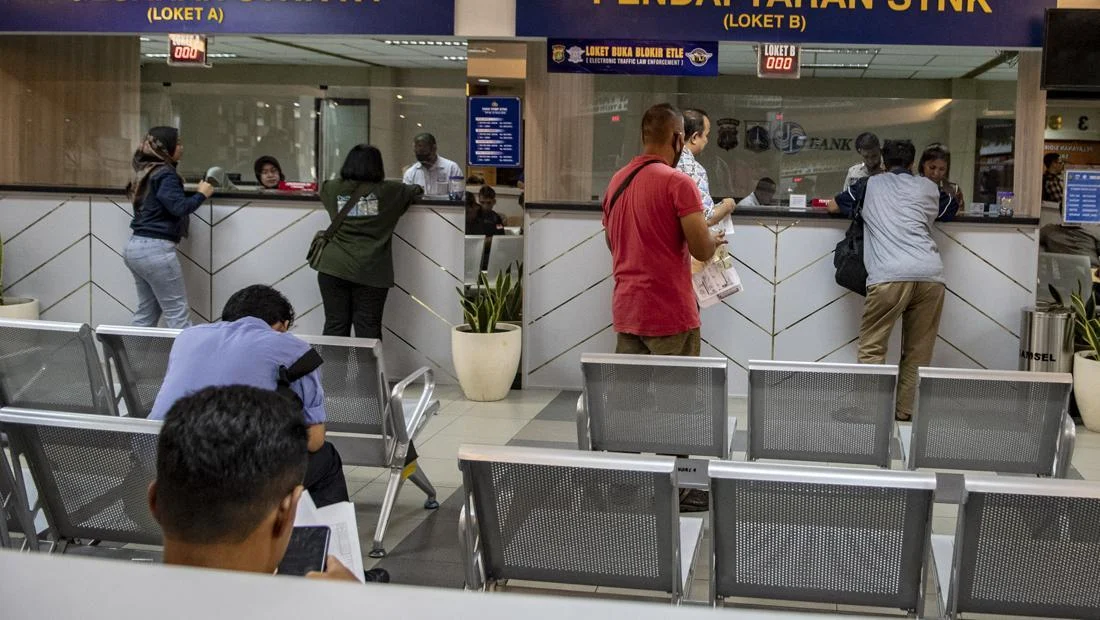
When citizens relocate and update their official identity cards, commonly known as Kartu Tanda Penduduk or KTP, they set off a chain reaction of administrative updates required by Indonesian law. Among the most critical yet frequently overlooked components of this transition is updating the vehicle registration documents, specifically the Surat Tanda Nomor Kendaraan, or STNK. Operating a motor vehicle with registration data that no longer matches the owner’s legal residential address creates regulatory discrepancies that can complicate routine traffic stops, administrative verification processes, and insurance claims. To maintain legal compliance and ensure accurate public registry data, vehicle owners must initiate a formal administrative procedure known as vehicle mutation, or mutasi kendaraan. This process legally transfers the vehicle’s registration domicile from the previous jurisdiction to the new regional administrative office of the Sestim Manunggal Satu Atap, universally recognized as the Samsat office.
The necessity of updating vehicle documentation stems from the foundational principles of public administration and vehicle taxation in the country. The Indonesian vehicle registration system relies heavily on accurate residential data to monitor vehicle distribution, enforce regional traffic regulations, and calculate progressive vehicle taxes. When an individual moves to a new province or regency and updates their KTP, the regional revenue agency requires the vehicle registry to reflect this change. Failure to align the STNK address with the current KTP can lead to administrative hurdles, particularly during the annual tax renewal process, which increasingly requires biometric verification and matching identity credentials. By executing a vehicle mutation, owners ensure that their automotive assets are fully accounted for within their new local jurisdiction, facilitating smoother transactions and uninterrupted legal ownership.
Understanding the Comprehensive Document Requirements
Successfully executing a vehicle mutation requires meticulous preparation and the compilation of specific legal and administrative documents. The primary challenge motorists face during this procedure is ensuring absolute consistency across all personal and vehicular identification papers. Discrepancies in names, addresses, or vehicle specifications between documents can result in administrative delays or outright rejection by Samsat officials. Therefore, vehicle owners must gather and verify every required file before initiating the physical transfer process.
The foundational document required for any vehicle mutation is the original Kartu Tanda Penduduk reflecting the owner’s new residential address, accompanied by clear photocopies. This establishes the legal basis for the relocation of the vehicle registry. Additionally, the original Buku Pemilik Kendaraan Bermotor, or BPKB, must be presented alongside the current STNK. The BPKB serves as the primary proof of ownership and must be updated to reflect the new address and, if applicable, changes in ownership resulting from a simultaneous sale or transfer. Furthermore, the physical vehicle itself must be brought to the Samsat facility for mandatory physical inspection. In cases where the vehicle is registered under a corporate entity or organization rather than an individual, supplementary documentation such as the company deed of establishment, a taxpayer identification number, and an authorized letter of attorney stamped with proper legal duty are strictly required.
Step-by-Step Chronology of the Vehicle Mutation Process
The execution of a vehicle mutation follows a highly structured, sequential workflow designed to ensure data integrity and proper cross-jurisdictional transfer of records. The procedure is divided into two primary phases: the outgoing mutation process at the original Samsat office, and the incoming registration process at the destination Samsat office.
The chronology begins at the original Kantor Samsat where the vehicle is currently registered. The vehicle owner must first navigate to the designated physical inspection area, known as cek fisik. During this stage, authorized Samsat personnel perform a physical verification of the vehicle by performing a physical rubbing, or gesek, of the engine and chassis numbers. This critical security step prevents vehicle cloning and ensures that the physical asset matches the administrative records held in the database. The resulting inspection sheet must be carefully preserved by the owner, as it forms an indispensable part of the mutation dossier.
Following the physical inspection, the owner proceeds to the administrative counters to submit the gathered documents, including the inspection sheet, original STNK, BPKB, and KTP copies, to initiate the outgoing mutation, commonly referred to as cabut berkas or file extraction. At this juncture, the administrative system officially flags the vehicle for removal from the local database, effectively freezing its registry status in the origin region while the physical files are compiled for transfer.
The next critical step involves financial settlement. Vehicle owners must clear all outstanding administrative obligations associated with the vehicle. This includes paying any overdue progressive or annual vehicle taxes, settling the mandatory contributions for the Road Traffic Accident Fund known as SWDKLLJ, and paying the Non-Tax State Revenue administrative fees designated for the mutation process itself. Once these payments are verified and receipted, the Samsat office releases the official vehicle file in a sealed dossier, which the owner must physically transport—or ensure is transmitted—to the Samsat office in their new domicile.
Upon arrival in the new jurisdiction, the owner initiates the incoming mutation phase at the local Samsat office corresponding to their updated KTP address. The owner submits the transferred file dossier, alongside the BPKB, STNK, and new KTP, to the intake counters. The destination Samsat processes this information to re-register the vehicle within the regional database. If the relocation coincides with a change in vehicle ownership, this stage is often combined with a formal ownership transfer process, requiring additional verification and tax assessments.
Finally, the destination Samsat issues a brand new STNK reflecting the updated residential address and identity credentials. Concurrently, the regional authorities authorize the issuance of new vehicle license plates, officially known as Tanda Nomor Kendaraan Bermotor, adhering to the local alphanumeric coding and regulatory standards of the new province or regency. The concluding procedural step requires the vehicle owner to visit the authorized BPKB service unit of the Indonesian National Police to update the address data printed within the BPKB itself, ensuring complete synchronization across all state-issued automotive records.
Institutional Context and Official Perspectives
The implementation of rigorous administrative procedures for vehicle relocation is overseen by regional traffic directorates in coordination with provincial revenue services and state-owned insurance providers. Representatives from regional Samsat administrative boards frequently emphasize that maintaining updated vehicle documentation is not merely a bureaucratic formality, but a vital component of national security and regional fiscal management.
According to regional transportation analysts and public administration experts, accurate vehicle registration data directly influences regional revenue collection through the Motor Vehicle Tax. Local governments rely heavily on these tax revenues to fund infrastructure development, road maintenance, and public transportation networks. When vehicle owners fail to execute timely mutations upon moving, regional budgets can experience discrepancies, as tax funds may be misallocated to or withheld from the jurisdictions where the vehicles are actually operating and consuming road infrastructure.
Furthermore, law enforcement agencies stress the importance of synchronized documentation for public safety and criminal investigation. In the event of traffic violations, accidents, or criminal activities involving motor vehicles, automated electronic traffic law enforcement systems and manual police investigations depend entirely on real-time database accuracy. When a vehicle’s listed address matches the owner’s actual residence, law enforcement and emergency services can operate with greater efficiency, reducing administrative delays in notification, verification, and legal processing.
Broader Implications and Economic Analysis of Administrative Compliance
The requirement to update vehicle registration following a residential relocation carries several broader implications for vehicle owners, public administration systems, and the automotive secondary market. From an economic perspective, compliance with mutation procedures prevents potential complications during future vehicle transactions. Prospective buyers in the secondary market routinely perform comprehensive checks on vehicle documentation. A vehicle with mismatched regional codes on the license plate and the STNK, or an outdated address in the BPKB, often raises red flags, potentially depressing the resale value of the asset or causing protracted negotiations.
Moreover, the gradual digitization of Samsat services across various provinces aims to streamline the mutation workflow, reducing processing times and minimizing opportunities for procedural friction. Digital integration allows administrative offices to verify vehicle histories more rapidly across provincial boundaries, supporting a more transparent automotive ecosystem. However, despite these technological advancements, the requirement for physical vehicle inspections remains a non-negotiable bottleneck, designed specifically to safeguard against fraudulent registrations and vehicle identity tampering.
Ultimately, while the vehicle mutation process demands an investment of time and administrative effort from citizens, it underpins the integrity of the national vehicle registry. By adhering to the mandated timelines and sequential requirements for document preparation, physical inspection, financial clearance, and re-registration, vehicle owners ensure that their legal obligations are fully met, contributing to a more orderly, transparent, and legally secure transportation network throughout the country.