Nila Kartika Wati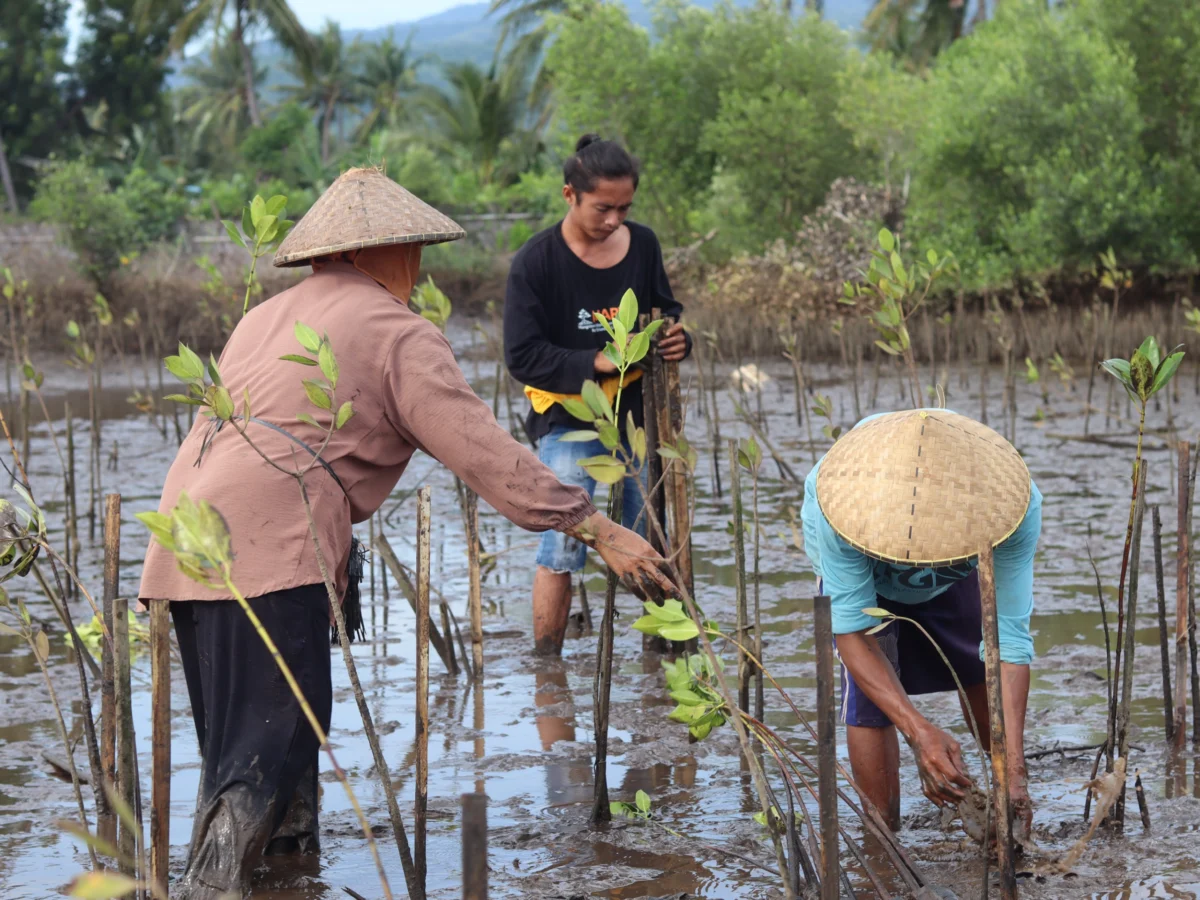
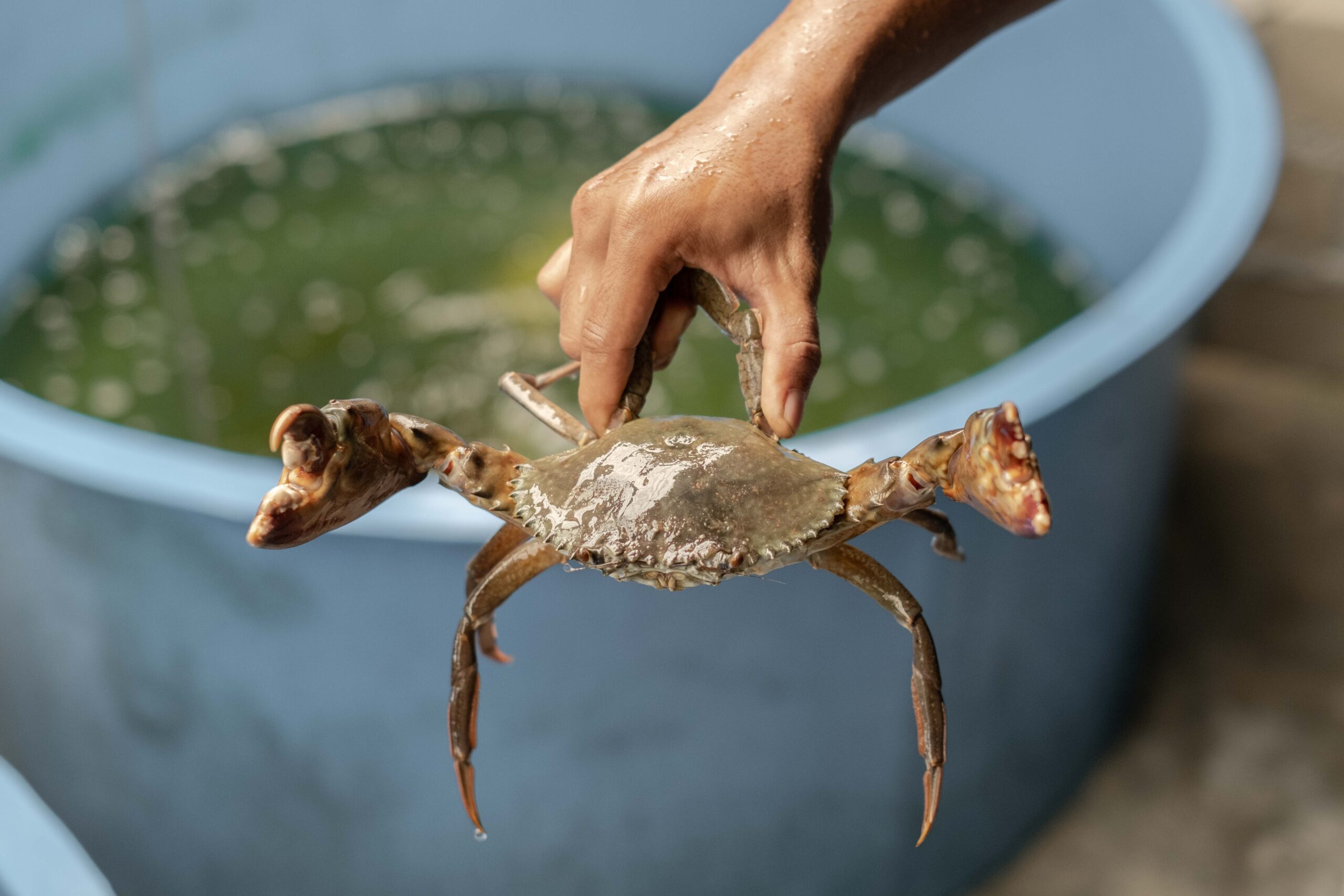
As the afternoon sun begins to wane over the coastal stretches of Sugian Village in the Sambelia District of East Lombok, the surface of the brackish water ponds reflects a soft, golden hue. Jamil, a 63-year-old local resident, stands at the edge of his 25-are pond, carrying a bucket filled with chopped trash fish and chicken remains. With practiced motions, he scatters the feed into the corners of the enclosure. Within moments, the stillness of the water is broken by ripples as mud crabs (Scylla serrata), characterized by their dark greenish shells and powerful pincers, emerge from their burrows to claim their meal.
This daily ritual represents more than just a chore; it is the cornerstone of a burgeoning economic shift in East Lombok, West Nusa Tenggara (NTB). In Sugian, the traditional reliance on wild-caught fisheries is gradually being supplemented, and in some cases replaced, by systematic mud crab aquaculture. This transition is not merely an economic strategy but a vital ecological intervention aimed at preserving the mangrove forests that serve as the crabs’ natural habitat.
The Socioeconomic Landscape of Sugian Village
The economic impact of mud crab cultivation is visible in the household of Eli Ernawati, located a short distance from Jamil’s ponds. In her modest home, Eli spends her afternoons sorting the day’s harvest. While a portion of the crabs is sold to local collectors, another portion is reserved for regular buyers who appreciate the quality of the village’s produce. For Eli, a mother of three, the income generated from this activity is a lifeline. It covers essential household expenses, from food and electricity to the educational costs of her children.
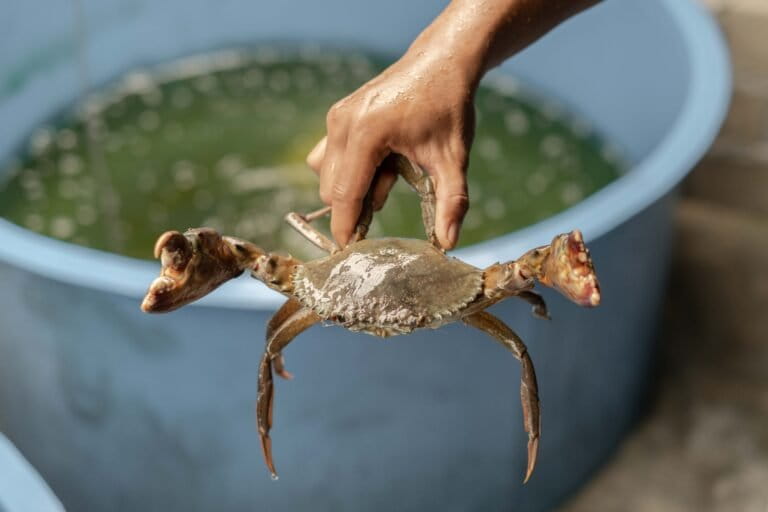
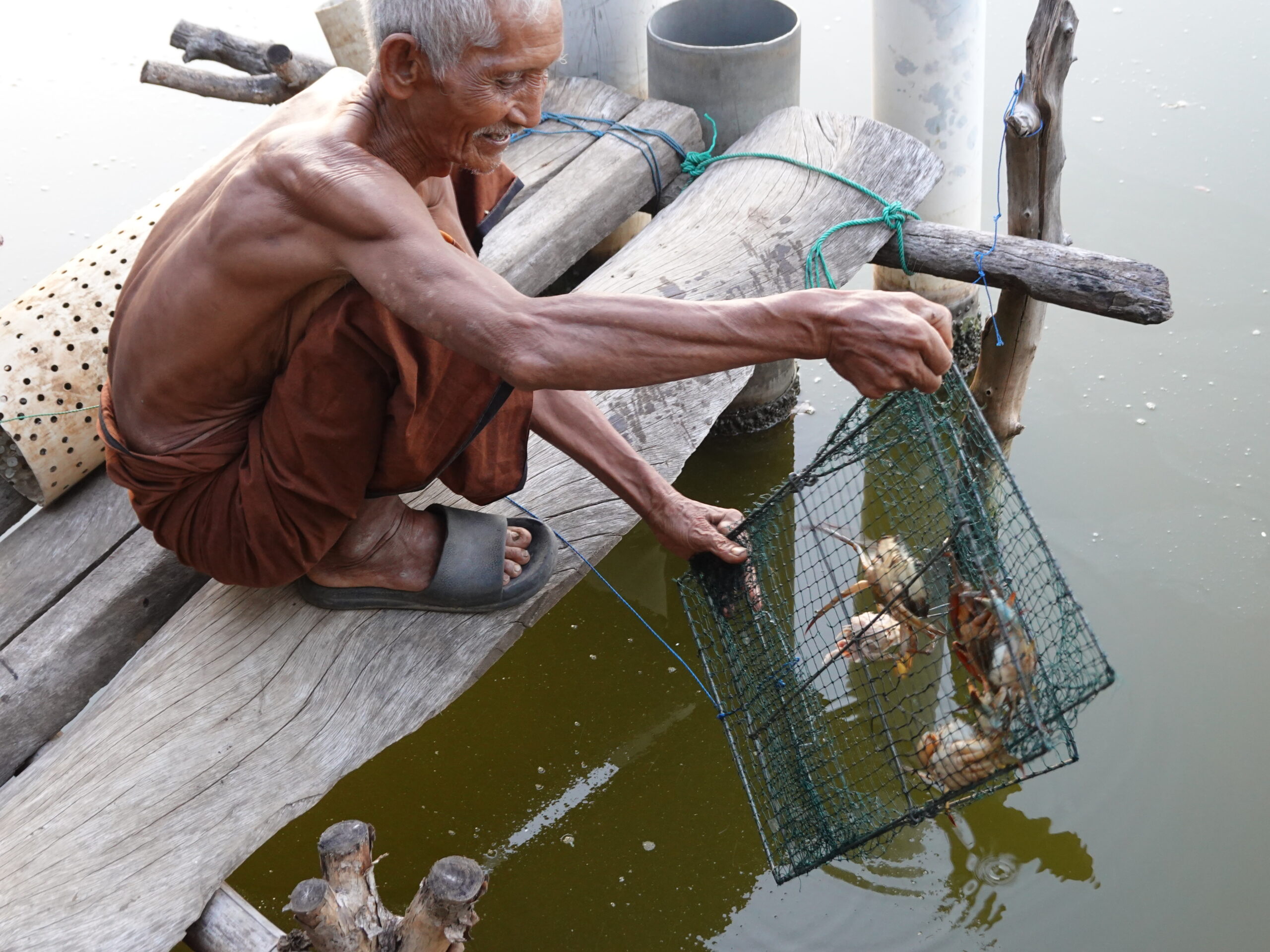
The mud crab has become a high-value commodity in both domestic and international markets. Unlike many other coastal products, the demand for mud crabs remains consistently high, providing a stable source of revenue for coastal communities. However, the traditional method of catching crabs in the wild—using traps known locally as kodong or bubu—is inherently limited by natural stock fluctuations. When populations in the wild decline due to overfishing or habitat loss, the income of the villagers falters.
To mitigate this, farmers like Jamil have adopted a "fattening" and "rearing" strategy. They purchase smaller, undersized crabs from local fishermen—crabs that would otherwise fetch a low price or be unsustainable to harvest—and raise them in ponds for several months. Once the crabs reach a marketable weight and size, their value increases significantly, offering a much higher return on investment.
The Biological Complexity of Mud Crab Aquaculture
Despite the economic promise, mud crab farming is far from simple. According to Herman, the head of the local Community Surveillance Group (Pokmaswas) in Sugian, the biological temperament of the mud crab requires a deep understanding of coastal ecology. Unlike tilapia or catfish, mud crabs are highly sensitive to their environment.
One of the primary challenges is the crab’s aversion to high-visibility water. In the wild, mud crabs thrive in the turbid, organic-rich waters of mangrove estuaries. When pond water becomes too clear—often the case when high tides bring in transparent seawater—the crabs become stressed and passive. They prefer "pekat" (dense or murky) water where they can remain hidden.
Furthermore, mud crabs are notoriously cannibalistic. Muslim, the Head of the Maritime Affairs and Fisheries Department (DKP) of NTB, notes that this trait makes high-density farming difficult. If not managed correctly, the crabs will prey on one another, especially during the molting phase when their shells are soft and they are most vulnerable. This necessitates the provision of adequate hiding places and a carefully managed feeding schedule to ensure that the crabs remain satiated and less aggressive.
Silvofishery: A Synergy of Economy and Ecology
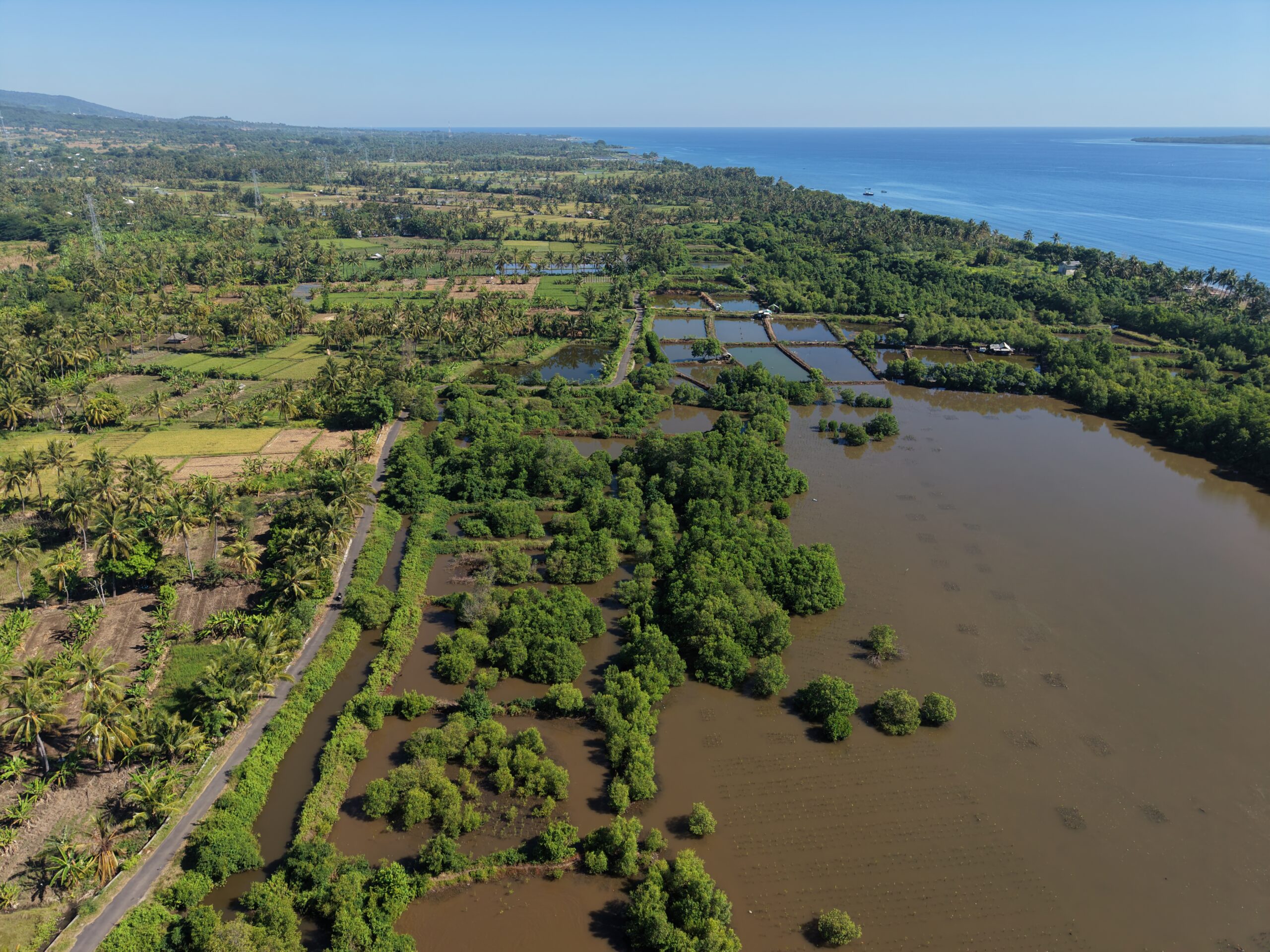
The solution to these biological challenges lies in the integration of aquaculture with mangrove conservation, a system known as silvofishery. In Sugian, this model involves maintaining or replanting mangrove trees within or around the pond areas.
Mangroves provide several critical ecosystem services that directly benefit crab health:
- Natural Shelters: The intricate root systems of mangroves offer perfect hiding spots for crabs, reducing stress and cannibalism.
- Water Quality Management: Mangroves act as natural filters, stabilizing temperature and increasing dissolved oxygen (DO) levels.
- Nutrient Cycling: The falling leaves and organic matter from the trees create a rich substrate for microorganisms, which function as natural probiotics for the pond environment.
- Coastal Protection: Beyond the ponds, these forests serve as a vital buffer against coastal erosion and abrasion, which is an increasing threat in the face of rising sea levels.
For the residents of Sugian, silvofishery is a pragmatic approach. It allows them to utilize their land for economic gain without destroying the ecological foundation of the coast. Some farmers have begun planting mangrove seedlings along the embankments and water channels, creating "green belts" that protect their infrastructure while enhancing the habitat for their livestock.
Policy Hurdles and the Decentralization Dilemma
While the potential for mud crab aquaculture is vast, the sector faces significant administrative and logistical hurdles. Mastur, the Head of the East Lombok Maritime Affairs and Fisheries Department, highlights a major policy shift that has complicated local interventions.
Since the enactment of Law No. 23 of 2014 on Regional Government, the authority to manage coastal areas—from the shoreline up to 12 nautical miles out—has been transferred from regency (Kabupaten) governments to provincial governments. This means that the East Lombok local government no longer has the legal mandate to manage mangrove ecosystems or issue specific regulations regarding their use.
This "decentralization to the province" has created a gap in field-level supervision and support. Local officials in East Lombok find it difficult to allocate budgets or implement direct programs in coastal zones that are now technically under provincial jurisdiction. Consequently, many farmers in villages like Sugian are left to operate "autodidactically," learning through trial and error without formal technical guidance or government-funded infrastructure.
The lack of updated quantitative data on mangrove coverage further exacerbates the problem. Without accurate mapping, it is difficult for authorities to design effective rehabilitation programs or identify the best locations for expanding silvofishery projects.
Challenges in Capital and Market Access
Beyond technical and legal issues, the community faces significant economic barriers. The cost of constructing ponds, purchasing quality crablets, and securing consistent feed is prohibitive for many. Without access to low-interest micro-loans or specific fisheries insurance, small-scale farmers are highly vulnerable to crop failure.
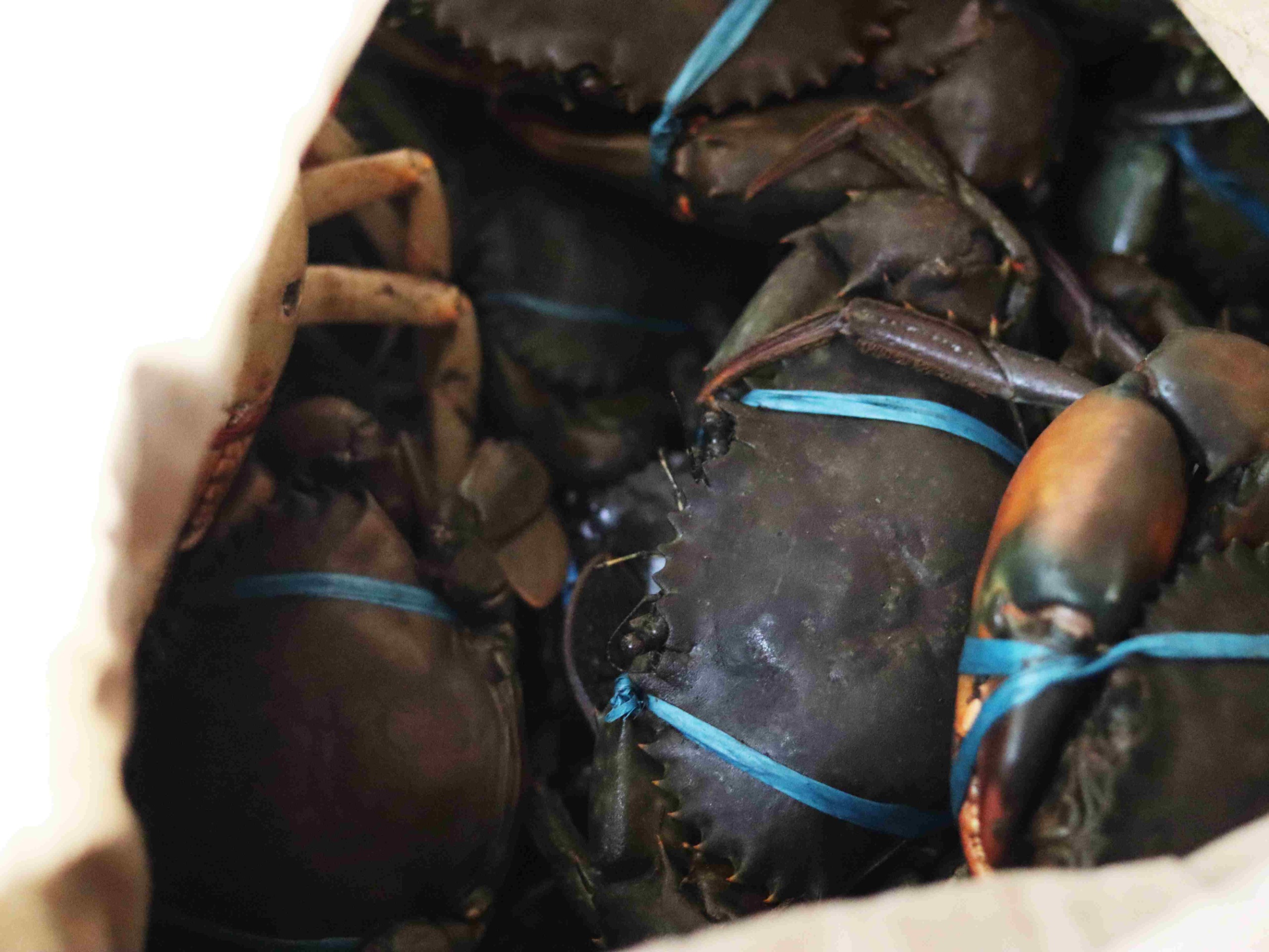
The market structure also remains skewed. Currently, the trade chain is dominated by middlemen or "pengepul." Because individual farmers often lack direct access to larger markets or export hubs, they have limited bargaining power. When supply is high, prices at the village level can drop sharply, even if the retail price in cities or international markets remains high.
There is a growing call for the establishment of cooperatives or village-owned enterprises (BUMDes) that could consolidate the harvest, provide cold storage, and negotiate better prices with large-scale distributors. Such an organizational structure would also make it easier for farmers to receive government aid and technical training.
Future Outlook: The Blue Economy and International Collaboration
The provincial government of West Nusa Tenggara is beginning to recognize the strategic importance of this sector. Muslim, the Head of DKP NTB, stated that the province is looking toward "Blue Economy" models that prioritize the sustainable use of ocean resources for economic growth.
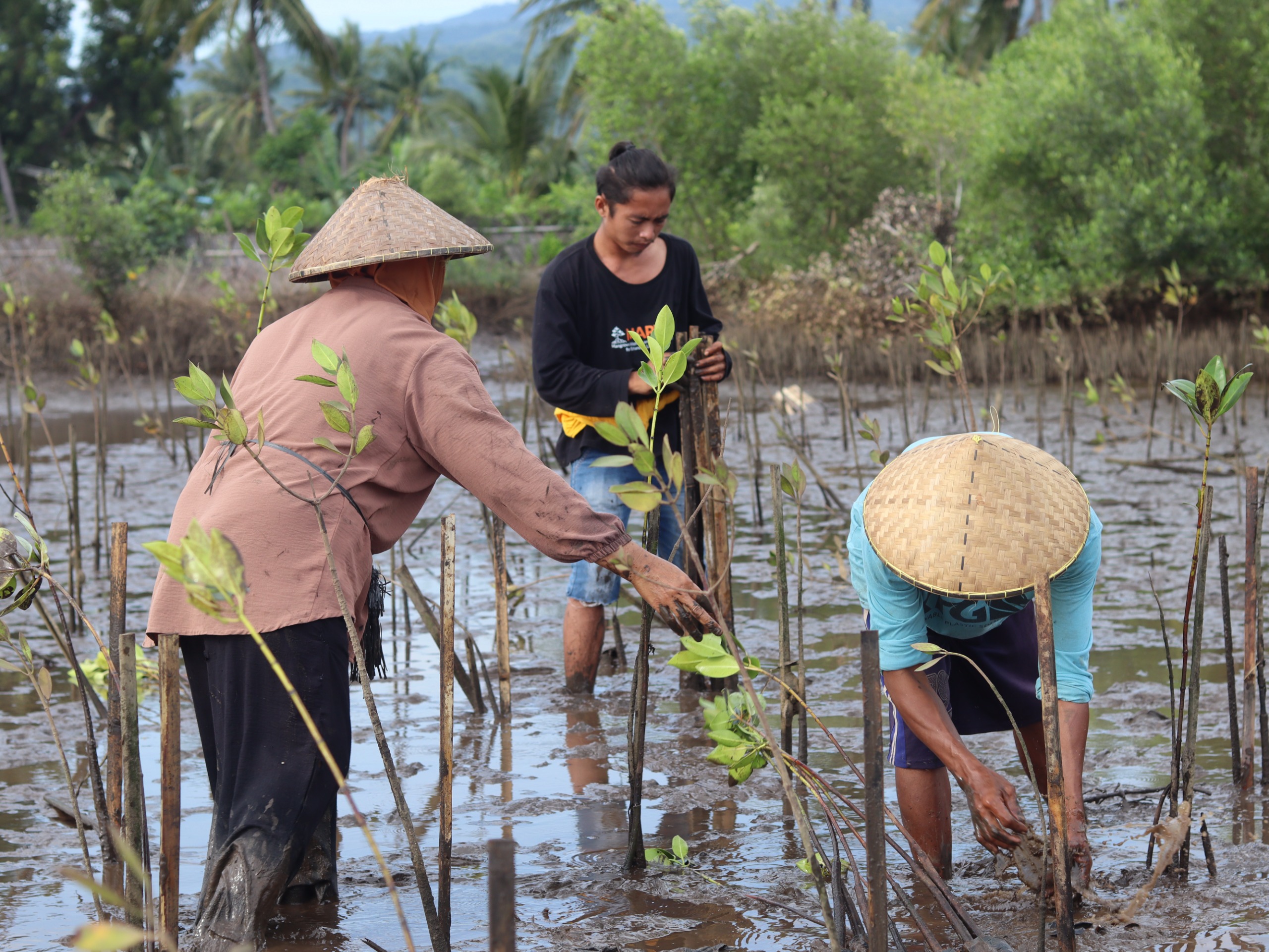
A significant step in this direction is a collaborative project with Japan, which aims to rehabilitate 2,000 hectares of mangrove forests across NTB. This initiative is expected to restore degraded coastlines and, by extension, replenish the natural breeding grounds of the mud crab. "If the habitat is healthy, the crabs will return. Cultivation is important, but the natural environment must be restored simultaneously," Muslim emphasized.
The potential for expansion is significant. Areas such as Seruni Mumbul, Telong Elong, Paremas, and Ekas in East Lombok have been identified as prime locations for integrated mud crab development due to their existing mangrove structures and brackish water characteristics.
Conclusion
The story of mud crab aquaculture in Sugian Village is a microcosm of the broader challenges and opportunities facing Indonesia’s coastal communities. It is a delicate balancing act between the immediate need for economic survival and the long-term necessity of environmental conservation.
For farmers like Jamil and sorters like Eli, the mud crab is a symbol of hope—a "black gold" of the mangroves that can provide a dignified living. However, for this potential to be fully realized, a more integrated approach is required. This includes bridging the policy gap between local and provincial governments, providing technical mentorship to overcome biological hurdles like cannibalism, and ensuring that farmers have the capital and market access needed to thrive.
As the mangroves of East Lombok grow, they do more than just hold the soil against the sea; they hold the future of a community striving for a sustainable prosperity that respects the rhythms of the natural world. If managed with foresight, the mud crab could indeed become a cornerstone of a resilient and inclusive blue economy for West Nusa Tenggara.