Chalifah Fatihah
The seemingly minor issue of tooth decay in children can serve as a gateway to serious health complications, including severe heart infections, according to medical experts. What begins as a common childhood ailment – cavities – can escalate into a significant threat to a child’s cardiovascular health, highlighting the critical importance of oral hygiene from an early age.
Dr. Yovi Kurniawati, a specialist in cardiology and vascular medicine at RSPI, issued a stark warning regarding the potential pathways of infection originating from dental caries. She explained that bacteria residing in decayed teeth can readily enter the bloodstream, posing a direct risk to the heart. This phenomenon, while not widely publicized, represents a tangible danger that parents and caregivers must be aware of. The insidious nature of this threat lies in its silent progression; initial dental issues may not be perceived as urgent, allowing infections to develop and spread before significant symptoms manifest.
The primary danger arises when these circulating pathogens find a foothold within the heart. The accumulation of microorganisms, fibrin, and platelets forms what is medically termed "vegetation." Dr. Yovi elaborated on this critical stage during a media briefing in Jakarta on Thursday, May 7, 2026. "Vegetation will typically continue to grow if the bacteria cannot be managed," she stated. This uncontrolled growth can lead to significant damage to the heart valves, potentially causing severe leakage or, in more serious cases, a condition known as infective endocarditis.
Infective endocarditis is a grave infection that affects the endocardium, the inner lining of the heart chambers and valves. Bacteria or fungi enter the bloodstream and attach to damaged areas of the heart, often on a heart valve. This can lead to the formation of vegetations, which can obstruct blood flow, damage heart valves, or break off and travel to other parts of the body, causing strokes or other organ damage. While infective endocarditis can affect anyone, individuals with pre-existing heart conditions, such as congenital heart defects or damaged heart valves, are at a significantly higher risk. Children, especially those with known cardiac anomalies, represent a particularly vulnerable population.
Recognizing the Warning Signs: Symptoms of Heart Involvement
The challenge for parents often lies in identifying when a dental problem has escalated to affect the heart. Dr. Yovi outlined several key symptoms that warrant immediate medical attention:
- Persistent High Fever: A fever that does not subside with common treatments or fluctuates unpredictably can be an indicator of a systemic infection. This is often one of the first and most noticeable signs of a serious underlying issue.
- Shortness of Breath: Difficulty breathing or a feeling of breathlessness, especially during periods of rest or mild exertion, can signal that the heart is struggling to pump blood effectively due to valve damage or inflammation.
- Extreme Lethargy: A profound and uncharacteristic lack of energy, where the child appears unusually tired and unresponsive, is a critical warning sign. This can indicate that the infection is draining the body’s resources and impacting vital organ function.
- Unexplained Weakness: If a child consistently complains of feeling weak or fatigued without any obvious cause, it could be a sign that their cardiovascular system is compromised.
Should any of these symptoms appear, particularly in conjunction with known dental issues, prompt medical evaluation is imperative. The diagnostic process typically involves a thorough physical examination, blood tests to detect the presence of infection and identify specific pathogens, and cardiac imaging such as an echocardiogram to visualize the heart valves and assess for vegetations or damage.
The Road to Recovery: Treatment and Collaboration
The treatment for infective endocarditis is neither swift nor simple. Patients usually require an extended course of intravenous antibiotics, often lasting a minimum of four to six weeks. This prolonged therapy is necessary to effectively eradicate the infection and prevent further complications. The complexity of managing such infections frequently necessitates a collaborative approach involving multiple medical specialists. In many cases, the expertise of both cardiologists and Ear, Nose, and Throat (ENT) specialists is crucial. ENT doctors may be involved in assessing for any oral or pharyngeal sources of infection that could be contributing to the bloodstream bacteria.
In instances where the heart valve damage is severe or the infection proves resistant to antibiotic treatment, surgical intervention may be required. This could involve repairing or replacing the damaged heart valve to restore proper cardiac function and prevent future episodes of endocarditis. The decision for surgery is made on a case-by-case basis, considering the extent of the damage, the patient’s overall health, and the likelihood of successful outcomes.
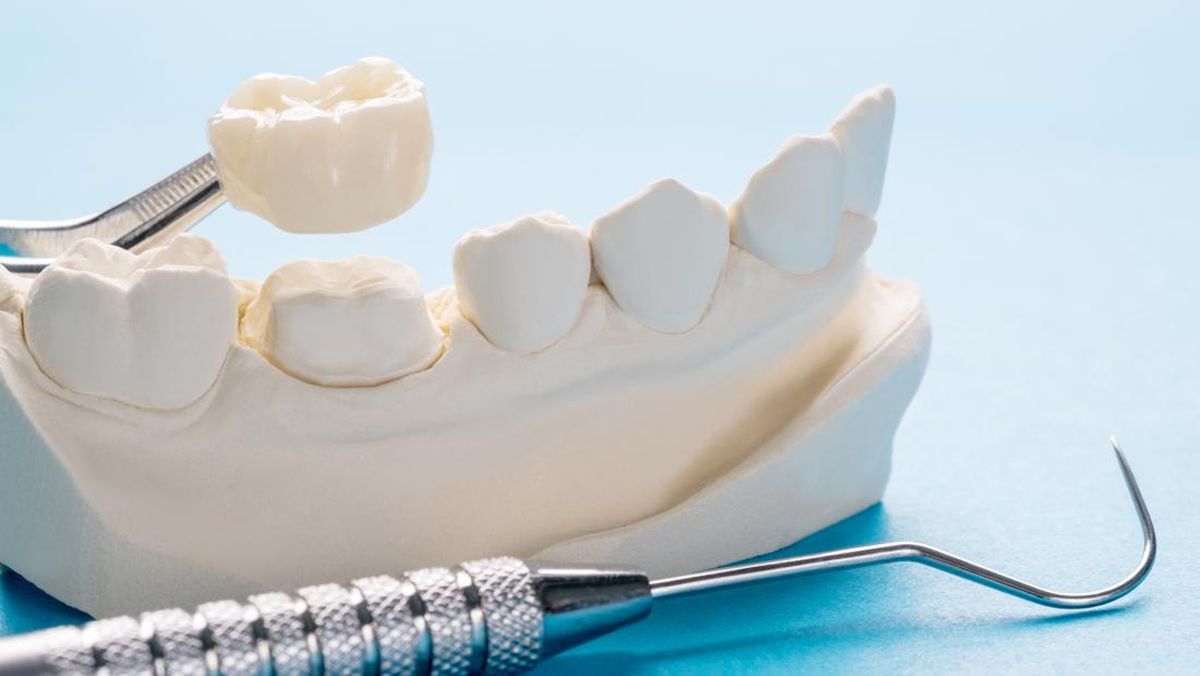
Prevention: The First Line of Defense
Given the serious nature of infective endocarditis and the challenges associated with its treatment, prevention remains the most effective strategy. This is particularly true for children with pre-existing heart conditions, who are at an elevated risk of developing complications from dental infections. Regular dental check-ups are not merely about maintaining a healthy smile; they are a critical component of a child’s overall health management plan.
"Before an infection occurs, we must ensure children undergo regular dental check-ups," Dr. Yovi emphasized, referencing reports from Antara. "We need to check if their teeth are aligned properly, and if there are any cavities or holes. If found, they must be treated promptly to prevent severe infections." This proactive approach underscores the philosophy that early detection and intervention in oral health can avert far more serious systemic health crises.
The Indonesian Ministry of Health has been actively monitoring the oral health status of school-aged children, revealing a concerning trend. Recent data from January to May 2026 indicated that out of 4.8 million school children screened, approximately 1.1 million were found to have dental caries, or cavities. This figure represents a substantial portion of the surveyed population, highlighting a widespread issue that requires urgent attention.
Beyond dental concerns, the same screening initiative also identified other significant health issues among children. A total of 663,000 children were found to have elevated blood pressure, a risk factor for future cardiovascular disease, while 239,000 children presented with earwax buildup, which can lead to hearing problems and other ear infections. These cumulative findings paint a broader picture of the health challenges facing Indonesian children and the necessity for comprehensive health monitoring programs.
The Broader Implications: A Call to Action for Parents
The statistics released by the Ministry of Health serve as a powerful call to action for parents across Indonesia and beyond. The prevalence of dental cavities among children is not just an oral health problem; it is a potential public health crisis with far-reaching implications for long-term well-being. The connection between poor oral hygiene and serious systemic diseases, such as heart infections, underscores the interconnectedness of bodily systems.
The findings suggest that a significant number of children are at risk of developing complications like infective endocarditis. This necessitates a societal shift in how oral health is perceived – moving it from a cosmetic concern to a fundamental pillar of overall health. Educational campaigns, accessible dental care, and parental engagement are vital components in addressing this challenge.
Parents are urged to prioritize their children’s oral hygiene routines, including regular brushing and flossing, and to ensure that children maintain a balanced diet with limited sugar intake. Crucially, regular visits to the dentist, ideally every six months, should be scheduled for early detection and treatment of any dental issues. Promptly addressing cavities, no matter how small they may seem, is essential to prevent bacteria from migrating into the bloodstream and potentially compromising vital organs.
The implications of this issue extend beyond individual health outcomes. A population with a higher incidence of preventable infections like infective endocarditis can place a significant burden on healthcare systems. The costs associated with prolonged hospital stays, complex treatments, and potential long-term disabilities can be substantial. Therefore, investing in preventive oral healthcare for children is not only a matter of their immediate health but also a sound investment in the future health and economic well-being of the nation.
The current situation demands a concerted effort from healthcare providers, educational institutions, government bodies, and parents themselves. By working together, fostering greater awareness, and implementing effective preventive measures, the incidence of cavities and their subsequent dangerous complications can be significantly reduced, ensuring healthier futures for the next generation. The message is clear: a child’s smile is not just about aesthetics; it is a crucial indicator of their overall health and a vital safeguard against serious, life-threatening conditions.