Nasution Nanang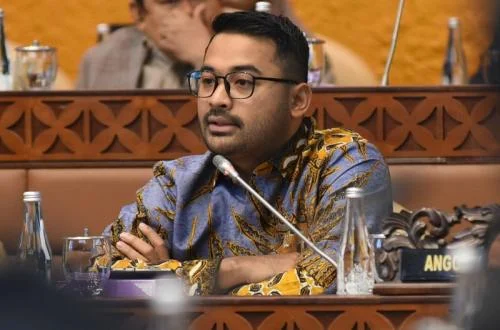
JAKARTA – A recent devastating collision between a passenger bus and a fuel tanker on the Trans-Sumatra Highway in Musi Rawas Utara, South Sumatra, has prompted a senior member of the Indonesian House of Representatives (DPR) to demand a comprehensive evaluation of the vital economic artery. Zigo Rolanda, a member of Commission V overseeing infrastructure and transportation, underscored the urgency of addressing critical issues ranging from deteriorating road conditions to systemic failures in public transport governance and the oversight of hazardous material logistics. The incident, which occurred in early May 2024, has reignited long-standing concerns about road safety and the resilience of national infrastructure.
The fatal crash, involving an ALS passenger bus and a fuel truck, resulted in a catastrophic fire and significant casualties, drawing immediate attention to the precarious state of sections of the Trans-Sumatra Highway. Zigo Rolanda’s intervention highlights a broader legislative push for accountability and proactive measures, moving beyond immediate accident response to a holistic review of the factors contributing to such tragedies. His call is directed primarily at the Ministry of Public Works and Housing (PUPR) to expedite repairs at identified damage-prone areas and to the Ministry of Transportation (Kemenhub) to enforce stringent safety standards across the public transport sector.
The Fatal Collision: A Catalyst for Scrutiny
The accident unfolded in the early hours of Wednesday, May 6, 2024, on a critical stretch of the Trans-Sumatra Highway in Musi Rawas Utara, South Sumatra. According to initial investigations conducted by the South Sumatra Regional Police, the ALS bus, bearing registration number BK-7778-DL, was reportedly attempting to swerve to avoid a significant pothole in the road. This sudden maneuver led the driver to lose control of the vehicle, resulting in a head-on collision with an R6 fuel tanker truck, registered BG-8196-QB, traveling from the opposite direction. The impact was severe, immediately igniting the fuel carried by the tanker, which quickly engulfed both vehicles in a massive fire.
The inferno posed immense challenges for rescue workers and significantly complicated efforts to identify victims. Multiple fatalities were reported, alongside several serious injuries, painting a grim picture of the accident’s aftermath. Head of Public Relations for the South Sumatra Regional Police, Commissioner Nandang Mu’min Wijaya, confirmed these preliminary findings, emphasizing the role of the damaged road surface as a primary contributing factor. The incident sent shockwaves across the region, not only due to its tragic toll but also because it underscored the inherent dangers faced by commuters and freight transporters navigating the extensive, and often challenging, Trans-Sumatra network. The specific location of the crash, a vital artery for goods and passenger movement, further amplified the call for immediate and decisive action from central government authorities.
Infrastructure Under Fire: The Lifeline of Sumatra
Zigo Rolanda’s impassioned plea to the Ministry of Public Works and Housing (PUPR) to accelerate road repairs at vulnerable points stems from a clear understanding of the Trans-Sumatra Highway’s unparalleled strategic importance. Stretching over 2,500 kilometers from Aceh to Lampung, the highway is more than just a thoroughfare; it is the economic backbone of Sumatra, facilitating the movement of agricultural products, industrial goods, and people across the island. It connects major urban centers, ports, and industrial zones, playing a pivotal role in regional trade and national logistics. "The Trans-Sumatra Highway is the economic artery of Sumatra Island," Zigo asserted, emphasizing that "even the smallest damage can be dangerous for human lives, because lives are at stake."
Indonesia’s vast road network, particularly inter-island arteries like the Trans-Sumatra, faces persistent challenges. While significant progress has been made in developing new toll roads under the Trans-Sumatra Toll Road project, substantial portions of the existing national road network, which often run parallel to or feed into the toll roads, remain in varying states of disrepair. Factors contributing to this include the tropical climate, which causes rapid degradation, the relentless heavy traffic from overloaded trucks, and the sheer scale of the network requiring constant maintenance. According to data from the Ministry of Public Works and Housing, while the overall percentage of stable national roads typically hovers around 90%, localized damage, particularly potholes and uneven surfaces, remains a persistent issue on non-toll sections. These seemingly minor defects can become significant hazards, especially at high speeds or during adverse weather conditions, leading to sudden maneuvers and loss of control, as tragically demonstrated by the Musi Rawas Utara incident. The annual budget allocated for road maintenance, while substantial, often struggles to keep pace with the extensive needs across the archipelago, necessitating a more targeted and efficient approach to identifying and mitigating high-risk sections.
Systemic Flaws: Beyond Road Quality to Transport Governance
Beyond the immediate concerns about road infrastructure, Zigo Rolanda critically assessed the broader context of public transportation safety and governance. He argued that merely collecting data on accident victims is insufficient; such incidents must serve as a critical juncture for a comprehensive evaluation of public transport management and national infrastructure maintenance policies. This broader critique encompasses several systemic flaws that have plagued Indonesia’s transportation sector for years.
One of the most alarming issues highlighted by Zigo is the alarming practice of passenger buses being used to transport non-standard and often hazardous cargo. In the aftermath of the Musi Rawas Utara crash, investigators reportedly found items such as gas cylinders, motorcycles, and even machinery inside the passenger bus. "A passenger bus is not a logistics truck," Zigo firmly stated, condemning this dangerous deviation from safety protocols. Such practices not only overcrowd the vehicle and make emergency evacuations difficult but also introduce highly flammable or explosive materials into an enclosed space designed for human transport, dramatically escalating the risk in the event of an accident. This negligence, Zigo argued, necessitates immediate and stringent sanctions against negligent operators to deter future violations.
Furthermore, Zigo called for significantly stricter oversight of vehicles transporting hazardous and toxic materials (B3), including fuel tankers. The regulations governing the transport of such dangerous goods are robust on paper but often fall short in enforcement. The absence of proper signage, inadequate vehicle maintenance, poorly trained drivers, and insufficient security measures during transit pose considerable risks to public safety and the environment. The Musi Rawas Utara accident, involving a fuel tanker, vividly illustrates the catastrophic potential when such vehicles are involved in collisions. Zigo emphasized the need for enhanced supervision at terminals, departure points, and along transit routes to ensure that passenger vehicles are not misused for dangerous cargo and that hazardous material transporters adhere strictly to safety protocols. "The control function must operate effectively," he stressed, advocating for a multi-agency approach involving the Ministry of Transportation, the National Police, and local authorities to ensure compliance. Data from the National Transportation Safety Committee (KNKT) frequently points to human error, vehicle unworthiness, and violations of operational procedures as significant contributors to road accidents involving public transport, reinforcing the need for this holistic review.
Official Responses and Collaborative Efforts
In response to the parliamentary demands and the public outcry following the Musi Rawas Utara tragedy, various government agencies are expected to reinforce their commitment to improving road safety and infrastructure. While no immediate comprehensive statements from all relevant ministries were available, past precedents and ongoing programs indicate the likely course of action.
The Ministry of Public Works and Housing (PUPR), under the spotlight for road conditions, is anticipated to acknowledge the need for accelerated repairs. The PUPR routinely allocates significant funds for the maintenance of national roads, including those in Sumatra. Following such high-profile incidents, there is often a directed increase in focus and budget allocation for specific problematic stretches. The Ministry could announce expedited tender processes for road rehabilitation projects, particularly targeting areas identified as accident-prone or experiencing severe degradation. Furthermore, PUPR’s ongoing initiatives, such as the implementation of road management systems and routine inspections, are likely to be intensified, potentially incorporating new technologies for real-time monitoring of road conditions and quicker deployment of repair teams.
The Ministry of Transportation (Kemenhub) is crucial in addressing the governance and operational aspects of public transport. Zigo Rolanda’s criticism regarding illegal cargo and lax oversight falls directly under Kemenhub’s purview. The Ministry is expected to reiterate its commitment to enforcing vehicle roadworthiness tests (Uji KIR), driver licensing and training standards, and regulations against overloading and illegal cargo. This may involve launching new, more aggressive enforcement campaigns at terminals and along major routes, potentially in collaboration with the National Police. Kemenhub could also review existing regulations concerning sanctions for non-compliant operators, making penalties more deterrent. Discussions about integrating advanced technologies, such as GPS tracking and real-time cargo monitoring, into public transport operations might also gain traction.
The National Police (Polri), specifically the traffic corps (Korlantas Polri), plays a critical role in accident investigation and traffic law enforcement. As highlighted by Commissioner Nandang Mu’min Wijaya of the South Sumatra Regional Police, initial investigations into the Musi Rawas Utara crash are ongoing. Beyond investigation, Polri is expected to enhance its traffic patrols, particularly on high-risk highways like the Trans-Sumatra, focusing on speeding, reckless driving, and adherence to vehicle weight limits. Collaborative operations with Kemenhub to inspect public transport vehicles and freight trucks for compliance with safety standards are also likely to be intensified.
Local governments, including the provincial government of South Sumatra and the Musi Rawas Utara regency administration, will also be involved. They typically provide support for victims and coordinate local emergency responses. They also manage regional roads, which feed into the national highway network, and often work with central government agencies on maintenance and infrastructure development projects relevant to their jurisdictions.
From an industry perspective, organizations like the Indonesian Road Transport Operators Association (ORGANDA) might react by acknowledging the safety concerns while also highlighting the operational challenges faced by bus and truck operators, such as high maintenance costs, driver shortages, and the pressures of fierce competition. They may call for government support in upgrading fleets and training personnel, emphasizing that a balanced approach is needed to ensure safety without unduly burdening the industry.
Broader Implications and The Path Forward
The Musi Rawas Utara accident and the subsequent parliamentary call for action carry significant broader implications for Indonesia’s economic development, public safety, and governance. The Trans-Sumatra Highway’s reliability directly impacts the national supply chain. Any disruption due to poor road conditions or accidents can lead to increased logistics costs, delays in goods delivery, and ultimately, higher prices for consumers. This threatens to undermine the economic benefits anticipated from the broader Trans-Sumatra infrastructure development initiatives.
More critically, the incident erodes public trust in the safety of both public transportation and national infrastructure. For millions of Indonesians who rely on inter-city buses and road networks for travel and commerce, such tragedies fuel anxiety and undermine confidence in government oversight. This necessitates not just reactive measures but a proactive, long-term vision for sustainable and safe transportation.
The situation calls for a thorough review of existing policies and regulations. This could involve stricter laws on vehicle roadworthiness, more rigorous enforcement mechanisms for cargo content in passenger buses, and enhanced penalties for operators who compromise safety for profit. Furthermore, the integration of advanced technologies, such as smart traffic management systems, real-time monitoring of road conditions, and GPS tracking for public transport and hazardous material vehicles, could significantly improve oversight and response capabilities.
Ultimately, addressing the multifaceted challenges of road safety on the Trans-Sumatra Highway, and indeed across Indonesia, requires an integrated and sustained approach. This involves robust investment in infrastructure maintenance and upgrades, stringent enforcement of safety regulations by the Ministry of Transportation and the National Police, and accountability from public transport operators. It also requires public awareness campaigns to foster safer driving habits and responsible passenger behavior. Zigo Rolanda’s call serves as a potent reminder that while infrastructure development is vital for economic progress, ensuring its safety and operational integrity, along with the meticulous governance of the transportation sector, is paramount to safeguarding human lives and building a resilient national future. The tragic events in Musi Rawas Utara must indeed become a catalyst for holistic reform, transforming the rhetoric of safety into tangible, lasting improvements.