Tata Titiana
The vibrant tapestry of Indonesian tourism owes a significant debt to its colonial past, a fact embodied by the enduring presence of historic hotels that once served the Dutch East Indies. As international trade routes opened, particularly with the advent of the Suez Canal, European vessels began frequenting the archipelago. By the 19th century, the allure of exotic destinations drew a new kind of traveler: the discerning tourist aboard luxury cruise liners. To cater to this burgeoning demand, the Dutch colonial administration and private enterprises embarked on the construction of sophisticated hotels, primarily on the island of Java. These architectural marvels, many of which stand to this day, are not merely accommodations but living testaments to Indonesia’s rich and complex history, offering a unique blend of heritage, luxury, and undeniable charm.
The origins of organized tourism in Indonesia are intrinsically linked to the establishment of these colonial-era hotels. While often overlooked, a surprising number of these establishments, originally built to serve the tastes and needs of the Dutch colonial elite and international travelers, continue to operate, welcoming guests and preserving a tangible connection to a bygone era. This article delves into the stories and significance of several prominent historic hotels across Indonesia, highlighting their architectural legacy, pivotal historical moments they have witnessed, and their continued relevance in the modern tourism landscape.
Hotel Indonesia Kempinski: A Landmark of National Pride and International Diplomacy
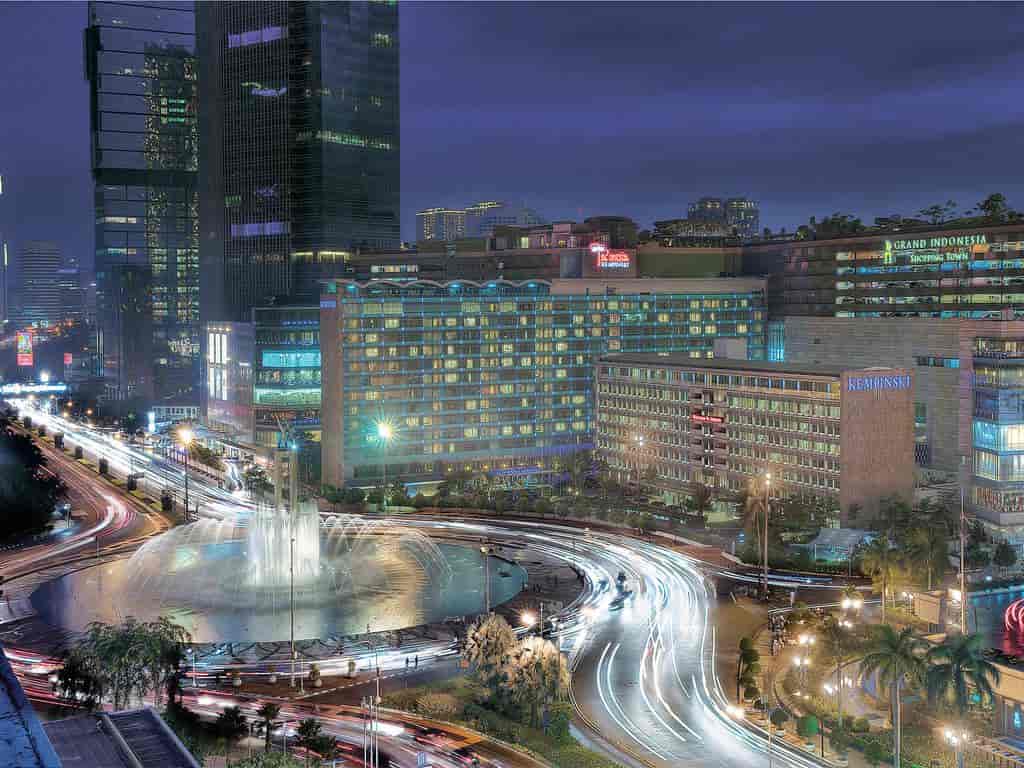
Hotel Indonesia Kempinski, a symbol of Jakarta’s dynamism and a beacon of Indonesian hospitality, stands as a testament to the nation’s post-independence aspirations. Its genesis lies not directly in the Dutch colonial era, but rather in the ambitious vision of President Soekarno, who commissioned its construction as a symbol of Indonesia’s emerging stature on the global stage. Inaugurated in 1962 to coincide with the IV Asian Games, the hotel was initially conceived to house visiting dignitaries and athletes, underscoring its role in international relations from its very inception.
Interestingly, the hotel’s development was partly financed through assets seized from the Japanese following World War II. This complex lineage adds another layer to its historical significance, representing a reclamation and repurposing of resources in the nascent republic. The hotel’s grandeur was unparalleled at the time, boasting the status of the first five-star luxury hotel in Indonesia and dominating Jakarta’s skyline as its tallest building. Its architectural design, a blend of modernist principles and local influences, aimed to project an image of a forward-looking and modern nation.
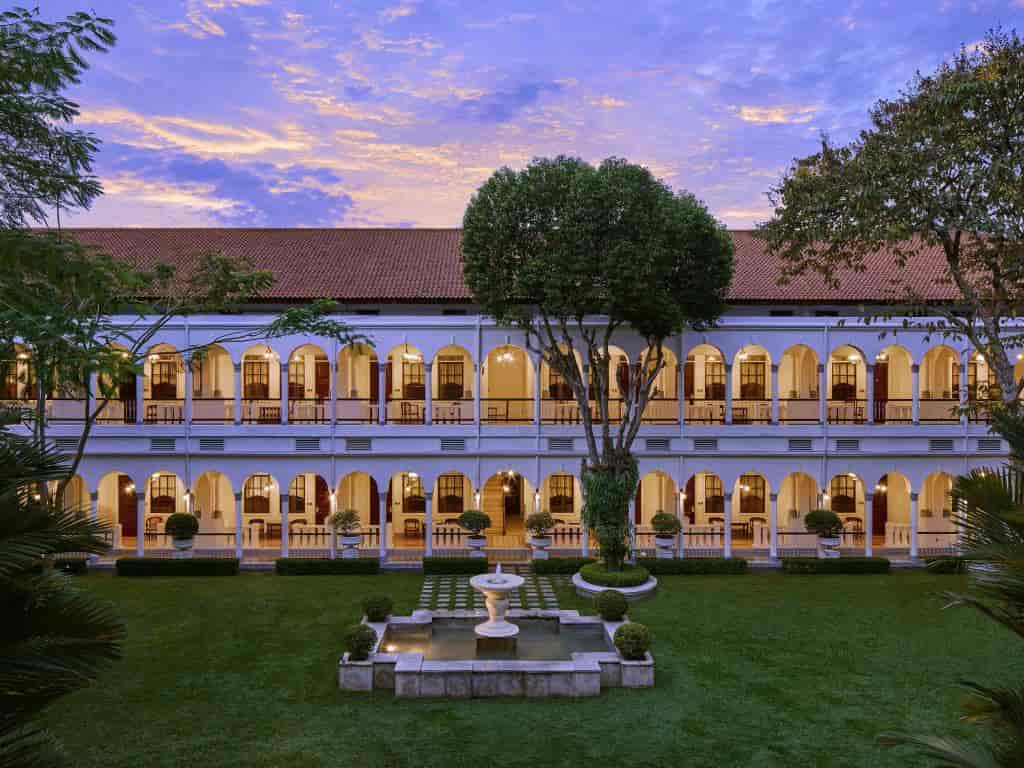
Over the decades, Hotel Indonesia Kempinski has hosted countless world leaders, celebrities, and royalty, solidifying its reputation as a premier destination. A notable recent event that underscored its enduring prestige was the 2020 visit of King Willem-Alexander and Queen Máxima of the Netherlands. Their choice to stay in the hotel’s finest suites, reportedly equipped with bulletproof glass, highlighted the continued diplomatic and symbolic importance of the establishment. This visit, a poignant moment given the historical context of Dutch-Indonesian relations, demonstrated a contemporary engagement with the nation’s past, where a former seat of colonial power was being hosted by a symbol of modern Indonesian independence. The hotel’s ongoing operations and its continuous modernization efforts ensure its relevance, offering guests a luxurious experience steeped in national pride and historical resonance.
Hotel Majapahit Surabaya: A Crucible of Indonesian Independence
Hotel Majapahit Surabaya, formerly known as Hotel Oranje and later Hotel Yamato, is more than just a hotel; it is a hallowed ground where a pivotal moment in Indonesia’s struggle for independence unfolded. Established in 1910 by the Sarkies Brothers, an Armenian family renowned for their hotel ventures across Asia, the hotel was initially named Hotel Oranje, a clear nod to the Dutch royal house. During the Japanese occupation, it was renamed Hotel Yamato, reflecting the changing political landscape.
However, its most indelible mark on history was made in 1945. Following Indonesia’s declaration of independence on August 17, 1945, Dutch and Allied forces began to reassert their presence in the archipelago. In Surabaya, a group of Dutch youths unfurled the Dutch flag atop the Hotel Yamato. This act of defiance ignited the fury of Indonesian nationalists and led to the now-legendary "Battle of Surabaya." In a dramatic act of defiance and assertion of sovereignty, Indonesian youths stormed the hotel and tore off the blue stripe of the Dutch flag, leaving only the red and white of the Indonesian flag. This act, symbolizing the complete rejection of Dutch rule, became an iconic moment in the Indonesian Revolution, forever cementing Hotel Majapahit’s place in the nation’s historical narrative.
The hotel has since undergone numerous renovations and name changes, eventually becoming Hotel Majapahit. Despite these transformations, its historical significance remains undiminished. Guests today can still experience the echoes of this revolutionary fervor, walking the same halls where history was made. The hotel stands as a powerful reminder of the courage and determination of the Indonesian people in their fight for freedom, offering a unique opportunity for visitors to connect with a tangible piece of their nation’s heroic past. Its continued operation as a luxury hotel underscores the successful transition from a symbol of colonial presence to a monument of national liberation.
Royal Ambarukmo Yogyakarta: A Royal Legacy and Presidential Vision
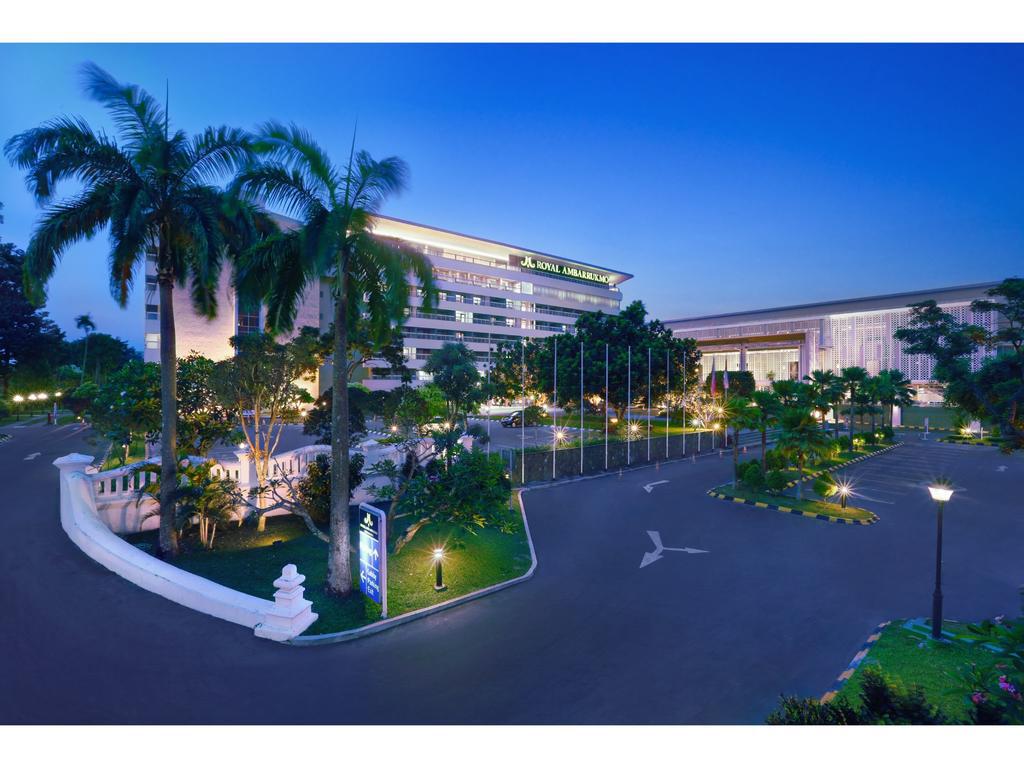
Nestled in the cultural heartland of Yogyakarta, the Royal Ambarukmo Yogyakarta embodies a fusion of royal heritage and national development. Its story begins with its construction by Sultan Hamengku Buwono V, a testament to the enduring legacy of the Yogyakarta Sultanate. However, its broader national significance was amplified in 1966 when it was designated as one of the first four hotels in Indonesia to be promoted by President Soekarno as international-class accommodations. This initiative was part of a larger vision to showcase Indonesia’s hospitality capabilities and attract foreign investment and tourism.
The hotel was meticulously designed to reflect the rich Javanese culture while incorporating modern amenities befitting a five-star establishment. Its strategic location, close to the Adisucipto International Airport, further enhanced its appeal to international travelers. Over the years, Royal Ambarukmo has maintained its reputation for luxury, offering guests a range of premium facilities, including golf courses, recreational rooms, poolside bars, and exquisite dining options.
The hotel’s architecture itself is a blend of traditional Javanese aesthetics and mid-20th-century design, creating an ambiance that is both regal and contemporary. The presence of royal elements within its design and operations serves as a constant reminder of its noble origins. As a symbol of Yogyakarta’s cultural prowess and Indonesia’s ambition to be a global tourist destination, Royal Ambarukmo continues to attract discerning travelers seeking an authentic and luxurious experience. Its enduring appeal lies in its ability to seamlessly blend its historical roots with contemporary hospitality standards, offering a unique glimpse into the Javanese royal way of life.
Hotel Savoy Homann Bandung: Art Deco Elegance and Global Encounters
Hotel Savoy Homann in Bandung stands as a distinguished example of Art Deco architecture and a witness to a vibrant period of Indonesian history. Located on Jalan Asia-Afrika, a street that would later become synonymous with the historic 1955 Asian-African Conference, the hotel’s design itself speaks volumes about its era. Originally conceived in 1939 by Dutch architect Albert Aalbers, its initial design was inspired by the undulating forms of the ocean waves, a characteristic motif of the Art Deco movement. The name "Savoy Homann" was adopted in 1940, emphasizing its grand stature.
The hotel was initially owned by the Homann family, who were celebrated for their culinary offerings, particularly Ibu Homann’s renowned rijsttafel, a lavish Dutch-Indonesian feast. This culinary heritage contributed to the hotel’s reputation as a sophisticated establishment. Beyond its architectural beauty and gastronomic fame, Hotel Savoy Homann also played host to distinguished international figures. Notably, the legendary filmmaker and actor Charlie Chaplin was among its esteemed guests, a fact that further cemented its status as a premier destination for global luminaries.
The hotel’s location on Jalan Asia-Afrika is particularly significant. This street was the focal point of the 1955 Asian-African Conference, a landmark event that brought together leaders from newly independent nations to discuss issues of mutual concern and advocate for decolonization and non-alignment. While the hotel itself may not have been the primary venue for all conference proceedings, its proximity and esteemed reputation meant it likely hosted delegates and played a role in the broader atmosphere of this historic gathering. Today, Hotel Savoy Homann continues to offer a refined experience, allowing guests to step back in time and appreciate the elegance of a bygone era, all while being situated in a location steeped in pivotal 20th-century global history.
Inna Bali Heritage Hotel: The Dawn of Balinese Tourism
The Inna Bali Heritage Hotel holds the distinction of being the first luxury accommodation established on the island of Bali, opening its doors on August 22, 1927. Its arrival marked a significant turning point for Bali, signaling its emergence as a desirable destination for international travelers. During this period, the Dutch colonial administration actively promoted Bali’s unique cultural and natural beauty, and the KPM (Koninklijke Paket-vaart Maatschappij) Royal Packet Company’s steamship routes played a crucial role in bringing European tourists to the island.
The Inna Bali Heritage Hotel was strategically located in Denpasar, the capital city, making it an accessible gateway for visitors exploring the island. As a three-star establishment, it offered a level of comfort and amenities that were considered luxurious for its time, catering to the expectations of its discerning clientele. Its facilities included well-maintained gardens, a restaurant, a swimming pool, and a cafe, providing guests with a relaxing and enjoyable stay.
The hotel’s establishment predates many of the larger resort developments that Bali is known for today, positioning it as a pioneer in the island’s tourism industry. It served as a foundational element in shaping Bali’s reputation as an exotic paradise. While the island has since seen an explosion of diverse accommodations, the Inna Bali Heritage Hotel remains a poignant reminder of Bali’s early engagement with global tourism. Its continued operation allows visitors to experience a piece of this history, offering a glimpse into the island’s transformation from a relatively secluded paradise to a world-renowned tourist destination. The hotel’s legacy is intertwined with the very genesis of Balinese tourism, making it a significant historical landmark on the Island of the Gods.
Enduring Legacies and Evolving Present
These historic hotels, each with its unique narrative, collectively represent more than just architectural relics. They are vibrant institutions that continue to contribute to Indonesia’s tourism landscape, offering a compelling blend of historical immersion and contemporary comfort. The varying price points, from the more exclusive Hotel Indonesia Kempinski to the more accessible Inna Bali Heritage Hotel, demonstrate that experiencing this historical tourism is within reach for a broad spectrum of travelers.
It is important for prospective guests to note that accommodation costs are subject to fluctuations. Factors such as peak travel seasons (high season), off-peak periods (low season), inflation rates, local tax policies, and the general demand for rooms can all influence final pricing. Booking during the low season generally offers more economical rates. Therefore, it is always advisable to verify the final price before confirming any reservation to ensure the best possible value.
The continued operation and success of these colonial-era hotels underscore a broader trend: the growing appreciation for heritage tourism. Travelers are increasingly seeking authentic experiences that connect them with the past, and these establishments provide precisely that. They offer not just a place to stay, but an opportunity to walk through history, to touch the stones that witnessed pivotal events, and to imagine the lives of those who came before. As Indonesia continues to evolve, these enduring hotels stand as proud reminders of its rich and layered past, offering a unique bridge between yesterday and today.