Tata Titiana
Indonesia’s vibrant tourism landscape owes an undeniable, albeit complex, debt to its colonial past. The opening of the Suez Canal in the mid-19th century dramatically altered global trade routes, ushering in an era where European vessels frequently docked in the archipelago for commerce. This period also saw the rise of luxury travel, with cruise ships bringing wealthy European tourists eager to explore exotic locales. To cater to this burgeoning demand, the Dutch East Indies administration and private entrepreneurs embarked on the construction of grand hotels, primarily on the island of Java. These establishments, built with European architectural sensibilities and designed to offer a taste of home comforts amidst tropical splendor, have largely stood the test of time. Many of these historical hotels, remnants of the Dutch colonial era, continue to operate today, serving as living museums that offer a unique window into Indonesia’s past while providing contemporary luxury for travelers.
The historical significance of these hotels is often overlooked, yet they represent a pivotal moment in the genesis of Indonesia’s tourism industry. While the initial impetus for their construction was to serve colonial administrators and visiting dignitaries, they soon became vital hubs for the burgeoning international tourist trade. These grand edifices were not merely places of lodging; they were centers of social life, business transactions, and cultural exchange, reflecting the power dynamics and aspirations of the colonial era. Today, their continued operation signifies not only their architectural resilience but also Indonesia’s commitment to preserving its rich and multifaceted heritage.
Hotel Indonesia Kempinski: A Symbol of National Pride and International Acclaim
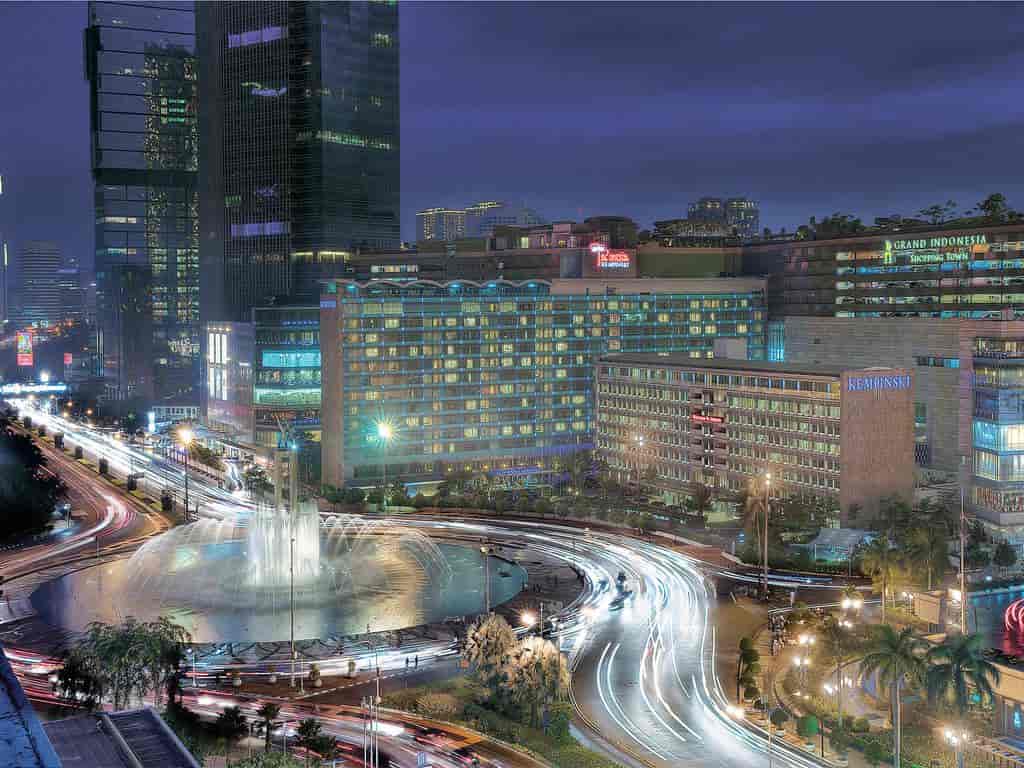
One of the most prominent examples of these enduring colonial-era hotels is the Hotel Indonesia Kempinski in Jakarta. While its current iteration is under the Kempinski brand, its origins are deeply rooted in Indonesia’s post-colonial aspirations. Inaugurated in 1962, the Hotel Indonesia was conceived as a symbol of national pride and a testament to Indonesia’s burgeoning status on the international stage. Its construction was funded by a combination of government investment and spoils from Japanese war reparations, making it a potent emblem of the nation’s recovery and self-determination.
The hotel played a crucial role as the primary accommodation for athletes and dignitaries during the IV Asian Games held in Jakarta that same year. This event was a significant milestone for Indonesia, showcasing its organizational capabilities and fostering a sense of national unity. The Hotel Indonesia, with its then-unprecedented five-star luxury and imposing stature, was at the heart of this national celebration. Its design, a fusion of modernist architecture with Indonesian motifs, reflected the nation’s ambition to blend tradition with modernity.
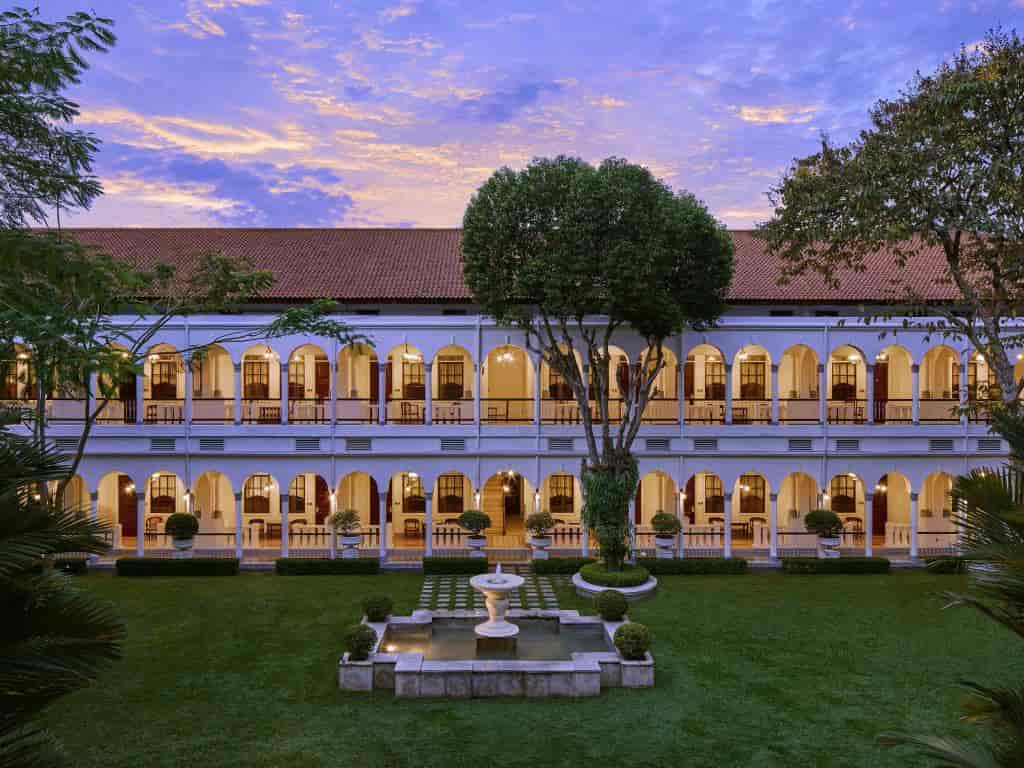
Over the decades, the Hotel Indonesia has hosted countless luminaries, from heads of state to international celebrities. A notable recent event underscored its continued prestige: in 2020, the King and Queen of the Netherlands chose to stay at the hotel during their state visit to Indonesia. Their selection of the hotel’s finest suite, reportedly equipped with bulletproof glass, highlighted the enduring significance of this landmark establishment and served as a symbolic bridge between the two nations, acknowledging their shared, albeit often contentious, history. The hotel’s prime location and luxurious amenities continue to attract discerning travelers, offering a sophisticated experience that honors its historical legacy. Rates for rooms at Hotel Indonesia Kempinski typically start from approximately IDR 2.98 million per night, reflecting its status as a premier luxury accommodation.
Hotel Majapahit Surabaya: A Witness to Pivotal Historical Moments
In Surabaya, the Hotel Majapahit stands as a silent witness to some of the most defining moments in Indonesia’s struggle for independence. Originally established in 1910 by the Armenian Sarkies brothers, it was first known as the Hotel Oranje, a reflection of its Dutch colonial identity. During the Japanese occupation, its name was changed to Hotel Yamato, further marking the shifts in power that shaped the archipelago.
The hotel’s most indelible mark on history occurred in September 1945, shortly after Indonesia’s declaration of independence. In a defiant act against the lingering Dutch presence, Indonesian youths, fueled by patriotic fervor, tore off the blue stripe of the Dutch flag flying atop the hotel, transforming it into the red and white of the Indonesian flag. This symbolic act of rebellion, known as the "Battle of Surabaya," was a watershed moment, galvanizing the Indonesian people and signaling their unwavering resolve to maintain their sovereignty. The hotel’s ballroom, in particular, has become a hallowed space, intrinsically linked to this act of heroism.
The Hotel Majapahit has since undergone several renovations and name changes, but its historical resonance remains. It has been meticulously preserved, allowing visitors to experience the grandeur of its past while enjoying modern comforts. The hotel’s architecture, a blend of colonial elegance and Javanese influences, evokes a sense of timeless sophistication. Guests can walk the same halls where pivotal historical figures once deliberated and where moments of immense courage unfolded. The hotel’s enduring presence serves as a constant reminder of Surabaya’s heroic spirit and its critical role in the nation’s fight for freedom. Accommodation at Hotel Majapahit Surabaya typically begins around IDR 985,125 per night, offering a unique opportunity to immerse oneself in history.
Royal Ambarukmo Yogyakarta: A Royal Legacy in the Heart of Java
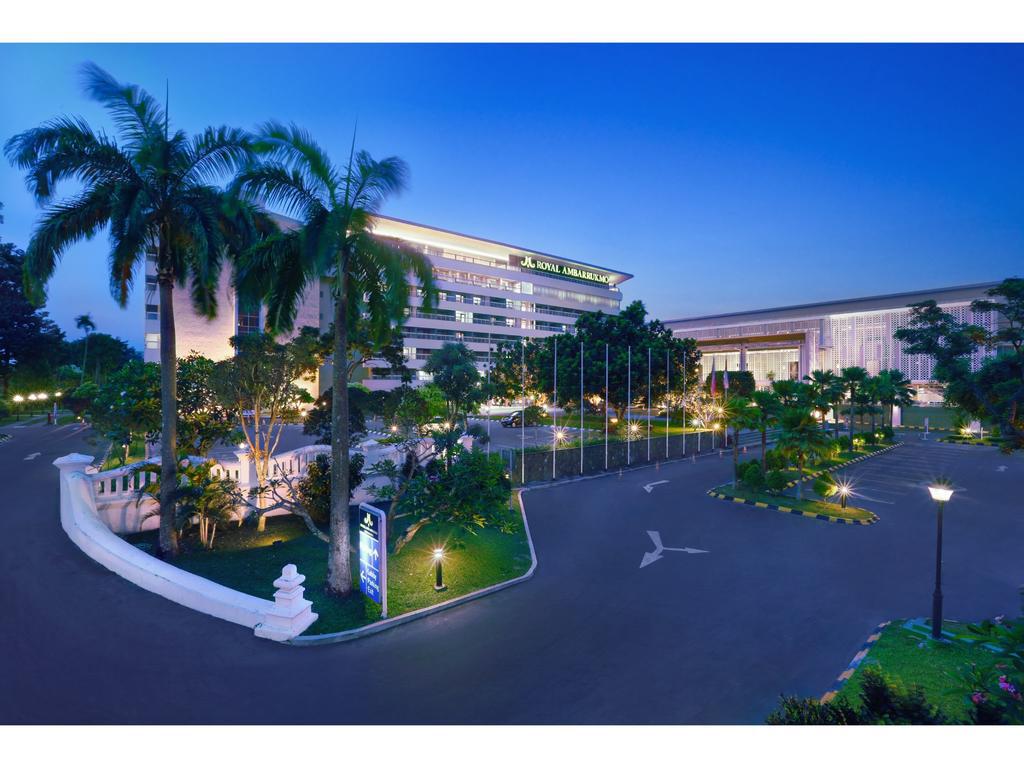
Yogyakarta, the cultural heart of Java, is home to the Royal Ambarukmo, a hotel that embodies the rich heritage of the region and its royal lineage. Built by Sultan Hamengku Buwono V, the hotel is not merely a commercial establishment but an extension of the Ambarrukmo Palace complex, a testament to the enduring influence of the Yogyakarta Sultanate. Its historical significance was further cemented in 1966 when it was one of the first four hotels in Indonesia to be officially promoted by President Soekarno as international-class accommodations.
The promotion by President Soekarno was part of a broader national strategy to develop Indonesia’s tourism infrastructure and attract foreign investment. By highlighting these select hotels, the government aimed to showcase the country’s potential as a tourist destination and its capacity to provide world-class hospitality. The Royal Ambarukmo, with its blend of traditional Javanese architecture and modern amenities, was perfectly positioned to fulfill this vision. Its integration with the royal palace grounds offers guests a unique opportunity to experience the grandeur of Javanese royalty.
As a five-star luxury hotel, the Royal Ambarukmo offers an array of opulent facilities, including a golf course, game rooms, a poolside bar, and more, ensuring a comfortable and enriching stay. Its location provides easy access to Yogyakarta’s numerous cultural attractions, including the Sultan’s Palace, Taman Sari (Water Castle), and the ancient Borobudur and Prambanan temples. The hotel’s commitment to preserving its historical ambiance while delivering exceptional service makes it a favored choice for travelers seeking an authentic Javanese experience steeped in royal tradition. Prices at Royal Ambarukmo Yogyakarta generally start from around IDR 911,250 per night.
Hotel Savoy Homann Bandung: Art Deco Elegance and a Touch of Hollywood Glamour
Nestled in the vibrant city of Bandung, at the strategic Jalan Asia-Afrika, the Hotel Savoy Homann is an enduring icon of Art Deco architecture and a testament to the city’s glamorous past. Originally conceived with a striking "ocean wave" design by architect Albert Aalbers in 1939, the hotel was intended to be a masterpiece of its era. The Homann family, renowned for their culinary prowess, particularly Madame Homann’s famous rijsttafel (a traditional Indonesian rice table with numerous side dishes), contributed to the hotel’s reputation for exceptional hospitality.
The hotel was renamed Savoy Homann in 1940, solidifying its status as a grand establishment. Its prime location on Jalan Asia-Afrika, a street historically significant for its role in hosting the 1955 Asian-African Conference, further adds to its historical weight. The conference, a landmark event in the Non-Aligned Movement, brought together leaders from across Asia and Africa, many of whom likely patronized the Savoy Homann.
The hotel’s allure transcended its architectural and historical significance, attracting international fame. Notably, the legendary silent film star Charlie Chaplin is recorded as having stayed at the Savoy Homann, a testament to its reputation as a premier destination for global elites during its heyday. This connection to Hollywood royalty underscores the hotel’s enduring appeal and its role in the international social scene of the early 20th century. Today, the Hotel Savoy Homann continues to offer a luxurious experience, blending its historical charm with modern amenities. Guests can still appreciate the Art Deco aesthetics that defined its original design. Rates at the Hotel Savoy Homann typically start from approximately IDR 390,880 per night, offering an accessible gateway to Bandung’s historical grandeur.
Inna Bali Heritage Hotel: A Pioneer of Balinese Hospitality
In the tropical paradise of Bali, the Inna Bali Heritage Hotel holds the distinction of being the island’s first luxury accommodation, opening its doors on August 22, 1927. At a time when Bali was just beginning to capture the imagination of international travelers, this hotel emerged as a beacon of hospitality, catering to the growing influx of visitors arriving by steamship, particularly those from the Dutch Koninklijke Paket-vaart Maatschappij (Royal Packet Navigation Company).
The establishment of the Inna Bali Heritage Hotel marked a significant step in Bali’s development as a global tourist destination. Prior to its opening, tourist facilities were rudimentary, and the island’s unique charm was accessible only to a select few. The hotel’s introduction of international standards of comfort and service helped to solidify Bali’s reputation as an exotic and desirable vacation spot. Its location in Denpasar, the island’s capital, placed it at the nexus of Balinese culture and accessibility.
Despite being a three-star establishment, the hotel has consistently offered a range of luxurious amenities, including beautifully maintained gardens, an on-site restaurant, a swimming pool, and a cafe. These facilities provided guests with a comfortable and immersive experience, allowing them to relax and enjoy the island’s tropical splendor. The Inna Bali Heritage Hotel’s longevity is a testament to its enduring appeal and its pivotal role in shaping Bali’s tourism industry. It continues to attract visitors who seek a blend of historical ambiance and contemporary comfort. Booking at the Inna Bali Heritage Hotel typically starts from around IDR 270,000 per night, making it an attractive option for those looking to experience Bali’s rich heritage.
A Legacy of Hospitality and Enduring Charm
These five hotels represent just a fraction of Indonesia’s rich tapestry of colonial-era establishments that have managed to thrive into the present day. Each possesses a unique narrative, intertwined with the nation’s complex history of trade, colonization, and independence. Their continued operation is not merely a matter of architectural preservation; it is a celebration of Indonesia’s capacity to adapt and evolve, embracing its past while forging a dynamic future.
The pricing for accommodations at these historical hotels can fluctuate significantly. Factors such as the seasonality of bookings (high versus low season), inflation rates, local tax policies, and prevailing demand all contribute to the final cost. Travelers are advised to book during the low season for potentially more economical rates and to always verify the final price before confirming any reservation.
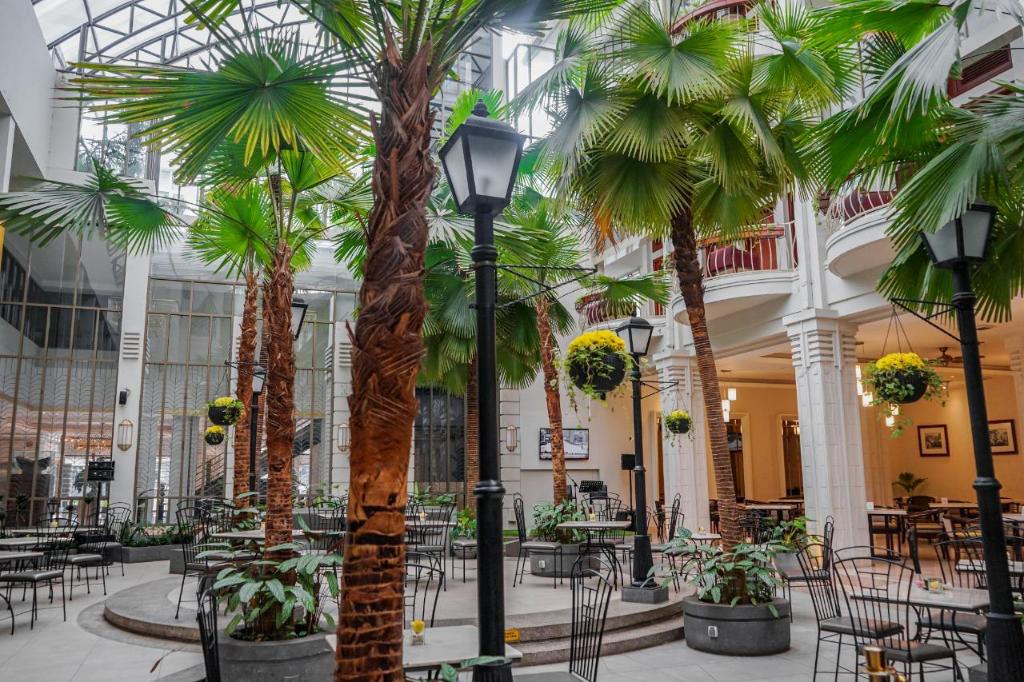
The enduring appeal of these hotels lies in their ability to transport guests to another era, offering a tangible connection to the past. They stand as proud reminders of Indonesia’s historical journey, providing not only luxurious stays but also invaluable insights into the cultural and architectural heritage that has shaped the nation. As Indonesia continues to welcome visitors from around the globe, these historical hotels remain essential landmarks, offering a unique blend of comfort, history, and unparalleled charm.