Nila Kartika Wati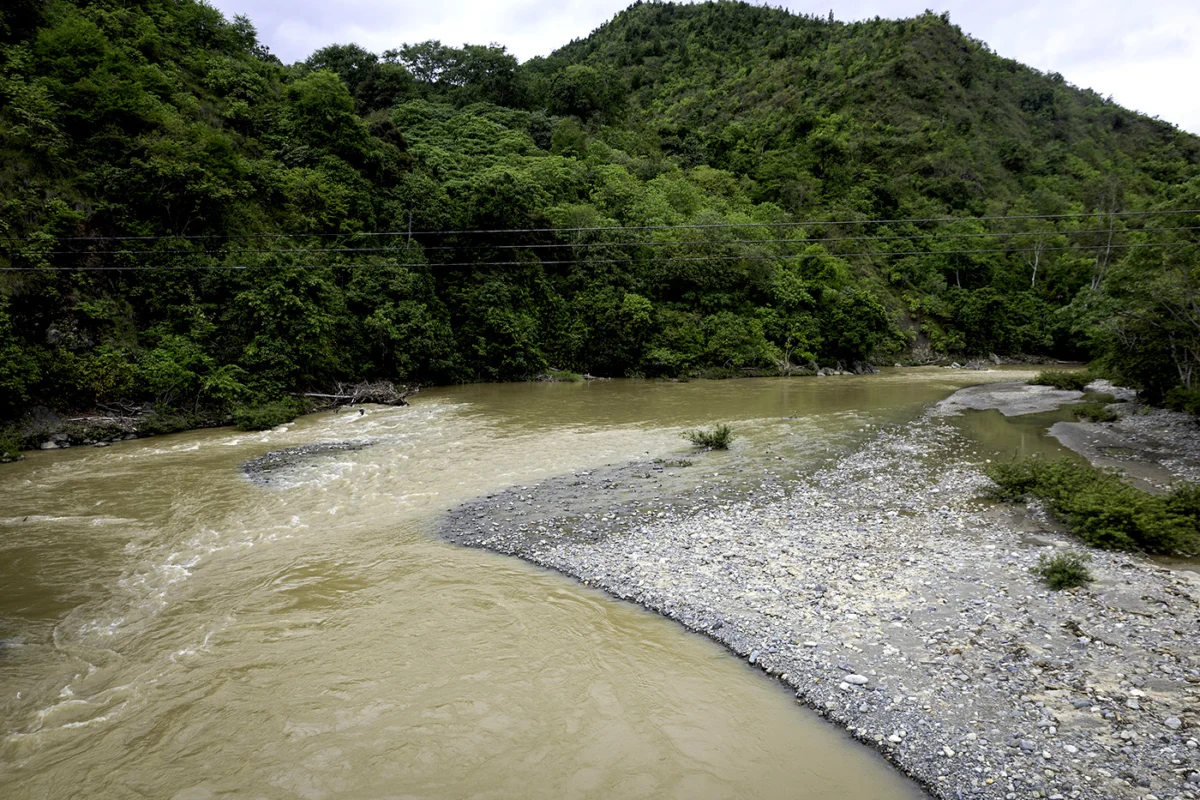
Amiruddin, the village head—locally known as the Keuchik—of Gampong Barueh in the Kota Jantho District of Aceh Besar, stands at the edge of a deteriorating ecosystem, his voice heavy with a mixture of frustration and urgency. For the past year, the headwaters of the Krueng Aceh River, a vital artery for the region, have been besieged by illegal gold mining operations that have fundamentally altered the landscape. What was once a pristine forest corridor within the Ulu Masen ecosystem is now a site of industrial-scale environmental plunder, where over a dozen units of heavy machinery relentlessly excavate the riverbanks in search of gold deposits. This unauthorized activity, occurring deep within the protected zones of Aceh, has sparked a grassroots movement among local residents who fear that the destruction of their natural resources will lead to irreversible ecological and social catastrophe.
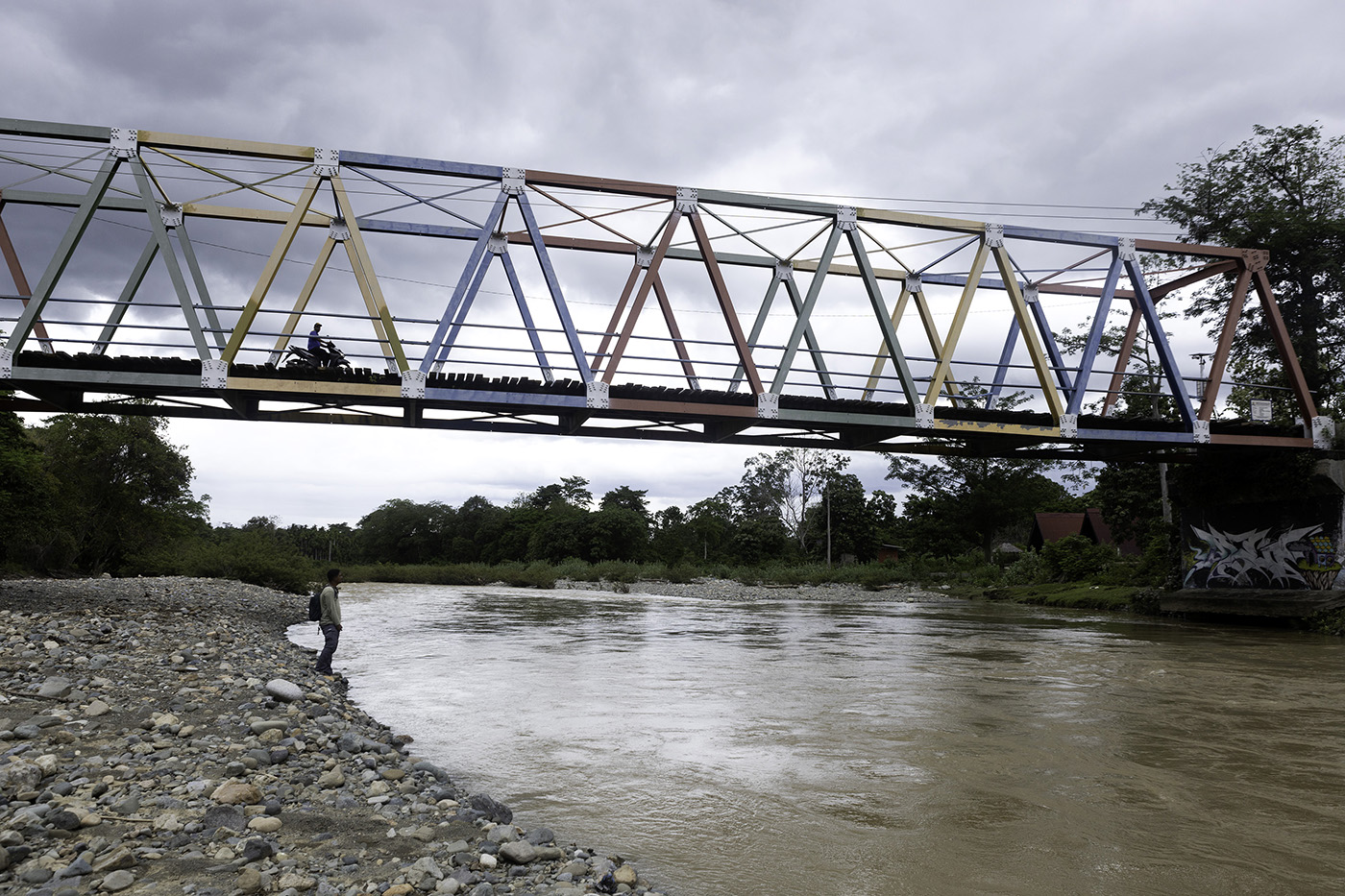
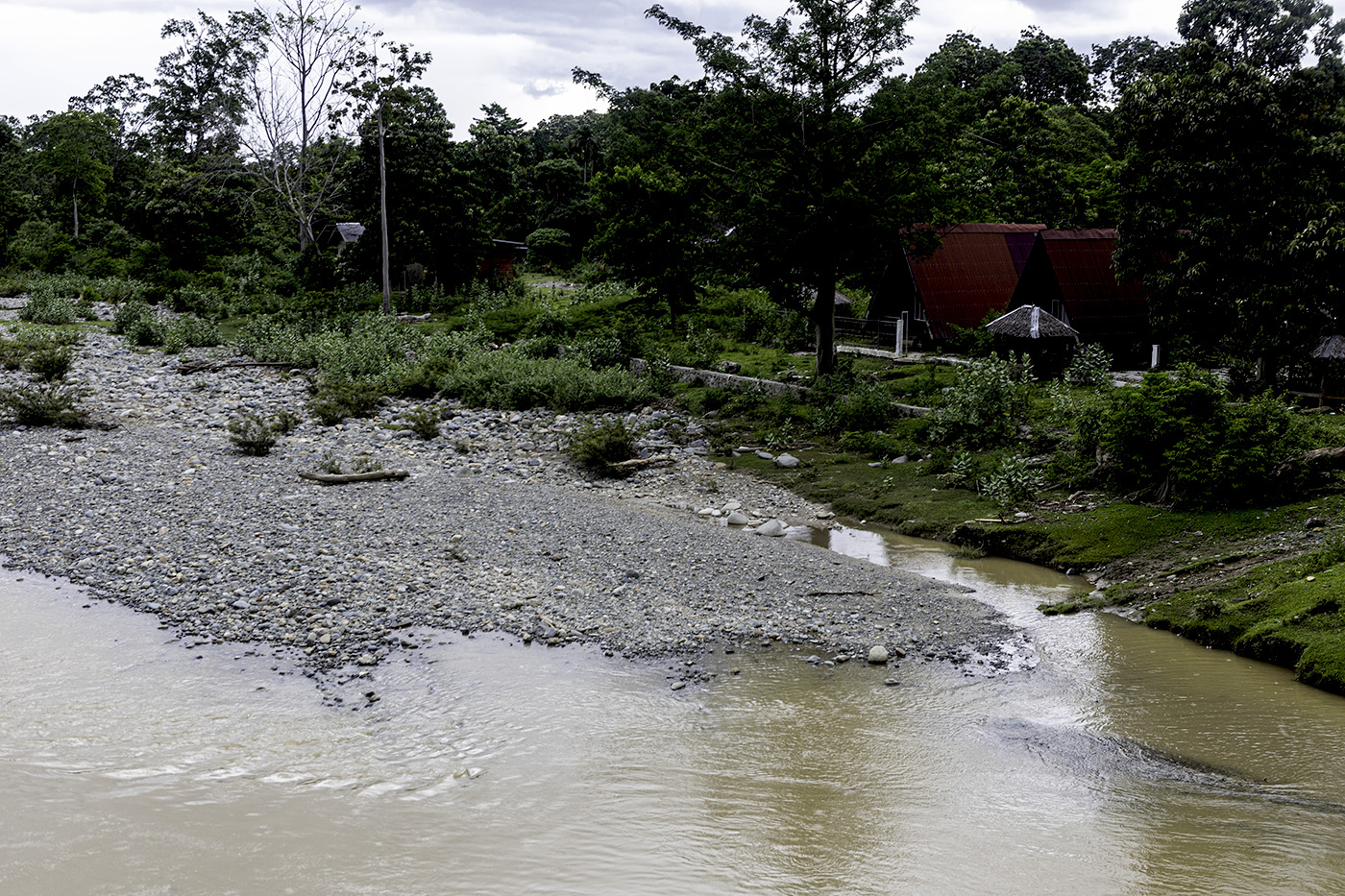
The impact of these activities is most visible in the physical state of the Krueng Aceh River. The water, which previously served as a reliable source of life for the community, has become perpetually turbid, choked with silt and sediment runoff from the mining sites. According to Amiruddin, this degradation is not merely an aesthetic concern but a direct threat to the survival of the 12 villages within the Kota Jantho District that rely on the river for their daily needs. The pollution has compromised the local water supply, making it increasingly difficult for residents to access clean water for drinking, bathing, and irrigation. Furthermore, the biological diversity of the river is plummeting. Two culturally and economically significant species, the Jurung fish (Tor tambroides) and the Sidat or tropical eel (Anguilla sp), are rapidly disappearing from the upper reaches of the river. These species are highly sensitive to water quality and sedimentation; the destruction of their spawning grounds and the contamination of the water column have driven them to the brink of local extinction.
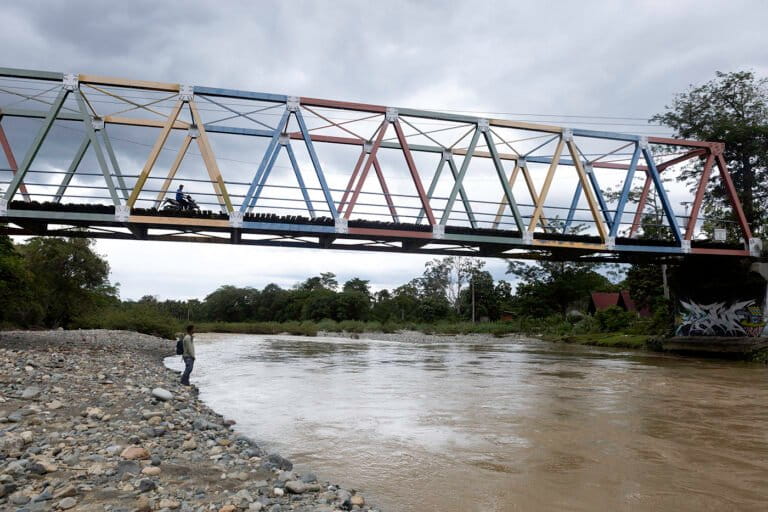
For the people of Gampong Barueh, the river is more than just a resource; it is a safety net. In times of economic hardship, the river provides a communal larder where residents can harvest fish for sustenance or to sell for supplemental income. This traditional reliance is anchored in a deep-seated cultural practice of "gotong royong," or mutual cooperation. Amiruddin describes a local tradition where, in the event of a community member suffering a misfortune or tragedy, the village organizes a collective seven-day fishing rotation. The catch from these efforts is used to support the bereaved or affected family, ensuring that no one in the village faces hardship alone. By destroying the river’s health, the illegal miners are effectively dismantling the social security system that has sustained these mountain communities for generations.
The economic fallout extends beyond the fishing sector and into the burgeoning local tourism industry. In the nearby village of Desa Jalin, the once-popular riverfront tourism spots have been forced to close. Hamdani, a resident of Jalin who invested in building facilities to accommodate visitors, reports that the industry has completely collapsed over the last year. The allure of the Krueng Aceh River lay in its crystal-clear waters and serene forest backdrop; with the river now resembling a muddy canal due to upstream mining, tourists have stopped coming. The shuttered kiosks and empty riverbanks represent a significant loss of investment for local entrepreneurs who had hoped to pivot toward sustainable eco-tourism as a long-term economic driver for the district.
In response to the mounting crisis, the leadership of the Kota Jantho District has consolidated its opposition. Anshari, the Chairman of the Forum Keuchik for the district, has been vocal in stating that at no point did any village administration grant permission or "green-light" these mining activities. The consensus among the village heads is one of absolute rejection. This collective stance is fueled by a collective trauma; the people of Aceh Besar have witnessed the devastating consequences of environmental mismanagement in neighboring regions. Anshari pointed to the recent history of flash floods and landslides in Pidie Jaya, Bireuen, Aceh Utara, Aceh Timur, and Aceh Tamiang—disasters often exacerbated by deforestation and illegal land use—as a warning of what awaits Kota Jantho if the mining is allowed to continue.
The formalization of this resistance took place during a high-stakes coordination meeting held at the Meunasah (community hall) of Gampong Jalin on the night of Saturday, April 11, 2026. The meeting brought together village heads from all 12 affected gampongs, community elders, and youth representatives. The outcome was a unanimous resolution to expel the illegal miners. Darwin, the Imum Mukim (traditional regional leader) of Jantho, issued a stern ultimatum to the operators of the heavy machinery: all mining activity must cease immediately, and all equipment must be withdrawn from the Krueng Aceh headwaters. The community has made it clear that if the authorities fail to act and the miners ignore the ultimatum, the residents are prepared to take direct action on the ground to protect their ancestral lands.
The surge in illegal mining in Aceh Besar is part of a broader, more alarming trend across the province. Data provided by the Indonesian Forum for the Environment (Walhi) Aceh paints a grim picture of accelerating land degradation. In Aceh Besar alone, the footprint of illegal gold mining (locally referred to as PETI, or Pertambangan Emas Tanpa Izin) has more than doubled in a short period. In 2023, the affected area was recorded at approximately 5.97 hectares. By 2025, that figure had surged to 13.80 hectares. While these numbers might seem small in isolation, their location in the headwaters of a major river system means their ecological impact is disproportionately large, affecting the entire downstream watershed.
On a provincial scale, the statistics are even more staggering. Walhi Aceh reports that illegal mining operations are currently active in eight districts across the province. In 2023, the total area under illegal mining was 6,810 hectares. This grew by 21 percent in 2024 to 8,222 hectares and reached 8,401 hectares by 2025. Over the last three years, the cumulative area destroyed by illegal gold mining in Aceh has reached 23,434 hectares—an area nearly four times the size of the provincial capital, Banda Aceh. This massive scale of land conversion represents a catastrophic loss of forest cover, soil stability, and carbon sequestration capacity, directly undermining Indonesia’s climate commitments and regional biodiversity.
Ahmad Shalihin, the Director of Walhi Aceh, has called for immediate and decisive intervention from law enforcement agencies. He emphasized that the current situation in Kota Jantho is a "ticking time bomb" for social conflict. When the state is perceived as absent or indifferent to the blatant violation of environmental laws, local communities often feel compelled to take the law into their own hands. Shalihin warned that the lack of enforcement is creating a vacuum that could lead to "horizontal conflict" between residents and mining actors, who are often backed by shadowy figures or organized syndicates. The demand from Walhi is clear: the government must prioritize ecological security and the safety of its citizens over the short-term profits of illegal miners.
The implications of continued mining in the Ulu Masen ecosystem are profound. Ulu Masen is one of the most critical forest blocks in Sumatra, serving as a vital habitat for endangered species such as the Sumatran tiger and elephant. It also acts as a giant sponge, regulating the water flow for much of northern Aceh. The use of heavy machinery in these areas causes severe soil compaction and disrupts the natural hydrological cycles. Furthermore, illegal gold mining in Indonesia is almost synonymous with the use of mercury and cyanide for ore processing. While not explicitly mentioned in the initial reports from Jantho, the presence of such chemicals in the headwaters would pose a long-term toxicological threat to the entire Krueng Aceh basin, potentially leading to heavy metal bioaccumulation in the food chain and posing severe health risks to the population of Banda Aceh downstream.
As the deadline set by the community approaches, the tension in Kota Jantho remains palpable. The struggle of the 12 villages is a microcosm of the larger battle being waged across Indonesia between short-term extractive interests and the long-term survival of local communities. The people of Jantho are not just fighting for their river; they are fighting for the integrity of their culture, the safety of their homes, and the right to a sustainable future. The eyes of the province are now on the provincial government and the Aceh Regional Police (Polda Aceh) to see if they will uphold the law or allow the heart of the Ulu Masen forest to be hollowed out by illegal enterprise. For Amiruddin and the residents of Gampong Barueh, the time for dialogue has passed; only the complete restoration of the river’s sanctity will suffice to prevent a looming disaster.