Bambang Pamungkas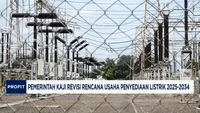
Jakarta, Indonesia – The Ministry of Energy and Mineral Resources (ESDM) of Indonesia is undertaking a comprehensive review of its Electricity Supply Business Plan (RUPTL) for the 2025-2034 period. This strategic re-evaluation aims to imbue the national electricity provision framework with greater flexibility and ensure its closer alignment with the evolving national energy requirements and broader strategic objectives. The announcement underscores Indonesia’s proactive stance in navigating the complexities of energy transition, aiming for a robust, sustainable, and adaptive power sector in the coming decade.
Understanding the RUPTL: Indonesia’s Energy Blueprint
The RUPTL, or Rencana Usaha Penyediaan Tenaga Listrik, serves as the cornerstone of Indonesia’s national electricity planning. Developed by PT Perusahaan Listrik Negara (PLN), the state-owned electricity company, and approved by the ESDM, it outlines the country’s electricity infrastructure development for a 10-year horizon. This includes projections for electricity demand, plans for power plant construction (covering various energy sources such as coal, gas, hydro, geothermal, solar, and wind), transmission and distribution network expansion, and the overall strategy for ensuring reliable and affordable electricity supply across the sprawling archipelago.
The most recent iteration, the RUPTL 2021-2030, marked a significant pivot towards a greener energy mix, emphasizing an ambitious target for renewable energy deployment and a phased retirement of coal-fired power plants. It projected an additional 40.6 gigawatts (GW) of power generation capacity, with 51.6% (20.9 GW) expected to come from renewable energy sources. This plan was a critical step in aligning Indonesia’s energy strategy with its Nationally Determined Contribution (NDC) under the Paris Agreement and its long-term goal of achieving Net Zero Emissions by 2060 or sooner.
The Impetus for Change: Why a Revision Now?
The decision to revise the RUPTL 2025-2034, even as the 2021-2030 plan is still in effect, reflects a dynamic global and domestic energy landscape. Several key factors are driving this urgent need for flexibility and recalibration:
- Accelerated Energy Transition Demands: Global pressure for decarbonization continues to intensify. International financial institutions and multilateral development banks are increasingly conditioning investments on robust commitments to renewable energy and clear pathways for fossil fuel phase-out. Indonesia, as a signatory to international climate agreements, must demonstrate tangible progress, and the RUPTL is the primary instrument for this.
- Evolving National Energy Policies and Targets: The government’s long-term vision, including the acceleration of Net Zero targets and the potential enactment of new renewable energy laws, necessitates a more agile planning framework. The previous RUPTL, while progressive, might require adjustments to accommodate more ambitious renewable energy penetration rates and more aggressive timelines for coal plant retirement, especially considering advancements in carbon capture, utilization, and storage (CCUS) technologies.
- Technological Advancements: The pace of innovation in renewable energy technologies, battery storage, smart grids, and digital infrastructure is rapid. Solar photovoltaic (PV) and wind power costs continue to decline, while energy storage solutions are becoming more viable. A flexible RUPTL can better integrate these emerging technologies, optimizing efficiency and cost-effectiveness.
- Shifting Electricity Demand Patterns: The post-pandemic economic recovery has brought about changes in industrial and residential electricity consumption. Furthermore, the growth of new industries, such as electric vehicle manufacturing and digital data centers, will create new demand profiles that require specific planning. The revised RUPTL must account for these granular changes and future growth areas.
- Grid Stability and Reliability Concerns: Integrating a higher proportion of intermittent renewable energy sources (like solar and wind) into the national grid poses significant challenges to stability and reliability. The revised plan needs to emphasize robust grid infrastructure upgrades, advanced forecasting, and demand-side management to ensure seamless integration and prevent power disruptions.
- Regional Disparities and Energy Equity: Indonesia’s vast geography presents unique challenges in ensuring equitable access to electricity. While major islands like Java and Sumatra have well-developed grids, many remote areas still rely on diesel generators or lack reliable access. The revised RUPTL must address these disparities, promoting localized renewable energy solutions and microgrids to enhance energy equity.
Key Pillars of the Revised RUPTL (Inferred Focus Areas)
While the specifics of the revised RUPTL 2025-2034 are still under review, several key areas are expected to receive heightened attention:
- Enhanced Grid Flexibility and Modernization: This will likely involve significant investment in smart grid technologies, digitalization of grid operations, and advanced transmission infrastructure capable of handling bidirectional power flows and distributed generation. The goal is to create a more resilient and adaptable grid.
- Accelerated Renewable Energy Integration: The new RUPTL is anticipated to outline more aggressive targets for renewable energy capacity additions, potentially exploring novel sources like offshore wind and green hydrogen production. It will also focus on overcoming challenges related to land acquisition, financing, and local content requirements for renewable projects.
- Strategic Role of Energy Storage: Battery energy storage systems (BESS) are crucial for mitigating the intermittency of renewables. The revised plan is expected to include a clear strategy for BESS deployment at both utility and distributed levels, ensuring grid stability and optimizing renewable energy dispatch.
- Phased and Just Transition from Coal: While coal remains a dominant source, the RUPTL will likely refine the strategy for early retirement or repurposing of older, less efficient coal plants, exploring innovative financing mechanisms for this "just transition," which includes support for affected communities and workers.
- Exploration of Emerging Technologies: The plan may incorporate studies and pilot projects for emerging technologies such as small modular reactors (SMRs) for nuclear power, advanced geothermal systems, and hydrogen-based power generation, evaluating their long-term potential for Indonesia’s energy security.
- Demand-Side Management and Energy Efficiency: Beyond increasing supply, the RUPTL is expected to place greater emphasis on managing demand through energy efficiency programs, smart metering, and consumer incentives to reduce overall consumption and flatten peak loads.
Addressing National Energy Needs: Beyond Generation Capacity
The phrase "national energy needs" encompasses more than just megawatts. It signifies a holistic approach to energy security, affordability, and sustainability. The revised RUPTL will likely aim to:
- Support Industrial Growth: Provide reliable and competitive electricity tariffs to foster industrial development, particularly in high-growth sectors and new economic zones, while also promoting green industrialization.
- Ensure Energy Access for All: Continue efforts towards 100% electrification ratio, focusing on remote islands and underserved communities through decentralized renewable energy solutions.
- Enhance Energy Resilience: Diversify the energy mix to reduce over-reliance on any single source, thereby enhancing the country’s resilience to supply chain disruptions and volatile commodity prices.
- Promote Local Content and Job Creation: Encourage the development of a domestic supply chain for renewable energy components and services, creating local jobs and fostering technological expertise.
Statements from Key Stakeholders (Inferred)
While no specific new statements were available at the time of the original report (April 16, 2026), the ongoing review would logically elicit certain perspectives from key players:
ESDM Officials: The Ministry would likely reiterate its commitment to a flexible and forward-looking energy policy. Officials would emphasize that the revision is not merely an update but a strategic recalibration to ensure Indonesia remains on track for its climate commitments while guaranteeing energy security and affordability for its growing population. They might highlight the importance of balancing economic growth with environmental stewardship.
PLN (Perusahaan Listrik Negara): As the primary implementer of the RUPTL, PLN would likely express its readiness to adapt to the new framework. Its representatives would probably underscore the technical challenges of integrating more intermittent renewables and the need for significant investment in grid infrastructure. They might also emphasize the importance of regulatory certainty and predictable tariff mechanisms to attract necessary private investment.
Industry Players (Renewable Energy Developers, IPPs): Developers of renewable energy projects and Independent Power Producers (IPPs) would likely welcome the emphasis on increased flexibility and accelerated renewable deployment, viewing it as an opportunity for market expansion. They would, however, likely call for clear, transparent, and stable regulatory frameworks, streamlined permitting processes, and competitive power purchase agreements to facilitate investment.
Environmental Advocacy Groups: These groups would likely monitor the revision closely, emphasizing the need for concrete, ambitious targets for renewable energy and a definitive timeline for coal phase-out. They would advocate for stronger environmental safeguards and a truly just transition that protects communities and biodiversity.
Economic Analysts: Experts would likely analyze the financial implications, focusing on the investment required for grid modernization and renewable energy deployment. They might discuss the role of blended finance, international climate funding, and innovative financing models to bridge potential funding gaps. The economic benefits of a green transition, such as new job creation and reduced reliance on imported fossil fuels, would also be highlighted.
The Role of Renewables and Decarbonization
The revision process for RUPTL 2025-2034 is inextricably linked to Indonesia’s commitments under the Paris Agreement and its long-term Net Zero Emissions target. The previous RUPTL 2021-2030 projected a 51.6% share for renewables in new capacity, a substantial increase. The new RUPTL is expected to push these boundaries further, potentially exploring scenarios that exceed the current 23% renewable energy mix target by 2025 and pave a clearer path towards the 2060 Net Zero goal. This includes:
- Prioritizing Indigenous Renewables: Maximizing the utilization of Indonesia’s vast hydro, geothermal, solar, and biomass potential.
- Developing Carbon Pricing Mechanisms: Potentially integrating carbon pricing or emissions trading schemes within the energy sector to incentivize cleaner technologies.
- Research and Development: Fostering domestic research and development in renewable energy technologies and energy storage solutions.
Economic and Investment Landscape
The revised RUPTL will have profound implications for the investment landscape in Indonesia’s power sector. A clear and ambitious plan signals stability and opportunity for both domestic and international investors. The shift towards renewables and grid modernization will necessitate:
- Increased Green Investment: Attracting significant capital into renewable energy generation, energy storage, and smart grid infrastructure. This will require robust policy signals and a conducive regulatory environment.
- Innovative Financing Mechanisms: Exploring green bonds, climate finance, blended finance, and public-private partnerships to fund large-scale energy transition projects.
- Upskilling the Workforce: Investing in education and training programs to develop the skilled workforce required for the construction, operation, and maintenance of advanced energy systems.
Challenges and Opportunities
Despite the clear vision, the implementation of a revised, more flexible RUPTL will face challenges:
- Financing Gap: The sheer scale of investment required for a comprehensive energy transition and grid upgrade is immense. Securing adequate and affordable financing remains a critical hurdle.
- Land Acquisition: Acquiring suitable land for large-scale renewable energy projects (solar farms, wind farms, hydro dams) can be complex and time-consuming in a densely populated archipelago.
- Technology Transfer and Localization: While aiming for local content, ensuring effective technology transfer and building domestic manufacturing capabilities for advanced energy technologies will be crucial.
- Regulatory Consistency: Maintaining a consistent and predictable regulatory environment is vital to build investor confidence and ensure long-term project viability.
- Intermittency Management: Managing the variable output of solar and wind power effectively to maintain grid stability will require sophisticated planning, forecasting, and operational flexibility.
However, these challenges are accompanied by significant opportunities:
- Enhanced Energy Security: Reducing reliance on imported fossil fuels and diversifying the energy mix will bolster Indonesia’s energy independence.
- Economic Growth and Job Creation: Investment in the renewable energy sector and associated infrastructure will stimulate economic activity and create new jobs.
- Technological Leadership: By embracing advanced energy technologies, Indonesia can position itself as a leader in sustainable energy development in Southeast Asia.
- Environmental Benefits: A cleaner energy mix will lead to reduced air pollution, improved public health, and a significant contribution to global climate action.
Next Steps and Outlook
The review of the RUPTL 2025-2034 is an iterative process involving extensive consultations with PLN, various government agencies, industry stakeholders, and potentially civil society organizations. Following the review, a draft will be prepared, undergo further public consultation, and finally be submitted for approval by the ESDM Minister. Once approved, it will serve as the guiding document for PLN’s investment and operational plans for the next decade.
The revised RUPTL is poised to be a pivotal document, shaping not just Indonesia’s electricity landscape but also its economic trajectory and environmental legacy for decades to come. Its success will hinge on robust planning, transparent implementation, and a sustained commitment to its ambitious goals, ensuring that Indonesia’s national energy needs are met with flexibility, sustainability, and equity.