Azin Asro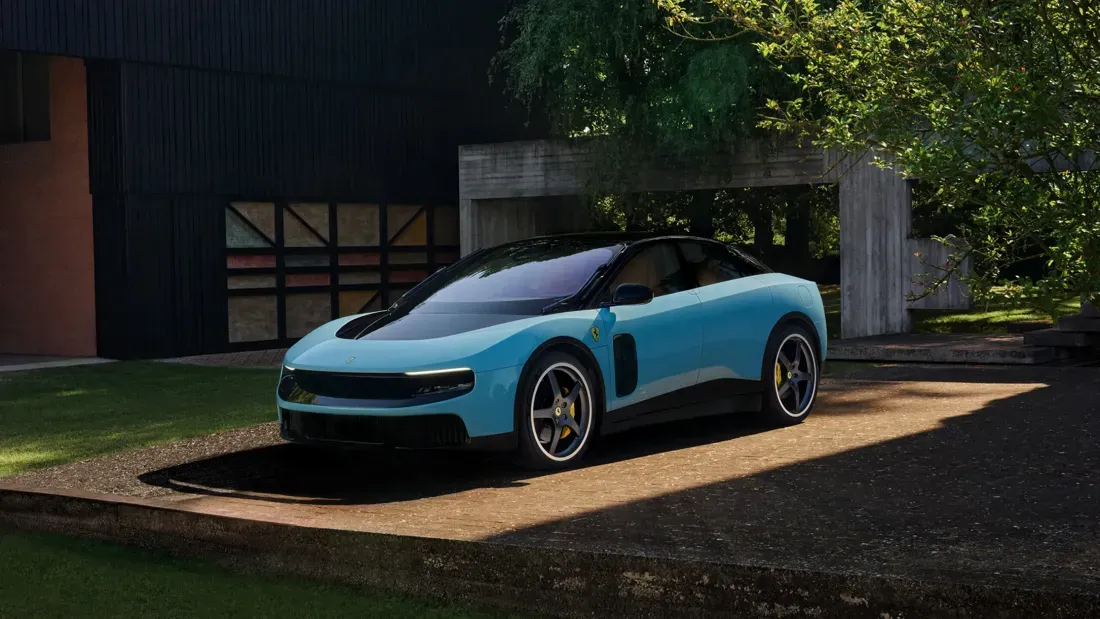
The global automotive landscape has reached a significant turning point with the official unveiling of the Ferrari Luce EV, the first all-electric production vehicle to emerge from the historic gates of Maranello. However, the long-anticipated debut of the "Prancing Horse" without an internal combustion engine has not been met with the universal acclaim typically reserved for the Italian marque. Instead, the Luce EV has become the center of a heated debate regarding brand identity, aesthetic heritage, and the future of luxury performance. Critics and enthusiasts alike have expressed concern that the vehicle represents a radical departure from the design DNA that has defined Ferrari for over eight decades, leading to a polarized reception that has reverberated through the industry.
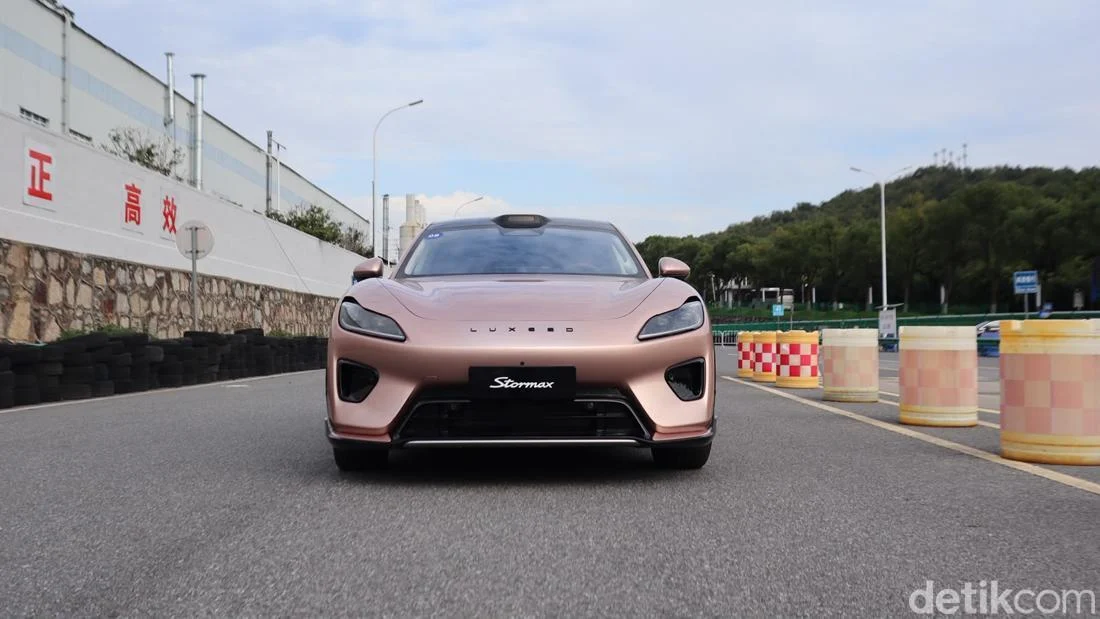
The most stinging criticism came from a figure deeply entwined with Ferrari’s golden era of dominance. Luca Di Montezemolo, who served as the chairman of Ferrari for over two decades and oversaw the brand’s most successful period in Formula 1 and commercial expansion, did not mince words when expressing his disappointment. Following the reveal of the Luce EV, Montezemolo suggested that the vehicle’s aesthetic was so far removed from the brand’s prestigious lineage that it risked diluting the legend of the Prancing Horse. He went as far as to claim that the design lacked the aspirational quality that usually invites imitation, stating that even Chinese manufacturers, often criticized for borrowing European design cues, would likely find no reason to replicate the Luce’s unconventional form.
A Radical Departure in Design Philosophy
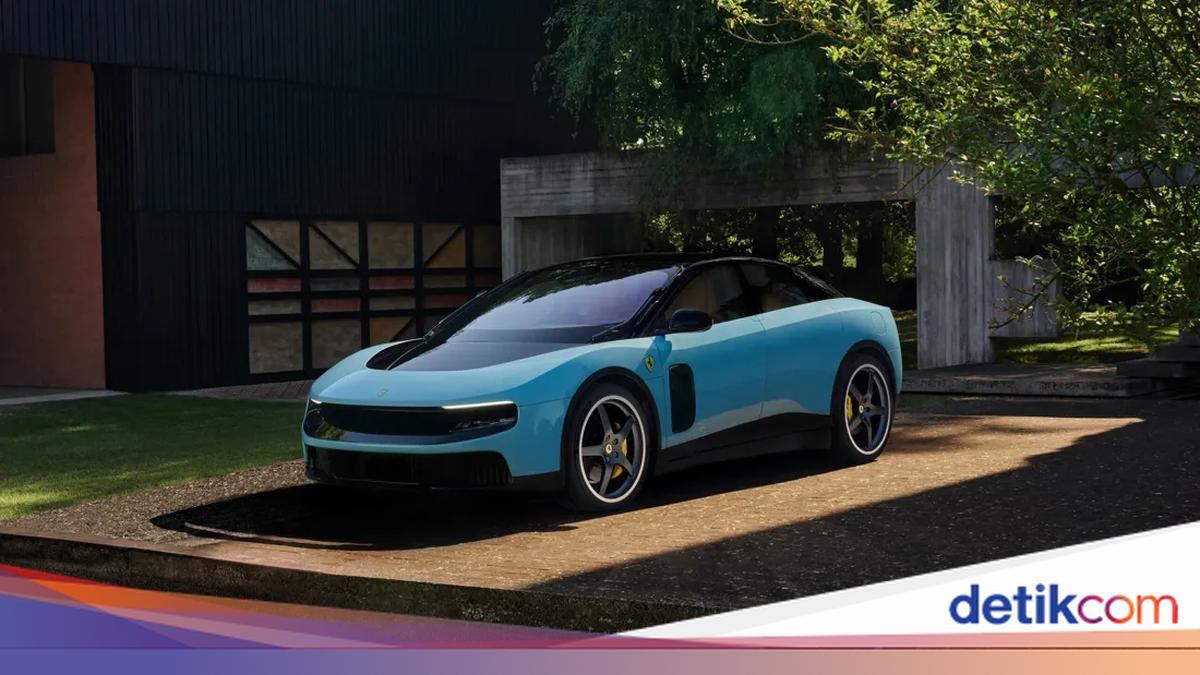
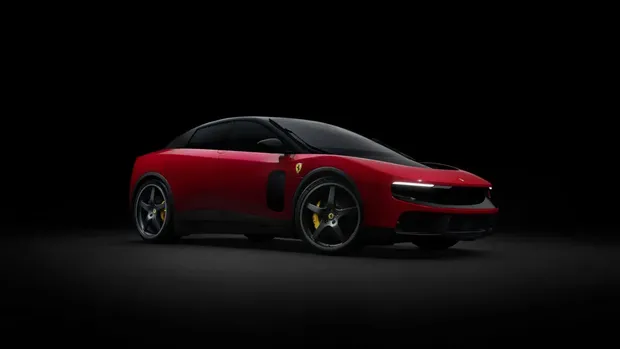
The controversy surrounding the Ferrari Luce EV stems primarily from its visual departure from the sleek, aggressive, and aerodynamic silhouettes associated with Maranello’s previous masterpieces. Historically, Ferrari designs—crafted by legendary houses like Pininfarina or the in-house Centro Stile—have balanced functional cooling and downforce with a distinct Italian elegance. The Luce EV, however, introduces a design language that many feel is sterile or overly futuristic.
The vehicle’s exterior was developed in collaboration with LoveFrom, the creative collective founded by former Apple design chief Sir Jony Ive and renowned designer Marc Newson. Their influence is palpable in the Luce’s "glass house" architecture, which features a seamless, ultra-clean aesthetic that prioritizes minimalism over the traditional muscularity of a supercar. The car incorporates floating aerodynamic wings at both the front and rear, which serve to manage airflow for the electric drivetrain, yet these elements have been criticized for lacking the integrated "organic" feel of a Ferrari.
Adding to the shock factor is the inclusion of rear-hinged "suicide doors," a feature more commonly associated with ultra-luxury grand tourers like those from Rolls-Royce than with high-performance Italian supercars. Furthermore, the Luce EV sits on staggering 23-inch wheels at the front and 24-inch wheels at the rear—the largest ever fitted to a road-going Ferrari. While these dimensions provide a commanding presence, purists argue they disrupt the delicate proportions that have historically made Ferraris the most beautiful cars in the world.
Engineering and Performance Specifications
Despite the backlash regarding its appearance, the Luce EV remains a tour de force of modern electric vehicle engineering. Ferrari has integrated a sophisticated multi-motor setup that ensures the vehicle maintains the performance benchmarks expected of the brand. The Luce features a total of four electric motors, providing all-wheel-drive capability and precise torque vectoring.
The front axle is powered by a motor producing 282 horsepower (210 kW), while the rear axle houses a significantly more powerful unit capable of delivering 831 horsepower (620 kW). When the vehicle is engaged in its "Boost Mode," the combined system output reaches a staggering 1,035 horsepower. This immense power allows the Luce EV to accelerate from 0 to 100 km/h (62 mph) in just 2.5 seconds, placing it in the upper echelon of the "hyper-EV" segment alongside competitors like the Rimac Nevera and the Tesla Model S Plaid.
Ferrari has emphasized that every major component of the Luce EV, from the battery chemistry to the electric motors and software, has been developed in-house. This strategic move is intended to ensure that the vehicle can be serviced and maintained by the factory indefinitely, thereby protecting the long-term resale value of the car—a critical factor for Ferrari collectors who view their vehicles as blue-chip investments.
The Montezemolo Critique and Brand Identity
For Luca Di Montezemolo, the issue is not the transition to electric power, but rather the loss of the "soul" that defines a Ferrari. During his tenure, Montezemolo was known for his fierce protection of the brand’s exclusivity and its connection to Italian craftsmanship. His public comments reflect a deep-seated fear that by chasing a Silicon Valley-inspired aesthetic, Ferrari is abandoning the very qualities that made it a global icon.
"If I were to say what I truly think, I would be doing a disservice to Ferrari," Montezemolo remarked in an interview with Politico. "We are at risk of destroying a legend, and I truly regret that. I hope they at least consider removing the Prancing Horse logo from this car."
His assertion that Chinese manufacturers would not copy the design is particularly pointed. In the automotive world, being "copied" is often a backhanded compliment to a design’s desirability and market influence. By suggesting the Luce is "un-copyable" for the wrong reasons, Montezemolo is highlighting a perceived lack of beauty and emotional resonance in the new EV.
Market Positioning and Pricing Strategy
The Ferrari Luce EV is positioned as a flagship product with a price tag to match its ambitious engineering. In Europe, the vehicle is set to open for orders at the end of this year with a starting price of approximately €520,000 (roughly $565,000 or Rp 12 billion). This pricing places it significantly above the brand’s current plug-in hybrid offerings, such as the SF90 Stradale, signaling that Ferrari views the Luce as a premium "Halo" car rather than a high-volume entry.
The global rollout will follow a phased approach, with European deliveries expected in late 2024, followed by North American and Asian markets in 2025. This timeline gives Ferrari a window to address the initial public reaction and perhaps refine the marketing narrative surrounding the car’s unconventional design.
The Evolution of Ferrari’s Electrification
The Luce EV did not arrive in a vacuum. It is the culmination of a decade-long transition toward electrification that began with the LaFerrari in 2013. The LaFerrari utilized a Formula 1-inspired KERS (Kinetic Energy Recovery System) to augment its V12 engine. This was followed by the SF90 Stradale in 2019, the brand’s first series-production plug-in hybrid (PHEV), and the 296 GTB, which utilized a V6 hybrid powertrain.
However, the Luce represents a total departure by removing the internal combustion engine entirely. To address the "sound" issue—a primary concern for Ferrari owners—the company has reportedly patented a "sound reproduction system" that amplifies the natural frequencies of the electric motors and drivetrain, creating a unique acoustic signature that is meant to evoke the emotional engagement of a traditional engine.
Broader Implications for the Luxury Segment
The reception of the Ferrari Luce EV serves as a cautionary tale for other legacy luxury manufacturers navigating the shift to electric propulsion. Brands like Lamborghini, Aston Martin, and McLaren are all watching the Luce’s trajectory closely. The challenge lies in how to translate a brand built on mechanical "noise," vibration, and complex gearing into a digital, silent, and streamlined electric future.
Industry analysts suggest that the Luce EV may be a deliberate "shock to the system" by Ferrari’s current leadership, including CEO Benedetto Vigna, who comes from a technology and semiconductor background. By breaking entirely from the past, Ferrari may be attempting to define a new era of "e-luxury" that is not beholden to the constraints of traditional automotive design.
However, the backlash from figures like Montezemolo suggests that the transition will be anything but smooth. The success of the Luce EV will ultimately be measured not just by its 0-100 km/h times or its horsepower figures, but by its ability to convince the Ferrari faithful that a car can be a "true Ferrari" without the scream of a high-revving engine or the classic curves of the 20th century.
As the first units prepare to hit European roads, the automotive world remains divided. Is the Luce EV a misunderstood masterpiece of futuristic design, or is it, as Montezemolo fears, a departure that risks the very legacy it was built to continue? For now, the Ferrari Luce EV stands as a bold, controversial, and undeniably powerful statement of intent from the world’s most famous carmaker.