Azin Asro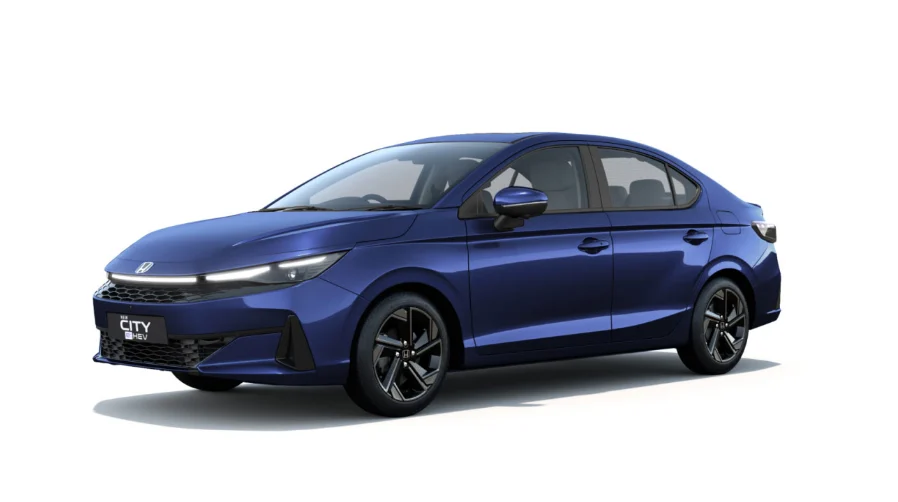
The automotive landscape in India has witnessed a significant update with the official launch of the Honda City Sedan Facelift, a vehicle that continues to serve as a cornerstone for Honda’s regional operations. As one of the most recognizable nameplates in the mid-size sedan segment, the refreshed Honda City arrives with a strategic focus on fuel efficiency, technological integration, and a refined aesthetic intended to maintain its competitive edge against a growing field of rivals. This latest iteration is not merely a cosmetic update; it represents Honda’s commitment to bridging the gap between traditional internal combustion engines and the future of electrified mobility through its advanced hybrid powertrain.
The introduction of the facelifted model comes at a crucial time for the Indian market, where consumer preferences are increasingly leaning toward vehicles that offer a balance of premium features and low running costs. By offering both a refined petrol engine and a high-efficiency strong hybrid system, Honda is positioning the City as a versatile choice for a wide demographic, ranging from urban professionals to long-distance commuters. The vehicle’s entry into the market is backed by a competitive pricing strategy, starting at 12 lakh rupees, which translates to approximately IDR 220 million or roughly USD 14,500, depending on currency fluctuations and local taxes.
Dual Powertrain Strategy: Balancing Performance and Sustainability
At the heart of the Honda City Facelift’s appeal is its diverse mechanical lineup. Honda has retained its legendary 1.5-liter i-VTEC four-cylinder petrol engine, a powerplant renowned for its reliability and smooth power delivery. This engine produces 119 horsepower (dk) and 145 Nm of peak torque. To cater to different driving preferences, Honda offers this engine with two transmission options: a 6-speed manual gearbox for those who prefer tactile control, and a 7-speed Continuously Variable Transmission (CVT) for a more seamless and comfortable driving experience in congested urban environments.
However, the headline-grabbing feature of the facelift is the e:HEV variant, which utilizes Honda’s "strong hybrid" technology. Unlike mild hybrids that only provide a small boost during acceleration, the City e:HEV is a full hybrid system featuring a 1.5-liter Atkinson-cycle petrol engine paired with a dual-motor electric setup and an e-CVT. This system is designed to prioritize electric-only driving at low speeds, switching seamlessly between EV, Hybrid, and Engine drive modes to optimize efficiency.
The results of this engineering are evidenced in the vehicle’s fuel consumption figures. The e:HEV variant boasts a staggering fuel efficiency rating of 27.2 kilometers per liter. With a fuel tank capacity of 40 liters, the Honda City Hybrid can theoretically cover a distance of approximately 1,088 kilometers on a single full tank. To put this into perspective, this range is equivalent to a road trip from Jakarta to Bali via the Trans-Java toll road, or nearly the entire length of the North-South corridor in India. It is important to note, however, that real-world efficiency is subject to various external factors, including driving style, passenger load, tire pressure, and the quality of fuel used.
Aesthetic Refinements and Exterior Design
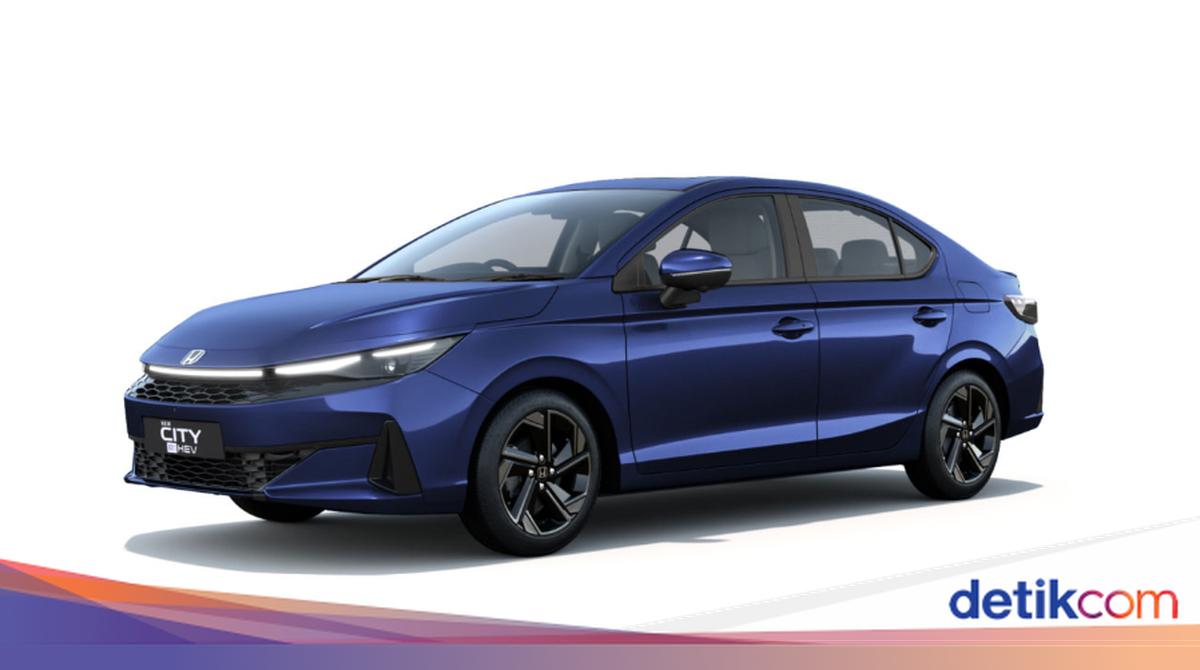
The exterior of the Honda City Facelift has undergone a series of targeted updates that enhance its "Supremacy" design philosophy. The most notable changes are concentrated at the front fascia. The vehicle now features a redesigned grille with a new honeycomb pattern for higher trims, giving it a more aggressive yet sophisticated presence. The LED headlamp clusters have been updated with a new signature look and are now visually connected by a prominent chrome bar, a design element that has become a hallmark of modern Honda sedans.
Moving to the side profile, the City Facelift maintains its sleek, aerodynamic silhouette, but it is now complemented by new 16-inch dual-tone alloy wheels that add a touch of modern flair. The rear of the vehicle has also been refreshed with a newly designed bumper and updated LED tail lamps that offer a more distinct light signature at night. These changes, while subtle, collectively contribute to a more premium and athletic stance, ensuring the City remains one of the most attractive sedans in its class.
Interior Innovation and Connectivity
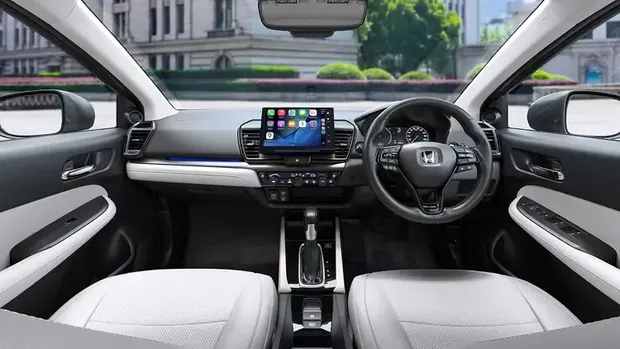
Inside the cabin, the Honda City Facelift continues to emphasize the "Man Maximum, Machine Minimum" philosophy, which aims to maximize the space available for passengers while minimizing the space required for mechanical components. The interior layout remains ergonomic and driver-focused, but the technology stack has received a significant overhaul.
Central to the dashboard is a new 10.1-inch high-resolution touchscreen infotainment system. This unit is a major upgrade over the previous model, offering sharper graphics and a more intuitive interface. Critically, it now supports wireless Apple CarPlay and Android Auto, allowing drivers to sync their smartphones without the clutter of cables. This is complemented by a premium 8-speaker audio system that provides an immersive acoustic experience for all occupants.
Further enhancing the premium feel of the interior are several luxury-oriented features. These include a fully digital instrument cluster for the driver, a wireless smartphone charging pad, and an electric sunroof that adds an airy feel to the cabin. For rear-seat passengers, Honda has included a dedicated sunshade, enhancing comfort during long journeys in hot climates. The use of high-quality materials and soft-touch plastics throughout the cabin reinforces the City’s position as a premium offering in the mid-size segment.
Advanced Safety and the Honda Sensing Suite
Safety has become a primary concern for car buyers in the region, and Honda has responded by equipping the City Facelift with a comprehensive array of safety features. The vehicle comes standard with six airbags, providing protection for both front and rear occupants. Other essential safety systems include a 360-degree camera system for easier parking, Hill Start Assist (HSA), rain-sensing wipers, and the innovative Honda LaneWatch camera, which displays a feed of the blind spot on the infotainment screen when the turn signal is activated.
The most significant safety upgrade, however, is the inclusion of the Honda Sensing suite, which provides Level 2 Advanced Driver Assistance Systems (ADAS). This technology uses a high-performance front camera with a wide-angle view to monitor the road ahead and intervene when necessary. Key features of the Honda Sensing suite include:
- Collision Mitigation Braking System (CMBS): Automatically applies the brakes if a potential collision with a vehicle or pedestrian is detected.
- Adaptive Cruise Control (ACC): Maintains a set speed and following distance from the vehicle ahead, even in stop-and-go traffic.
- Lane Keeping Assist System (LKAS): Provides steering input to help keep the vehicle centered in its lane.
- Road Departure Mitigation System (RDM): Alerts the driver and provides steering assistance if the vehicle begins to drift off the road.
- Auto High-Beam: Automatically switches between high and low beams based on surrounding traffic conditions.
By making these advanced technologies available in a mass-market sedan, Honda is setting a new benchmark for safety in the Indian automotive market.
Market Context and Competitive Landscape
The launch of the Honda City Facelift is a strategic move to defend Honda’s territory in a segment that has seen a resurgence of interest. While SUVs currently dominate the global and Indian markets, the mid-size sedan segment remains a vital area for manufacturers. The City faces stiff competition from rivals such as the Hyundai Verna, the Volkswagen Virtus, and the Skoda Slavia.
Each of these competitors brings different strengths to the table. The Hyundai Verna is known for its futuristic design and extensive feature list, while the Volkswagen and Skoda offerings appeal to enthusiasts with their turbocharged engines and European driving dynamics. Honda’s strategy with the City is to offer the most balanced package: a reputation for bulletproof reliability, class-leading fuel efficiency through the e:HEV system, and a comprehensive safety suite.
The shift toward hybrid technology is particularly relevant in India, where the government has implemented stricter emission norms, such as the Real Driving Emissions (RDE) standards. As diesel engines become increasingly expensive to produce and maintain under these new regulations, hybrid powertrains like Honda’s e:HEV offer a viable alternative for consumers seeking high mileage without the range anxiety associated with pure electric vehicles.
Chronology and Development of the Fifth-Generation City
The current fifth-generation Honda City was first introduced to the world in late 2019, making its global debut in Thailand before arriving in India in 2020. Since its launch, it has been a consistent bestseller for Honda, praised for its interior space and refined driving experience.
In 2022, Honda introduced the e:HEV hybrid variant to the Indian market, marking the first time a mainstream mid-size sedan offered a strong hybrid powertrain in the country. This move was seen as a litmus test for consumer appetite for electrified vehicles. The positive reception of the hybrid model paved the way for this 2024 facelift, which integrates the hybrid technology more deeply into the lineup and updates the overall package to meet modern expectations.
Variant Breakdown and Pricing
To cater to a wide range of budgets, Honda is offering the City Facelift in four distinct trim levels: SV, V, ZX, and ZX+.
- SV Variant: Serves as the entry-level model, focusing on value while still providing essential features and the 1.5L i-VTEC engine.
- V Variant: Adds more comfort and convenience features, such as the touchscreen infotainment system and alloy wheels.
- ZX Variant: Represents the high-end luxury trim, featuring leather upholstery, the sunroof, and the full suite of Honda Sensing ADAS features.
- ZX+ Variant: The flagship trim, typically reserved for the e:HEV hybrid model, encompassing all available technological and safety features.
The pricing structure, starting at 12 lakh rupees, makes the Honda City an attractive proposition for those looking to upgrade from sub-compact sedans or hatchbacks. It offers a "big car" feel and premium features at a price point that remains accessible to the middle-class consumer.
Broader Implications and Future Outlook
The release of the Honda City Facelift signifies a broader trend in the automotive industry: the democratization of high-end technology. Features that were once reserved for luxury brands, such as ADAS and advanced hybrid systems, are now becoming standard expectations in the mass market.
For Honda, the success of the City Facelift is vital for its long-term sustainability in emerging markets. As the company transitions toward its global goal of carbon neutrality, the e:HEV technology serves as a critical bridge. It allows the brand to reduce its fleet emissions immediately while the infrastructure for battery electric vehicles (BEVs) continues to develop.
Furthermore, the City Facelift demonstrates that the sedan is far from dead. By focusing on efficiency, elegance, and advanced safety, Honda is proving that there is still a significant market for low-slung, aerodynamic vehicles that offer a different kind of prestige and driving pleasure compared to high-riding SUVs. As the automotive world continues to evolve, the Honda City remains a resilient and adaptable icon, continuing its legacy of innovation and reliability for a new generation of drivers.