Azin Asro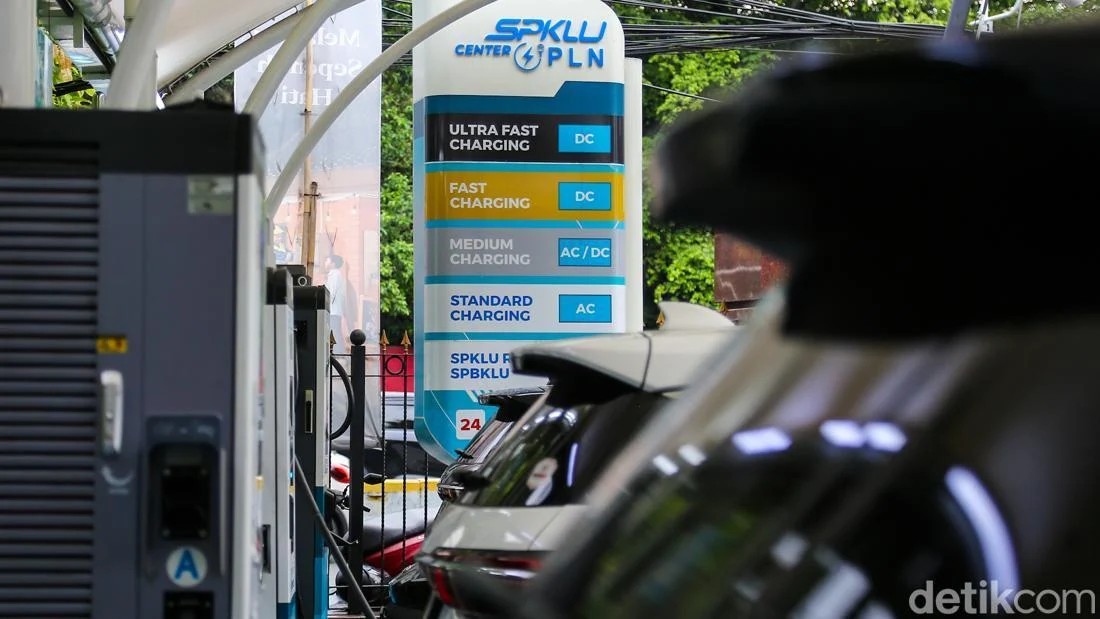
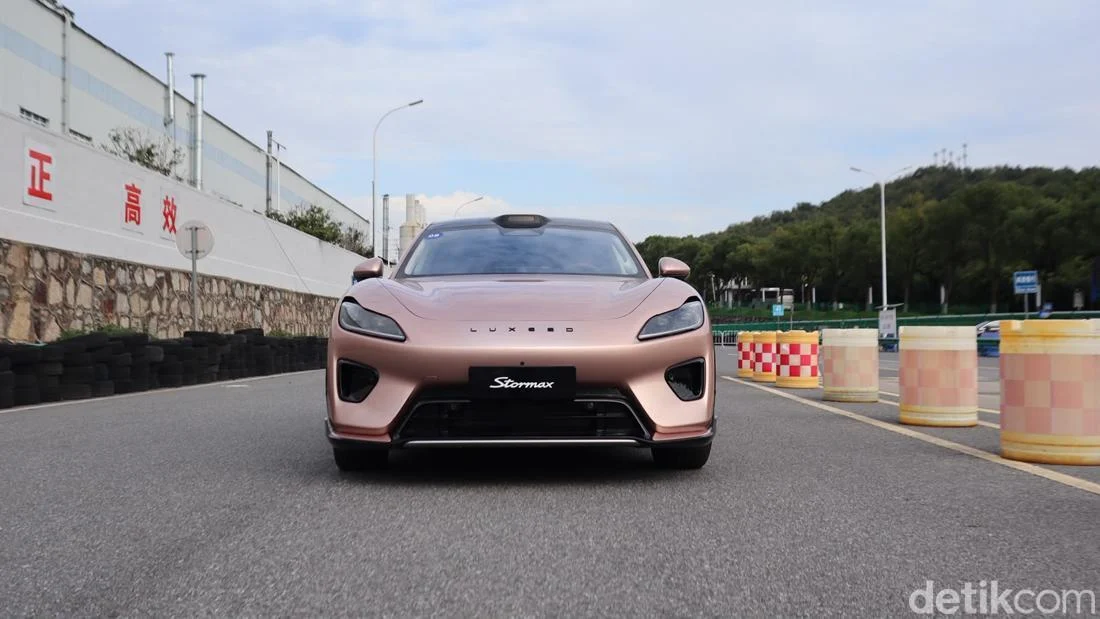
The Indonesian government has officially announced a one-month postponement for the implementation of the highly anticipated electric vehicle (EV) incentive package, shifting the effective date from June 2026 to July 2026. Minister of Finance Purbaya Yudhi Sadewa confirmed the delay on Tuesday, May 26, citing the need for more rigorous fiscal assessments and finalization of the complex mathematical models used to determine the distribution of the subsidies. This strategic adjustment aims to ensure that the stimulus package effectively targets the intended sectors while maintaining the integrity of the national budget.
The postponement comes at a critical juncture as Indonesia seeks to accelerate its transition toward a green economy and solidify its position as a regional hub for EV manufacturing. According to the Ministry, the delay is not a sign of waning commitment but rather a necessary step to fine-tune the mechanics of the policy. "The EV incentive is still being postponed for one more month," Purbaya stated to members of the press. He further explained that the decision was driven by the necessity of concluding specific budgetary calculations that remain in progress. "There are calculations that still need to be finalized," he added, emphasizing the government’s cautious approach to large-scale fiscal stimulus.
Strategic Framework of the 2026 Incentive Package
The incentive program, which was initially unveiled in early May, is designed to be one of the most comprehensive stimulus packages in the nation’s history regarding the automotive sector. The government has earmarked a quota for 200,000 units of electric vehicles to receive financial support. This quota is divided equally between the four-wheel and two-wheel sectors, with 100,000 units allocated for electric cars and another 100,000 units for electric motorcycles.
A unique feature of this policy is its scalability. Minister Purbaya has previously indicated that the 200,000-unit cap is not a rigid ceiling. Should the initial quota be exhausted due to high market demand, the government has left the door open for an expansion of the program. This flexibility is intended to provide certainty to both manufacturers and consumers, signaling that the government is prepared to back the industry’s growth for the long term.
The primary objective of this stimulus is twofold: to provide short-term economic reinforcement during the third and fourth quarters of the fiscal year and to achieve long-term environmental and energy security goals. By boosting EV consumption, the government expects to see a significant reduction in the national reliance on imported fossil fuels, which currently places a heavy burden on the state budget through fuel subsidies.
Detailed Breakdown of Fiscal Incentives
The 2026 incentive structure is divided into two main categories: Value Added Tax (VAT) discounts for cars and direct subsidies for motorcycles.
1. The VAT Borne by Government (PPN DTP) for Electric Cars
For electric cars, the government is utilizing the PPN DTP (Pajak Pertambahan Nilai Ditanggung Pemerintah) mechanism. This allows for a tax discount ranging from 40 percent to 100 percent. The specific percentage of the discount is not arbitrary; it is tied directly to the "local content" or the percentage of nickel used in the vehicle’s battery.
This policy is a direct reflection of Indonesia’s "downstreaming" (hilirisasi) strategy. By tying tax incentives to nickel content, the government is incentivizing manufacturers to utilize Indonesia’s vast nickel reserves and domestic battery production facilities. Vehicles that utilize a higher percentage of locally processed nickel will qualify for the full 100 percent VAT discount, significantly lowering the consumer purchase price and making EVs more competitive with traditional internal combustion engine (ICE) vehicles.
2. Direct Subsidies for Electric Motorcycles
For the two-wheel segment, the government has opted for a more direct approach. A subsidy of Rp 5 million will be provided for the purchase of a new electric motorcycle. This flat-rate subsidy is designed to lower the barrier to entry for middle-to-lower-income consumers, for whom the initial cost of an electric motorcycle remains a primary obstacle compared to cheaper petrol-powered alternatives.
Chronology of the Policy Development
The path to the July 2026 implementation date has seen several shifts in timeline and scope:
- Early May 2026: Minister Purbaya Yudhi Sadewa announces the initial framework for the EV incentive, targeting 200,000 units with a start date of June 2026. The announcement is met with optimism from the automotive industry, which has been calling for clearer long-term fiscal signals.
- Mid-May 2026: Technical meetings between the Ministry of Finance, the Ministry of Industry, and the Coordinating Ministry for Maritime Affairs and Investment take place to synchronize the "nickel-to-incentive" ratio.
- May 26, 2026: The Ministry of Finance officially announces the one-month delay. The reason cited is the complexity of the final fiscal calculations and the need to ensure the state budget can accommodate the potential expansion of the quota if demand exceeds the 200,000-unit limit.
- Projected July 2026: The revised launch date for the incentives. This timing is strategically aligned with the beginning of the third quarter, aimed at driving consumer spending through the end of the year.
Economic Rationale and Domestic Impact
The Indonesian government views the EV transition as a vital component of its broader economic strategy. The shift to electric mobility is expected to alleviate the pressure on the Indonesian Rupiah by reducing the need for oil imports. Furthermore, it serves as a catalyst for the domestic manufacturing sector.
Data from the Ministry of Finance suggests that the automotive sector is a major contributor to the national GDP. By stimulating this sector through green technology, the government aims to hit a "double bottom line" of economic growth and carbon reduction. The stimulus is expected to encourage global manufacturers—such as Hyundai, Wuling, and emerging players from China and Vietnam—to increase their investments in Indonesian assembly plants.
Moreover, the emphasis on nickel content is a cornerstone of Indonesia’s ambition to become a global leader in the EV battery supply chain. With the largest nickel reserves in the world, Indonesia is leveraging these incentives to force a shift from exporting raw ore to exporting high-value finished products, such as battery cells and complete EV units.
Industry and Stakeholder Reactions
While the one-month delay has caused a slight pause in consumer anticipation, industry stakeholders have generally expressed understanding. Most analysts agree that a well-calculated policy is preferable to a rushed one that might face administrative hurdles later.
"A one-month delay is a minor trade-off for a policy that offers such significant tax relief," said an industry analyst from a Jakarta-based brokerage. "The market is more concerned with the clarity of the nickel-content requirements. If the government uses this extra month to provide a clear, transparent rubric for how the 40% to 100% VAT discount is calculated, it will actually benefit the manufacturers in the long run."
Consumer advocacy groups have also weighed in, noting that while the Rp 5 million subsidy for motorcycles is a positive step, the success of the July rollout will depend heavily on the availability of charging infrastructure. To address this, the government has been concurrently working with the state-owned electricity company, PLN, to expand the network of Public Electric Vehicle Charging Stations (SPKLU) across major urban centers in Java and Bali.
Analysis of Broader Implications
The postponement to July 2026 suggests that the government is taking a highly disciplined approach to fiscal management. By launching in the third quarter, the administration can more effectively monitor the impact of the stimulus on the year-end economic performance.
Furthermore, this policy serves as a signal to the international community regarding Indonesia’s commitment to its Net Zero Emission (NZE) targets by 2060. The integration of the nickel industry into the EV incentive framework demonstrates a sophisticated use of industrial policy to drive environmental goals. It ensures that the "green" transition is not just about consumption, but also about domestic industrialization.
However, challenges remain. The success of the July implementation will depend on:
- Administrative Ease: The process for consumers to claim the Rp 5 million subsidy or the VAT discount must be seamless to avoid the bottlenecks seen in previous, smaller-scale pilot programs.
- Price Transparency: Ensuring that dealerships do not raise base prices to offset the government’s contribution.
- Infrastructure Synchronicity: Ensuring that the increase in EV units on the road is matched by a stable and accessible charging grid.
Conclusion
As the Indonesian government enters the final stages of calculation for the 2026 EV incentive program, the one-month delay to July is being framed as a period of "calibration." With a target of 200,000 units and a flexible quota system, the policy represents a significant leap forward in Indonesia’s automotive and environmental landscape. By linking fiscal rewards to domestic nickel utilization, the government is not only promoting cleaner air but also securing a place for Indonesia in the future of the global energy supply chain. The coming weeks will be crucial as the Ministry of Finance finalizes the numbers that will drive the nation’s electric revolution starting in the third quarter of 2026.