Azin Asro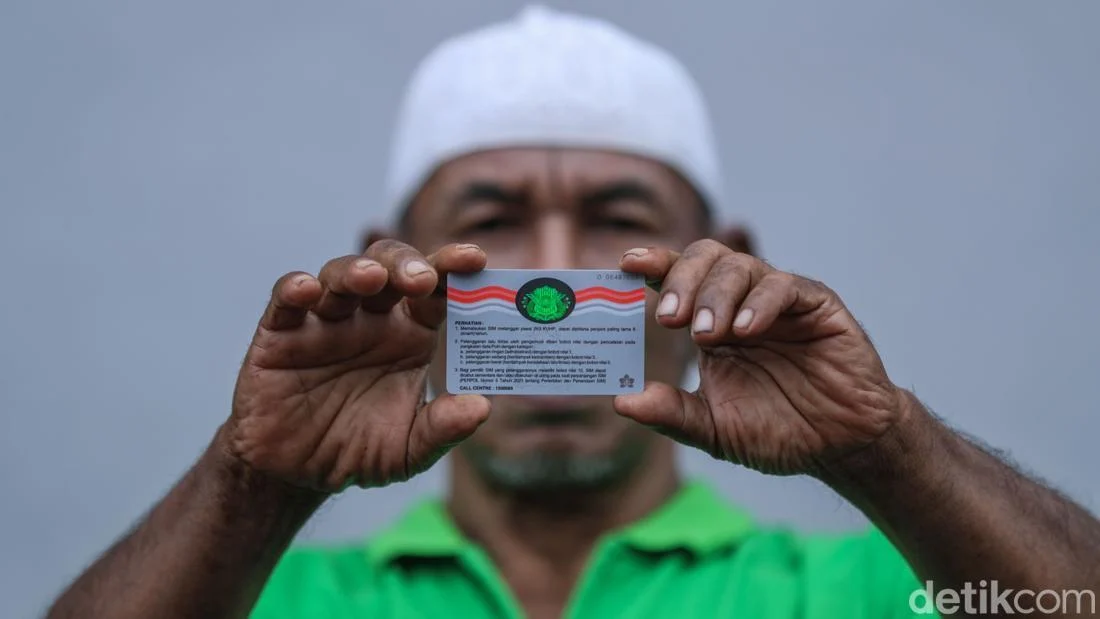
The Indonesian National Police Traffic Corps, known as Korlantas Polri, has officially announced a transformative shift in the nation’s traffic management and identification system with the introduction of the Digital Driver’s License (SIM Digital). This breakthrough initiative marks a significant departure from traditional physical documentation, allowing motorists to present their driving credentials directly through a smartphone application. By integrating high-level encryption and dynamic verification methods, the digital system aims to streamline roadside inspections, reduce administrative overhead, and provide a more secure method of identity verification for millions of Indonesian citizens. Unlike previous attempts by motorists to use simple photographs of their licenses—which law enforcement has consistently deemed invalid—this new digital format is a sophisticated, legally recognized platform that utilizes a dynamic barcode system to ensure authenticity and prevent fraudulent activity.
The Evolution of Traffic Law Enforcement in the Digital Age
The transition toward a digitalized driver’s license system is part of a broader mandate by the Indonesian government to implement the "Satu Data Indonesia" (One Data Indonesia) policy. This policy seeks to centralize citizen information to improve public service delivery and administrative efficiency. Brigjen Pol. Wibowo, the Director of Registration and Identification (Dirregident) at Korlantas Polri, emphasized that this innovation is designed to keep pace with the rapid digitalization of society. Through the official Digital Korlantas Polri application, the public can now store and display their driving credentials in a format that is both accessible and highly secure. The application does not merely show a static image; it provides a comprehensive data set including the owner’s identity, license number, and expiration date, all of which are linked to a backend server managed by the National Police.
One of the most critical features of the SIM Digital is the use of a dynamic QR code. To combat the persistent issue of document forgery, the QR code generated within the app is programmed to refresh every 10 seconds. This ensures that the data being presented to an officer is live and has not been duplicated or tampered with. Furthermore, the application includes strict security protocols that prevent users from taking screenshots of the digital license or transferring the credentials to another device. These measures are bolstered by security certifications from the National Cyber and Crypto Agency (BSSN), ensuring that the personal data of Indonesian citizens remains protected against unauthorized access and cyber threats.
Technical Specifications and Security Framework
The security architecture of the SIM Digital is built upon three primary pillars: encryption, dynamic verification, and biometric synchronization. When a motorist is stopped for a routine inspection or a traffic violation, they are required to open the Digital Korlantas Polri app and present the dynamic barcode. Police officers in the field are equipped with specialized scanning devices that interface directly with the Korlantas database. Within seconds of scanning the code, the officer can verify the validity of the license, check for outstanding traffic fines, and confirm the driver’s identity. This real-time verification process significantly reduces the time required for roadside checks, which in turn helps to alleviate traffic congestion caused by lengthy manual inspections.
Furthermore, the integration with BSSN ensures that the digital infrastructure adheres to international standards of data protection. As digital identity theft becomes an increasing concern globally, the Indonesian National Police have prioritized the creation of a "closed-loop" system. This means that the data resides on secure government servers and is only accessible through the authenticated app. The prohibition of screenshots is a deliberate design choice to ensure that only the legitimate owner of the license can present it. If a phone is lost or stolen, the digital license can be remotely deactivated or locked behind the user’s biometric login (such as fingerprint or facial recognition), providing a layer of security that a physical plastic card simply cannot offer.
Legal Foundation and Regulatory Alignment
The implementation of the SIM Digital is not merely a technological upgrade but is firmly rooted in the existing legal framework of the Republic of Indonesia. According to official statements from the National Police Public Relations Division, the digital license holds the same legal weight as the physical card under Article 85, Paragraph (1) of Law Number 22 of 2009 concerning Traffic and Road Transportation. This legal parity ensures that motorists who opt for the digital version are fully compliant with the law and cannot be penalized for not carrying a physical card, provided they can produce the verified digital version through the official app.
However, the transition is being managed with a high degree of pragmatism. Brigjen Pol. Wibowo has noted that while the digital system is ready for use, the physical card will not be phased out immediately. Currently, the initiative is in an early adoption phase where infrastructure and regulatory readiness are being synchronized across all 38 provinces. In regions where internet connectivity may be intermittent or where local police units have not yet received the full suite of scanning hardware, the physical card remains a necessary backup. This dual-system approach is intended to prevent any legal or logistical disruptions for motorists traveling between urban centers and more remote areas of the archipelago.
Supporting Data and Socio-Economic Context
The move toward digital documentation is supported by compelling data regarding Indonesia’s digital landscape. As of 2024, Indonesia boasts over 210 million internet users, with a smartphone penetration rate exceeding 80% in most urban areas. With millions of vehicles registered annually, the logistical burden of printing, distributing, and managing physical PVC cards is immense. Each year, Korlantas Polri manages the issuance and renewal of millions of licenses. By shifting even a fraction of this volume to a digital format, the government stands to save significant amounts in material costs and logistics.
Moreover, the environmental impact of reducing plastic card production aligns with Indonesia’s broader sustainability goals. Traditional driver’s licenses are made of PVC, a material that is difficult to recycle. A digital-first approach significantly reduces the carbon footprint associated with the manufacturing and shipping of these cards. From a public service perspective, the digital system also addresses the perennial issue of "blank card shortages" that have occasionally plagued local traffic offices (Satpas), causing delays in license issuance for citizens. With SIM Digital, the "card" is issued instantly upon the approval of the driver’s application or renewal.
Chronology of Development and Future Roadmap
The journey toward the SIM Digital began several years ago with the launch of the SINAR (SIM Nasional Presisi) service, which allowed for the online renewal of driver’s licenses. The SINAR initiative was the first step in habituating the public to interacting with traffic police through a digital interface. Following the success of SINAR, Korlantas Polri began developing a more robust mobile environment that could serve as a digital wallet for all traffic-related documents, including the STNK (Vehicle Registration Certificate).
The timeline for the full rollout of SIM Digital is expected to span the next 12 to 24 months. During the current phase, the police are focusing on "Socialization and Infrastructure Readiness." This involves training thousands of field officers on how to use the new scanning technology and ensuring that the backend servers can handle the massive influx of real-time data requests. The next phase will likely involve the integration of the digital license with other smart city initiatives, such as electronic toll collection and automated parking systems, where the SIM Digital could serve as a universal identifier for motorists.
Broader Implications for Law Enforcement and Governance
The implications of this shift extend far beyond the convenience of not carrying a wallet. For law enforcement, the digital system provides a powerful tool for data-driven policing. Because the verification happens in real-time against a central database, it becomes nearly impossible for individuals with suspended or revoked licenses to use forged documents to stay on the road. This is expected to have a direct positive impact on road safety, as high-risk drivers can be more effectively identified and removed from the driving population.
Furthermore, the digital system minimizes the opportunity for "unauthorized negotiations" between officers and motorists. With every scan logged in the system, there is a transparent digital trail of the interaction. This transparency is a key component of the National Police’s ongoing efforts to improve their institutional integrity and build public trust. For the citizen, the app also serves as a reminder system, sending notifications when a license is nearing its expiration date, thereby reducing the number of people inadvertently driving with expired credentials.
Public Response and Addressing Challenges
Early reactions from the public have been largely positive, particularly among the younger, tech-savvy demographic who value the convenience of mobile-first services. However, experts have pointed out several challenges that Korlantas Polri must address to ensure universal success. The primary concern is the "digital divide"—the gap between those who have access to high-end smartphones and reliable data plans and those who do not. To mitigate this, the police have reiterated that the physical card will remain available for the foreseeable future, ensuring that no citizen is disenfranchised by the technological shift.
Another challenge is the reliance on battery life and device functionality. If a motorist’s phone dies or the screen is cracked to the point of being unreadable, they may find themselves unable to present their credentials during an inspection. In such cases, the current guidance remains to carry the physical card as a fail-safe. "On the initial stage, we still advise the public to carry their physical SIM as a backup, while waiting for the complete readiness of the system across all regions," Brigjen Pol. Wibowo stated. This cautious approach acknowledges the practical realities of mobile technology while still pushing the boundaries of what is possible in digital governance.
Conclusion: A Vision for a Seamless Future
The introduction of the SIM Digital by Korlantas Polri represents a landmark moment in Indonesia’s journey toward becoming a digitally mature nation. By leveraging dynamic encryption and real-time data verification, the National Police are not just replacing a piece of plastic; they are reimagining the relationship between the state and the citizen in the context of mobility. As the system matures and the necessary infrastructure is solidified across the country, the digital driver’s license will likely become the standard, paving the way for a more efficient, secure, and transparent era of traffic management. The move signals to the world that Indonesia is committed to innovation, law enforcement modernization, and the proactive protection of its citizens’ digital identities. For the millions of drivers across the archipelago, the future of the road is now conveniently located in the palm of their hands.