Azin Asro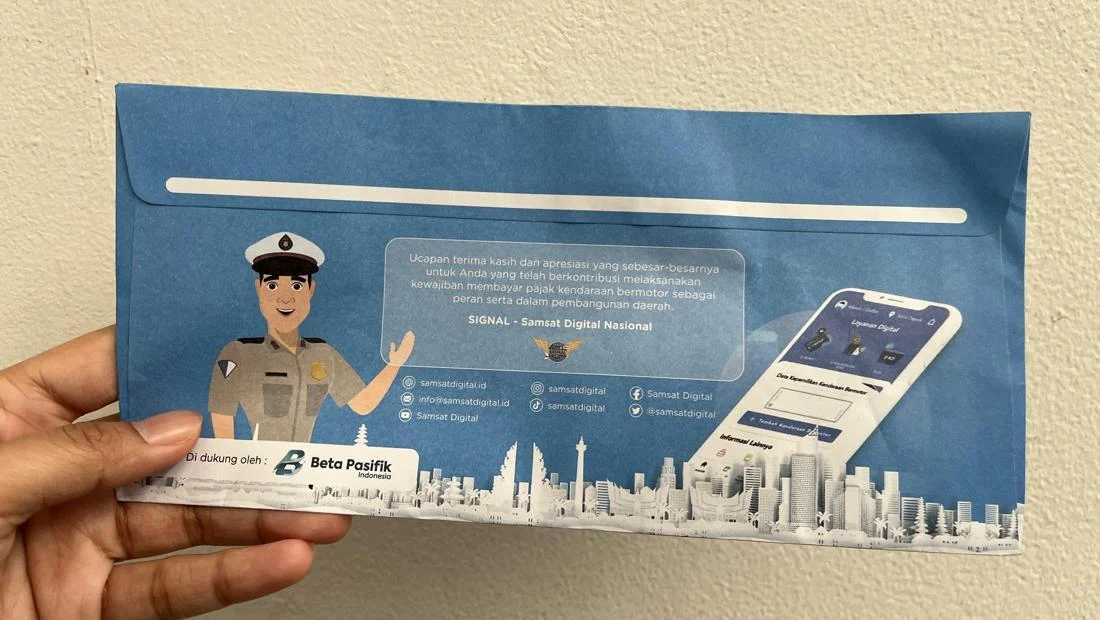
The Indonesian government has significantly modernized its administrative services through the introduction of the Samsat Digital Nasional, commonly referred to as the Signal application. This platform represents a paradigm shift in how Indonesian motorists interact with the Traffic Corps of the Indonesian National Police (Korlantas Polri) and the regional Samsat offices. By transitioning from a traditional, queue-based physical system to a streamlined digital interface, the Signal app allows vehicle owners to renew their annual vehicle registration (Surat Tanda Nomor Kendaraan or STNK) and pay their Motor Vehicle Tax (Pajak Kendaraan Bermotor or PKB) from the comfort of their homes. This digital leap not only addresses the long-standing issue of bureaucratic inefficiency but also minimizes the presence of unauthorized intermediaries, commonly known as "calo," thereby promoting a more transparent and accountable taxation ecosystem.
The Background of National Digital Samsat (Signal)
For decades, the process of paying vehicle taxes in Indonesia was synonymous with long queues, complex paperwork, and significant time consumption. Motorists often had to take a day off work to visit a Samsat (Sistem Administrasi Manunggal Satu Atap) office, where they would navigate multiple counters—from document verification to payment and finally to the collection of the printed tax evidence (Tanda Bukti Pelunasan Kewajiban Pembayaran or TBPKP).
Recognizing the need for a more efficient system, Korlantas Polri launched the Signal application as an evolution of its predecessor, Samolnas. Signal is designed to integrate the databases of various provincial revenue agencies (Bapenda), the Indonesian National Police, and PT Jasa Raharja (the state-owned insurance company). This integration allows for real-time verification of vehicle data and tax obligations across most Indonesian provinces. The primary goal is to provide a "one-stop" digital solution that eliminates the need for physical presence, aligning with Indonesia’s broader "Making Indonesia 4.0" initiative which emphasizes the digitalization of public services.
A Chronological Overview of the Digital Payment Process
To understand the practical application of this technology, it is essential to trace the steps required for a successful transaction within the Signal ecosystem. The process is designed to be intuitive but requires strict adherence to verification protocols to ensure security.
- Registration and Biometric Verification: Users must first download the app and register using their National Identity Number (NIK) found on their E-KTP. A crucial step in this phase is the biometric facial recognition, which ensures that the person registering is the legitimate owner of the identity document.
- Vehicle Registration (NRKB): Once the account is verified, the user must link their vehicle(s) to the app. This involves entering the Vehicle Registration Number (Nomor Registrasi Kendaraan Bermotor) and the last five digits of the chassis number.
- Generating the Assessment: After selecting the vehicle for tax payment, the system automatically calculates the total amount due, including the PKB, the Mandatory Road Accident Relief Fund contribution (SWDKLLJ), and any administrative fees or penalties for late payment.
- Payment Processing: The app generates a unique billing code. Users are then provided with a wide array of payment gateways. This includes state-owned banks (Himbara) like Mandiri, BNI, BRI, and BTN, as well as private banks like BCA and Permata. Furthermore, modern digital wallets such as GoPay, ShopeePay, and LinkAja have been integrated to cater to the younger, tech-savvy demographic.
- Document Delivery Selection: After the payment is verified, the user is presented with the option to have the physical TBPKP (tax payment proof) and the STNK validation sticker sent to their registered address via a courier service.
Detailed Breakdown of Costs and Service Fees
One of the most common misconceptions among users is that the total amount paid via the Signal app will be identical to the PKB figure printed on the previous year’s STNK. In reality, the digital convenience comes with specific administrative and logistical costs. Transparency regarding these fees is vital for managing public expectations.
Beyond the core tax (PKB) and the mandatory insurance (SWDKLLJ), the following additional components are integrated into the final transaction:
1. Application Service Fee
Every transaction processed through the Signal platform incurs a flat service fee of Rp 10,000. This fee is utilized for the maintenance of the digital infrastructure, server management, and the continuous improvement of the app’s security features.
2. Courier and Delivery Fees
Since the physical TBPKP document needs to be delivered to the taxpayer’s doorstep, the system utilizes PT Pos Indonesia as the exclusive logistics partner. Users have two primary delivery tiers to choose from:
- SKH (Dokumen Kilat Khusus Signal): Priced at approximately Rp 22,500. This service is designed for standard priority delivery, suitable for those who are not in an immediate rush.
- Express (Dokumen Express Signal): Priced at approximately Rp 29,500. This service prioritizes the document, often resulting in next-day delivery for urban areas.
3. Payment Channel Fees
Depending on the chosen bank or digital wallet, a small transaction fee (ranging from Rp 2,500 to Rp 5,000) may be applied by the financial service provider.
Case Study: Comparative Delivery Timelines
Real-world usage data highlights the efficiency of these delivery tiers. In a documented test, a payment made via the SKH service on May 22, 2024, resulted in the document arriving at the recipient’s address on May 25, 2024. This three-day window is well within the standard 1-3 business day promise made by Samsat Digital.
Conversely, the Express service demonstrates remarkable speed. A transaction initiated on April 7, 2024, at 3:20 PM WIB resulted in the physical document being delivered by 2:00 PM WIB the following day, April 8. This 24-hour turnaround time rivals traditional courier services and significantly outperforms the time a citizen would spend navigating a physical Samsat office during peak hours.
Logistics and Document Retrieval Alternatives
While the delivery service is the cornerstone of the Signal app’s convenience, the platform also accommodates those who prefer manual collection. There are two primary methods for obtaining the physical tax evidence if the delivery option is not selected:
- Personal Collection: The vehicle owner can visit the designated Samsat office listed in the application to pick up the printed TBPKP. They must present their original KTP and the digital payment proof found within the app.
- Representative Collection: If the owner is unable to attend in person, a third party may collect the document. However, this requires a formal Power of Attorney (Surat Kuasa) signed by the owner, along with copies of the owner’s and the representative’s identification.
It is important to note that even without the physical sticker immediately in hand, the Signal app provides an "E-TBPKP" and a digital "STNK Validation" (Pengesahan STNK) within the app. These digital versions are legally valid and can be presented to traffic officers during inspections as proof of payment, provided the digital signature and QR code are verifiable.
Stakeholder Perspectives and Institutional Reactions
The implementation of the Signal app has garnered significant attention from various sectors of Indonesian society. From a law enforcement perspective, Korlantas Polri officials have emphasized that digitalization is a key strategy for "cleansing" the bureaucracy. By removing the need for face-to-face interaction between taxpayers and officers, the opportunities for "pungli" (illegal levies) are virtually eliminated.
Economic analysts point out that the Signal app contributes to the national "cashless society" goal. By integrating with major banks and e-wallets, the government is successfully capturing tax revenue in a more structured and traceable manner. Furthermore, the partnership with PT Pos Indonesia provides a steady stream of specialized logistics volume for the state-owned postal service, reinforcing the synergy between different government-linked entities.
Public reaction has been largely positive, particularly among urban professionals who find it difficult to visit government offices during business hours. However, some feedback from rural areas suggests a need for improved digital literacy and better internet infrastructure to ensure that the benefits of the Signal app are truly national in scope.
Broader Implications and Future Outlook
The success of the Signal application serves as a blueprint for other government services in Indonesia. It demonstrates that with the right technological investment and inter-agency cooperation, even the most cumbersome bureaucratic processes can be modernized.
Impact on State Revenue
By making it easier to pay taxes, the government expects to see a decrease in "tax recalcitrance"—the phenomenon where vehicle owners delay payment simply because the process is too difficult. Increased compliance directly translates to higher regional revenue, which is then utilized for infrastructure development and public transport improvements.
Security and Data Privacy
As the app handles sensitive personal data (NIK, vehicle chassis numbers, and facial biometrics), the implications for data security are profound. The Indonesian National Police have integrated advanced encryption and secure server protocols to protect against data breaches, a move that is critical for maintaining public trust in digital governance.
The Path Toward e-STNK
Looking forward, there is ongoing discussion about the total elimination of physical STNK documents in favor of a fully digital "e-STNK." While the Signal app currently acts as a bridge by delivering physical documents, the ultimate goal of the digital transformation is a paperless system where all vehicle credentials reside on a secure, blockchain-verified mobile platform.
In conclusion, the Signal application is more than just a convenience tool; it is a vital component of Indonesia’s modern administrative infrastructure. By understanding the cost structure—including the app service fees and the tiered delivery options provided by PT Pos Indonesia—citizens can better appreciate the value proposition of this digital service. The ability to complete a mandatory legal obligation in under five minutes via a smartphone, with the resulting documents delivered within 24 to 72 hours, represents a significant victory for public service innovation in the 21st century. As the system continues to evolve, it will likely set the standard for digital taxation across Southeast Asia.