Azin Asro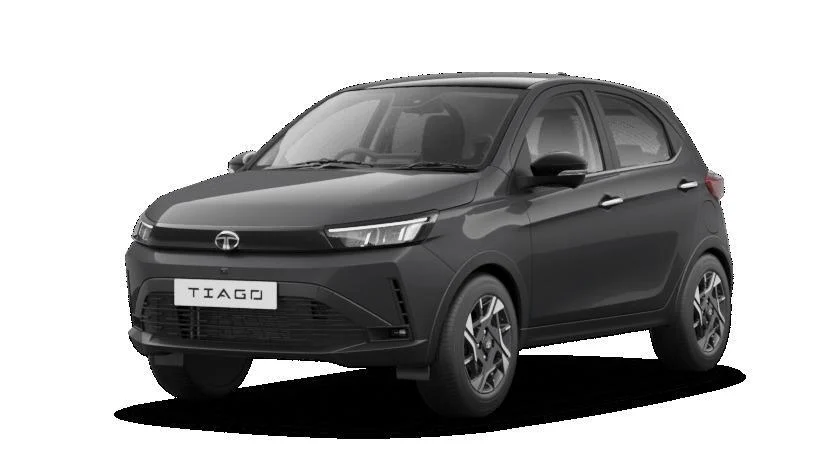
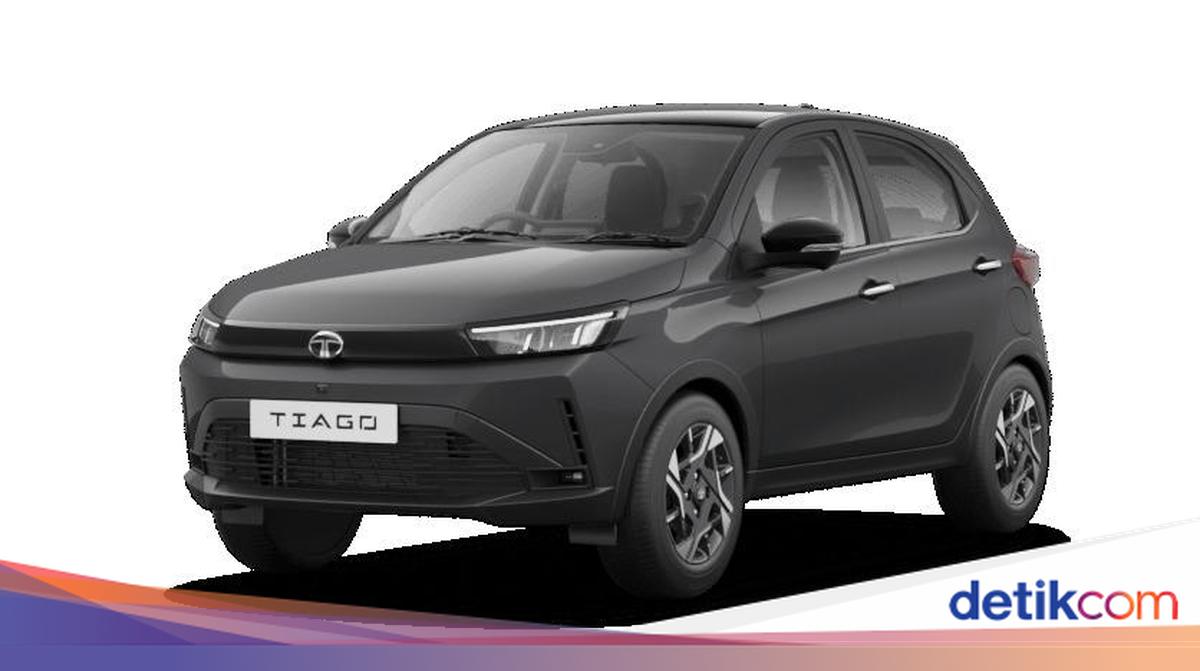
Tata Motors, the prominent Indian automotive manufacturer, has officially unveiled the 2026 iteration of the Tata Tiago, a compact city car designed to compete in the highly contested A-segment. Launched in India with a starting price point that translates to less than Rp 100 million (approximately 5.3 to 5.5 Lakh INR), the updated Tiago aims to redefine the value proposition for entry-level hatchbacks. This latest refresh brings a significant overhaul in terms of cabin technology, safety equipment, and powertrain versatility, positioning the vehicle as a formidable rival to established players like the Toyota Agya and Daihatsu Ayla in the broader Asian regional context.
The 2026 Tata Tiago serves as a critical pillar in Tata Motors’ strategy to maintain its market share in the internal combustion engine (ICE) and Compressed Natural Gas (CNG) segments, even as the industry pivots toward electrification. By integrating premium features typically reserved for higher-end segments into a budget-friendly platform, Tata Motors is addressing a growing demand for "premiumization" among first-time car buyers and urban commuters.
Dimensions and Exterior Design Philosophy
The 2026 Tata Tiago retains its characteristic compact footprint, making it an ideal choice for navigating the congested urban environments of major Indian cities. The vehicle measures 3,767 mm in length, 1,677 mm in width, and 1,535 mm in height, with a wheelbase of 2,400 mm. These dimensions place it in direct competition with the Indonesian-market Toyota Agya and Daihatsu Ayla, which feature similar lengths of approximately 3.7 meters and heights of 1.5 meters.
While the core silhouette remains familiar, the 2026 model introduces subtle aesthetic refinements to improve its aerodynamic profile and modern appeal. The front fascia has been updated with sharper lighting elements and a revised grille design that aligns with Tata’s "Impact 2.0" design language. The goal is to provide a mature, sophisticated look that belies its affordable price tag, moving away from the "basic" aesthetic often associated with entry-level economy cars.
Powertrain Diversity: The Synergy of Revotron and iCNG Technology
Under the hood, the 2026 Tata Tiago continues to utilize the proven 1.2-liter Revotron three-cylinder naturally aspirated petrol engine. This powerplant is engineered to balance fuel efficiency with sufficient performance for city driving. In its standard gasoline configuration, the engine produces a maximum output of 86 PS and a peak torque of 113 Nm. These figures are comparable to the 1.2-liter engines found in the Agya and Ayla, providing a responsive driving experience for a vehicle of its weight class.
A key differentiator for the Tiago in the Indian market is the inclusion of the iCNG (intelligent Compressed Natural Gas) variant. The Tiago iCNG produces 75.5 PS and 96.5 Nm of torque. What sets Tata apart from its competitors is the integration of the industry-first Twin Cylinder technology, which places two smaller CNG tanks under the luggage floor, thereby preserving a significant portion of the trunk space—a common grievance in traditional CNG-converted vehicles.
Furthermore, Tata Motors has expanded its transmission offerings. The 2026 Tiago is available with a 5-speed manual transmission and an Automated Manual Transmission (AMT). Notably, Tata is one of the few manufacturers to offer a CNG variant paired with an AMT, providing the convenience of an automatic gearbox with the low running costs of natural gas. This combination is specifically targeted at urban users who face heavy traffic and seek an economical yet effortless driving experience.
Interior Overhaul and Technological Integration
The most substantial updates to the 2026 Tiago are found within the cabin. Tata Motors has completely redesigned the dashboard to emphasize a horizontal layout, which enhances the sense of width and space. The interior now features a more premium selection of materials, including soft-touch armrests in the higher trim levels, which is a rarity in the sub-Rp 100 million price bracket.
Central to the new dashboard is a 26.03 cm (10.25-inch) floating touchscreen infotainment system. This unit supports wireless Apple CarPlay and Android Auto, reflecting the increasing importance of smartphone integration for modern consumers. To complement this, the vehicle is equipped with a fully digital instrument cluster, providing the driver with clear, customizable data regarding vehicle health, fuel economy, and navigation.
Additional comfort and convenience features introduced in the 2026 model include:
- Wireless Charging: A dedicated pad for compatible smartphones.
- Connected Car Technology: Allowing owners to monitor vehicle location and status via a smartphone app.
- Automatic Climate Control: With a dedicated rear AC vent to ensure passenger comfort in tropical climates.
- Cooled Glovebox: Designed to keep beverages chilled during long commutes.
- Fast Charging: Inclusion of Type-C USB ports for rapid device charging.
- Passive Entry and Electric Folding Mirrors: Features typically found in B-segment vehicles, now available on the Tiago’s top-tier variants.
Setting a New Standard for Safety in the Hatchback Segment
Historically, entry-level hatchbacks in emerging markets have faced criticism regarding safety standards. Tata Motors has sought to change this narrative by making safety a core component of its brand identity. The 2026 Tiago comes standard with six airbags across all variants, a move that significantly raises the bar for the A-segment.
Beyond passive safety, the vehicle is equipped with a comprehensive suite of active safety technologies. These include:
- Electronic Stability Program (ESP): To maintain vehicle control during emergency maneuvers.
- Traction Control: Preventing wheel slip on loose or slippery surfaces.
- Hill Hold Assist: Preventing the car from rolling backward on inclines.
- Tyre Pressure Monitoring System (TPMS): Providing real-time alerts to the driver regarding tire health.
- 360-Degree Camera: A high-end feature that assists in parking and navigating tight spaces, providing a bird’s-eye view of the vehicle’s surroundings.
These additions are particularly noteworthy given the vehicle’s price point. By offering a 360-degree camera and six airbags, Tata is positioning the Tiago as one of the safest options for budget-conscious families.
Historical Context and Market Evolution
The Tata Tiago was first introduced in 2016 as a replacement for the aging Indica and Bolt models. At the time, it represented a radical shift for Tata Motors, focusing on design, build quality, and value. Over the past decade, the Tiago has been instrumental in rehabilitating Tata’s image from a manufacturer of commercial vehicles and basic taxis to a producer of desirable passenger cars.
The 2026 update represents the latest chapter in this evolution. Since its inception, the Tiago has undergone several facelifts and technical upgrades, including the introduction of an electric version (Tiago.ev) and the rugged Tiago NRG cross-hatch. The consistent updates have allowed the Tiago to remain competitive against newer rivals like the Maruti Suzuki Celerio and the Hyundai Grand i10 Nios.

The decision to launch this updated version in India first is a reflection of the country’s status as a global hub for small car manufacturing. While the Indonesian market remains dominated by Japanese brands like Toyota and Daihatsu, the advancements seen in the Indian-spec Tiago highlight the potential for Tata Motors to challenge these incumbents if it chooses to expand its passenger vehicle lineup in Southeast Asia.
Economic Implications and Comparative Analysis
The pricing of the 2026 Tata Tiago is perhaps its most disruptive feature. By keeping the entry price below the Rp 100 million threshold (in the Indian market context), Tata is targeting the "bottom of the pyramid" buyers who are transitioning from two-wheelers to four-wheelers.
In comparison, the Toyota Agya and Daihatsu Ayla in Indonesia have seen steady price increases over the years, with many variants now exceeding the Rp 150 million to Rp 180 million range. While the Tiago’s sub-100 million price is based on the Indian domestic market—where local manufacturing and tax structures for small cars (under 4 meters) are highly favorable—it serves as a benchmark for what is possible in terms of cost-efficient engineering.
Industry analysts suggest that Tata’s ability to offer high-tech features like a 360-degree camera and wireless charging at this price point is a result of high localization and economies of scale. Tata Motors produces most of its components within India, reducing exposure to currency fluctuations and international shipping costs.
Official Responses and Industry Outlook
While official statements from Tata Motors executives emphasize the company’s commitment to "democratizing technology," market observers note that this launch is a preemptive strike against upcoming regulations in India that may mandate stricter safety and emission standards. By integrating six airbags and ESP now, Tata is staying ahead of the regulatory curve.
Automotive experts in the region have reacted positively to the 2026 Tiago’s specifications. "The inclusion of six airbags as standard in a car of this class is a game-changer for the Indian market," noted one industry analyst. "It puts immense pressure on competitors to upgrade their safety suites without significantly hiking prices."
The broader implication for the global automotive industry is the shrinking gap between "budget" cars and "premium" cars in terms of features. As consumers in emerging markets become more tech-savvy and safety-conscious, manufacturers can no longer rely on offering stripped-down vehicles. The 2026 Tata Tiago is a testament to this shift, proving that affordability does not have to come at the expense of safety or modern connectivity.
As the 2026 Tata Tiago begins its rollout across dealerships in India, it stands as a symbol of the rapid progress within the Indian automotive sector. For markets like Indonesia, where the Agya and Ayla have long held sway, the Tiago represents a glimpse into a future where small cars are no longer just basic transport, but sophisticated, safe, and highly connected mobile environments. While there are currently no confirmed plans to bring this specific model to Indonesia, its existence sets a new international standard for the A-segment hatchback category.