Chalifah Fatihah
Heart blockages are the primary cause of heart attacks and can be fatal. This article explores a selection of foods that can help prevent these dangerous blockages, emphasizing their importance in a daily diet.
Understanding Heart Blockages
Heart blockages, medically known as arterial or coronary artery disease, refer to the narrowing or obstruction of blood vessels that supply the heart muscle. This condition, often stemming from the gradual buildup of plaque within the arteries, significantly impedes blood flow, increasing the risk of serious cardiovascular events like heart attacks. The plaque, a complex mixture of cholesterol, fats, cellular waste, calcium, and fibrin, hardens over time, making the arterial walls less flexible and constricting the passage for blood.
The prevalence of heart disease remains a significant global health concern. According to the World Health Organization (WHO), cardiovascular diseases (CVDs) are the leading cause of death worldwide, claiming an estimated 17.9 million lives each year. These diseases account for approximately 32% of all global deaths. In Indonesia, heart disease has consistently been among the top causes of mortality. Data from the Ministry of Health in Indonesia has indicated a rising trend in cardiovascular diseases, with heart attacks and strokes being particularly prominent. This underscores the critical importance of preventive measures, including dietary adjustments, to mitigate the risk of developing these life-threatening conditions.
Dietary Interventions for Arterial Health
What we consume directly impacts the health of our blood vessels and, consequently, our heart. Incorporating foods that actively contribute to cleansing the arteries and preventing blockages is a proactive approach to cardiovascular well-being. This involves selecting nutrient-dense options that can help manage cholesterol levels, reduce inflammation, and improve arterial function.
Key Foods for Preventing Heart Blockages
1. Avocados: The Power of Healthy Fats
Avocados are a nutritional powerhouse, particularly recognized for their high content of monounsaturated fats. These healthy fats play a crucial role in cardiovascular health by helping to lower levels of LDL (low-density lipoprotein), often referred to as "bad" cholesterol, while simultaneously increasing HDL (high-density lipoprotein), or "good" cholesterol. By improving the cholesterol profile, avocados contribute to a cleaner arterial system, reducing the likelihood of plaque formation and supporting overall blood vessel elasticity. Research published in the Journal of the American Heart Association has indicated that replacing saturated fats with monounsaturated fats, as found in avocados, can lead to significant reductions in cardiovascular risk factors.
2. Broccoli: A Rich Source of Vitamin K
While often associated with its fibrous texture and green hue, broccoli is a cruciferous vegetable that offers significant benefits for vascular health. It is particularly rich in Vitamin K, a nutrient essential for maintaining the health of blood vessels. Vitamin K plays a vital role in preventing calcium from depositing in the arteries, a process that can contribute to arterial stiffening and calcification. By inhibiting this calcification, Vitamin K helps keep arteries flexible and resilient, allowing for unimpeded blood flow. Studies have suggested that adequate Vitamin K intake may be associated with a reduced risk of arterial calcification and, by extension, cardiovascular disease.
3. Fatty Fish: Omega-3 Fatty Acids for a Healthy Heart
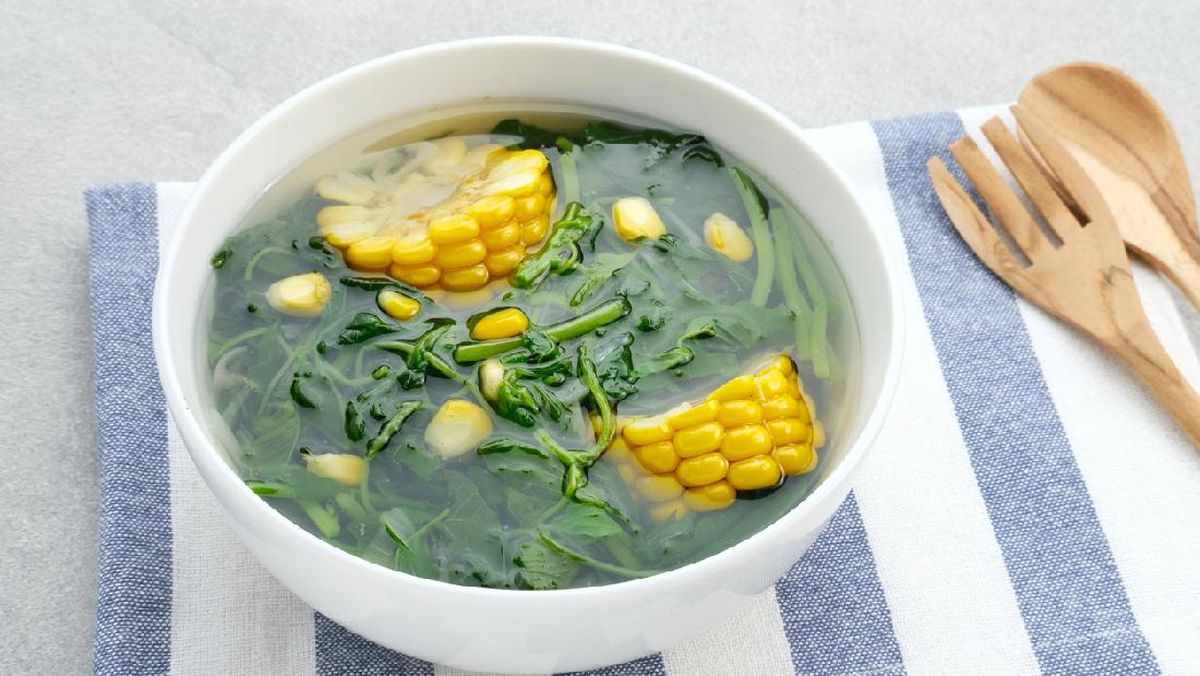
For those seeking protein sources, prioritizing fish, especially fatty varieties, over red meat can yield substantial cardiovascular benefits. Fatty fish such as salmon, mackerel, sardines, and tuna are excellent sources of omega-3 fatty acids, particularly EPA (eicosapentaenoic acid) and DHA (docosahexaenoic acid). These potent fatty acids are renowned for their ability to cleanse blood vessels by reducing inflammation and lowering triglyceride levels. Triglycerides are a type of fat found in the blood, and elevated levels are linked to an increased risk of heart disease. Consuming fatty fish at least twice a week is a widely recommended strategy to combat inflammation and improve blood lipid profiles, thereby reducing the risk of heart disease. The American Heart Association recommends consuming fish rich in omega-3s at least twice a week.
4. Watermelon: Nitric Oxide for Relaxed Arteries
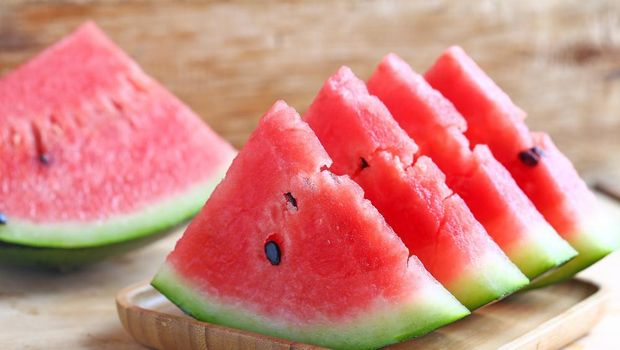
Beyond its refreshing taste, watermelon stands out as a beneficial food for preventing heart blockages. This summer fruit contains an amino acid called citrulline, which the body converts into arginine. Arginine, in turn, is a precursor to nitric oxide. Nitric oxide is a vital molecule that helps relax and widen blood vessels, a process known as vasodilation. This relaxation allows for smoother and more efficient blood flow, reducing the strain on the heart and lowering the risk of cardiovascular disease. The improved blood flow facilitated by nitric oxide is a key factor in maintaining healthy blood pressure and preventing the conditions that lead to blockages.
5. Almonds: A Nutrient-Dense Snack
Incorporating almonds into your snacking routine can be a strategic move for heart health. These versatile nuts offer a wealth of essential nutrients beneficial for the cardiovascular system, including monounsaturated fats, Vitamin E, and dietary fiber. Monounsaturated fats contribute to a healthy cholesterol balance, while Vitamin E acts as an antioxidant, protecting cells from damage. The fiber content in almonds aids in the digestive process and can help manage cholesterol levels by binding to cholesterol in the gut and preventing its absorption. Regular consumption of almonds has been associated with improved markers of cardiovascular health, including reduced inflammation and improved endothelial function.
6. Spinach: Potassium, Folate, and Fiber for Arterial Health
Spinach, a leafy green vegetable, is a cornerstone of a heart-healthy diet. Its rich nutritional profile includes potassium, folate, and fiber, all of which contribute to preventing arterial blockages. Potassium helps regulate blood pressure by counteracting the effects of sodium, while folate plays a role in reducing homocysteine levels, an amino acid linked to an increased risk of heart disease. The fiber in spinach, similar to that in almonds, aids in cholesterol management and promotes overall vascular health. The U.S. Department of Agriculture (USDA) recommends that adults aim for a daily intake of potassium and folate, both of which are abundantly found in leafy greens like spinach.
7. Whole Grains: Magnesium and Soluble Fiber
Whole grains, including whole wheat, brown rice, and oats, are fundamental components of a diet aimed at preventing heart blockages. These grains are rich in magnesium, a mineral that plays a crucial role in vascular health by helping to relax and widen blood vessels. This dilation effect contributes to lower blood pressure and improved blood flow. Furthermore, whole grains are an excellent source of soluble fiber. Soluble fiber forms a gel-like substance in the digestive tract, which binds to cholesterol and carries it out of the body. This process is instrumental in reducing the absorption of cholesterol into the bloodstream, thereby lowering the risk of plaque buildup in the arteries. The Dietary Guidelines for Americans recommend making at least half of your grain intake whole grains.
Broader Implications and Preventive Strategies
The emphasis on these specific foods highlights a fundamental principle in cardiovascular health: diet is a powerful, modifiable risk factor. Beyond individual food choices, adopting a holistic dietary pattern rich in fruits, vegetables, whole grains, lean proteins, and healthy fats is paramount. This aligns with established dietary recommendations from organizations like the American Heart Association and the World Health Organization, which advocate for diets low in saturated and trans fats, cholesterol, and sodium, while being rich in fiber and essential nutrients.
The long-term implications of consistently incorporating these foods into one’s diet are significant. By actively working to prevent arterial blockages, individuals can substantially reduce their lifetime risk of experiencing heart attacks, strokes, and other serious cardiovascular events. This proactive approach not only improves quality of life but also alleviates the immense personal and societal burden associated with managing chronic heart conditions.
Expert Perspectives and Public Health Initiatives
Cardiologists and nutritionists consistently advocate for the integration of these heart-healthy foods into daily meal plans. Dr. Anya Sharma, a leading cardiologist at the National Heart Institute, commented, "Preventing heart disease is a marathon, not a sprint, and diet forms the bedrock of this long-term strategy. Foods rich in omega-3s, fiber, and antioxidants act as our allies in the fight against arterial plaque. Educating the public about these simple yet effective dietary choices is crucial."
Public health initiatives in Indonesia and globally often focus on raising awareness about cardiovascular disease risk factors and promoting healthier lifestyles. These campaigns frequently highlight the role of nutrition, encouraging citizens to make informed food choices. For instance, government-backed programs promoting the consumption of fruits and vegetables, alongside educational materials on balanced diets, aim to empower individuals to take control of their heart health. The integration of nutritional education within school curricula and community health centers further reinforces these messages.
The Chronology of Atherosclerosis and Prevention
Atherosclerosis, the underlying cause of most heart blockages, is a gradual process that can begin in childhood and progress over decades. The initial stages often involve damage to the inner lining of the artery, frequently due to factors like high blood pressure, high cholesterol, smoking, or inflammation. Once this damage occurs, LDL cholesterol particles can infiltrate the artery wall, initiating the formation of fatty streaks, which are the earliest visible signs of plaque.
As the disease progresses, these fatty streaks can evolve into more complex plaques, containing cholesterol crystals, cellular debris, and smooth muscle cells. These plaques can grow, narrowing the artery and restricting blood flow. In more advanced stages, plaques can rupture, leading to the formation of a blood clot that can completely block the artery, resulting in a heart attack.
Given this timeline, preventive measures are most effective when initiated early in life. However, it is never too late to make positive dietary changes. Even individuals with established atherosclerosis can benefit from adopting a heart-healthy diet, as it can help slow the progression of the disease, stabilize existing plaques, and reduce the risk of future events. The foods discussed – avocados, broccoli, fatty fish, watermelon, almonds, spinach, and whole grains – all play a role in different aspects of this preventive strategy, from reducing inflammation and cholesterol to improving blood vessel function and elasticity.
Analysis of Implications
The widespread adoption of diets rich in the aforementioned foods could have profound implications for public health. A reduction in the incidence of heart attacks and strokes would translate to fewer hospitalizations, lower healthcare costs, and a significant improvement in the overall well-being and productivity of the population. On an individual level, this dietary shift empowers people to actively participate in maintaining their own health, fostering a sense of agency and control over their cardiovascular future.
Furthermore, promoting these foods can also have economic benefits. Increased demand for fruits, vegetables, fish, and whole grains can stimulate agricultural sectors and support local food economies. The shift away from processed foods, which are often high in unhealthy fats, sugars, and sodium, can also lead to a healthier food industry landscape.
Conclusion
The journey to preventing heart blockages is paved with mindful dietary choices. By consciously incorporating nutrient-rich foods like avocados, broccoli, fatty fish, watermelon, almonds, spinach, and whole grains into our daily meals, we equip our bodies with the tools to maintain healthy arteries and a strong heart. These foods are not merely dietary suggestions; they are potent allies in the ongoing battle against cardiovascular disease, offering a delicious and effective path towards a longer, healthier life. Embracing these culinary strategies is an investment in personal well-being and a testament to the profound impact of nutrition on our overall health.