Tata Titiana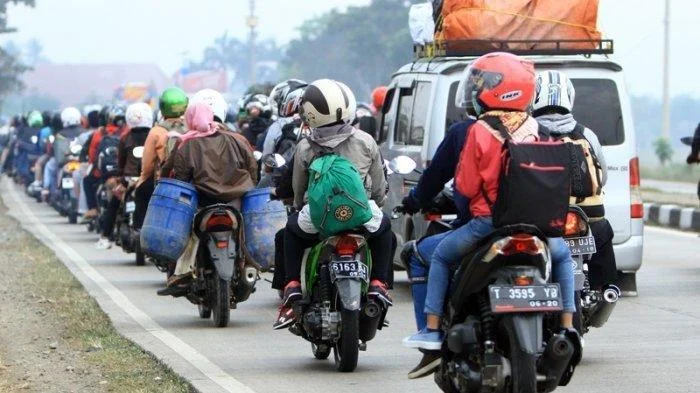
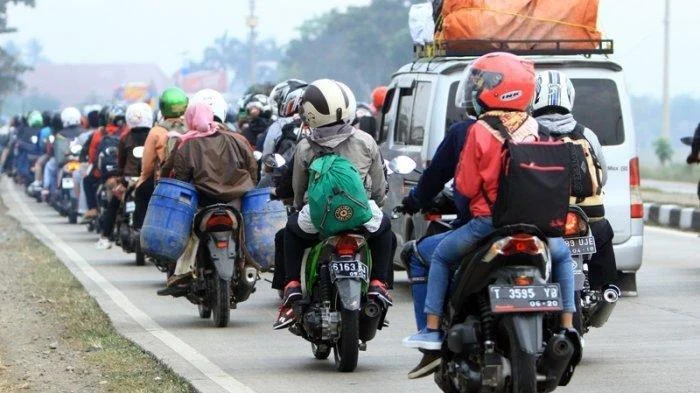
Jakarta, Indonesia – In a significant shift from the previous year, the Indonesian government has announced that citizens will be permitted to travel to their hometowns for the Eid al-Fitr (Idul Fitri) 1442 Hijri celebrations in 2021. This decision, communicated by the Minister of Transportation, Budi Karya Sumadi, during a working meeting with Commission V of the House of Representatives (DPR RI) on Tuesday, March 16, 2021, marks a departure from the stringent travel bans imposed during the 2020 holiday. However, the announcement is accompanied by a strong emphasis on the need for strict adherence to health protocols to mitigate the risk of COVID-19 transmission, particularly in rural areas.
The Ministry of Transportation has clarified that this announcement is not an encouragement for people to undertake the homecoming journey, as the ministry itself does not possess the authority to issue such directives. Instead, the government’s stance is to prepare a framework for a potentially allowed homecoming period, working in close collaboration with the COVID-19 Task Force. The overarching goal is to establish a safe and conducive homecoming season, preventing it from becoming a catalyst for renewed outbreaks in communities, especially those with potentially lower healthcare capacities.
Developing a Framework for Safe Homecoming
Minister Budi Karya Sumadi indicated that the Ministry of Transportation would engage in consultations with various stakeholders to meticulously craft the homecoming mechanism. These consultations aim to ensure that the travel period remains manageable and does not exacerbate the pandemic situation. Key among the proposed measures are the tightening of travel requirements and enhanced tracing efforts for travelers. This proactive approach reflects a growing understanding of the complex interplay between public mobility and public health during the ongoing pandemic.
The Ministry’s Instagram post, as cited, underscores a commitment to a collaborative approach, acknowledging that the success of this policy hinges on the cooperation of numerous parties. The focus on "strengthening travel requirements and tracing" suggests a multi-layered strategy designed to identify and isolate potential cases before they can spread widely.
Stringent Conditions for Travelers in 2021
Minister Budi Karya Sumadi elaborated on several key conditions that individuals wishing to participate in the 2021 Eid al-Fitr homecoming must observe:
-
Rigorous Health Protocol Enforcement: This is the paramount condition. Strict adherence to health protocols will be mandated at all stages of the journey – from the point of departure, throughout the travel period, and upon arrival at the destination. This includes measures such as mandatory mask-wearing, maintaining physical distancing, regular disinfection of transportation facilities and public spaces, limiting passenger capacity in vehicles, and potentially staggering travel schedules.
-
Anticipating Passenger Surges with Enhanced Tracing: To manage the anticipated increase in passenger numbers during the peak homecoming period, a robust and intensified tracing system will be implemented. This aims to quickly identify and isolate individuals who may have come into contact with infected persons, thereby preventing further transmission.
-
Shortened Validity Period for Screening Tests: The validity period for health screening tools, such as rapid antigen tests, is expected to be shortened. This measure is designed to ensure that travelers undergo testing closer to their actual departure date, thereby increasing the accuracy and relevance of the results in detecting recent infections.
The Ministry’s emphasis on these conditions highlights a learning curve from previous experiences, where a complete ban was deemed necessary. Now, with a more developed understanding of the virus and the availability of some public health tools, the focus shifts to managed travel. The public is urged to demonstrate a high level of personal responsibility and compliance with these protocols, understanding that collective well-being depends on individual actions.
Expert Skepticism Amidst Policy Shift
Despite the government’s decision to permit homecoming, the move has been met with a degree of pessimism from public health experts. Concerns remain regarding the potential for increased COVID-19 transmission, even with the implemented measures. Epidemiologists, such as Riris Andono Ahmad from Universitas Gadjah Mada (UGM), have voiced their reservations, suggesting that the decision might be influenced by an optimistic outlook on the national vaccination program’s coverage.
Riris Andono Ahmad pointed out that while vaccination offers a layer of protection, it does not render individuals immune to transmitting the virus, especially if health protocols are not rigorously followed. The core issue, according to him, lies not solely in the protection afforded by immunization but in the consistent application of preventive measures. Without strict adherence to protocols, the risk of COVID-19 transmission persists, regardless of vaccination status.
The Critical Role of Transportation Choices and Monitoring
The choice of transportation mode is deemed crucial by experts like Riris. The government’s efforts to equip terminals, train stations, and airports with COVID-19 screening tools, such as GeNose, are seen as a positive step towards facilitating safer travel. However, Riris suggests that public transportation, under more controlled conditions, might be inherently safer than private vehicles.
The primary concern with private vehicles is the lack of direct oversight. Without stringent monitoring, travelers using personal cars could inadvertently become vectors for virus transmission into their hometowns. Therefore, Riris advocates for encouraging the use of public transportation where possible, as it allows for more systematic monitoring and intervention by authorities if necessary. This recommendation aligns with the government’s stated intention to manage and oversee the flow of travelers more effectively.
The notion that vaccination grants complete freedom from transmission risk in public spaces is a misconception that public health officials continue to address. Even individuals who have received the vaccine are urged to maintain disciplined adherence to health protocols, including mask-wearing and social distancing. This is because the vaccines, while highly effective at preventing severe illness and death, may not completely eliminate the possibility of asymptomatic or mild infections that can still be transmitted to others.
A Call for Prudence and a Broader Perspective
Riris Andono Ahmad expressed a hope that, at a macro level, the decision to allow widespread homecoming for Eid al-Fitr could have been postponed. His estimation is that the pandemic may not have fully subsided by the time of Eid al-Fitr 2021, and the vaccination coverage, while growing, might still be insufficient to significantly curb transmission risks. This perspective underscores the ongoing debate between facilitating traditional cultural practices and prioritizing public health during a global health crisis.
The Indonesian government’s decision reflects a complex balancing act, attempting to respect cultural and familial traditions while managing the persistent threat of COVID-19. The success of the 2021 Eid al-Fitr homecoming will ultimately depend on the collective responsibility of the government in implementing effective control measures and the conscientious behavior of the public in adhering to them. The coming weeks will be critical in assessing the impact of this policy on the trajectory of the pandemic in Indonesia.
Background and Context: The Evolution of Homecoming Policies
The decision to permit homecoming for Eid al-Fitr 2021 is a direct response to the lessons learned from the previous year. In 2020, facing the nascent stages of the COVID-19 pandemic and with limited understanding of its transmission dynamics, the Indonesian government imposed a comprehensive ban on mudik, the annual mass exodus of urban dwellers returning to their villages for the holiday. This ban, while necessary to prevent a catastrophic surge in infections, led to significant emotional distress for many who were separated from their families during one of the most important religious observances in the Muslim calendar.
The socio-economic impact of the 2020 ban was also considerable. Transportation sectors, including airlines, bus operators, and rail services, suffered immense losses. Local economies in rural areas, which often rely on the influx of spending from returning relatives, experienced a slowdown. This year’s decision appears to be an attempt to mitigate these adverse effects while still acknowledging the public health imperative.
Timeline of Key Announcements and Considerations:
- March 16, 2021: Minister of Transportation Budi Karya Sumadi announces the government’s intention to permit homecoming for Eid al-Fitr 1442 H, following discussions with Commission V of the DPR RI. This marks a significant policy shift from the complete ban in 2020.
- Mid-March to Early May 2021: The Ministry of Transportation, in collaboration with the COVID-19 Task Force and other relevant agencies, works on developing detailed regulations and operational mechanisms for the homecoming period. This involves consultations with transportation operators, local governments, and public health experts.
- Early May 2021 (leading up to Eid al-Fitr): The government anticipates an increase in travel activity. Implementation of enhanced health screening, tracing, and stricter enforcement of protocols at transportation hubs and along major routes becomes critical.
- Eid al-Fitr 1442 H (estimated May 13, 2021): The peak of the homecoming and holiday period. The effectiveness of the implemented measures will be put to the test.
Supporting Data and Broader Implications
The decision to allow homecoming is not made in a vacuum. It is influenced by several factors, including:
- Vaccination Progress: While not a complete shield, the ongoing national vaccination program is intended to build a degree of community immunity. As of March 2021, Indonesia had begun its vaccination drive, prioritizing healthcare workers and vulnerable populations. The pace and reach of this program would inevitably factor into policy considerations.
- Economic Pressures: The Indonesian economy, like many globally, was significantly impacted by the pandemic. Allowing some level of mobility for the holiday could provide a much-needed boost to various sectors, particularly transportation and local businesses in tourist destinations and rural areas.
- Public Sentiment: The emotional toll of being separated from family during Eid al-Fitr for two consecutive years was considerable. The government likely weighed the public’s desire to reconnect with loved ones against the health risks.
The implications of this decision are multifaceted:
- Public Health: The primary concern is the potential for a resurgence of COVID-19 cases, particularly new variants, in areas with limited healthcare infrastructure. The success of the government’s mitigation strategies will be crucial.
- Economic Recovery: A controlled homecoming could stimulate economic activity, offering a lifeline to businesses affected by pandemic-related restrictions.
- Social and Cultural Impact: Reconnecting families and observing religious traditions is vital for social cohesion and cultural continuity. This decision acknowledges the importance of these aspects of Indonesian life.
Official Responses and Divergent Views
The announcement from Minister Budi Karya Sumadi represents the official government position. However, as highlighted by the comments from Epidemiologist Riris Andono Ahmad, there are dissenting views within the expert community. These divergent opinions underscore the complexity of pandemic management, where balancing public health with socio-economic and cultural considerations often leads to difficult policy choices.
Other public health organizations and medical associations may also offer their perspectives, potentially advocating for stricter measures or expressing concerns about the implementation details. The government’s ability to effectively communicate its rationale, clearly outline the requirements, and ensure robust enforcement will be key to navigating these differing viewpoints and fostering public trust.
The government’s commitment to working with the COVID-19 Task Force and other stakeholders suggests an awareness of the need for a unified and coordinated response. The emphasis on continuous evaluation and adaptation of measures based on the evolving pandemic situation will be critical. The success of this year’s Eid al-Fitr homecoming will serve as a vital case study for future public health challenges in Indonesia.