
 Chalifah Fatihah
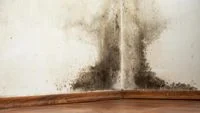
Water damage remains one of the most insidious threats to residential property integrity, often beginning as microscopic moisture intrusions that silently compromise a building’s foundational materials for weeks or even months before manifesting visible symptoms. Unlike sudden, catastrophic pipe bursts that demand immediate emergency intervention, slow and hidden leaks operate covertly behind walls, beneath flooring, and above ceilings. According to extensive property management and insurance data, unattended moisture issues are a leading catalyst for extensive structural degradation, indoor air quality decline, and costly residential insurance claims worldwide.
Real estate and home inspection experts emphasize that early detection is the single most effective defense against extensive property depreciation. When minor anomalies—such as a faint, unexplained musty odor or a discolored coin-sized spot on a drywall ceiling—are overlooked or dismissed as aesthetic trivialities, they routinely escalate into systemic crises. Continuous water exposure degrades wooden framing, corrodes metal fasteners, compromises electrical wiring conduits, and creates an ideal breeding ground for toxic mold colonies. Understanding the subtle physiological and structural warning signs of residential water leaks allows homeowners to mitigate damages proactively, avoiding exorbitant remediation expenditures and safeguarding the long-term structural health of their investments.
The Anatomy of a Slow Leak: Background and Chronological Progression
To comprehend the severity of hidden leaks, it is essential to examine the typical chronological timeline of water intrusion within a residential structure. The progression generally begins at a point of failure—such as a deteriorating plumbing joint, a compromised roof flashing, a cracked tile grout line, or a degraded appliance hose.
In the initial phase (Weeks 1 to 3), moisture escapes in minute quantities. Because the volume is small, surrounding porous materials—such as drywall, insulation, or subflooring—absorb the liquid like a sponge. During this window, visible indicators are virtually nonexistent, though subtle atmospheric changes may occur, such as a localized increase in humidity or the earliest chemical emissions of mold spores interacting with organic building materials.
By the intermediate phase (Weeks 4 to 8), the affected building materials reach their saturation threshold. Water begins to migrate along gravity paths or structural studs, leading to the first macroscopic symptoms. Paint begins to lose its adhesion, adhesives break down, and subtle discoloration emerges on surfaces. If left unaddressed, the advanced phase (Month 3 and beyond) witnesses structural warping, rotting of load-bearing timber, widespread fungal colonization, and potential interior collapses of ceilings or walls. Consequently, recognizing early warning signs during the initial or intermediate phases is vital for structural preservation.
Seven Subtle Indicators of Residential Water Intrusion
Property maintenance authorities, drawing from comprehensive building inspection guidelines, have identified seven primary subtle indicators that signal the presence of unwanted moisture or plumbing failures within a home.
- Persistent Musty Odors Independent of Weather
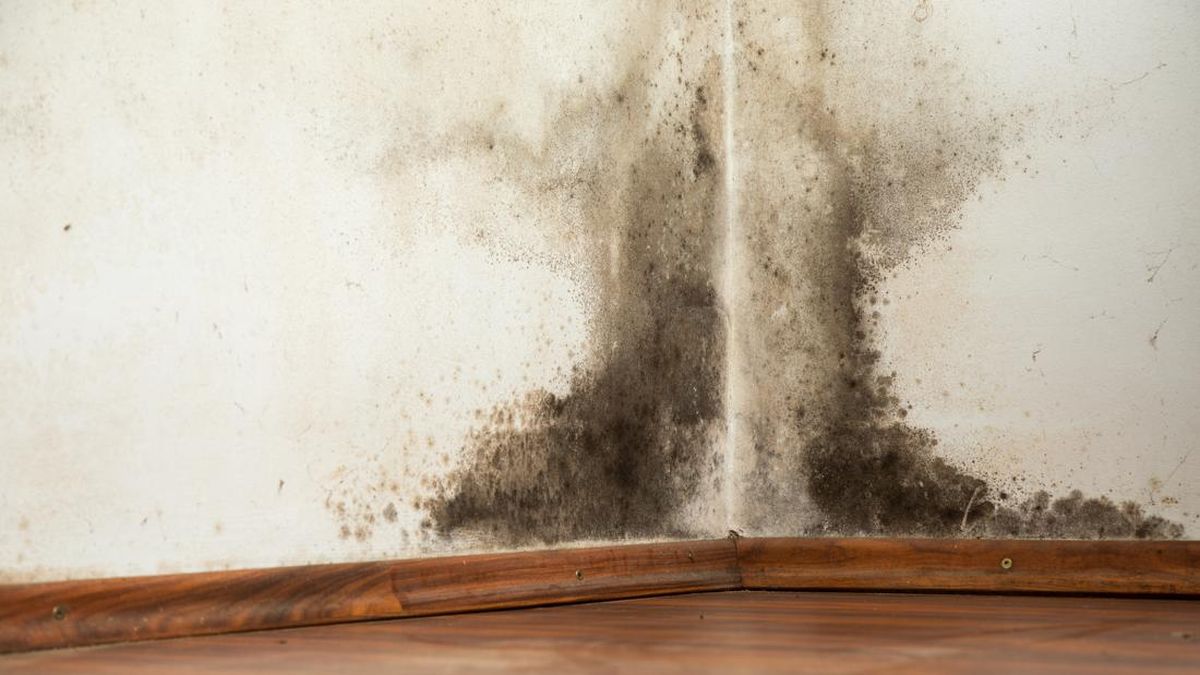
One of the earliest and most reliable indicators of hidden moisture is a persistent musty, earthy smell, even in the absence of recent rainfall or high outdoor humidity. This odor is typically generated by microbial volatile organic compounds (mVOCs) released by mold and mildew multiplying in dark, damp environments. Homeowners should systematically inspect high-risk zones, including beneath kitchen and bathroom cabinetry, around plumbing manifolds, and along baseboards. In upper levels, musty odors may indicate persistent roof leaks where water is tracking down through attic insulation without immediately pooling on ceilings.
- Unexplained Condensation and Water Droplets
While exterior windows frequently accumulate condensation during temperature fluctuations, chronic water droplets or heavy misting on interior walls, window frames, or ventilation ducts often point to deeper building envelope failures. Persistent condensation indicates that indoor relative humidity is excessively high or that moisture is trapped within wall cavities and insulation layers. Over time, this trapped moisture deteriorates the thermal envelope, rusts metallic structural components, and drastically accelerates fungal proliferation.
- Surface Deformations, Warping, and Joint Separation
Building materials react predictably to prolonged moisture exposure by expanding, warping, or degrading. Homeowners must remain vigilant for subtle geometric distortions, such as engineered hardwood or laminated flooring buckling at the seams, baseboards pulling away from walls, or ceramic tiles shifting and becoming loose. While high indoor humidity can occasionally cause minor wood expansion, localized warping is frequently the physical signature of a leaking pipe running beneath the floorboards or behind the drywall perimeter.
- Subtle Discoloration and Water Stains
Water stains are among the classic hallmarks of leaks, yet they are frequently underestimated when they appear minor. A faint yellowish or brownish ring on a ceiling or wall should never be dismissed as a superficial cosmetic blemish. Even a tiny watermark indicates that water is actively traveling from a higher elevation—such as a bathroom on the second floor, an attic space, or an internal plumbing chase—and pooling against the back of the surface material before bleeding through.
- Paint Blistering, Bubbling, and Wallpaper Failure
Interior finishes are engineered to adhere to stable, dry substrates. When water breaches a wall cavity, it breaks the bond between the paint or wallpaper and the drywall surface. Property owners should investigate any areas where paint appears to bubble, crack, peel, or flake off in sheets. Similarly, wallpaper that begins to curl at the seams, bubble in the center, or detach entirely from the wall is a definitive sign of chronic moisture pressure originating from behind the decorative layer.
- Unexplained Fluctuations in Water Pressure
Plumbing integrity directly dictates household water pressure. When a hidden supply line cracks, ruptures slowly, or develops a pinhole leak, the volume of water traveling through the broader distribution system is altered. If a household experiences a sudden, sustained drop in water pressure across multiple fixtures without a municipal supply interruption, it often signifies that water is escaping somewhere within the supply network before reaching the taps.
- Unaccounted Spikes in Utility Billing
One of the most objective and quantifiable indicators of a hidden water leak is an anomalous increase in monthly water utility bills, occurring independently of any changes in household consumption habits. Municipal water meters serve as highly sensitive diagnostic tools. If all household taps and appliances are turned off and the meter’s low-flow indicator or leak dial continues to spin, it confirms that water is continuously escaping somewhere in the system, demanding immediate professional leak detection services.
Implications, Economic Impact, and Preventive Strategies
The economic and health implications of ignoring subtle leak indicators are profound. Structurally, untreated water damage compromises the load-bearing capacity of timber frames, rusts steel reinforcements, and ruins insulation, leading to massive rehabilitation expenditures. Financially, standard homeowners’ insurance policies frequently deny coverage for water damage resulting from "gradual wear and tear" or "lack of maintenance," leaving property owners to shoulder the entire burden of remediation.
Furthermore, public health agencies consistently warn that chronic indoor moisture and subsequent mold growth are primary triggers for indoor allergens, exacerbating asthma, allergic rhinitis, and other respiratory ailments among occupants.
To mitigate these risks, property maintenance professionals recommend implementing a routine inspection protocol. Homeowners should conduct semi-annual checks of all visible plumbing connections, inspect roof flashings and gutters before and after rainy seasons, monitor water meters regularly for anomalous usage patterns, and immediately investigate any sensory anomalies such as strange odors or localized surface changes. By prioritizing proactive vigilance over reactive repairs, homeowners can protect both the structural integrity of their properties and their financial well-being.