Tata Titiana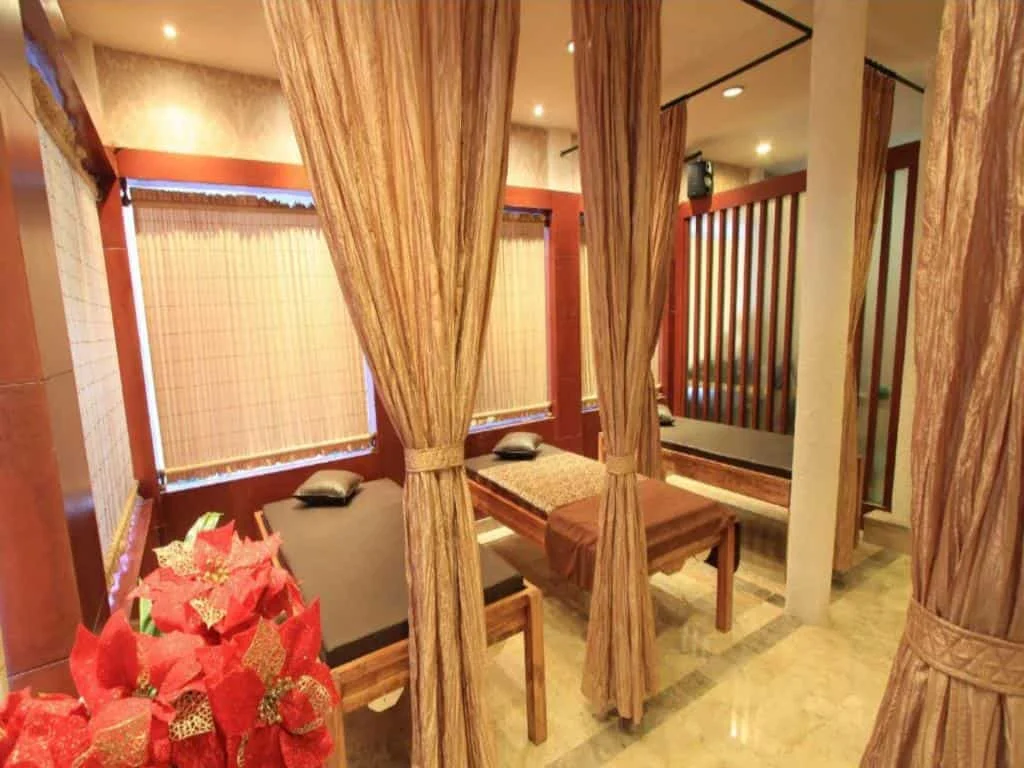
Nestled in the cool, mountainous ambiance of West Java, Hotel Salak The Heritage stands as one of Indonesia’s most enduring architectural and historical landmarks. Located at Jalan Ir. H. Juanda Number 8, Bogor, this four-star accommodation offers guests a unique blend of colonial-era heritage and contemporary luxury. Beyond its appeal as a strategic retreat for travelers seeking respite from urban congestion, the property represents a living archive of Indonesia’s turbulent and transformative history—having witnessed the Dutch colonial administration, the Japanese military occupation during World War II, and the birth of an independent republic.
Prime Geographic Location and Tourism Integration
The strategic advantage of Hotel Salak The Heritage lies primarily in its proximity to Bogor’s most prominent ecological, historical, and cultural landmarks. Situated in the heart of the city, the hotel is immediately surrounded by the refreshing natural panoramas of the Bogor mountain ranges, making it an ideal destination for weekend staycations and cultural tourism.
Guests stepping outside the hotel find themselves within walking distance of several national treasures. The historic Bogor Palace (Istana Bogor) is located a mere 550 meters away, while the world-renowned Kebun Raya Bogor (Bogor Botanical Gardens) sits just 710 meters from the property. Additionally, the Museum Zoologi, which houses an extensive collection of Indonesian fauna specimens, is located 630 meters away. For travelers inclined toward broader ecological exploration, the Halimun Salak National Park is situated approximately 520 meters from the hotel premises, cementing the property’s status as a central hub for heritage and nature tourism in the region.
Chronological Evolution: From VOC Lodging to Modern Heritage Hotel
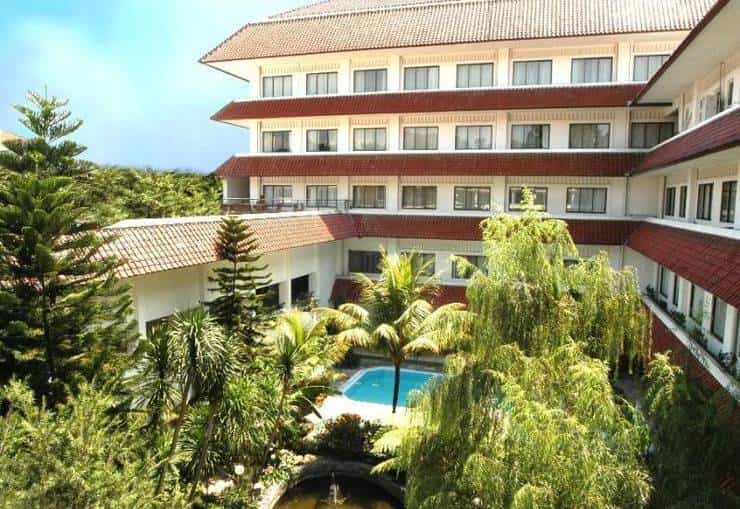
The history of Hotel Salak The Heritage dates back to 1856, during the height of the Dutch East Indies colonial era. Originally established under the name Bellevue-Dibbets Hotel by the family of Governor-General Charles Ferdinand Pahud, the property was initially commissioned to serve as an exclusive lodging facility for high-ranking officials of the Vereenigde Oostindische Compagnie (VOC) and colonial administrators visiting the administrative center of Buitenzorg (now Bogor).
During the late 19th and early 20th centuries, the hotel operated as a quintessential European-style hill station resort, taking advantage of Bogor’s cooler climate compared to the sweltering heat of Batavia (Jakarta). Its architecture distinctly mirrored neoclassical Dutch design principles, characterized by high ceilings, expansive verandas, large louvered windows, and symmetrical facades designed to maximize natural ventilation.
The geopolitical landscape of the hotel shifted dramatically with the onset of World War II. Following the Japanese invasion of the Indonesian archipelago in 1942, the colonial property was confiscated by the Imperial Japanese forces. Throughout the Japanese occupation, the historic building was repurposed as a military headquarters and administrative outpost, stripping away its leisure-oriented function to support the wartime efforts of the Japanese military regime.
Following the Proclamation of Indonesian Independence on August 17, 1945, and the subsequent recognition of sovereignty, the property underwent a significant transition. Nationalized and later changing ownership, the former Bellevue-Dibbets Hotel was officially renamed Hotel Salak, adopting a moniker inspired by the nearby majestic Mount Salak. Over the decades, the property underwent several modernization phases to meet evolving hospitality standards, eventually expanding to encompass 140 well-appointed rooms and 16 versatile meeting spaces. Despite extensive interior renovations, the management has consciously preserved the foundational Dutch colonial exterior and structural motifs, ensuring that the property retains its historic identity.
Comprehensive Infrastructure and Hospitality Facilities
Today, Hotel Salak The Heritage functions as a comprehensive four-star establishment designed to accommodate both leisure tourists and corporate clientele. The hotel integrates modern amenities within its historic framework, offering a robust suite of facilities aimed at ensuring guest comfort.
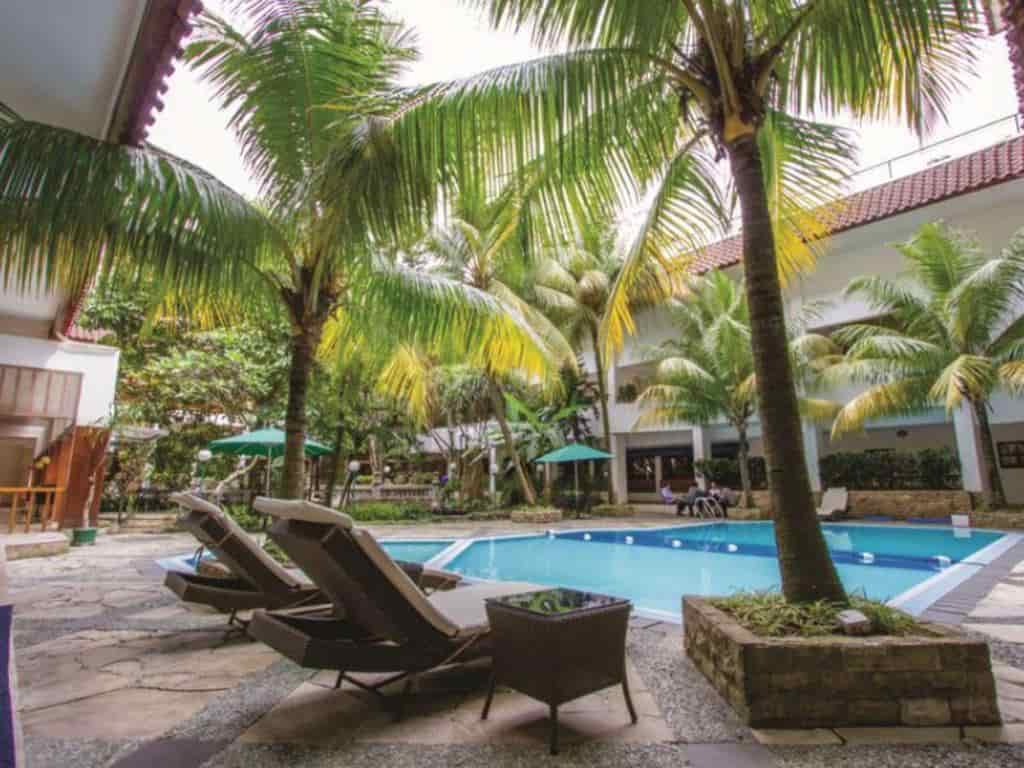
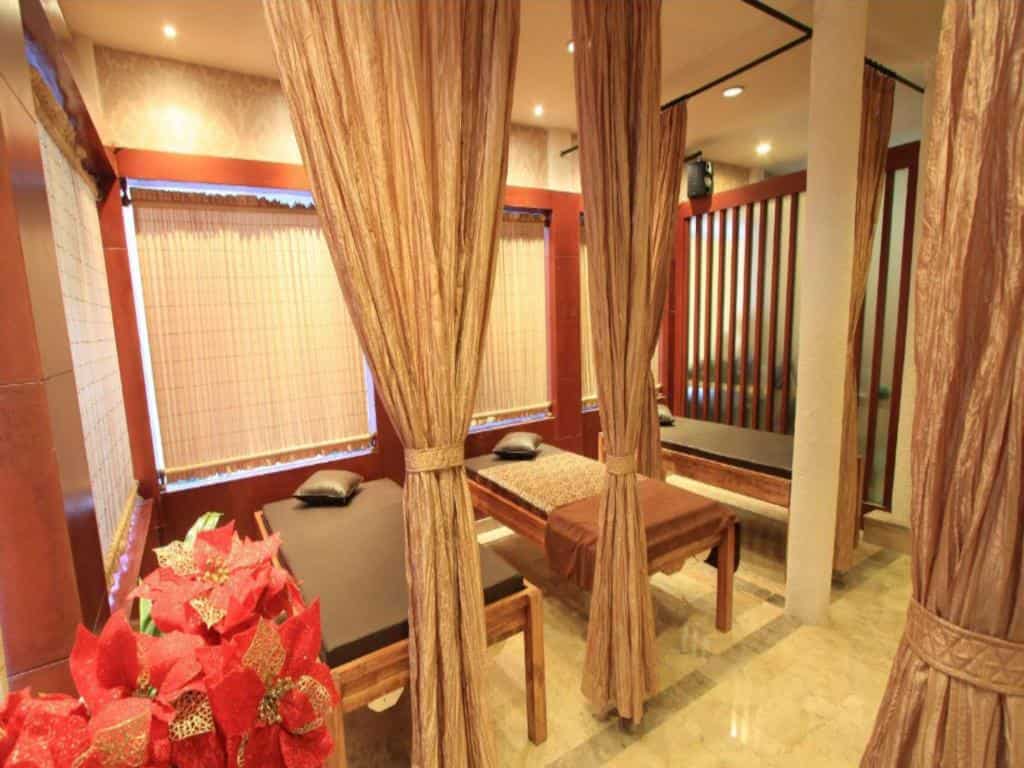
Recreational amenities include a fully equipped fitness center, a specialized spa providing traditional wellness treatments, an outdoor swimming pool, a dedicated reading library, karaoke facilities, and billiard tables. Culinary needs are addressed through an on-site restaurant, a sophisticated bar, and a coffee shop catering to diverse dietary preferences.
To serve its corporate demographic, the hotel’s 16 meeting rooms are outfitted with modern audio-visual technology, making it a frequent venue for regional government conferences, business seminars, and social banquets. Furthermore, the property provides practical conveniences such as 24-hour check-in services, comprehensive Wi-Fi connectivity throughout the premises, and airport shuttle services available for out-of-town guests upon request. Room rates generally start from approximately Rp 509,171 per night, varying according to seasonal demand and room categorization.
International Acclaim and Diplomatic Significance
Throughout its long operational history, Hotel Salak The Heritage has maintained a reputation for distinguished service standards that extend beyond domestic recognition. A significant milestone in the hotel’s modern timeline occurred in 2006, when the property received a Certificate of Appreciation from the White House Communications Agency.
This international honor was bestowed in recognition of the hotel’s exceptional operational security, hospitality management, and logistical support provided during the official state visit of United States President George W. Bush to Indonesia. President Bush’s brief summit with then-Indonesian President Susilo Bambang Yudhoyono in Bogor relied heavily on the secure infrastructure and professional capabilities of local institutions, with Hotel Salak playing a pivotal role in accommodating members of the accompanying international delegation and media corps.
Economic and Cultural Implications for Bogor’s Tourism Sector
The continued operation of heritage-class properties like Hotel Salak The Heritage holds notable economic and cultural implications for the city of Bogor. By preserving physical structures dating back to the 19th century, the hotel contributes to the preservation of urban heritage in an era dominated by rapid modernization and commercial real estate development.
From an economic perspective, the hotel acts as a catalyst for local tourism by drawing domestic and international visitors who seek immersive cultural experiences combined with modern comforts. Its proximity to the Bogor Botanical Gardens and the presidential palace ensures a steady influx of tourists, thereby supporting local vendors, transportation providers, and secondary attractions in the surrounding area.
Industry analysts note that heritage tourism properties possess a distinct competitive advantage in the post-pandemic travel market, as consumers increasingly value authenticity, historical narratives, and unique architectural aesthetics over standardized chain accommodations. By bridging its 19th-century colonial origins with 21st-century hospitality standards, Hotel Salak The Heritage remains a cornerstone of Bogor’s tourism landscape, symbolizing the resilience and adaptability of Indonesia’s historic hospitality sector.