Tyo Susilo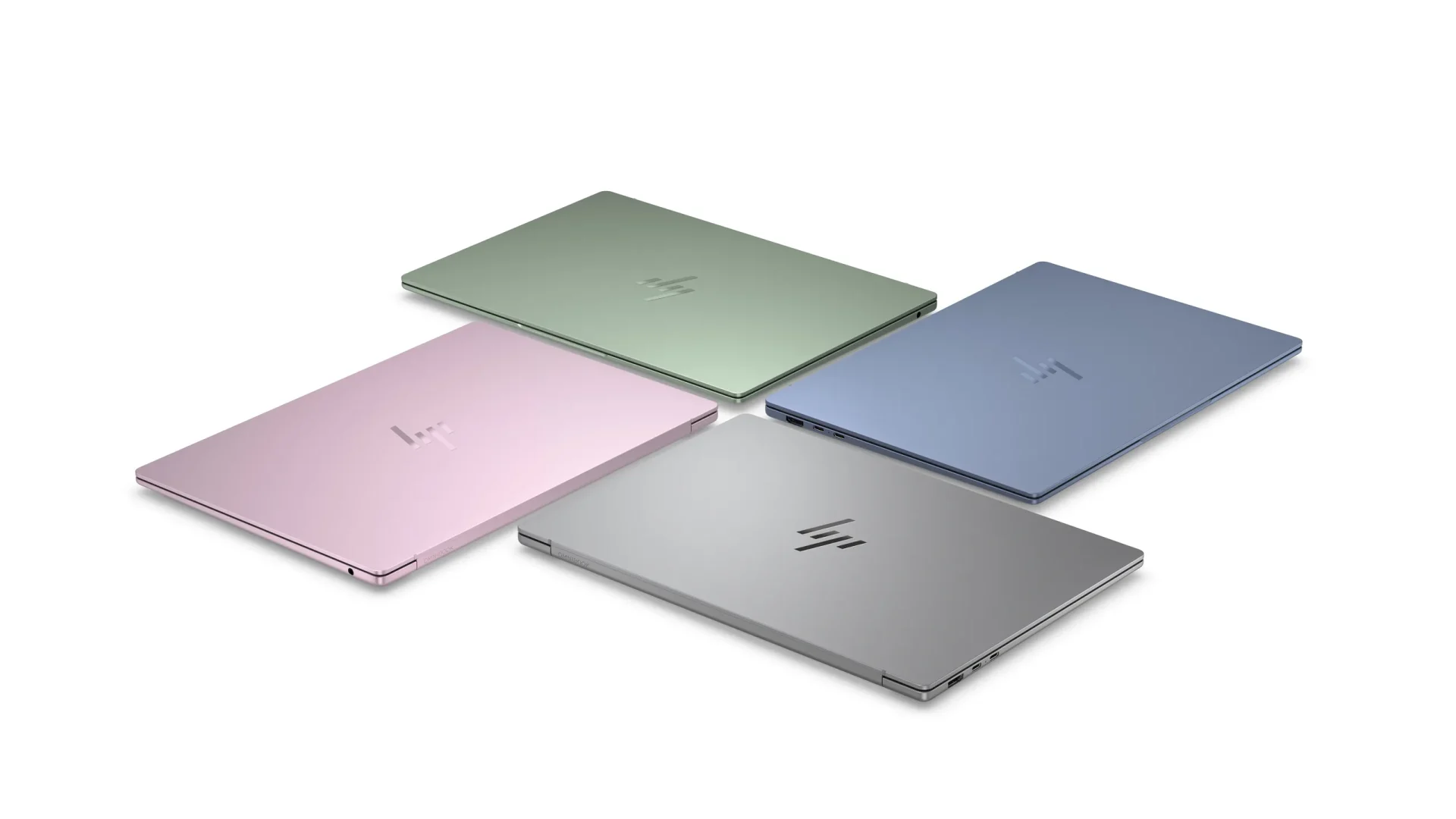
The global consumer electronics market has experienced a significant shakeup with Hewlett-Packard (HP) officially announcing the worldwide release of the HP OmniBook 5. Priced competitively starting at USD 699, this newly engineered thin-and-light laptop combines cutting-edge display technology with Intel’s latest architecture, positioning itself squarely against major industry rivals such as the MacBook Neo. As consumers increasingly demand premium features—specifically superior visual fidelity and extended battery longevity—at more accessible price points, the arrival of the OmniBook 5 marks a pivotal development in the mid-to-high-end portable computing segment.
Main Facts and Hardware Specifications
At the core of the HP OmniBook 5 is a strategic deployment of Intel’s newly introduced "Wildcat Lake" processor family. HP has structured the lineup across three distinct processing tiers to cater to a diverse array of consumer needs and budgets. The entry-level variant is driven by the Intel Core 5 315, engineered to handle everyday productivity tasks with optimal energy efficiency. Stepping up the performance ladder, the mid-tier configuration utilizes the Intel Core 5 320, while the highest-end model, scheduled for a subsequent release, features the formidable Intel Core 7 350.
According to preliminary performance benchmarks released alongside the launch, the Intel Core 7 350 demonstrates processing capabilities capable of rivaling the Apple A18 Pro silicon found in competing devices like the MacBook Neo. To complement these processors, HP has integrated LPDDR5 RAM configurations starting at an 8GB baseline for standard multitasking, with higher-tier options scaling up to 12GB for more demanding computing environments.
Visual immersion serves as a primary selling point for the OmniBook 5. HP has elected to forgo traditional LCD panels in favor of vibrant 14-inch OLED technology across the entire product line. Buyers can choose among three distinct OLED panel configurations, offering resolutions ranging from 1920 x 1200 pixels up to a pristine 2560 x 1600 pixels. For users who prefer tactile navigation, the highest-resolution panel is additionally offered with full touchscreen capabilities. However, industry analysts note a minor trade-off in display specifications: all available panel options maintain a peak brightness rating of 300 nits, which sits below the 500-nit threshold achieved by competing displays in the MacBook Neo lineup.

Chronology and Availability
The rollout of the HP OmniBook 5 follows a carefully orchestrated product lifecycle strategy. Initial development and hardware integration phases culminated in an official global announcement in October 2026. Immediate availability was granted to select base configurations powered by the initial tiers of the Intel Wildcat Lake platform, allowing consumers to purchase entry-to-mid-range models directly through HP’s official retail channels and authorized global distributors.
To manage manufacturing logistics and meet projected performance benchmarks, HP staggered the release of its flagship processor variant. The top-tier model equipped with the Intel Core 7 350 processor was intentionally held back from the initial wave, with a confirmed market debut scheduled for late October 2026. This staggered timeline enables the technology giant to build sustained market momentum and capture consumer interest through phased product reviews and benchmark disclosures.
Comprehensive Design and Connectivity
Despite packing advanced display technology and robust internal hardware, the HP OmniBook 5 maintains an ultra-portable profile. The chassis has been engineered down to a thickness of just 11.68 millimeters, while the overall weight starts at a remarkably light 2.56 pounds (approximately 1.16 kilograms). This reduction in physical bulk has traditionally required manufacturers to sacrifice physical input/output ports. However, HP has managed to retain a surprisingly versatile array of connectivity options.
The OmniBook 5 features a full-sized HDMI port, eliminating the immediate necessity for external dongles when connecting to external displays or projection systems. Furthermore, the laptop incorporates two USB 3.2 Gen 2 Type-C ports equipped with comprehensive Power Delivery support, alongside a standard 3.5mm audio jack for wired peripherals. Wireless connectivity is similarly modernized, featuring integrated Wi-Fi 6E for high-speed local network access and Bluetooth 5.4 for seamless accessory pairing.
Audio performance is managed by built-in stereo speakers enhanced with DTS:X Ultra processing, delivering an optimized soundstage for media consumption. Powering these components is a substantial 60Wh internal battery. HP makes the ambitious claim that the OmniBook 5 can achieve up to 42 hours of continuous video playback under optimal testing conditions, a metric that, if replicated in real-world usage scenarios, would place the laptop at the absolute forefront of battery endurance for Windows-based portable computers.

Market Implications and Competitive Analysis
The debut of the HP OmniBook 5 at the USD 699 starting price point signals an aggressive push by traditional PC manufacturers to capture market share traditionally dominated by Apple’s streamlined ecosystem. By integrating OLED displays—historically reserved for expensive, premium-tier machines—into a moderately priced chassis, HP is democratizing access to high-contrast, color-accurate screens for students, creative professionals, and mobile workers.
The direct comparison to the MacBook Neo highlights an ongoing war of attrition in the sub-$1,000 laptop category. While Apple relies on its proprietary silicon architecture and exceptionally bright displays to attract buyers, HP is countering with the flexibility of the Windows ecosystem, a wider array of physical ports, and the immersive depth of OLED panels. The inclusion of Intel Wildcat Lake processors further demonstrates that x86 architecture continues to evolve in terms of power efficiency, challenging the performance-per-watt dominance previously claimed exclusively by ARM-based competitors.
As the late October 2026 release date for the Intel Core 7 350 configuration approaches, industry observers will closely monitor consumer adoption rates and independent benchmark verifications. If the OmniBook 5 can successfully substantiate its 42-hour battery claims while delivering the promised computational parity with rival architectures, it may well redefine consumer expectations for what a mid-range, thin-and-light laptop can achieve.