Azin Asro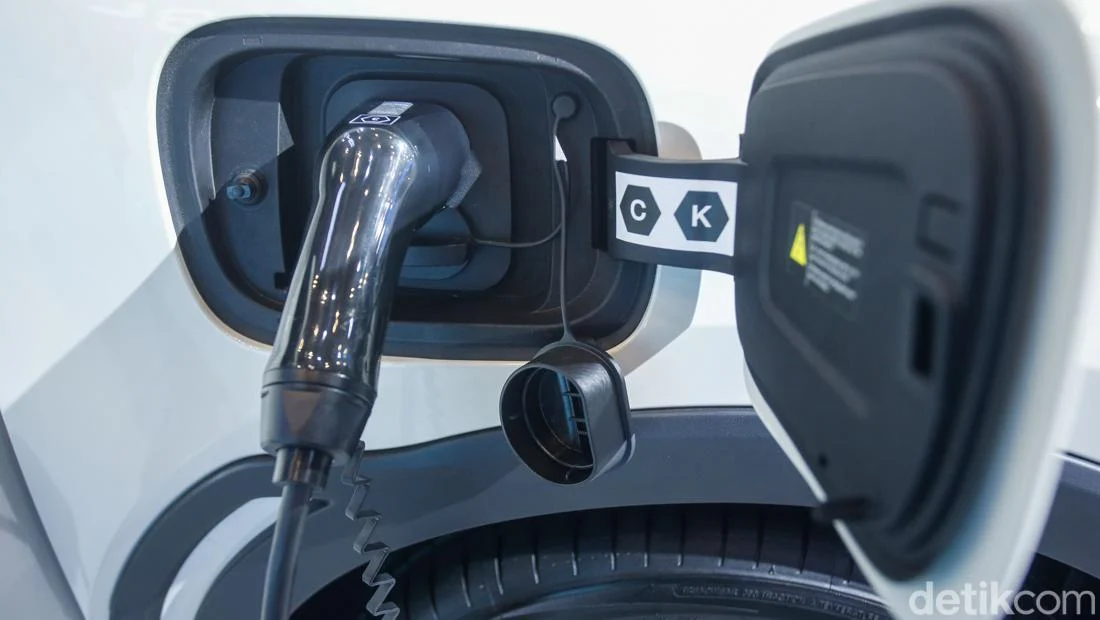
The landscape for electric vehicle (EV) ownership in Indonesia is undergoing a fundamental regulatory transformation as the government prepares to transition from a period of total tax exemptions to a more structured fiscal framework. For several years, the primary allure of purchasing an electric car in the Indonesian market—aside from environmental considerations—was the "zero-rupiah" tax incentive, which effectively eliminated the annual Motor Vehicle Tax (PKB) and the Motor Vehicle Title Transfer Fee (BBNKB). However, the issuance of Ministry of Home Affairs Regulation (Permendagri) Number 11 of 2026 marks a pivotal departure from this era, signaling that the "free ride" for EV taxation is drawing to a close, even as other incentives remain in play to maintain the momentum of the nation’s green energy transition.
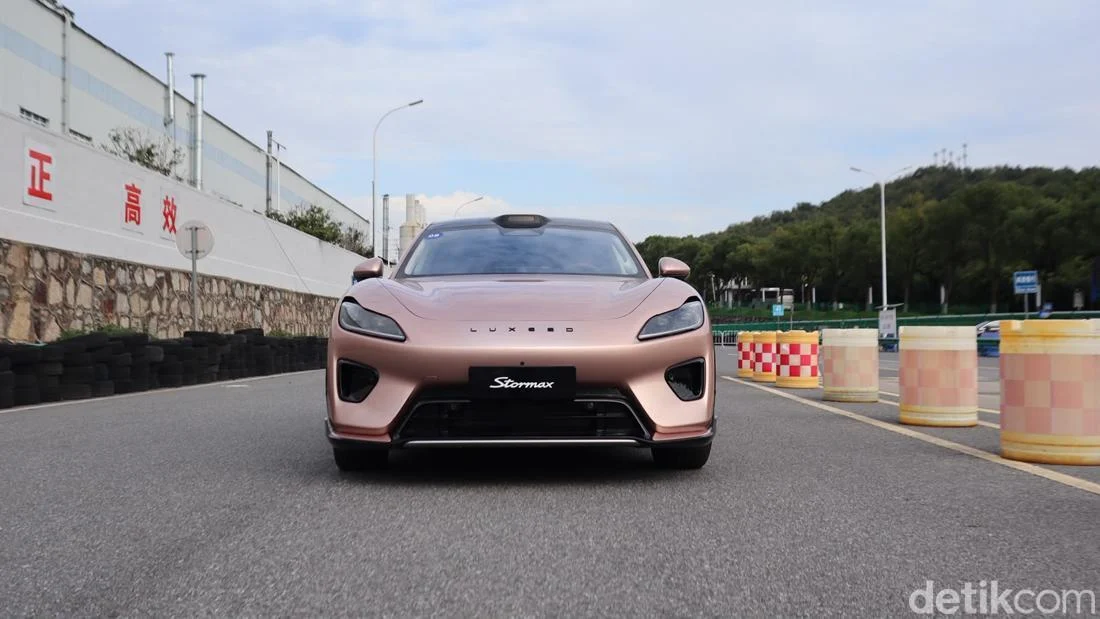
Under the previous regulatory regime, specifically Permendagri No. 7 of 2025, the Indonesian government provided a blanket exclusion for renewable energy-based vehicles from the objects of PKB and BBNKB. This included battery electric vehicles (BEVs), as well as those powered by biogas and solar energy. This policy was a cornerstone of the government’s strategy to accelerate the adoption of cleaner transportation, making luxury electric cars, which often carry price tags exceeding one billion rupiah, surprisingly affordable to maintain. Owners were previously required to pay only the Mandatory Road Accident Indemnity Fund (SWDKLLJ), which typically amounts to a modest Rp 143,000 per year. The new 2026 regulation, however, omits electric vehicles from the list of exempted objects in Article 3, Paragraph 3, effectively reclassifying them as taxable assets.
The Evolution of the Regulatory Framework
To understand the current shift, one must look at the chronological development of Indonesia’s EV incentives. The journey began in earnest with Presidential Regulation (Perpres) No. 55 of 2019, which laid the groundwork for the Battery Electric Vehicle program. This was followed by various technical regulations aimed at reducing the high upfront cost of EVs, which are typically 30% to 50% more expensive than their internal combustion engine (ICE) counterparts due to battery costs.
In 2023 and 2024, the government intensified these efforts. For instance, the Value Added Tax (PPN) on EVs was reduced from 11% to just 1% for vehicles meeting certain Local Content Requirement (TKDN) thresholds. Simultaneously, local governments, particularly in Jakarta, implemented 0% BBNKB and PKB rates to spur local demand. The 2025 regulation (Permendagri No. 7/2025) was intended to solidify these gains. However, the introduction of Permendagri No. 11 of 2026 suggests a move toward fiscal sustainability. As the volume of EVs on Indonesian roads increases, the government must balance the need for green incentives with the necessity of maintaining tax revenue for infrastructure development and public services.
Analyzing the New Tax Structure under Permendagri No. 11 of 2026
While the new regulation removes the automatic "zero-tax" status, it does not necessarily mean that EV owners will immediately face the same tax burdens as owners of gasoline or diesel vehicles. Article 19 of Permendagri No. 11 of 2026 provides a crucial caveat: the imposition of PKB and BBNKB on battery-based electric vehicles can still be subject to incentives in the form of exemptions or reductions, provided they align with prevailing laws and regulations.
Furthermore, the regulation offers a "grandfather clause" for older models. Vehicles manufactured before the year 2026, including those converted from fossil fuels to electric power, are still eligible for tax reductions or exemptions. This indicates a phased approach where the government seeks to protect early adopters while normalizing the tax environment for the next generation of EV buyers. The specific percentage of these "reductions" remains a point of anticipation for the industry, as it will determine the Total Cost of Ownership (TCO) for new buyers entering the market in 2026 and beyond.
Remaining Fiscal Incentives: The Role of PPnBM
Despite the changes in annual vehicle taxes, the Indonesian government continues to provide significant relief at the point of purchase. The Luxury Goods Sales Tax (PPnBM) remains a powerful tool in the government’s arsenal to keep EV prices competitive. According to Ministry of Finance Regulation (PMK) No. 135 of 2024, the government will continue to bear the cost of PPnBM for certain four-wheeled electric vehicles for the 2025 fiscal year.
This "Government-Borne" (DTP) PPnBM applies to both imported Completely Built-Up (CBU) vehicles and those assembled locally, provided they meet specific criteria set by the Ministry of Investment. This policy is strategically designed to encourage global manufacturers to establish production hubs in Indonesia. By offering PPnBM exemptions for imports to companies that commit to local manufacturing, Indonesia aims to transform from a mere consumer market into a regional production powerhouse for EVs, leveraging its vast nickel reserves—a critical component for lithium-ion batteries.
Non-Fiscal Advantages and Urban Mobility
Beyond the financial calculations of taxes and duties, EV ownership in Indonesia carries significant operational advantages, particularly in congested urban centers like Jakarta. The most prominent of these is the exemption from the "Ganjil-Genap" (Odd-Even) traffic rationing system. In a city where private vehicle access to major thoroughfares is restricted based on license plate numbers, the ability for an EV to travel freely every day of the week provides a level of convenience that is difficult to quantify in purely monetary terms.
Additionally, during periods of national holiday travel, such as the annual Mudik (homecoming) season, EVs have historically been exempted from temporary traffic engineering measures like odd-even restrictions on toll roads. These non-fiscal perks, combined with the growing network of Public Electric Vehicle Charging Stations (SPKLU) being deployed by the state electricity company PLN and private partners, continue to make EVs an attractive proposition for urban commuters despite the shifting tax landscape.
Industry Reactions and Market Implications
The reaction from the automotive industry, represented largely by the Association of Indonesian Automotive Industries (GAIKINDO), has been one of cautious observation. Industry analysts suggest that while the end of zero-percent taxation might cause a temporary lull in consumer sentiment, the long-term trajectory for EVs remains positive. The consensus is that the market is moving toward a "maturation phase."
"Taxation is a sign of a maturing market," notes a hypothetical industry analyst reflecting common market sentiments. "Initially, you need 100% incentives to kickstart interest. As the technology becomes more mainstream and the infrastructure improves, the government naturally shifts toward a more balanced fiscal policy. The key will be ensuring that the new PKB rates for EVs remain significantly lower than those for ICE vehicles to reflect their environmental benefits."
For manufacturers like Hyundai, Wuling, and BYD, which have made significant investments in the Indonesian market, the focus is shifting toward highlighting the lower operational costs of EVs. Even with a modest annual tax, the cost per kilometer of electricity compared to subsidized or non-subsidized gasoline remains a compelling argument for consumers.
Broader Economic and Environmental Context
The recalibration of EV taxes must be viewed through the lens of Indonesia’s broader economic goals. The nation has committed to achieving Net Zero Emissions by 2060 or sooner. Transportation accounts for a significant portion of Indonesia’s carbon footprint, and the shift to EVs is a primary pillar of the National Energy General Plan (RUEN).
Simultaneously, the "downstreaming" (hilirisasi) policy remains the government’s top economic priority. By creating a robust domestic market for EVs, Indonesia creates a "guaranteed" demand for the batteries that will eventually be produced in domestic factories using Indonesian nickel. The 2026 tax regulation might be seen as a way to fine-tune the market, ensuring that the transition is fiscally responsible while still supporting the domestic industrial ecosystem.
Conclusion: Is an EV Still a Worthwhile Investment?
As 2026 approaches, prospective car buyers are faced with a new set of variables. The era of paying only Rp 143,000 per year for a billion-rupiah car may be ending, but the fundamental advantages of electric mobility persist. The continued exemption of PPnBM helps keep the initial purchase price within reach, while the lower cost of "fueling" and maintenance provides ongoing savings.
Furthermore, the environmental impact and the prestige of driving a zero-emission vehicle continue to influence the premium segment of the market. While the "free" period of the early 2020s served its purpose in introducing the Indonesian public to electric technology, the 2026 regulations signal that EVs are no longer just a niche experiment—they are becoming a permanent, taxable, and integral part of the Indonesian automotive landscape. For the savvy consumer, the value proposition of an EV now rests on a combination of technological superiority, urban mobility perks, and a still-favorable (though no longer zero) tax status compared to traditional combustion engines.