Azin Asro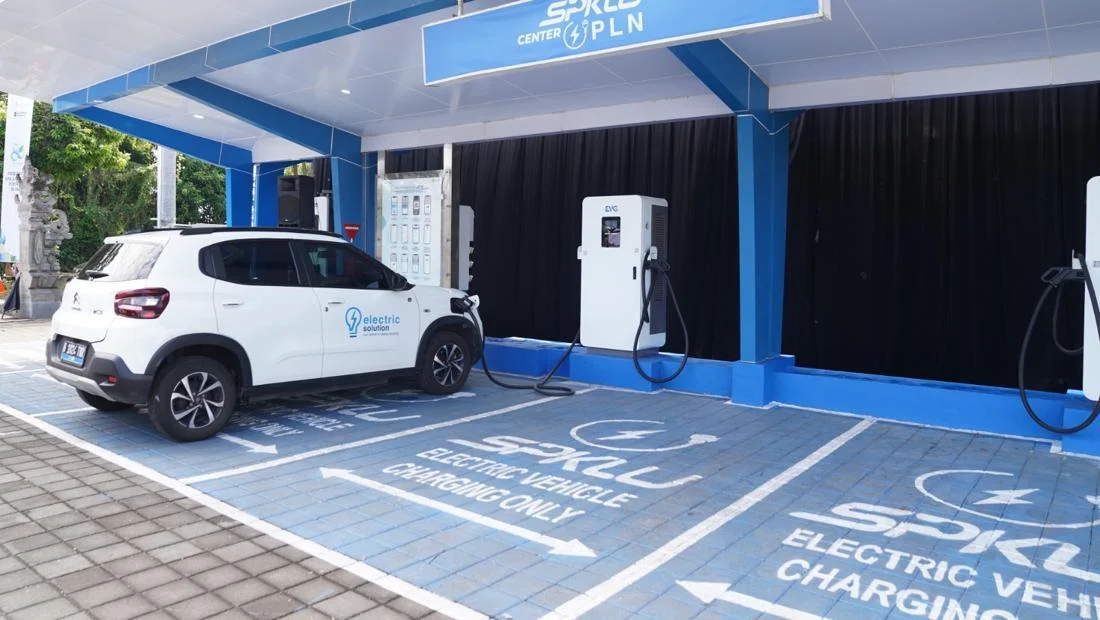
The Indonesian Ministry of Home Affairs has officially issued a landmark circular aimed at accelerating the adoption of electric vehicles (EVs) across the archipelago by urging regional governments to extend and implement critical fiscal incentives. The directive, formalized as Ministry of Home Affairs Circular (SE) No. 900.1.13.1/3764/SJ, focuses on the provision of fiscal incentives in the form of exemptions for Motor Vehicle Tax (PKB) and Motor Vehicle Title Transfer Fees (BBNKB) specifically for battery-based electric vehicles. This move has been met with significant acclaim from the Association of Electric Vehicle Ecosystems (AEML), which views the policy as a pivotal catalyst for the growth of the domestic EV market and a necessary step toward achieving national energy independence.
The issuance of this circular is designed to provide a uniform regulatory framework across Indonesia’s 38 provinces, ensuring that the momentum for green mobility is not hindered by regional fiscal discrepancies. By removing the financial burden of annual vehicle taxes and registration fees for electric cars and motorcycles, the government aims to lower the total cost of ownership, thereby making sustainable transport more accessible to the general public.
Strengthening the Legal Framework for Electrification
The Secretary General of AEML, Rian Ernest, emphasized that the circular is far more than a mere administrative guideline. According to Ernest, the document serves as a powerful signal of the central government’s unwavering commitment to the mandates set forth in Presidential Regulation (Perpres) No. 55 of 2019 and its subsequent amendment, Perpres No. 79 of 2023. These regulations outline the national roadmap for the acceleration of the battery-based electric motor vehicle program.
"AEML highly appreciates the birth of the Ministry of Home Affairs Circular Number 900.1.13.1/3764/SJ," Ernest stated in an official release. "This is not just a normative direction; it is a strong signal that the government is consistently implementing the mandate of the Presidential Regulations to accelerate the transition to electric mobility. This step aligns perfectly with the President’s vision to respond to the global energy crisis through electrification, aimed at realizing clean air and energy sovereignty for all Indonesians."
The policy transition comes at a time when Indonesia is aggressively positioning itself as a global hub for the EV supply chain, leveraging its vast nickel reserves—a critical component for lithium-ion batteries. The synchronization of regional tax policies with central government ambitions is seen as a prerequisite for attracting high-value foreign direct investment in the automotive and energy sectors.
The Jakarta Blueprint: A Model for Regional Success
In advocating for the widespread adoption of these incentives, AEML pointed toward the Special Capital Region of Jakarta as a successful case study. Under Governor Regulation (Pergub) No. 38 of 2023, the Jakarta Provincial Government has already implemented a 0% PKB and BBNKB policy for electric vehicles. This proactive fiscal stance has yielded tangible results, establishing Jakarta as the primary market for EVs in Indonesia.
The success in Jakarta demonstrates that fiscal certainty is the foundation of consumer confidence. When potential buyers are assured that their investment in a more expensive EV will be offset by long-term tax savings and lower operational costs, the barrier to entry significantly drops. AEML believes that if other provinces replicate the Jakarta model, the cumulative effect will lead to a surge in national EV sales, which currently represent a small but rapidly growing segment of the total automotive market.
Data from the Association of Indonesian Automotive Industries (Gaikindo) indicates that while EV sales have seen triple-digit percentage growth year-on-year, the absolute numbers still lag behind regional competitors like Thailand. The Ministry’s circular is intended to bridge this gap by creating a more competitive domestic environment.
Fiscal Incentives as a Medium-Term Regional Investment
One of the primary concerns for regional governments regarding tax exemptions is the potential loss of Regional Original Income (PAD). In Indonesia, vehicle taxes are a significant contributor to provincial coffers. However, AEML argues that these incentives should be viewed as a strategic medium-term investment rather than a permanent loss of revenue.
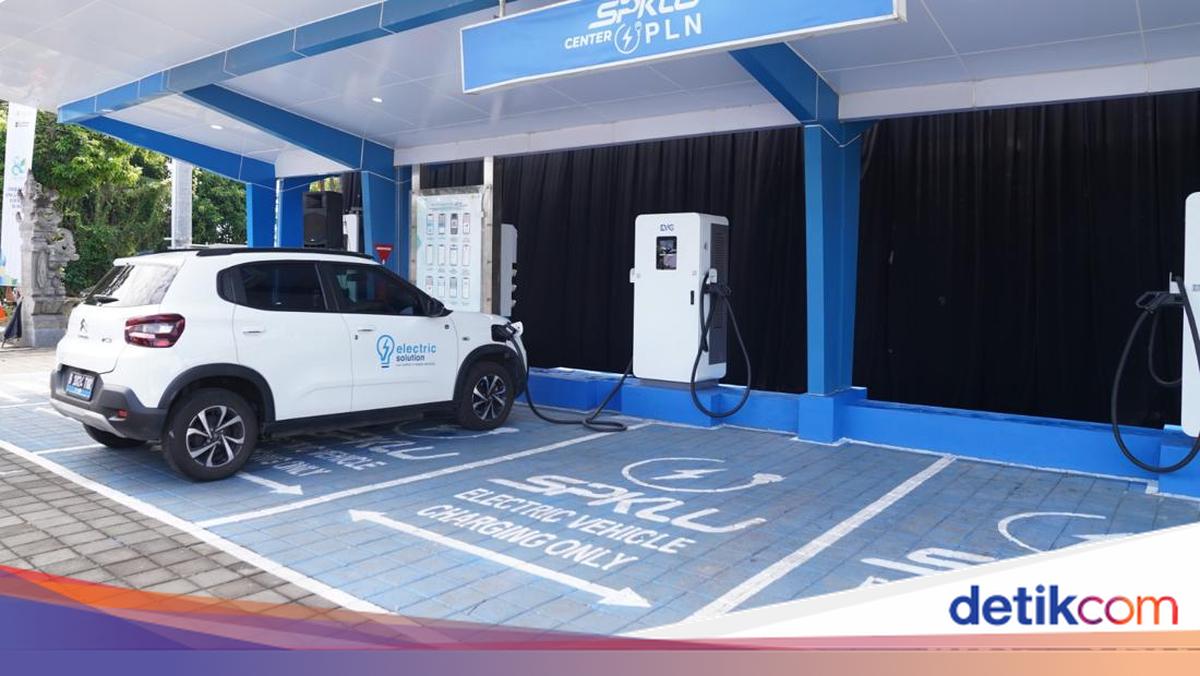
Analysis of more mature EV markets within the ASEAN region reveals a consistent economic pattern. While there is an initial dip in direct vehicle tax revenue, the growth of the broader EV ecosystem—comprising public charging stations (SPKLU), specialized maintenance workshops, spare parts manufacturing, financing services, and downstream battery industries—typically generates a total economic tax contribution that exceeds the lost revenue from conventional vehicle taxes within three to five years.
"Provinces that provide fiscal certainty early on have a competitive advantage in capturing this wave of investment before it spreads evenly across the region," the AEML report noted. Conversely, a lack of continuity in incentives, even if temporary, risks sending signals of uncertainty to the market. Such instability can cause manufacturers to delay investment decisions and prompt consumers to revert to internal combustion engine (ICE) vehicles, thereby stalling national electrification targets.
A Chronology of Indonesia’s EV Policy Evolution
The journey toward a fully electrified transport sector in Indonesia has been marked by several key milestones:
- August 2019: The signing of Perpres No. 55 of 2019, which established the basic legal framework for the EV industry, including local content requirements (TKDN) and preliminary incentives.
- 2020–2022: The introduction of various non-fiscal incentives, such as exemption from "Odd-Even" traffic restrictions in Jakarta and discounted electricity rates for home charging.
- December 2023: The enactment of Perpres No. 79 of 2023, which updated the previous regulation to provide more flexibility in import quotas for CBU (Completely Built-Up) vehicles for companies committed to building local production facilities.
- May 2024: The issuance of the Ministry of Home Affairs Circular (SE) No. 900.1.13.1/3764/SJ, specifically addressing the regional tax component to ensure nationwide policy harmony.
This progression shows a shift from broad national goals to specific, actionable directives for local governments, reflecting the government’s realization that the "last mile" of policy implementation happens at the regional level.
Strategic Points of the Ministry’s Circular
The AEML highlighted several fundamental points within the Ministry’s document that serve as the backbone for the new fiscal strategy:
- Investment Attraction: The exemption or reduction of PKB and BBNKB is explicitly recognized as a tool for regional governments to attract EV-related investments to their specific territories.
- Discretionary Power: While the circular provides a strong nudge, it allows regional governors the discretion to design incentive packages that suit their specific economic and demographic characteristics.
- Performance Reporting: A system of reporting to the Directorate General of Regional Financial Development will be established. This will allow for the exchange of "best practices" between provinces, creating a competitive yet collaborative environment.
- Global Energy Awareness: The Minister of Home Affairs specifically cited global energy instability and the volatility of oil and gas prices as a primary driver for this policy. By shifting to electricity, Indonesia can insulate its economy from external energy shocks.
Infrastructure Expansion and Private Sector Synergy
The fiscal incentives are expected to work in tandem with the expansion of charging infrastructure. A recent example of this synergy is the launch of "SPKLU Signature" at Summarecon Mall Bekasi, which highlights the increasing involvement of the private sector in building the necessary ecosystem. As more EVs hit the road due to tax breaks, the business case for private entities to install charging stations becomes significantly stronger.
Rian Ernest noted that AEML remains open to discussions with regional governments to help them navigate the fiscal impacts and identify investment opportunities. "We believe collaboration between the central government, regional governments, and the industry is the key to accelerating a sustainable energy transition," he said.
Implications for the National Economy and Environment
The broader implications of this policy extend beyond the automotive sector. Environmentally, the acceleration of EV adoption is crucial for Indonesia to meet its Nationally Determined Contributions (NDC) under the Paris Agreement. Major urban centers in Indonesia continue to struggle with air quality issues, with vehicle emissions being a primary contributor. A mass shift to zero-emission vehicles would lead to immediate improvements in public health and a reduction in healthcare costs associated with respiratory illnesses.
Economically, the policy serves as a hedge against the rising cost of fuel subsidies. By reducing the nation’s reliance on imported petroleum and shifting demand toward domestically produced electricity—much of which can increasingly be sourced from renewable energy—Indonesia strengthens its trade balance and fiscal resilience.
As the 38 provinces begin to integrate the Ministry’s circular into their local regulations, the automotive industry anticipates a more stable and predictable market. The goal is to make Indonesia the most competitive EV market in Southeast Asia, surpassing neighbors who are also vying for dominance in the green economy.
"With a clear incentive framework at the regional level, we are not only helping the community’s purchasing power but also collectively improving the air quality in our cities and strengthening regional economies from world energy price shocks," Ernest concluded. The focus now shifts to the provincial governors, whose leadership will determine how quickly their respective regions can transform into pioneers of the Indonesian EV ecosystem.