Nasution Nanang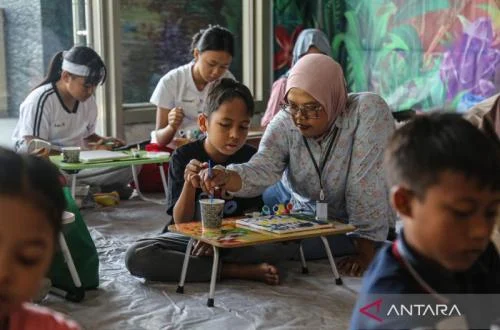
Across the Indonesian archipelago on Sunday, July 19, 2026, a myriad of significant humaniora events captivated communities, showcasing the nation’s rich cultural heritage while simultaneously highlighting crucial societal imperatives. From grand traditional celebrations spanning Java, Sumatra, and beyond, to an urgent nationwide appeal for enhanced child protection ahead of National Children’s Day (HAN) 2026, the day underscored Indonesia’s dynamic blend of tradition, community spirit, and progressive social commitment. These events, ranging from mass religious gatherings and ancient fishing rituals to modern cultural parades and empowering fashion movements, collectively painted a vivid picture of a nation deeply rooted in its past yet resolutely focused on its future generations.
Spiritual Unity and Communal Reverence in Situbondo
In East Java, the serene ambiance of Alun-Alun Kabupaten Situbondo was transformed into a bustling hub of spiritual devotion, as over one hundred thousand people converged for the annual Haul Masyayikh commemoration. This deeply significant event, dedicated to the memory of revered Islamic scholars and community leaders who have passed away, saw participants engage in collective Selawat Nariyah recitations. The Haul Masyayikh, a centuries-old tradition within Indonesian Islamic communities, serves as a poignant reminder of the intellectual and spiritual legacies bequeathed by these influential figures. It is a time for reflection, prayer, and seeking blessings, not only for the departed but also for the continued prosperity and well-being of the nation. The sheer scale of participation underscored the profound respect and reverence held for these foundational figures, whose teachings and leadership continue to shape local and national identity.
Bupati Situbondo, Yusuf Rio Wahyu Prayogo, who also chaired the organizing committee, articulated the dual purpose of the gathering. "Firstly, the hope for this Haul Masyayikh is to pray for the scholars and community leaders across the archipelago, seeking their blessings. Furthermore, it is also a prayer for a better Indonesia," he stated, emphasizing the spiritual continuity and national aspiration inherent in the event. The preparatory efforts for such a massive assembly were extensive, involving local government agencies, religious organizations, and community volunteers to ensure logistical smoothness, security, and the comfort of the multitude of attendees who traveled from various parts of the region. This communal act of remembrance and supplication reinforces social cohesion and provides a tangible link between generations, preserving the spiritual fabric of Indonesian society. The Haul Masyayikh is not merely a religious ceremony but a cultural phenomenon, reflecting the syncretic nature of Islam in the archipelago, where local customs often blend seamlessly with religious observances to create unique expressions of faith and community solidarity.
Embracing Indigenous Traditions: The "Memet Ikan" of Klaten
Further west, in Klaten, Central Java, a different form of community engagement unfolded with exuberant energy. Thousands of eager participants flocked to Desa Gemblegan, Kecamatan Kalikotes, for the vibrant "Memet Ikan" tradition in the village pond. This unique communal fishing ritual, a highlight of the 222nd anniversary celebrations of Klaten Regency, drew crowds from neighboring districts, each equipped with fishing nets, ready to partake in the age-old custom. The "Memet Ikan" tradition, literally meaning "to harvest fish," is a symbolic act of communal sharing and gratitude for natural abundance, deeply rooted in the agrarian history of Java. It harks back to times when communities relied heavily on local resources and shared the bounty, fostering a strong sense of collective ownership and camaraderie.
The excitement was palpable as participants waded into the pond, their nets sweeping through the water in a lively spectacle. Supriyadi (42), a resident of Desa Tambaksari, shared his success with palpable enthusiasm. "I managed to catch some pomfret, quite a good haul. There were some big ones too, about five of them," he recounted, reflecting the joy and satisfaction that accompanies a successful catch. Beyond the individual catches, the event served as a powerful unifier, bringing together diverse segments of the community in a shared, joyful activity. Local officials and cultural experts view "Memet Ikan" as a vital tool for preserving indigenous traditions and introducing them to younger generations, ensuring that these cultural practices do not fade into obscurity amidst modernization. The tradition also subtly promotes local tourism, drawing visitors who are curious to witness and partake in such a unique cultural spectacle, thereby injecting vitality into the local economy through increased trade for small vendors and local businesses. The celebration of Klaten’s anniversary through such a vibrant, community-focused event highlights the regency’s commitment to honoring its heritage while fostering a sense of pride among its residents.
Bandar Lampung’s Cultural Showcase: Begawi and Youth Engagement
In Sumatra, the city of Bandarlampung pulsated with the energy of the "Begawi Bandarlampung," a significant cultural festival designed to celebrate and perpetuate the rich heritage of the Lampung people. Mayor Eva Dwiana underscored the critical role of the event as a vital platform for introducing regional culture to the city’s youth. "Begawi," traditionally a series of elaborate Lampung customary ceremonies often associated with rites of passage or significant community events, has been adapted into a modern festival format to reach a broader audience, particularly the younger demographic. The festival was a kaleidoscope of cultural expressions, prominently featuring a Festival Kendaraan Hias (Decorated Vehicle Festival) and a grand Pawai Budaya (Cultural Parade), both showcasing the diverse artistic and traditional wealth of the local community.
The parade, a vibrant procession of elaborately adorned vehicles and participants in traditional Lampung attire, wound through the city’s main thoroughfares, captivating onlookers with its vivid colors, intricate designs, and rhythmic music. Each float and performance segment told a story, depicting elements of Lampung’s history, folklore, and daily life, from traditional agricultural practices to mythological figures. The emphasis on youth engagement reflects a proactive strategy by the city administration to ensure cultural transmission. Through interactive workshops, educational displays, and direct participation in the parade, young people are encouraged to connect with their ancestral roots, understand the significance of their traditions, and become proud custodians of their cultural identity. Such festivals play a crucial role in preventing cultural erosion, especially in an increasingly globalized world, by making heritage tangible and engaging for new generations. The Begawi Bandarlampung thus served as both a celebration of identity and an investment in the cultural future of the city.
The Kebaya Movement: Empowering Women and National Heritage in Palembang
In Palembang, South Sumatra, the iconic Ampera Bridge transformed into a runway for a powerful display of national pride and female empowerment. More than a thousand women, adorned in exquisite kebaya paired with modern songket fabrics, participated in a grand parade to commemorate Hari Kebaya Nasional 2026 (National Kebaya Day). This event was a vibrant testament to the ongoing national movement to elevate the kebaya, Indonesia’s traditional blouse-dress, to global recognition, particularly through its nomination as an intangible cultural heritage by UNESCO. The combination of kebaya with Palembang’s renowned songket, a richly brocaded fabric, showcased a beautiful fusion of national costume with distinct regional textile artistry, each piece a masterpiece of craftsmanship and heritage.
Lana T Koentjoro, Chairperson of the DPP Perempuan Indonesia Maju (PIM), articulated the multifaceted impact of the "Berkebaya" (wearing kebaya) movement. "This movement of walking in kebaya from Ampera Bridge to the Monumen Perjuangan Rakyat (Monpera) in Palembang demonstrably strengthens family economies through women’s empowerment," she stated. Her words highlighted the economic ripple effect generated by the revitalization of traditional attire. The increased demand for kebaya and songket stimulates local industries, supporting tailors, weavers, designers, and small businesses run predominantly by women. This economic empowerment extends beyond mere income generation, fostering a sense of self-reliance, entrepreneurship, and communal solidarity among women. The symbolic walk across the Ampera Bridge, a landmark of Palembang, to Monpera, a monument commemorating local heroes, imbued the parade with a profound sense of historical and cultural significance, linking the elegance of traditional wear with the enduring spirit of the nation. The Kebaya movement is therefore not just a fashion statement, but a cultural revival and a socio-economic catalyst, promoting national identity and women’s agency simultaneously.
A National Imperative: Strengthening Child Protection Ahead of HAN 2026
Amidst these celebratory cultural events, a critical call for national unity and collaborative action resonated from the Ministry of Women’s Empowerment and Child Protection (PPPA). Minister Arifah Fauzi issued a heartfelt appeal to all segments of Indonesian society to reinforce their collective efforts in fulfilling children’s rights and safeguarding their well-being, particularly as the nation prepared for National Children’s Day (HAN) on July 23, 2026. This annual observance serves as a crucial reminder of the nation’s commitment to its youngest citizens, who represent the future of Indonesia. The Minister’s statement underscored the government’s unwavering dedication to creating a safe, nurturing, and empowering environment for every child.
"Leading up to National Children’s Day on July 23, let us seize this moment to further love, protect, and fulfill the rights of every child. Children are the future of the nation, and we must support them in achieving their dreams," Minister Arifah Fauzi urged. Her words emphasized the proactive role that families, communities, educational institutions, the private sector, and government bodies must play in concert. Indonesia, as a signatory to the UN Convention on the Rights of the Child, has a legal and moral obligation to ensure that all children have access to education, health services, protection from violence and exploitation, and opportunities for development and participation. Despite significant progress, challenges persist, including issues such as child marriage, online exploitation, and limited access to quality education in remote areas.
The Ministry of PPPA has been actively campaigning for the realization of "Kota Layak Anak" (Child-Friendly Cities) across the country, a program aimed at integrating children’s rights into local development policies and programs. This initiative seeks to create safe public spaces, provide adequate health and educational facilities, and establish robust protection mechanisms at the local level. The call for strengthened collaboration ahead of HAN 2026 is a strategic move to galvanize all stakeholders, reminding them that child protection is a shared responsibility. It aims to foster a societal mindset where children’s voices are heard, their needs are prioritized, and their potential is nurtured, ultimately contributing to a stronger, more equitable future for Indonesia. The celebration of National Children’s Day, therefore, is not merely a symbolic gesture but a catalyst for renewed commitment and concrete action towards building a truly child-friendly nation.
Conclusion: A Nation in Motion – Heritage, Community, and Future Aspirations
The events of July 19, 2026, across Indonesia, collectively illustrated a nation deeply engaged in both preserving its rich cultural heritage and actively shaping its future. From the spiritual solidarity of the Haul Masyayikh in Situbondo and the communal joy of Klaten’s "Memet Ikan," to the cultural pride showcased at Begawi Bandarlampung and the empowering elegance of Palembang’s Kebaya parade, these celebrations highlighted the diverse and vibrant tapestry of Indonesian identity. Each event, while distinct in its regional flavor and specific focus, shared a common thread: the strengthening of community bonds, the transmission of invaluable traditions, and the celebration of unique local identities.
Simultaneously, the nationwide call for enhanced child protection served as a poignant reminder that while cultural richness is a source of strength, a nation’s true progress is measured by how it safeguards its most vulnerable citizens. The urgent appeal from the Ministry of Women’s Empowerment and Child Protection underscored the critical importance of ensuring that every child is loved, protected, and empowered to achieve their full potential, recognizing them as the true inheritors and architects of Indonesia’s future. Together, these events painted a comprehensive picture of a nation that values its past, celebrates its present, and invests profoundly in a future where tradition and progress, community and individual well-being, converge to create a resilient and flourishing society.