Nila Kartika Wati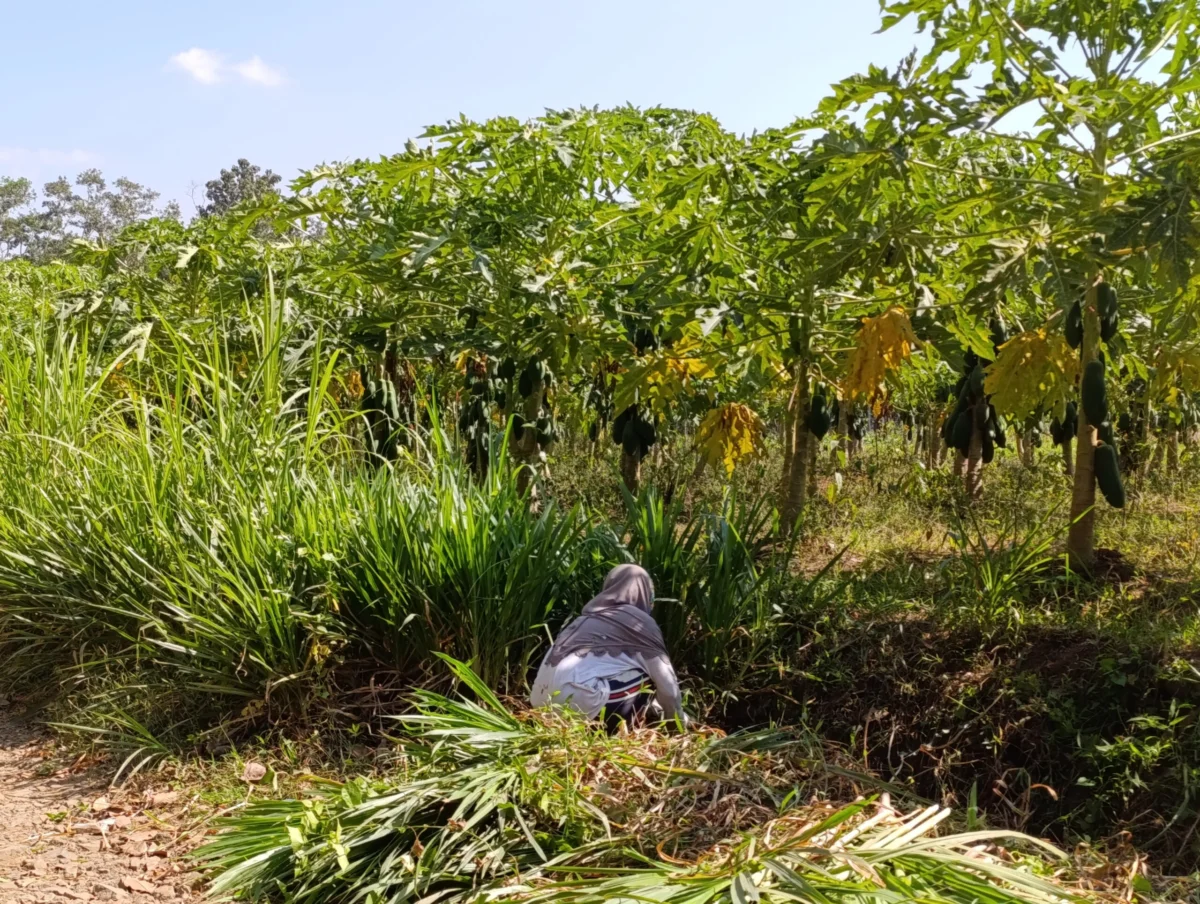
Farmers in Silo District, Jember Regency, East Java, are currently facing a period of intense uncertainty following a government proposal to construct a Ministry of Defense facility on land they have managed for generations. Members of the Jati Jaya Forest Farmer Group Association (Gapoktanhut) expressed deep concern during a recent hearing at the Jember Regional House of Representatives (DPRD) regarding the planned establishment of the Development Territorial Battalion (Yon TP) headquarters. The project is slated to occupy 55.25 hectares of land across several forest plots, an area that serves as the primary economic engine for hundreds of local families.
The proposed site covers plots 1, 2, 3, and 15 within the Silo forest area, which recently underwent a significant legal transition. For the farmers, this is not merely a matter of land ownership but a question of survival. Masis, the Chairman of Gapoktanhut Jati Jaya, emphasized during the hearing on June 17, 2026, that the community is not inherently opposed to national development, but they are terrified of the social and economic displacement that such a massive military installation would trigger. The farmers argue that the land in question is far from "idle" or "waste" land; rather, it is a highly productive landscape that has been formally recognized by the state through the Social Forestry program.
A Sudden Disruption of Local Governance and Livelihoods
The tension began when members of the Indonesian National Armed Forces (TNI) arrived in the forest area to conduct mapping exercises using drones. According to local farmers, there was no prior consultation or official notification regarding these activities. Sutrisno, a member of the Gapoktan, recounted the shock felt by the community when they encountered military personnel surveying the land they cultivate. The lack of transparency has fostered a climate of distrust, as the farmers only learned about the plan for the Territorial Development Battalion after the survey was already underway.
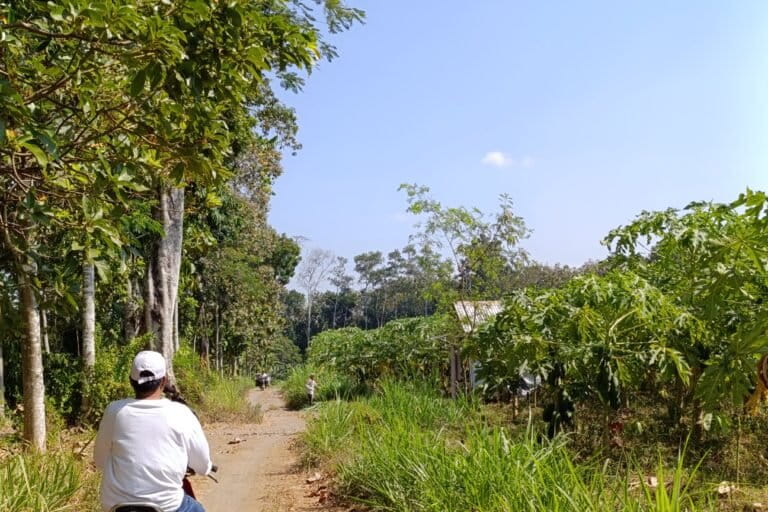
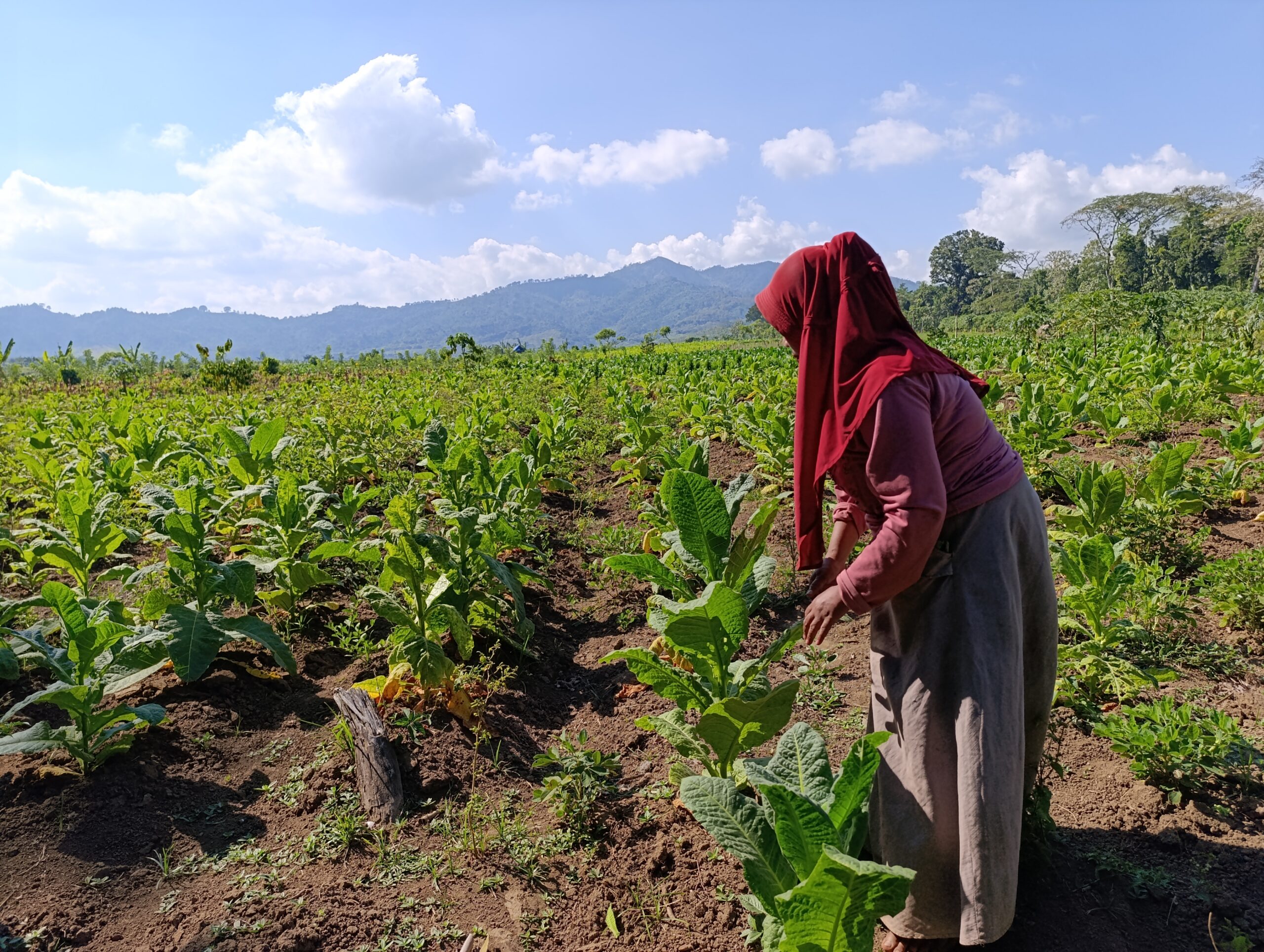
The situation escalated when some farmers were reportedly told to cease their planting activities. In one instance, a farmer attempting to plant tobacco—a staple seasonal crop in the region—was allegedly informed that construction would begin within 20 days. Such directives have caused panic among the 220 families who depend on these specific 55.25 hectares. The farmers maintain that the land is held under a Community Forest (HKm) scheme, which grants them legal management rights for 35 years based on a Decree (SK) from the Ministry of Forestry.
The farmers have questioned the logic of the project, which the government claims is intended to bolster national food security. They argue that it is contradictory to dismantle existing, successful community-led food production systems to build a military base under the guise of food security. "Why is the project being directed toward HKm land?" Sutrisno asked during the hearing. "Why not use lands managed under different schemes that do not directly involve community management rights? The HKm status was granted to provide us with a legal basis for our livelihoods."
The Economic Vitality of the Silo Forest Area
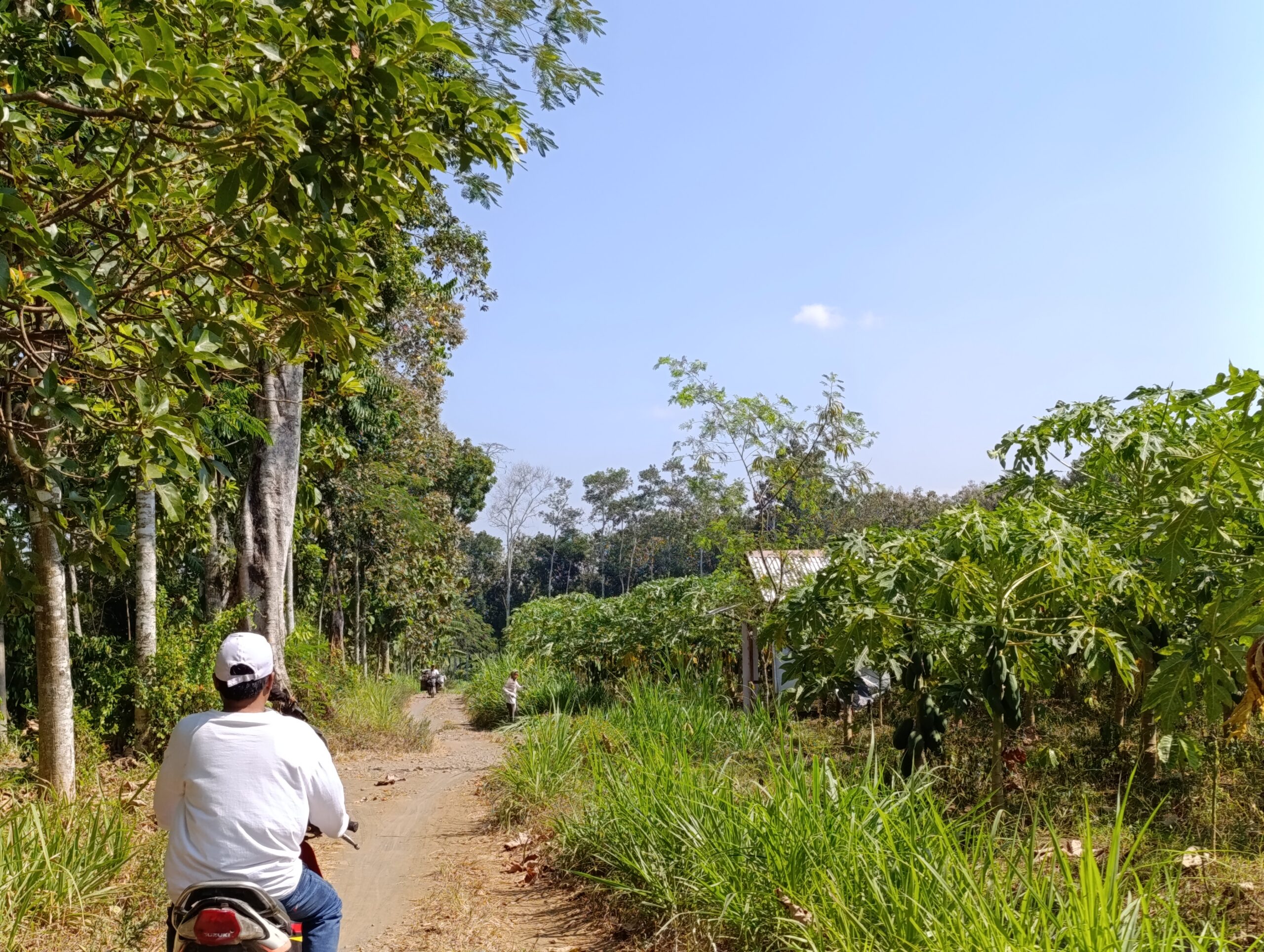
To understand the scale of the opposition, one must look at the economic data generated by the Gapoktanhut Jati Jaya. The 55.25 hectares targeted for the battalion base are managed using an agroforestry or "tumpangsari" system, where various crops are grown in tandem to ensure year-round income and ecological stability. This is not a monoculture plantation but a diverse ecosystem of production.
Within these plots, Robusta coffee serves as the primary annual "savings" crop. Interspersed with the coffee trees are corn, papayas, bananas, chili peppers, and tobacco. The diversity of crops allows for a tiered income stream:
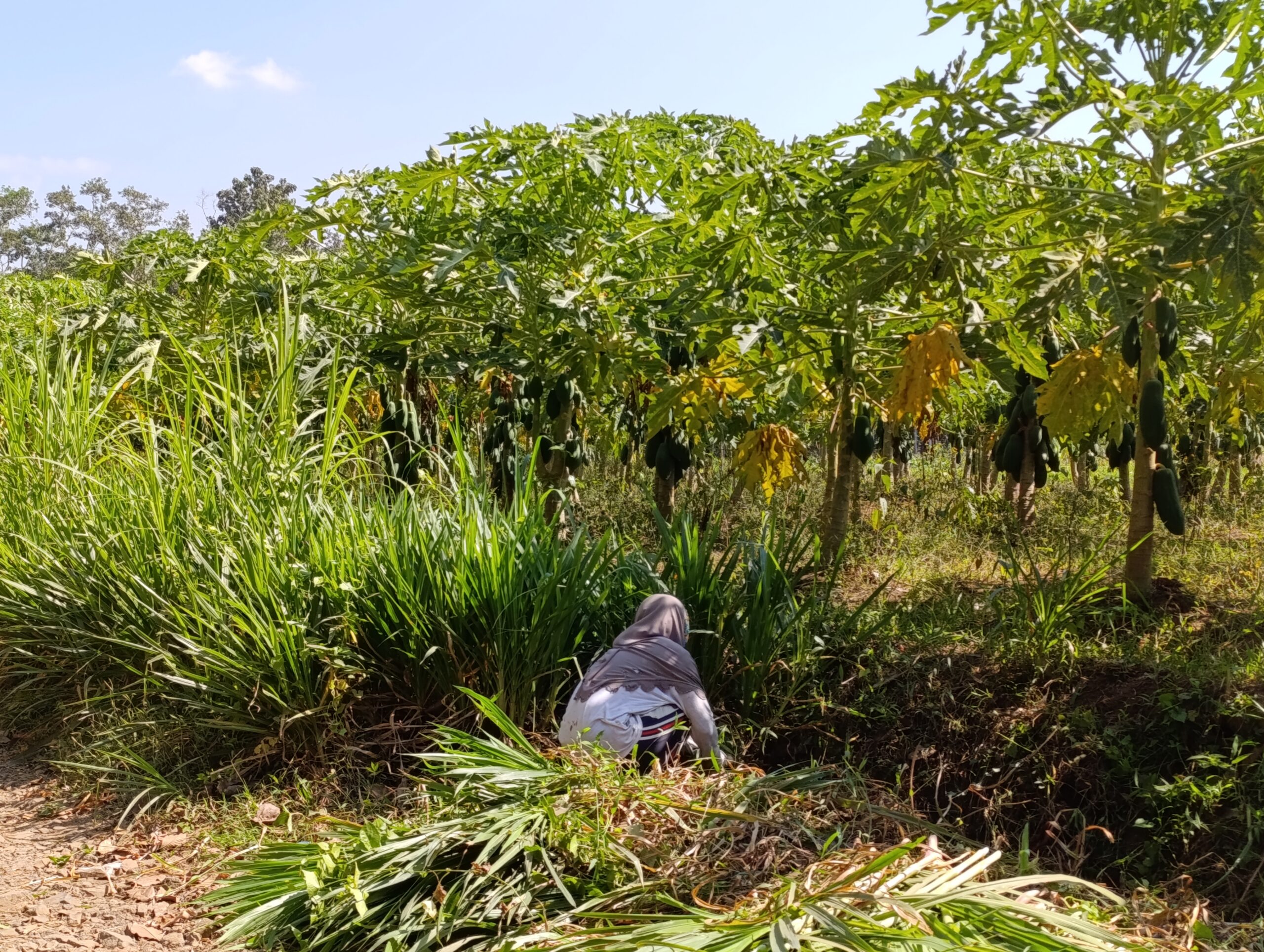
- Daily/Weekly Income: Papayas and vegetables are harvested throughout the year to cover immediate household needs.
- Seasonal Income: Corn and tobacco provide larger influxes of cash, typically used for children’s education fees and agricultural inputs.
- Annual Income: The coffee harvest provides the largest single payment, allowing families to invest in long-term assets or home improvements.
According to data compiled by the Gapoktan, the total economic output of these 55.25 hectares is estimated at approximately Rp11.83 billion per year. When broken down, this translates to an average monthly income of Rp4.48 million per family. This figure is significantly higher than the Jember Regency Minimum Wage (UMK), which currently sits around Rp3 million. For the residents of Silo, the forest is not a wilderness to be cleared; it is a successful, self-sustaining economic zone that keeps hundreds of families above the poverty line.
Legal Status and the KHDPK Framework
The conflict in Silo is rooted in a complex shift in Indonesian forestry policy. Imam Bukari, representing the Jember Regional Forestry Office (CDK), clarified that the land in question was formerly managed by the state-owned forestry company, Perhutani. However, in 2022, the status of the land changed following the issuance of the Minister of Environment and Forestry’s Decree (SK) No. 287/2022 regarding the Special Management Forest Area (KHDPK).
This policy was designed to redistribute forest management in Java, moving it away from Perhutani’s exclusive control and toward community-based Social Forestry. By late 2024, the Gapoktanhut Jati Jaya successfully secured an SK for Community Forestry (HKm), covering a total of 1,730 hectares, including the 55.25 hectares now targeted by the Ministry of Defense.
The CDK has emphasized that because the land is now legally recognized as a Social Forestry area, any change in use must follow strict administrative procedures. Imam Bukari noted that his office only became aware of the military’s plan in May 2026 and questioned why the initial coordination had seemingly been directed toward Perhutani, which no longer holds authority over that specific acreage. "If the community’s status is not yet clear, it must be cleared first through mediation and the mechanisms regulated by law," Bukari stated.
Official Responses and Strategic National Interests
From the perspective of the military, the Development Territorial Battalion is a Strategic National Program. Letkol Inf. Rifqi Muhammad Syuhada, Commander of the 0824/Jember District Military Command, explained that the battalion is designed to be a multi-functional unit. Beyond defense, it is intended to act as a hub for food security, disaster response, and regional economic stimulation.
Acknowledging the backlash, Letkol Rifqi stated that the TNI is currently in an evaluation phase. "We should have started the implementation, but given the issues that have emerged, we are evaluating and opening a space for audience," he said. He maintained that while the land is technically state property, the military recognizes that there are rules and existing community interests that must be addressed.
The Jember DPRD has taken a role as a mediator in this dispute. Ahmad Halim, Chairman of the Jember DPRD, urged all parties to practice "tabayun" (seeking clarification) to find a solution that does not disadvantage the local population. He acknowledged the government’s strategic needs but stressed that state programs should not result in the impoverishment of its citizens. The DPRD’s stance is that development should ideally accommodate both national security and the economic rights of the farmers.
Broader Implications for Social Forestry in Indonesia
The situation in Silo is a microcosm of a larger struggle occurring across Indonesia, where the goals of Social Forestry often clash with large-scale infrastructure and "Food Estate" projects. The Social Forestry program was launched by the central government as a flagship initiative to reduce agrarian conflict, alleviate rural poverty, and ensure forest conservation through community stewardship. By granting 35-year management rights, the state essentially promised farmers long-term security.
However, the emergence of the Development Territorial Battalion project suggests a potential policy friction. If lands that have already been granted "Social Forestry" status can be reclaimed for other state interests without comprehensive consultation, it undermines the legal certainty of the entire program. Analysts suggest that if the government proceeds without a win-win solution, it could set a precedent that discourages farmers from investing in sustainable agroforestry, fearing that their efforts could be erased by a sudden change in land designation.
Current Status and the Path Forward
As of late June 2026, representatives from the Jati Jaya Gapoktan have sought further clarification from the Social Forestry and Environmental Partnership Center (BPSKL) for the Java Region in Yogyakarta. The head of BPSKL, Wahyudi Ardhiyanto, reportedly indicated that the construction of the battalion base has been temporarily postponed. The BPSKL reminded the relevant ministries that all administrative requirements, particularly those concerning the change of forest status and community rights, must be fully resolved before any physical work begins.
For the 220 families in Silo, this postponement provides a temporary reprieve, but the threat remains. They continue to advocate for their right to remain on the land, arguing that their existing agroforestry system already fulfills the government’s "food security" objectives more effectively and equitably than a military-led project might. The community remains vigilant, holding onto their 35-year management permits as their primary legal shield against displacement.
The resolution of the Silo dispute will likely serve as a landmark case for how the Indonesian government balances its "Strategic National Programs" with its commitments to agrarian reform and community-based forest management. For now, the farmers of Jati Jaya continue to tend to their coffee and tobacco, hoping that the drones they saw in the sky do not signal the end of their way of life.