Nila Kartika Wati
The preservation of Indonesia’s indigenous communities has reached a critical juncture where the protection of physical territory is no longer sufficient to ensure their survival; rather, it must be integrated with the safeguarding of ancestral knowledge, languages, and traditional value systems that have been passed down through generations. During the national data launch of the Indigenous Peoples and Local Communities Conserved Areas and Territories (ICCAs) 2026 in Jakarta, advocates and experts highlighted a growing crisis where the loss of "living space" directly translates to the permanent erasure of cultural identities and ecological wisdom. Wiwin Indiarti, a representative of the Osing Indigenous community from Banyuwangi, emphasized that the protection of indigenous regions must encompass the "good practices" within them—the specific terminologies, rituals, and values that define the human relationship with the natural world.
The struggle for indigenous rights in Indonesia is increasingly characterized by a dual battle: one against the physical encroachment of extractive industries and another against the "cultural amnesia" caused by the displacement of people from their ancestral lands. For many communities, such as the Osing, the threat is not merely the loss of a forest or a garden, but the severance of the linguistic and spiritual ties that bind them to those environments. When a community loses its land, it loses the laboratory of its knowledge, leading to a breakdown in the transmission of traditional ecological knowledge (TEK) that is essential for sustainable environmental management.
The Osing People and the Struggle for Legal Recognition
The Osing people of Banyuwangi, East Java, serve as a poignant case study for the legislative hurdles facing indigenous groups in Indonesia. Since 2016, the Osing community has been actively campaigning for formal recognition of their status as an indigenous group. However, their efforts have been met with bureaucratic resistance and legislative dilution. In 2017, the local government passed a regulation (Perda) concerning the Preservation of Cultural Heritage, but it notably omitted a specific and explicit mention of the Osing as an "Indigenous People" (Masyarakat Adat). This omission is not merely a semantic issue; it has profound legal implications for their right to manage ancestral territories.
The situation worsened during the 2022-2023 period when draft regulations were being discussed. Advocates noticed that the term "Osing Indigenous Community" was frequently removed from the titles and articles of the proposed laws. This trend toward "de-identifying" indigenous groups is viewed by community leaders as a form of systemic discrimination. Wiwin Indiarti noted that the Osing do not wish to be relegated to ceremonial roles, where they are invited to government events to perform dances or display traditional attire without having a seat at the decision-making table regarding land use and regional development. The demand is for "meaningful involvement"—a legal framework that recognizes their sovereignty and their unique way of life as a cohesive system rather than a collection of aesthetic artifacts.
The Fragility of Oral Tradition and the Transmission Gap
A significant challenge in preserving indigenous culture lies in the nature of the knowledge itself, which is predominantly oral. Geger Rianto, a social anthropologist from the University of Indonesia, explains that indigenous knowledge is rarely codified in books or written documents. Instead, it is "lived" through daily practices, rituals, and communal labor. This makes the knowledge exceptionally vulnerable to environmental and social changes. If the physical space where these practices occur is destroyed or repurposed for industrial use, the knowledge associated with that space has no venue for expression and eventually disappears.
Rianto cites the practice of Sasi in Maluku—a traditional system of resource management that dictates when certain crops or fish can be harvested—as an example of how culture and ecology are intertwined. If the sea or the forest where Sasi is practiced is handed over to a private corporation, the ritual loses its function, and the wisdom regarding seasonal cycles and biodiversity conservation is lost.
Furthermore, the "transmission gap" is widening due to the migration of indigenous youth to urban centers. Driven by economic necessity, the pursuit of formal education, and the allure of modern lifestyles, many young members of indigenous communities are leaving their ancestral homes. This migration breaks the chain of oral transmission. When the elders pass away without having a younger generation to mentor in the field, centuries of ecological data and linguistic nuances vanish. While some youth groups, such as those in the Osing community, have shown leadership potential, their numbers remain insufficient to counter the broader trend of cultural erosion.
Political Stagnation and the Indigenous Peoples Bill
The broader political landscape in Indonesia offers little comfort to those seeking to protect indigenous territories. Erasmus Cahyadi, Deputy Secretary General of the Alliance of Indigenous Peoples of the Archipelago (AMAN), expressed a growing sense of pessimism regarding the legislative progress at the national level. The Indigenous Peoples Bill (RUU Masyarakat Adat) has been languishing in the Indonesian House of Representatives (DPR) for over 16 years. Despite repeated inclusions in the National Legislation Program (Prolegnas), the bill has failed to pass, often stalled by conflicting interests from the mining, palm oil, and forestry sectors.
In the absence of a strong national law, indigenous territories are increasingly vulnerable to "National Strategic Projects" (PSN). In regions like Flores, geothermal energy projects and mining operations are encroaching on lands that communities have inhabited for centuries. In Papua, large-scale food estate projects and energy initiatives continue to threaten some of the world’s last remaining primary rainforests. AMAN argues that the lack of legal recognition is a deliberate strategy to facilitate the conversion of indigenous lands into industrial concessions. Without a legal "subject" (the indigenous people), the "object" (the land) is treated as state land that can be leased to the highest bidder.
The ICCAs 2026 and the Concept of Biocultural Conservation
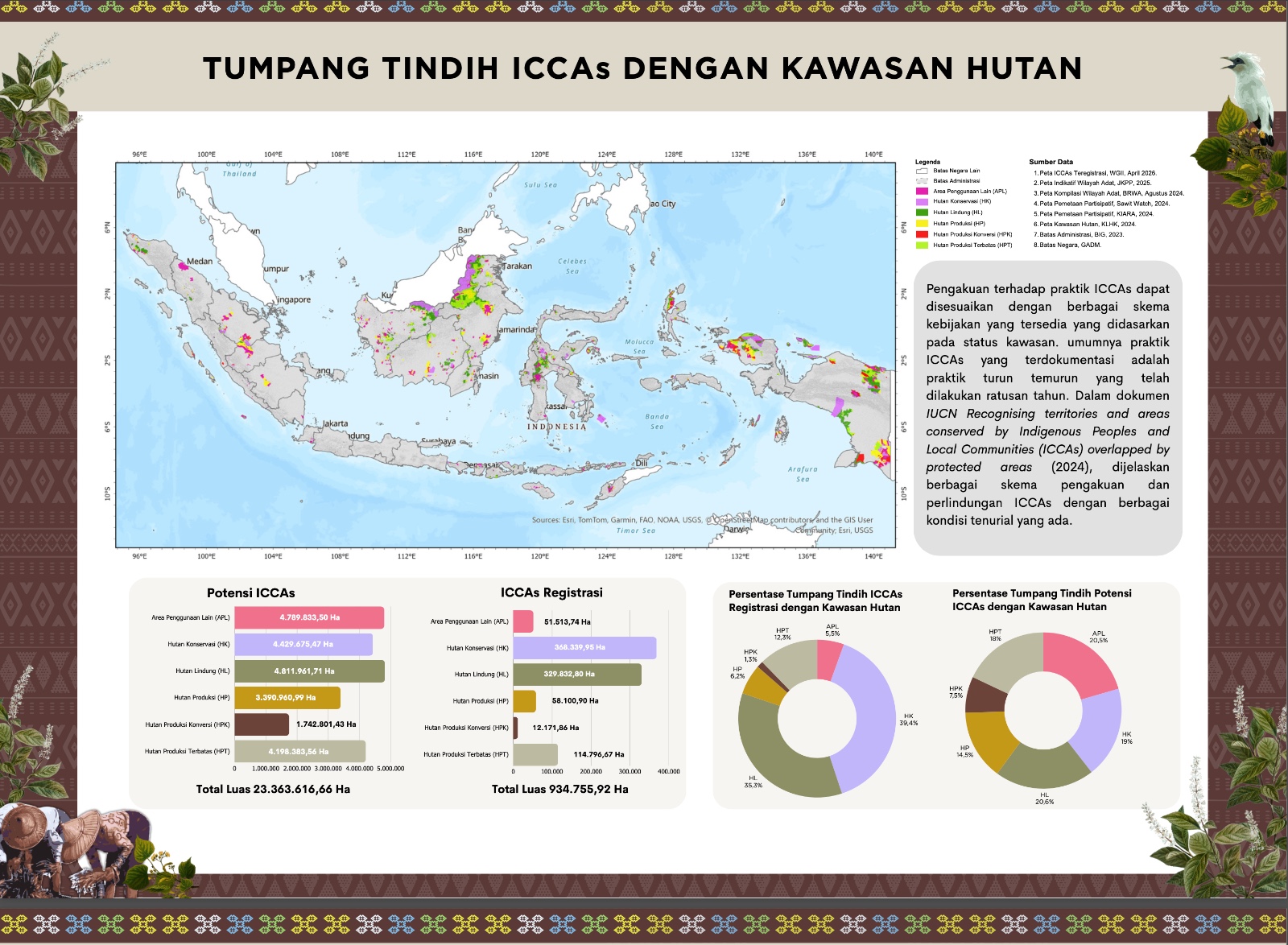
The launch of the National Data for Indigenous Peoples and Local Communities Conserved Areas and Territories (ICCAs) 2026 represents a critical effort to document and map the extent of indigenous-led conservation in Indonesia. Cindy Julianty, Executive Coordinator of the Working Group ICCAs Indonesia (WGII), stated that the data serves as a reminder that conservation is not just about protecting biological species; it is about protecting "biocultural diversity."
The ICCA framework recognizes that many of the most biodiverse regions in the world are those managed by indigenous peoples. Their traditional laws (Hukum Adat) often include strict prohibitions against over-exploitation, guided by spiritual beliefs and a long-term view of resource sustainability. The 2026 data indicates that indigenous-led conservation often outperforms state-managed protected areas in terms of preventing deforestation and maintaining ecosystem services. However, these areas are rarely recognized in official government conservation maps, leading to overlaps where state-designated "protected forests" or "industrial forests" are superimposed over existing indigenous territories.
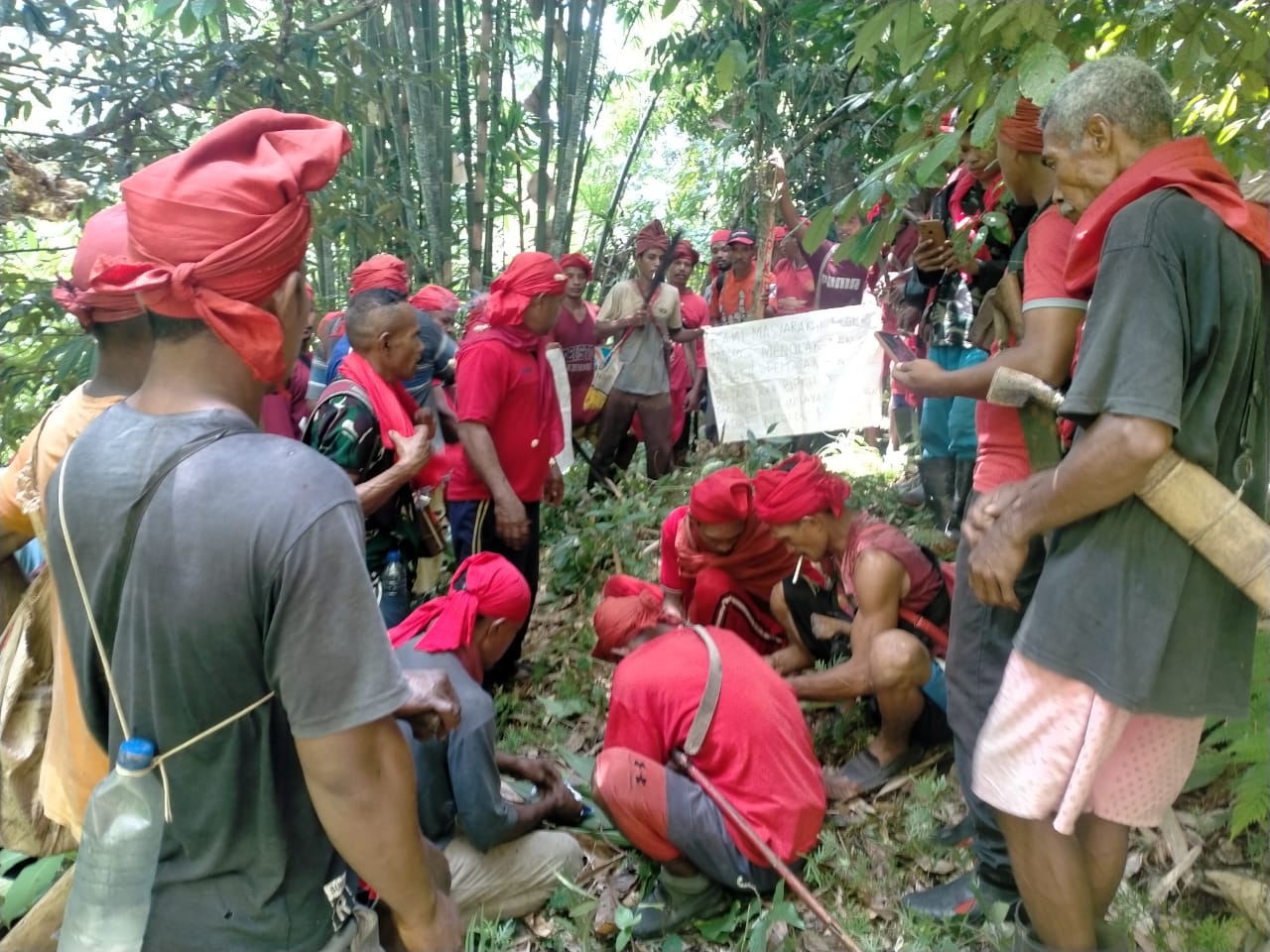
This overlap creates a paradox where the state may criminalize indigenous people for practicing traditional farming or hunting in areas that the government has recently reclassified as "conservation zones," ignoring the fact that it was the indigenous community’s stewardship that preserved the area’s value in the first place.
Chronology of Indigenous Rights Milestones and Setbacks (2013-2026)
To understand the current crisis, it is necessary to look at the timeline of indigenous advocacy and government response over the past decade:
- 2013: MK 35 Ruling. The Constitutional Court (Mahkamah Konstitusi) issued a landmark ruling stating that "Customary Forests are not State Forests." This was expected to trigger a massive return of land to indigenous communities.
- 2016-2017: The Osing Initiative. In Banyuwangi, the Osing community began formal efforts for recognition. However, the resulting local regulation (Perda 2017) focused on "cultural heritage" rather than "indigenous rights," failing to provide land security.
- 2018-2021: Expansion of PSN. The government accelerated National Strategic Projects, leading to increased land conflicts in Rempang, Wadas, and various parts of Papua and Sulawesi.
- 2022-2023: Legislative Erasure. During the revision of local regulations in various districts, including Banyuwangi, the specific identities of indigenous groups were often removed from legal drafts, replaced by generic terms that offer less protection.
- 2024-2025: Stalling of RUU Masyarakat Adat. Despite being a campaign promise for multiple administrations, the Indigenous Peoples Bill remained unpassed, leading to a "legal vacuum" that favors extractive industries.
- 2026: ICCA Data Launch. The publication of comprehensive maps showing millions of hectares managed by indigenous communities, highlighting the discrepancy between community-managed reality and state-recognized land titles.
Impact Analysis: The Cost of Losing Indigenous Spaces
The implications of failing to protect indigenous territories are far-reaching. From an environmental perspective, the loss of indigenous stewardship often leads to rapid land degradation. Indigenous communities act as the "frontline" against illegal logging and poaching. When they are displaced, these areas often fall victim to unregulated exploitation.
From a social perspective, the displacement of indigenous peoples contributes to the loss of Indonesia’s "collective memory." As Geger Rianto noted, the stories, languages, and rituals tied to the land are part of the nation’s cultural wealth. Once a language dies because its speakers have been dispersed into urban slums, a unique way of understanding the world—including unique medicinal knowledge and agricultural techniques—is lost forever.
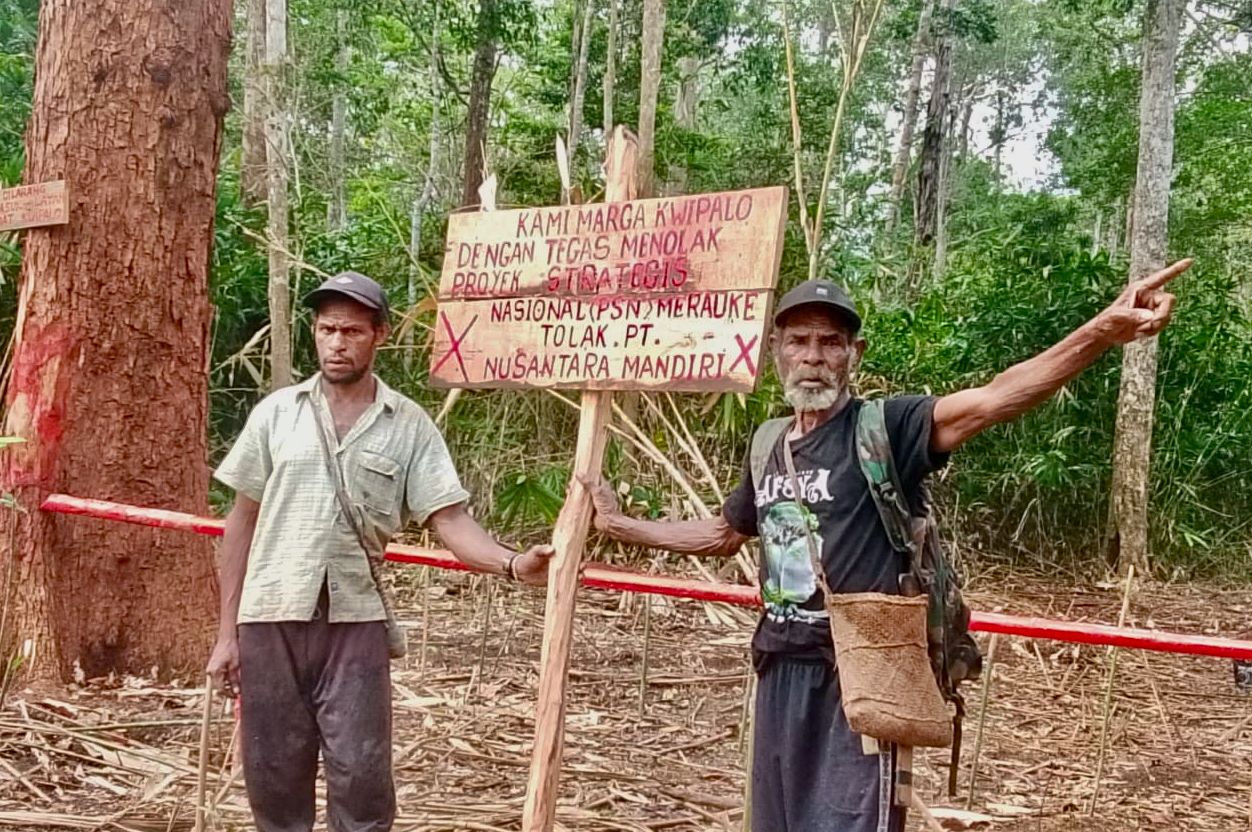
Economically, while extractive projects provide short-term revenue, the long-term cost of losing ecosystem services (such as clean water, carbon sequestration, and flood prevention) provided by indigenous-managed forests far outweighs the immediate gains. Furthermore, the social cost of land conflicts—including the criminalization of activists and the disruption of local economies—creates long-term instability.
Conclusion: A Call for Biocultural Sovereignty
The message from the ICCAs 2026 forum is clear: the future of Indonesia’s biodiversity is inextricably linked to the sovereignty of its indigenous peoples. Conservation can no longer be a top-down, state-driven process that excludes the very people who have lived in harmony with the land for millennia. Instead, there must be a shift toward "biocultural sovereignty," where the rights to land, language, and knowledge are recognized as a single, indivisible entity.
To move forward, the Indonesian government must prioritize the passage of the Indigenous Peoples Bill and ensure that local regulations provide explicit recognition and decision-making power to groups like the Osing. Without these protections, the "living spaces" of Indonesia’s indigenous communities will continue to shrink, taking with them the ancient wisdom that may hold the keys to surviving the global climate crisis. The protection of the forest must begin with the protection of the people who call it home.