Nila Kartika Wati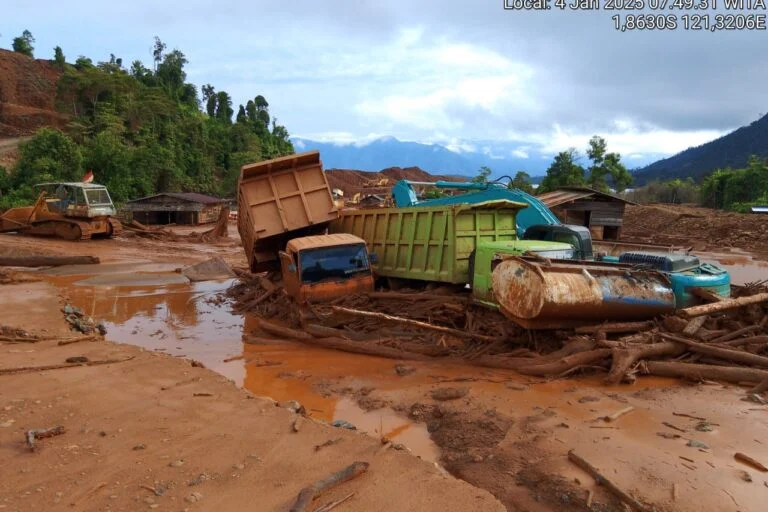
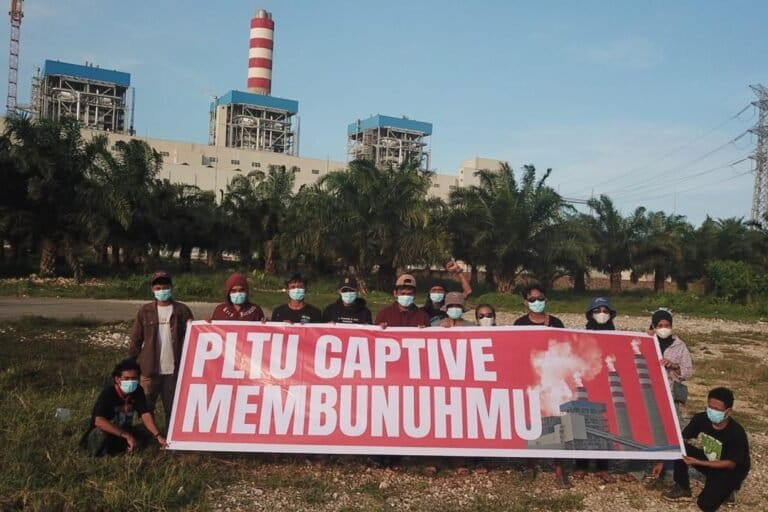
The rapid expansion of nickel industrial zones in Morowali and North Morowali, Central Sulawesi, has triggered a profound humanitarian and environmental crisis, according to a comprehensive study released by the Indonesian National Commission on Human Rights (Komnas HAM). The report underscores a harrowing reality where the pursuit of global energy transition goals has come at the expense of local communities, manifesting in widespread respiratory illnesses, catastrophic environmental degradation, and systemic labor rights violations. Komnas HAM’s findings suggest that the physical living space of residents is being systematically dismantled, not only through land clearing but through the pervasive contamination of the air by metallic dust and high-intensity emissions from nickel smelters and captive coal-fired power plants.
A Public Health Emergency: The Surge of Respiratory Illness
The statistical evidence presented in the Komnas HAM report paints a grim picture of the public health landscape in Central Sulawesi. Data from the Provincial Health Office indicates a staggering spike in Acute Respiratory Infection (ISPA) cases, which reached 305,191 in the latest reporting period, up significantly from 262,160 cases in the previous year. Morowali Regency has emerged as the epicenter of this health crisis, recording 57,190 cases, the majority of which are concentrated in the immediate vicinity of nickel purification industrial complexes.
By January 2025, the Morowali Regency Government recorded 51,850 cases within a single month, effectively positioning the regency as the area with the highest prevalence of ISPA in Indonesia. The Bahodopi District, which serves as the primary hub for the Indonesia Morowali Industrial Park (IMIP), remains the most severely affected zone. Uli Parulian Sihombing, Coordinator of the Sub-Commission for Human Rights Enforcement at Komnas HAM, noted that the correlation between industrial activity and declining air quality is undeniable. Residents living in the shadows of these smelters are subjected to what they term "permanent fog"—a thick, suffocating shroud of industrial dust and chemical vapors that never lifts from their homes and streets.
Beyond respiratory issues, the report highlights an alarming increase in HIV/AIDS cases within the industrial circle. This surge is attributed to massive, unregulated population migration. As tens of thousands of workers flock to the region in search of employment, the social infrastructure has failed to keep pace, leading to high-risk social environments without adequate health monitoring or social safeguards.
Institutional Failure in Healthcare Infrastructure
The health crisis is exacerbated by a near-total collapse of medical support systems. In Bahodopi, a district housing tens of thousands of workers and residents, there is only one public health center (Puskesmas) and one industrial clinic. Patients frequently report waiting in queues for hours, often failing to receive treatment due to the sheer volume of cases.
The disparity between the workforce size and available medical facilities is stark. In some industrial zones, individual companies employ upwards of 90,000 workers yet provide only a single clinic. These facilities are often ill-equipped, designed only to handle minor health issues with a capacity of 10 to 20 patients per day. In North Morowali, one clinic reported handling 4,000 patients by August 2025 alone, with the most common ailments being ISPA, dyspepsia, and dental caries.
The lack of emergency medical facilities inside these massive industrial complexes significantly increases the risk of mortality for workers involved in industrial accidents. Furthermore, bureaucratic hurdles prevent timely access to care. Workers are often required to obtain written permission or complete complex company forms before they are allowed to seek medical attention, a process that can be fatal in emergency situations.
Environmental Devastation and the "97 Percent Waste" Problem
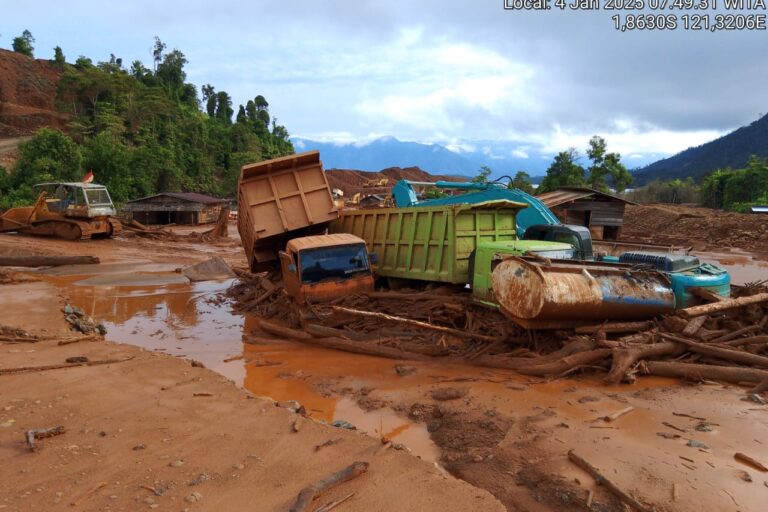
The environmental toll of the nickel boom is equally catastrophic. Komnas HAM’s investigation found that the massive land clearing required for extractive industries has led to a dramatic acceleration of deforestation. Data shows that forest loss in the region expanded from 3,565.8 hectares in 2016 to a staggering 11,355 hectares by 2020. This loss of forest cover has not only destroyed local biodiversity but has also increased the vulnerability of the region to natural disasters, such as flash floods and landslides.
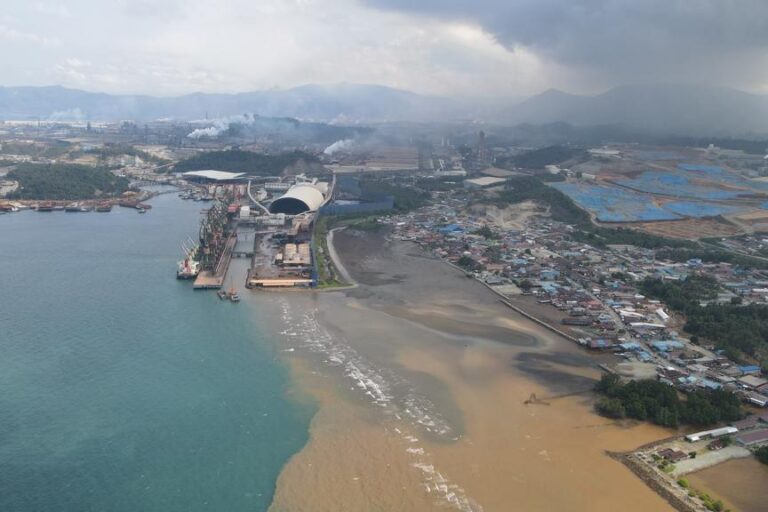
Water pollution has reached critical levels, with rivers and coastal waters changing color due to industrial runoff. Komnas HAM’s testing revealed that wastewater parameters at several mining sites far exceed legal thresholds. Specifically, the levels of Biochemical Oxygen Demand (BOD) have spiked, effectively suffocating aquatic ecosystems. The report found that many mining companies operate without standardized Wastewater Treatment Plants (IPAL), fail to measure discharge volumes, and neglect to report the disposal of hazardous and toxic waste (B3).
Perhaps the most damning statistic highlighted by Komnas HAM is the waste-to-product ratio. Citing data from the Ministry of Environment, the commission noted that the processing of nickel ore is incredibly inefficient: only 3% of the processed material results in usable nickel, while the remaining 97% is discarded as waste. This massive volume of tailings and slag creates a logistical and environmental nightmare, often resulting in illegal dumping or poorly managed waste sites that threaten the long-term viability of the local environment.
Labor Rights and the "Wait for Death" Sentiment
The human cost of nickel production is most visible among the workers who operate the smelters. Nikasi Ginting, Chairperson of the Federation of Mining and Energy (DPP FPE KSBSI), described the living and working conditions as "unfit for human habitation." In many areas, residential settlements are located as close as 50 meters from industrial smokestacks.
On the production floor, workers face extreme hazards. Smelters operate at temperatures between 1,500 and 1,800 degrees Celsius, yet workers frequently report a lack of adequate Personal Protective Equipment (PPE). This has led to a grim saying among the workforce: that being a nickel laborer is simply "waiting to die." Chronic lung damage is common, and the frequency of fatal accidents has reached an alarming rate.
The timeline of recent tragedies underscores the danger:
- March 2025: Three contract workers were killed in an industrial accident.
- February 18, 2026: A massive landslide at the QMB waste dumping area resulted in the death of another worker.
- Ongoing: Multiple reports of workers collapsing due to heat exhaustion or respiratory failure.
Iwan Kusmawan, of the National Workers Union (SPN), pointed out that the oversight mechanism is virtually non-existent. For the entire Morowali Nickel Industrial Zone, there are only 10 to 20 labor inspectors. This lack of supervision allows companies to ignore safety protocols with impunity. Furthermore, the report identifies a disturbing trend of discrimination, where local workers receive lower wages and inferior housing and food facilities compared to Foreign Workers (TKA), despite holding the same positions and responsibilities.
Regulatory Paralysis and the Struggle for Unionization
In the face of these violations, workers have attempted to organize, but they face systematic "union busting." Tactics include the unilateral termination of union members and the intimidation of labor leaders. While the Ministry of Manpower claims to be utilizing digital detection tools to monitor labor violations, the Diretur Bina Sistem Pengawasan Ketenagakerjaan, Yuli Adiratna, admitted that the shortage of inspectors is a major hurdle. Currently, inspectors must be Civil Servants (ASN), and the recruitment process is too slow to meet the needs of the rapidly expanding industrial sector.
Komnas HAM has called for an immediate integration of human rights principles into the management of the nickel industry. Atnike Nova Sigiro, Coordinator of the Sub-Commission for Human Rights Promotion, emphasized that the global ambition for a "green" energy transition must not come at the cost of basic human rights. As the "duty bearer," the Indonesian state has a legal and ethical obligation to ensure that the nickel industry operates within a framework that respects the life, health, and security of its citizens.
Analysis: The Paradox of the Green Transition
The situation in Morowali presents a profound paradox for the global climate movement. The nickel produced in these smelters is a critical component for the lithium-ion batteries that power electric vehicles (EVs), which are marketed as the solution to global carbon emissions. However, the production process in Central Sulawesi is heavily reliant on captive coal power plants, leading to a high carbon footprint and localized environmental destruction.
The "Just Transition" framework, often cited in international climate agreements, suggests that the move to a low-carbon economy should be fair and inclusive. However, the Komnas HAM report suggests that in Indonesia, the transition is currently "unjust." The exploitation of local communities and the degradation of their environment to provide "clean" energy for the global North represents a new form of ecological debt.
For the Indonesian government, the challenge lies in balancing economic growth and its ambition to become a global EV battery hub with its constitutional mandate to protect its people. Without a significant overhaul of the regulatory framework, increased transparency in waste management, and a genuine commitment to labor safety, the nickel industry in Morowali risks becoming a permanent monument to industrial negligence and human rights failure. The recommendations from Komnas HAM serve as a critical warning: if the current trajectory continues, the social and environmental costs may soon outweigh the economic benefits of the nickel boom.