Nasution Nanang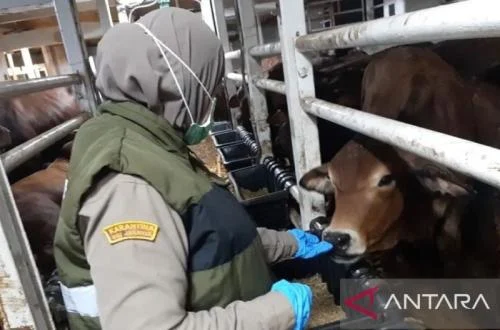
AMBON, MALUKU – With Eid al-Adha 2026 on the horizon, the Maluku Animal, Fish, and Plant Quarantine Agency (BKHIT Maluku), in close collaboration with the Maluku Provincial Agriculture Office, has initiated a comprehensive and stringent oversight program for the inter-regional movement of sacrificial animals. This proactive measure is designed to meticulously guarantee the health, safety, and overall eligibility of livestock intended for the Qurban ritual, thereby safeguarding public health and protecting the local livestock industry from potential disease outbreaks. The heightened surveillance forms a critical component of a broader national strategy to maintain biosecurity across the Indonesian archipelago, particularly during periods of increased animal traffic.
The Mandate for Health and Safety: A Preemptive Approach to Biosecurity
The BKHIT Maluku, as the primary government entity responsible for agricultural quarantine, plays an indispensable role in preventing the entry and spread of animal diseases, pests, and invasive species into and within the Maluku region. Its mandate extends to facilitating safe and compliant trade in agricultural commodities, including livestock. The intensified supervision ahead of Eid al-Adha 2026 underscores the agency’s commitment to these responsibilities, especially given the heightened risks associated with increased animal movement.
Willy Indra Yunan, the Head of BKHIT Maluku, emphasized that the robust oversight program is built upon solid coordination with local government bodies and extensive socialization efforts directed at all relevant stakeholders. These stakeholders include livestock farmers, traders, transporters, and even community leaders involved in the Qurban process. The aim of this outreach is to ensure widespread understanding and adherence to established procedures for animal traffic, health examination protocols, and the crucial requirement for complete quarantine documentation. This collaborative framework is viewed as an essential preventative shield against the potential introduction and dissemination of infectious animal diseases within Maluku’s territory.
The legal bedrock for this intensified effort is the Deputy Head of Animal Quarantine Decree Number 17 of 2026, which specifically mandates the strengthening of Qurban animal supervision. This decree reflects a national imperative to bolster animal health security, drawing lessons from past experiences with highly contagious diseases that have severely impacted Indonesia’s livestock sector. While the original article does not explicitly name specific diseases, the context of "preventing the spread of infectious animal diseases" implicitly refers to threats such as Foot and Mouth Disease (FMD), Lumpy Skin Disease (LSD), African Swine Fever (ASF), and Avian Influenza (AI), which have periodically posed significant challenges to Indonesia’s animal health landscape and food security. The economic and social devastation caused by such outbreaks necessitates a rigorous, pre-emptive approach, making decrees like this vital instruments in the nation’s biosecurity arsenal.
The Maluku Provincial Agriculture Office complements BKHIT’s efforts by providing crucial local context, engaging with farmers at the grassroots level, and assisting in the logistical aspects of inspections and public awareness campaigns. Their involvement ensures that national directives are adapted and effectively implemented within Maluku’s unique geographical and socio-economic conditions, fostering a unified front against potential animal health threats.
Comprehensive Surveillance and Enforcement Measures: A Multi-layered Strategy
The heightened supervision program involves a multi-pronged approach, encompassing meticulous planning, active field operations, and a commitment to legal enforcement. The chronology of these efforts typically begins well in advance of the Eid al-Adha festival.
Pre-Eid Preparations: Initial phases involve inter-agency coordination meetings where BKHIT Maluku, the Provincial Agriculture Office, local police, and relevant district-level authorities strategize and allocate resources. Risk assessments are conducted to identify potential high-risk areas for animal sourcing and transit routes. This includes mapping traditional supply chains, identifying potential new entry points for livestock, and evaluating the health status of animal populations in various districts. Public awareness materials are prepared, detailing the requirements for healthy animals, necessary documentation, and potential penalties for non-compliance. These early interventions are critical for setting the stage for effective implementation.
On-the-Ground Implementation: As Eid al-Adha draws closer, the focus shifts to active surveillance and enforcement:
-
Health Inspections: Veterinary officers are deployed to conduct thorough health examinations of Qurban animals. These inspections occur at several points: at the animals’ origin farms, during transit at ports or airports for inter-island movement, and upon arrival at destination markets or designated holding areas. Inspections involve checking for visible signs of illness, physical abnormalities, and general well-being. In cases of suspicion, samples may be collected for laboratory testing to confirm or rule out specific diseases. Animals found to be unhealthy or showing symptoms of contagious diseases are immediately isolated and, if necessary, rejected for Qurban.
-
Document Verification: A crucial aspect of the oversight is the verification of complete quarantine documents. This includes the Animal Health Certificate (Surat Keterangan Kesehatan Hewan – SKKH) issued by a licensed veterinarian at the point of origin, certifying the animal’s healthy status and suitability for movement. For animals transported across provincial borders, a Certificate of Origin (Surat Keterangan Asal – SKA) and a Quarantine Certificate issued by BKHIT at the departure point are mandatory. These documents are vital for tracing the animal’s provenance, ensuring transparency, and facilitating rapid response in case of a disease outbreak. Without proper documentation, animals are not permitted to enter or move within Maluku.
-
Biosecurity Protocols: Throughout the transport and handling process, strict biosecurity measures are enforced. This includes the disinfection of transport vehicles, holding pens, and market areas. Personnel handling animals are advised to adhere to hygiene protocols to prevent cross-contamination. These measures are particularly important in an archipelagic province like Maluku, where inter-island transport presents unique challenges and potential vectors for disease transmission.
-
Market Monitoring: Teams regularly monitor Qurban animal sales points to ensure that only healthy, properly documented animals are offered for sale. They also provide information to buyers about what to look for in a healthy animal and the importance of verified documentation.
-
Public Awareness Campaigns: The socialization efforts are continuous, aimed at educating not only stakeholders but also the general public. Information disseminated includes the criteria for healthy Qurban animals, the symptoms of common animal diseases, and channels for reporting suspicious cases or non-compliant practices.
Inter-island Movement Challenges: Maluku’s geography, comprising numerous islands, presents inherent complexities for animal movement and quarantine enforcement. The fragmented nature of the province means that animals often travel by sea, necessitating vigilant inspections at multiple ports and ferry terminals. The BKHIT Maluku emphasizes that these transit points are critical checkpoints to prevent the illicit movement of animals that could carry diseases.
Enforcement: The BKHIT Maluku has unequivocally stated its commitment to legal enforcement against violations that could trigger the spread of animal diseases. This includes penalties for transporting animals without proper health certificates or quarantine permits, which can range from fines to the confiscation of animals and legal prosecution. Such deterrents are essential to underscore the seriousness of the regulations and ensure compliance across the board.
The Significance of Qurban in Indonesia: A Deep-Rooted Tradition
Eid al-Adha, often referred to as the "Festival of Sacrifice," is one of the two most important holidays in the Islamic calendar. Celebrated annually by Muslims worldwide, it commemorates Prophet Ibrahim’s (Abraham’s) devotion to God, where he was willing to sacrifice his son, Ismail, before God provided a ram as a substitute. The ritual of Qurban, or sacrifice, involves slaughtering an animal (typically a sheep, goat, or cattle) and distributing its meat among family, friends, and the less fortunate.
In Indonesia, the country with the largest Muslim population globally, Eid al-Adha holds profound religious, social, and economic significance. Millions of animals are sacrificed annually across the archipelago, embodying acts of piety, charity, and community solidarity. The meat from Qurban animals is widely distributed, ensuring that even the most impoverished segments of society have access to protein, fostering a strong sense of communal welfare.
Beyond its religious tenets, the Qurban ritual plays a significant role in Indonesia’s agricultural economy. It creates a surge in demand for livestock, providing a crucial annual income boost for countless farmers and livestock breeders, particularly in rural areas. This economic dimension underscores the importance of ensuring the health and safety of these animals, not only for religious compliance and public health but also for sustaining the livelihoods of agricultural communities. The scale of this annual event nationally is immense, involving complex logistics and requiring robust regulatory oversight from agencies like BKHIT across all provinces.
Maluku’s Livestock Landscape and Demand Dynamics: Meeting Local Needs
Maluku, a province known for its rich marine resources, also possesses a developing livestock sector that plays a vital role in its local economy and food security. The demand for Qurban animals in Maluku is substantial, reflecting the province’s significant Muslim population. For Eid al-Adha 2026, the estimated need for Qurban animals in Maluku is projected to be around 1,340 head of cattle and 1,566 head of goats. These figures represent a considerable increase in animal traffic and transactions compared to regular periods, necessitating heightened vigilance.
The sourcing of these animals for Maluku can be diverse. While local breeding contributes a portion, many animals, particularly cattle, may be imported from other islands or provinces within Indonesia that have larger livestock populations, such as Nusa Tenggara Timur, Sulawesi, or Java. This inter-island movement further complicates the quarantine efforts, as each animal must pass through multiple checkpoints and comply with regulations at both origin and destination.
The pricing of Qurban animals in Maluku reflects market dynamics, transport costs, and the animals’ quality. Goats are typically priced between IDR 2 million to IDR 4 million per head, while cattle command prices ranging from IDR 15 million to IDR 30 million, depending on factors such as breed, weight, age, and overall health condition. These prices are influenced by feed costs, veterinary care, logistics challenges in an archipelagic region, and the seasonal surge in demand. Ensuring the health of these animals is not only a matter of compliance but also a key factor in maintaining their market value and ensuring fair trade practices for both sellers and buyers. For farmers and traders in Maluku, navigating the logistical hurdles of transporting animals between islands, coupled with ensuring compliance with stringent health regulations, presents a unique set of challenges that require continuous support and clear guidance from government agencies.
Voices from the Ground and Official Responses: A Collaborative Effort
The success of the intensified supervision program hinges on the cooperation and commitment of various stakeholders.
Willy Indra Yunan, Head of BKHIT Maluku, reiterated his agency’s unwavering dedication to upholding animal health standards. "We urge all business actors and the community to comply with these restrictions to maintain animal health and the safety of animal-derived food products," Yunan stated. He emphasized that the anticipated increase in animal traffic ahead of Eid al-Adha demands the readiness of all parties to ensure animal health and food safety. Yunan also implicitly underscored the importance of maintaining Maluku’s disease-free status, a critical factor for its agricultural economy and public confidence.
A representative from the Maluku Provincial Agriculture Office likely added that their office is committed to supporting local farmers in meeting the demand for Qurban animals while adhering to health protocols. They would emphasize training for farmers on animal husbandry best practices and facilitating access to veterinary services, ensuring that locally sourced animals are also healthy and compliant.
Farmers and livestock traders in Maluku, while acknowledging the necessity of stringent regulations, would likely express concerns about the increased costs and logistical complexities associated with compliance, particularly for inter-island transport. However, they would also recognize that healthy animals command better prices and maintain consumer trust, ultimately benefiting their livelihoods. "Ensuring our animals are healthy and well-documented is crucial for our business, especially during Eid al-Adha," one hypothetical farmer might comment, acknowledging the trade-off between compliance burden and market access.
Religious leaders and community representatives would commend the government’s efforts to ensure the sanctity and safety of the Qurban ritual. They would emphasize the religious obligation to offer healthy, unblemished animals for sacrifice, aligning perfectly with the government’s health mandates. Their endorsement would significantly bolster public cooperation with the regulations.
Consumers, particularly those participating in the Qurban, would undoubtedly welcome the enhanced oversight, providing them with greater assurance regarding the safety and quality of the meat they consume and distribute. This builds public trust in government institutions and the overall food supply chain.
At a broader level, national animal health authorities, such as the Directorate General of Livestock and Animal Health within the Ministry of Agriculture, would endorse Maluku’s proactive measures as part of a cohesive national strategy. They would stress the importance of regional efforts in creating a robust biosecurity shield for the entire country, highlighting that local vigilance contributes to national animal health resilience.
Broader Implications and Future Outlook: Sustaining Health and Economy
The intensified supervision of Qurban animals in Maluku carries significant broader implications beyond the immediate religious observance, touching upon public health, economic stability, food security, and regional biosecurity.
Public Health: The most direct implication is the protection of public health. By preventing the entry and spread of zoonotic diseases (diseases transmissible from animals to humans), the measures mitigate risks to consumers handling and consuming Qurban meat. This includes ensuring the meat is free from pathogens that could cause foodborne illnesses, thus safeguarding the community during a period of high meat consumption.
Economic Impact: The program is crucial for protecting Maluku’s nascent livestock industry. An outbreak of a highly contagious disease could devastate local herds, leading to massive economic losses for farmers, disrupting supply chains, and impacting provincial revenues. By ensuring healthy animals, the BKHIT helps maintain market stability, fair pricing, and sustained livelihoods for those dependent on livestock.
Food Security: Eid al-Adha is a period of peak demand for animal protein. The robust oversight ensures a safe and reliable supply of meat, contributing directly to food security in the province. It instills confidence in the food supply chain, an essential component of national resilience.
Regional Biosecurity: Maluku, strategically located in Eastern Indonesia, plays a critical role in the country’s overall biosecurity framework. Its archipelagic nature means it can act as both a gateway and a buffer zone for animal movements. Effective quarantine measures in Maluku are therefore vital for preventing diseases from spreading to other parts of Indonesia or, conversely, from entering the province from other regions.
Sustainability and Future Outlook: Looking ahead, the challenges for animal health management in Maluku will persist. These include vast geographical distances, limited resources for comprehensive monitoring in remote areas, and the ongoing need for farmer education and infrastructure development. The impacts of climate change, which can alter disease vectors and animal susceptibility, also present future considerations.
The BKHIT Maluku’s proactive stance exemplifies a commitment to continuous vigilance. Future efforts will likely explore technological solutions, such as digital traceability systems for livestock, to enhance efficiency and transparency in animal movement. Sustained collaboration among government agencies, industry stakeholders, and the community will remain paramount. By prioritizing animal health and safety, Maluku is not only ensuring a meaningful and safe Eid al-Adha 2026 but also laying the groundwork for a more resilient and sustainable livestock sector that benefits all its citizens.