Eko Sulistyo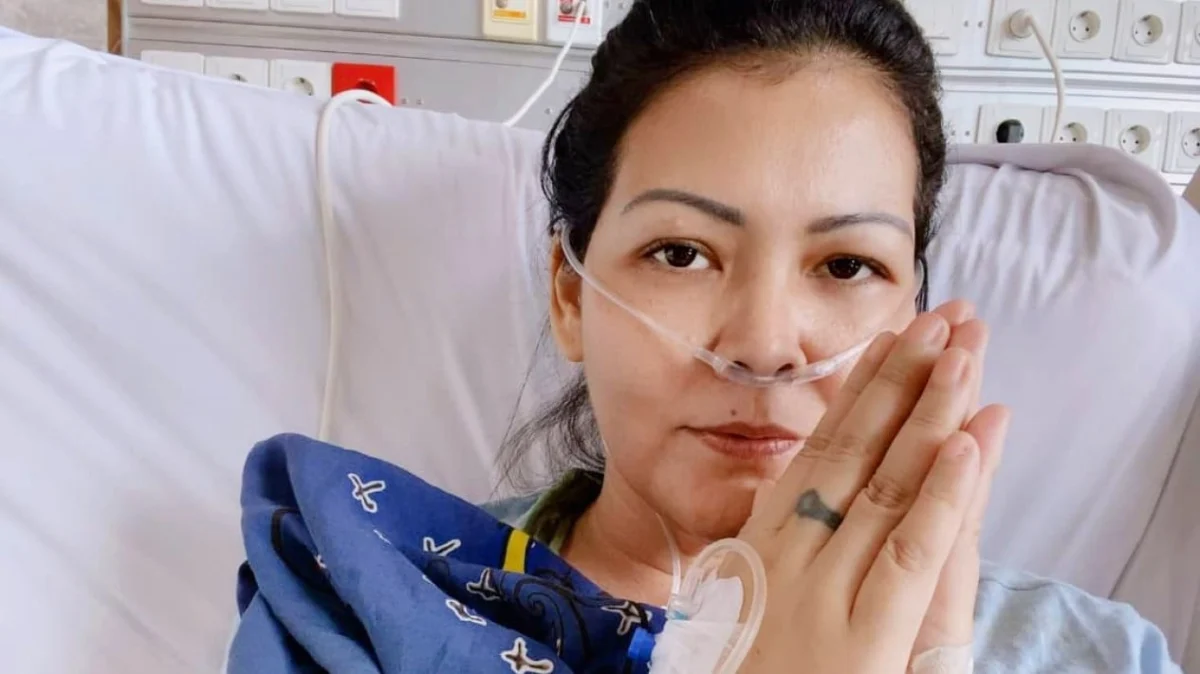
The legal proceedings surrounding a high-profile sexual abuse case at a prominent Islamic boarding school in Pati, Central Java, have taken a controversial turn following the suspect’s public declaration of repentance. Kiai Ashari, the head of the Ndolo Kusumo Islamic Boarding School (Pesantren), stands accused of the systematic sexual exploitation of dozens of female students, known as santriwati. While the local police have officially named him a suspect, his defense—centered on the claim that his actions were a "momentary lapse of judgment" or khilaf—has sparked a firestorm of criticism from human rights advocates and public figures, most notably the outspoken activist and musician Melanie Subono.
The case, which first came to light in early May 2026, has sent shockwaves through the religious and educational communities of Indonesia. As the investigation by the Pati Resort Police (Polresta Pati) deepens, the scale of the alleged crimes has expanded far beyond initial reports, painting a grim picture of a trusted religious authority figure allegedly using his position of power to groom and violate those under his care.
The Confession and the Defense of "Khilaf"
During a recent press conference held by the Pati Police, investigators revealed that Ashari had admitted to the acts but attempted to mitigate his legal and moral culpability by framing the abuse as a spiritual failure rather than a premeditated crime. Kompol Dika Hadian Widya Wiratama, the Head of the Criminal Investigation Unit at Polresta Pati, informed the media that the suspect had expressed remorse. "The suspect has admitted to the acts and also claimed to have had a momentary lapse (khilaf) and has since repented," Kompol Dika stated.
This specific choice of words—khilaf—is a culturally loaded term in Indonesia, often used to describe a singular, unintentional mistake or a temporary surrender to temptation. However, when applied to a case involving dozens of victims over a sustained period, the term has been met with intense skepticism and anger.
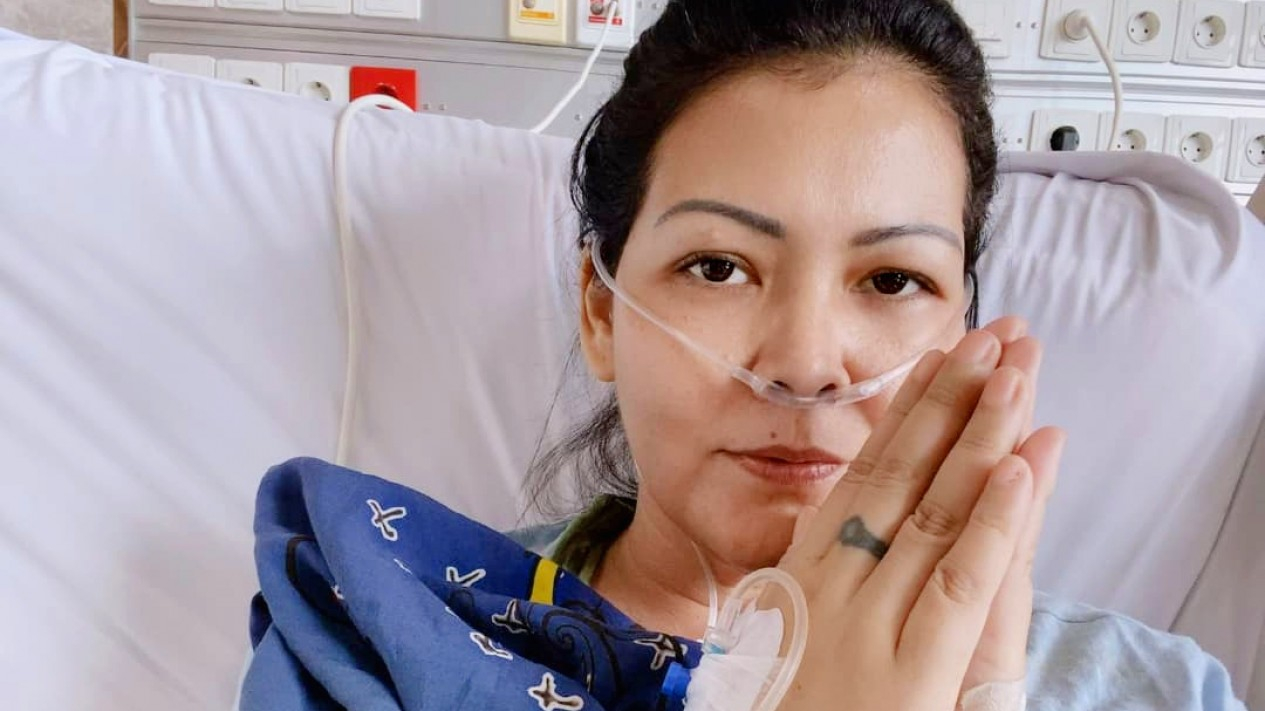
Melanie Subono, the daughter of renowned musician Adi Adrian and a long-time advocate for the victims of sexual violence, was among the first to publicly challenge this narrative. Taking to social media, Melanie argued that the repetitive nature of the crimes renders the "momentary lapse" defense logically and legally invalid. "By the way, khilaf and ‘unintentional’ are terms you use if it happens once," Melanie wrote to her followers. "If it happens repeatedly, it is called intent."
Her statement quickly went viral, resonating with a public tired of seeing authority figures use religious rhetoric to excuse predatory behavior. Commenters echoed her sentiment, noting that the systematic nature of the abuse suggests a calculated pattern of behavior rather than a spontaneous error.
The Scale of the Allegations: 50 Potential Victims
As the investigation progresses, the numbers associated with the case continue to climb. While initial reports suggested a handful of victims, recent testimonies and police inquiries indicate that as many as 50 santriwati may have been subjected to Ashari’s advances or direct abuse. The victims are primarily minors, young women sent by their families to the Ndolo Kusumo Pesantren to receive a religious education in what they believed was a safe and holy environment.
The details emerging from the victim statements are harrowing. One of the most severe allegations involves a student who reportedly became pregnant as a result of the abuse. In a further display of alleged manipulation, it is claimed that the suspect attempted to shift the responsibility for the pregnancy onto another individual, effectively gaslighting the victim and her family to protect his own reputation.
Witnesses have also come forward to describe the suspect’s "grooming" tactics. Ashari reportedly utilized his status as a spiritual leader to justify inappropriate physical contact. He frequently displayed excessive physical affection toward female students in public settings, often masking his actions under the guise of "special attention" or "spiritual healing" (pengobatan spiritual). By framing these interactions as part of a religious ritual or a form of divine blessing, he allegedly silenced potential dissent and made the victims feel that questioning his touch was a sign of spiritual weakness.
A Timeline of the Scandal
The timeline of the case suggests a long-standing pattern of behavior that only recently reached a breaking point:
- Early 2026: Rumors begin to circulate within the local community in Pati regarding the unusual behavior of the head of the Ndolo Kusumo Pesantren.
- April 2026: Several former students, supported by local NGOs, gather the courage to file formal reports with the police, detailing years of alleged abuse.
- May 4, 2026: Polresta Pati initiates a formal investigation, summoning several witnesses and victims for forensic examinations and psychological assessments.
- May 7, 2026: Ashari is officially taken into custody after a marathon interrogation session. Evidence, including digital communications and witness testimonies, points toward a sustained pattern of abuse.
- May 10, 2026: The police hold a press conference announcing Ashari’s status as a suspect. The "khilaf" defense is made public, triggering the current wave of national outrage led by activists like Melanie Subono.
The Legal Framework: UU TPKS and the Path to Justice
Legal experts are now looking toward the Law on Sexual Violence Crimes (UU TPKS), which was passed by the Indonesian government to provide a more robust legal framework for prosecuting cases exactly like this one. Under UU TPKS, abuse committed by an educator or a person in a position of authority carries significantly enhanced penalties.
In Indonesia, the abuse of power in a religious or educational setting is considered an aggravating factor. If convicted, Ashari could face a maximum prison sentence of up to 15 years, with an additional third of the sentence added because he is an educator and a religious leader. Furthermore, the law mandates that the suspect provide restitution to the victims, covering their medical and psychological recovery costs.
"The use of the term ‘khilaf’ has no legal standing in reducing the criminal charges under UU TPKS when the evidence shows a recidivist pattern," said a legal analyst specializing in child protection. "The law focuses on the lack of consent and the exploitation of the power imbalance. Whether the suspect claims he was ‘lapsed’ or not is irrelevant to the fact that dozens of lives have been irreparably damaged."
Institutional and Societal Implications
The case at Ndolo Kusumo is not an isolated incident but rather part of a disturbing trend of sexual violence within religious educational institutions in Indonesia. The Ministry of Religious Affairs (Kemenag) has come under fire for what critics describe as a lack of oversight and a failure to implement rigorous screening processes for pesantren leaders.
In response to the Pati case, Kemenag has announced a review of the Ndolo Kusumo Pesantren’s operational permit. There are growing calls from the public to shut down the institution entirely to prevent further harm and to send a clear message that no religious institution is above the law.

The psychological impact on the victims is another critical concern. Many of the girls involved come from modest backgrounds and saw their education at the pesantren as a path to a better life. The betrayal by their "Kiai"—a figure they were taught to revere as a spiritual father—has left many with deep-seated trauma, a loss of faith, and social stigma.
Social activists are demanding that the government provide comprehensive "trauma centers" in Pati to assist the 50 alleged victims. They argue that the focus must shift from the suspect’s claims of repentance to the victims’ needs for justice and healing.
Analysis of the Power Dynamic
The Pati case highlights the dangerous "halo effect" that often surrounds religious leaders in rural Indonesia. In these communities, a Kiai is often the most influential figure, serving as a teacher, judge, and spiritual guide. This absolute authority creates an environment where students and their parents are hesitant to report misconduct for fear of "kualat" (spiritual retribution or bad luck).
Melanie Subono’s intervention is significant because it challenges this culture of silence from a position of national visibility. By stripping away the religious excuses and calling the acts "intentional," she is helping to shift the public discourse from one of "forgiveness" to one of "accountability."
As the legal process moves toward a trial, the eyes of the nation remain on Pati. The outcome of this case will serve as a litmus test for Indonesia’s commitment to protecting children and holding powerful figures accountable, regardless of their religious standing. The "khilaf" defense, while perhaps a personal comfort to the suspect, appears to be failing as a shield against the growing demand for systemic change and the protection of the vulnerable.
The authorities have urged any other potential victims to come forward, promising anonymity and protection. As more voices join the chorus for justice, the hope is that the Ndolo Kusumo case will mark a turning point in how Indonesia addresses the intersection of religious authority and the safety of its youth.