Nasution Nanang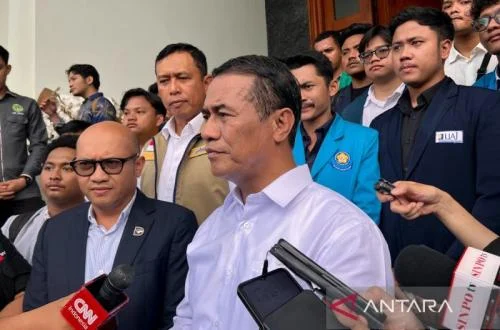
In a decisive move underscoring a commitment to transparency and robust agricultural governance, Indonesian Minister of Agriculture, Andi Amran Sulaiman, has ordered the immediate revocation of a subsidized fertilizer distribution permit. This swift action, executed within mere minutes via an online system, was a direct response to compelling reports of alleged violations brought forth by university students. The Minister’s decisive intervention is hailed as a critical step in rectifying systemic issues within the nation’s agricultural supply chain, aiming to bolster food productivity and ensure farmer welfare across Indonesia.
The Catalyst: Student Advocacy and Ministerial Response
The pivotal moment unfolded during an interactive dialogue session held in Jakarta on Wednesday, where Minister Sulaiman engaged with approximately 118 representatives from various university Student Executive Boards (BEM) across the archipelago. The forum, designed to foster open communication between the government and youth, quickly transformed into a crucible of direct action. Students, acting as vigilant watchdogs, presented two critical reports that demanded immediate attention. The first detailed the suspected illegal circulation of red onions in North Sumatra, a practice severely undermining market prices and local farmers’ livelihoods. The second highlighted the persistent and crippling scarcity of subsidized fertilizers in West Nusa Tenggara (NTB), a chronic issue that threatens crop yields and exacerbates food insecurity in the region.
Minister Sulaiman’s response was immediate and unequivocal. Upon receiving the report regarding the illegal red onion trade, he directly contacted law enforcement agencies in North Sumatra, instructing them to apprehend those responsible. "Their permits have just been revoked. It only took 10 minutes because the revocation process is online. Thank you, students; this is what we hope for," the Minister stated after the discussion. He further emphasized the severe consequences of such illicit activities, asserting, "Those involved must be arrested and jailed. How can this nation prosper if we allow such transgressions? It’s akin to breeding crime in this republic." This strong condemnation underscores the government’s zero-tolerance stance against agricultural mafias and illegal market practices that distort commodity prices and exploit farmers.
Similarly, the report on subsidized fertilizer scarcity in NTB received prompt ministerial attention. Minister Sulaiman pledged a thorough investigation into the distribution channels in the region, vowing to uncover and address any irregularities or diversions of essential agricultural inputs. His commitment to untangling the complexities of fertilizer distribution reflects a broader strategy to ensure that subsidized resources reach their intended beneficiaries, thereby preventing price gouging and artificial shortages that disproportionately affect smallholder farmers. The Minister lauded the students for their constructive criticism, stating, "We need constructive critics, not slander, but criticism based on data." This endorsement empowers student activism and highlights their crucial role in public oversight.
A Deeper Look: The Persistent Challenge of Subsidized Fertilizers
Subsidized fertilizers are a cornerstone of Indonesia’s agricultural policy, designed to make essential nutrients affordable for millions of farmers, particularly those cultivating staple crops like rice, corn, and soybeans. The government annually allocates substantial budgetary resources to these subsidies, recognizing their vital role in achieving national food self-sufficiency and ensuring farmer profitability. For instance, in 2023, the government allocated approximately IDR 24 trillion (approximately USD 1.6 billion) for fertilizer subsidies, aiming to distribute millions of tons of urea, NPK, SP-36, ZA, and organic fertilizers. Despite these significant investments, the system has historically been plagued by issues ranging from inefficient distribution and diversion to outright corruption.
The scarcity reported by students from NTB is not an isolated incident but a recurring problem in various regions. Farmers often complain about difficulties accessing subsidized fertilizers at official prices, forcing them to purchase at higher, market rates or from illicit sources. This situation often leads to delayed planting, reduced application rates, and ultimately, lower crop yields. For a farmer, a lack of timely access to fertilizer can mean a 10-20% reduction in harvest, directly impacting their income and food security for their families. The revocation of the distribution permit, therefore, sends a powerful message to all stakeholders in the supply chain that accountability will be strictly enforced. It signals a move towards leveraging digital systems for greater transparency, as evidenced by the Minister’s ability to revoke a permit online within minutes. This modern approach helps to bypass bureaucratic hurdles and accelerate remedial actions.
Combating Illegal Trade: The Case of Red Onions
The issue of illegal red onion circulation in North Sumatra highlights another critical challenge facing Indonesian agriculture: the prevalence of smuggling and illicit trade that destabilizes domestic markets. Indonesia is a significant producer and consumer of red onions, a key culinary staple. The livelihoods of hundreds of thousands of farmers depend on stable and fair market prices. When illegal red onions, often imported or diverted from other regions, flood the market, domestic prices plummet, causing substantial financial losses for local farmers who have invested significant resources in cultivation. This unfair competition can drive farmers into debt, discourage future planting, and ultimately threaten the nation’s self-sufficiency in this commodity.
Government efforts to combat agricultural smuggling have been ongoing, involving collaborations between the Ministry of Agriculture, customs, police, and other law enforcement agencies. However, the sheer scale and sophistication of smuggling networks often present formidable challenges. The Minister’s direct intervention and call for arrests underscore the severity of the problem and the urgency with which it needs to be addressed. It also reflects a broader understanding that market stability for agricultural commodities is not just an economic issue but a national security concern, directly impacting food sovereignty and farmer welfare. The prompt action regarding the North Sumatra report suggests a renewed vigor in tackling these long-standing issues, demonstrating that complaints from the ground will be met with firm administrative and legal responses.
Broader Context: Indonesia’s Food Security Landscape
Indonesia, with its vast population of over 270 million, places immense importance on achieving and maintaining national food security. The Ministry of Agriculture is at the forefront of these efforts, tasked with ensuring adequate and stable supplies of staple foods. This includes not only increasing production but also ensuring efficient distribution, fair pricing, and sustainable farming practices. Challenges to food security are multifaceted, ranging from climate change impacts (e.g., droughts, floods) and land conversion for non-agricultural purposes to market distortions caused by cartels and illegal activities.
The recent actions by Minister Sulaiman are consistent with the broader strategic objectives of the Indonesian government to enhance the resilience of its food systems. By directly addressing issues like fertilizer scarcity and illegal trade, the Ministry aims to strengthen the foundations of agricultural productivity and protect the interests of smallholder farmers, who constitute the backbone of the nation’s food production. The emphasis on data-driven criticism and swift, transparent action signifies an evolution in governance, moving towards a more responsive and accountable administration that leverages technology and public participation. This proactive approach is crucial in a dynamic global environment marked by increasing food price volatility and supply chain disruptions.
Stakeholder Reactions and Endorsements
The Minister’s rapid response has been widely applauded by various stakeholders, particularly the student community. Muzan Mirisan, Coordinator of the BEM SI (Indonesian Student Executive Board) for the North Sumatra Region, expressed strong appreciation for the Minister’s swift action. He voiced hopes that the agricultural mafia, especially those involved in the illegal red onion trade, would be thoroughly eradicated. "We are very grateful for the Minister’s immediate response. This shows that the government is serious about combating agricultural crimes that harm our farmers," Mirisan stated, emphasizing the students’ commitment to supporting such initiatives.
Similarly, Muhammad Abdi Maludin, a student representative from West Nusa Tenggara, lauded the government’s openness and responsiveness to student aspirations. "I saw the Minister directly responding and coordinating at that very moment. This is what we hoped for—a government that listens and acts," Maludin remarked. His statement highlights the positive impact of direct engagement and the rebuilding of trust between the youth and public officials.
Beyond the student community, farmer associations and advocacy groups are expected to welcome these decisive measures. Organizations like the Indonesian Farmers Association (HKTI) and the National Farmers and Fishermen Contact Group (KTNA) have long campaigned against issues like fertilizer scarcity and unfair market practices. While specific statements from these groups were not immediately available, such actions by the Ministry are likely to be seen as a positive step towards creating a more equitable and supportive environment for farmers. The collaboration between the Ministry and law enforcement, as demonstrated in the North Sumatra case, is also likely to be viewed favorably by agencies committed to upholding economic justice and combating illicit trade.
Implications for Governance, Farmers, and Youth Engagement
The events of the day carry significant implications across several dimensions. For governance, Minister Sulaiman’s actions set a powerful precedent for accountability and responsiveness. The use of an online system for permit revocation demonstrates a commitment to digital transformation in public services, enabling faster and more transparent regulatory actions. This rapid intervention could serve as a model for other ministries dealing with similar issues, fostering greater public trust and efficiency. It signals a departure from lengthy bureaucratic processes, replacing them with agile, technology-enabled solutions.
For farmers, these measures offer a glimmer of hope for a more stable and just agricultural landscape. Improved access to subsidized fertilizers at official prices can significantly reduce their production costs and increase their yields, thereby enhancing their income and overall welfare. The crackdown on illegal trade helps stabilize market prices, ensuring that farmers receive fair compensation for their hard work. Ultimately, these actions contribute to a more predictable and supportive environment for agricultural production, which is vital for the sustainability of rural economies.
Furthermore, this incident powerfully reinforces the critical role of youth and student activism in public oversight. By actively engaging with the government and providing data-driven reports, students have demonstrated their capacity to be effective partners in promoting good governance. The Minister’s appreciation for constructive criticism encourages further youth participation in policy dialogue and monitoring, nurturing a generation of informed and engaged citizens who can hold power accountable. This collaboration strengthens the democratic fabric of the nation by ensuring that public concerns, even from non-traditional sources, are heard and acted upon.
Looking Ahead: Sustaining Momentum for Agricultural Reform
While the immediate actions are commendable, sustaining this momentum will be crucial for long-term agricultural reform. The Ministry of Agriculture has reaffirmed its commitment to maintaining open channels of communication with the younger generation and ensuring that every public report is followed up quickly, transparently, and decisively. This commitment must translate into continuous systemic improvements, including enhanced digital monitoring of fertilizer distribution, regular market surveillance to detect illegal activities, and stronger enforcement mechanisms.
Future efforts may also involve reviewing existing policies to identify and close loopholes that facilitate corruption and inefficiency. Investing in robust data analytics and early warning systems could further empower the Ministry to proactively identify potential problems before they escalate. Moreover, fostering greater public awareness about the proper channels for reporting irregularities and protecting whistleblowers could encourage more citizens to come forward with vital information. The success of these reforms will ultimately depend on consistent political will, inter-agency collaboration, and sustained public engagement.
In conclusion, the swift revocation of a subsidized fertilizer distribution permit by Minister Andi Amran Sulaiman, triggered by student reports, marks a significant moment in Indonesia’s ongoing efforts to reform its agricultural sector. It showcases a government responsive to its citizens, committed to leveraging technology for transparency, and resolute in its fight against corruption and market distortions. This decisive action not only promises immediate relief for farmers but also sets a strong precedent for accountability, inspiring greater trust in governance and reaffirming the invaluable role of youth in shaping a more prosperous and equitable future for Indonesian agriculture.