Lusiana Hamidun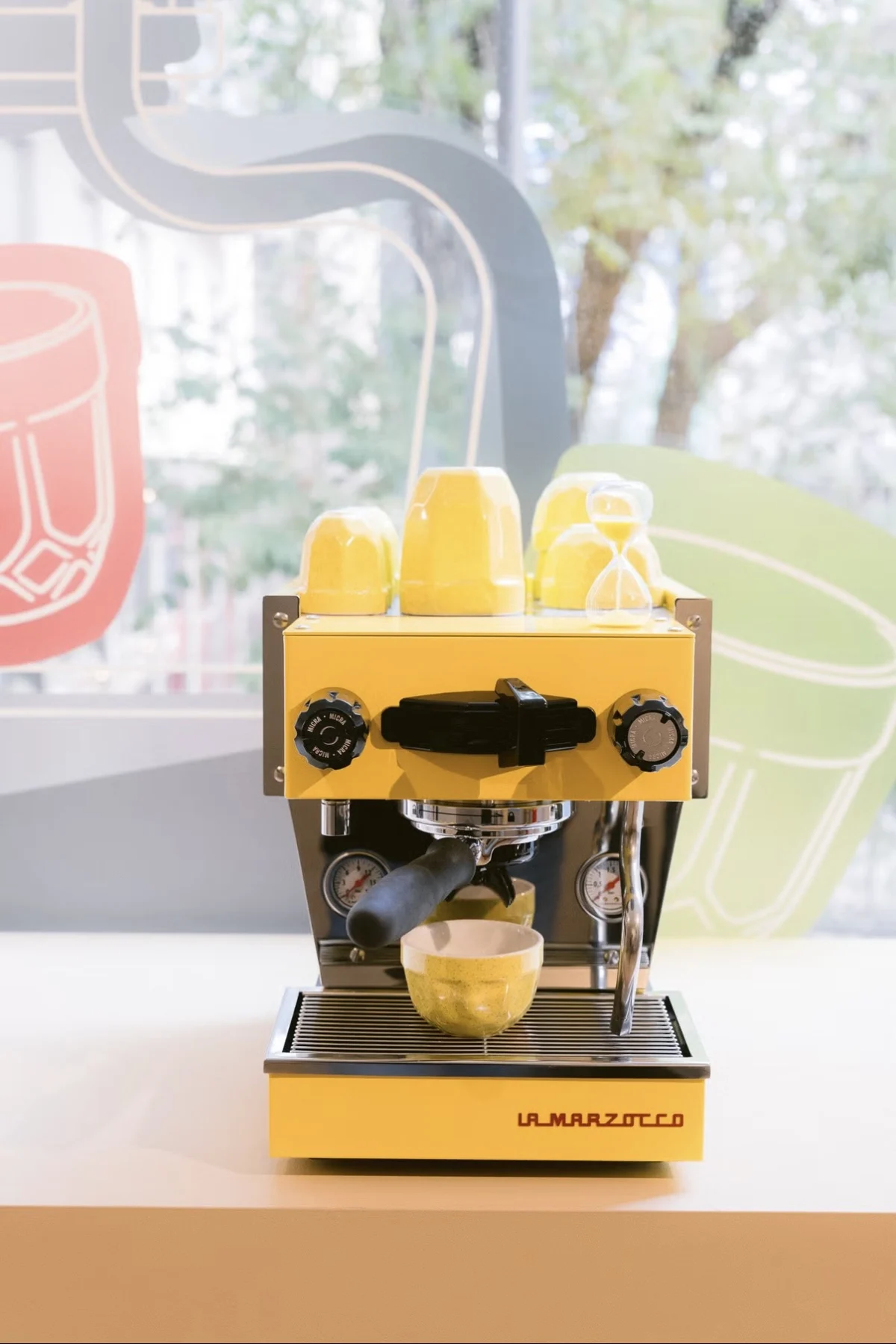
Each spring, the global design community converges on Milan for an electrifying showcase of innovation and inspiration, setting the aesthetic trajectory for homes worldwide. Milan Design Week, a sprawling event encompassing Salone del Mobile, Euroluce, and the broader Fuorisalone installations, once again delivered a spectacular display of what’s next in interior design. From Gucci’s enchanting floral courtyard to Marimekko’s bold, oversized floral narratives and a plethora of groundbreaking product launches, the city transformed into a living exhibition of creativity. This year’s edition, held from April 14th to April 19th, 2026, proved to be a particularly vibrant testament to design’s evolving landscape.
The week’s events, meticulously curated and passionately presented, offered a glimpse into the future of living spaces. Salone del Mobile, the flagship furniture fair, provided a platform for established brands and emerging designers alike to unveil their latest collections. Simultaneously, the Fuorisalone district buzzed with pop-up installations, gallery exhibitions, and showroom events, transforming Milan’s streets into an open-air design museum. This synergistic approach ensures that Milan Design Week remains the undisputed epicenter for discerning trends and groundbreaking concepts in the interior design world.
This report distills the essence of the week’s offerings into ten key trends, each poised to make a significant impact on residential and commercial spaces throughout the coming year. These trends, observed across diverse exhibitions and collaborations, reflect a thoughtful blend of comfort, artistry, and functionality, catering to an increasingly discerning global clientele.
Unveiling the Top 10 Interior Trends from Milan Design Week 2026
1. The Embrace of Soft Edges and Organic Forms
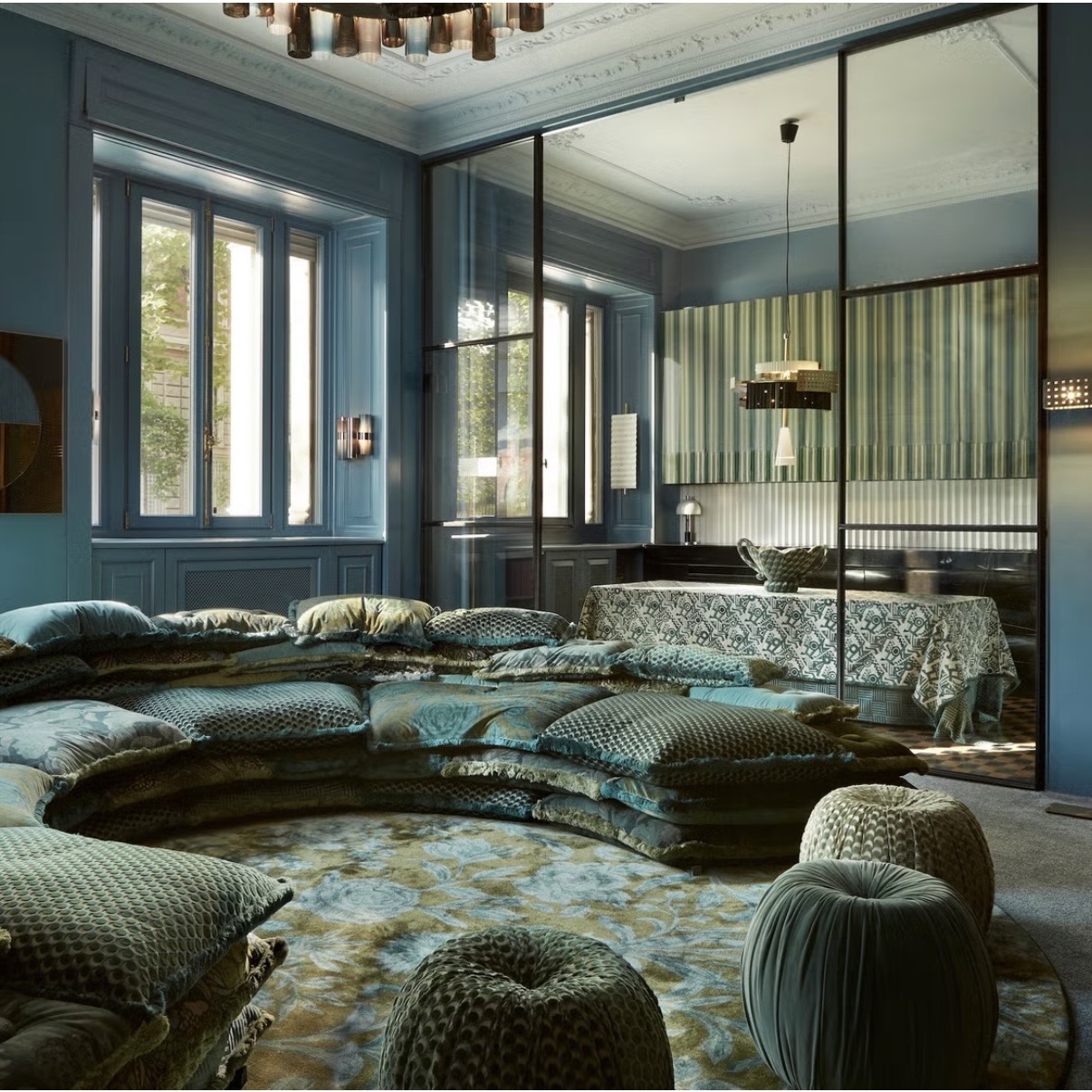
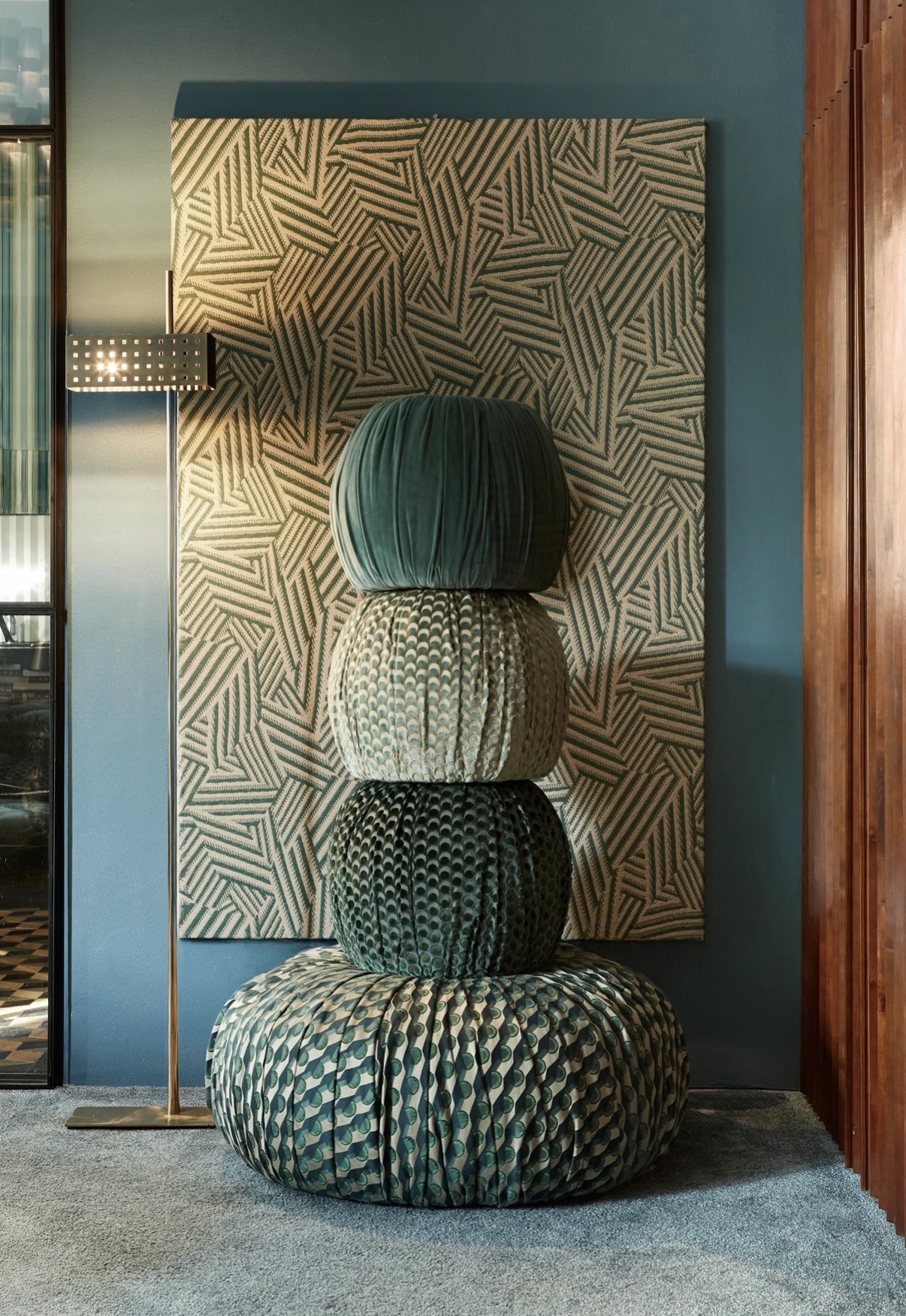
A prevailing theme across numerous installations was the move away from sharp, rigid lines towards softer, more organic silhouettes. This trend, often referred to as "Soft Edges," champions a sense of comfort and fluidity in design. Liberty’s collaboration with Lorenza Bozzoli, titled "Soft Architecture," was a standout example, featuring a serene arrangement of circular poufs in a calming teal palette. The tactile richness of the velvet, cotton, and linen used in these pieces invited interaction, highlighting a desire for sensory engagement within living spaces.
Beyond soft furnishings, this organic sensibility extended to decorative objects and furniture. Ginori 1735’s "Officina Ultra" collection of ceramics exemplified this, showcasing sculptural forms that echoed natural elements. The appeal lies in creating environments that feel more nurturing and less imposing, aligning with a growing emphasis on well-being and mindfulness in home design. This shift reflects a broader cultural movement towards embracing imperfection and the natural world as sources of inspiration, moving away from the often sterile and hyper-curated aesthetics of previous years.
2. The Tapestry Renaissance: A Revival of Textile Artistry
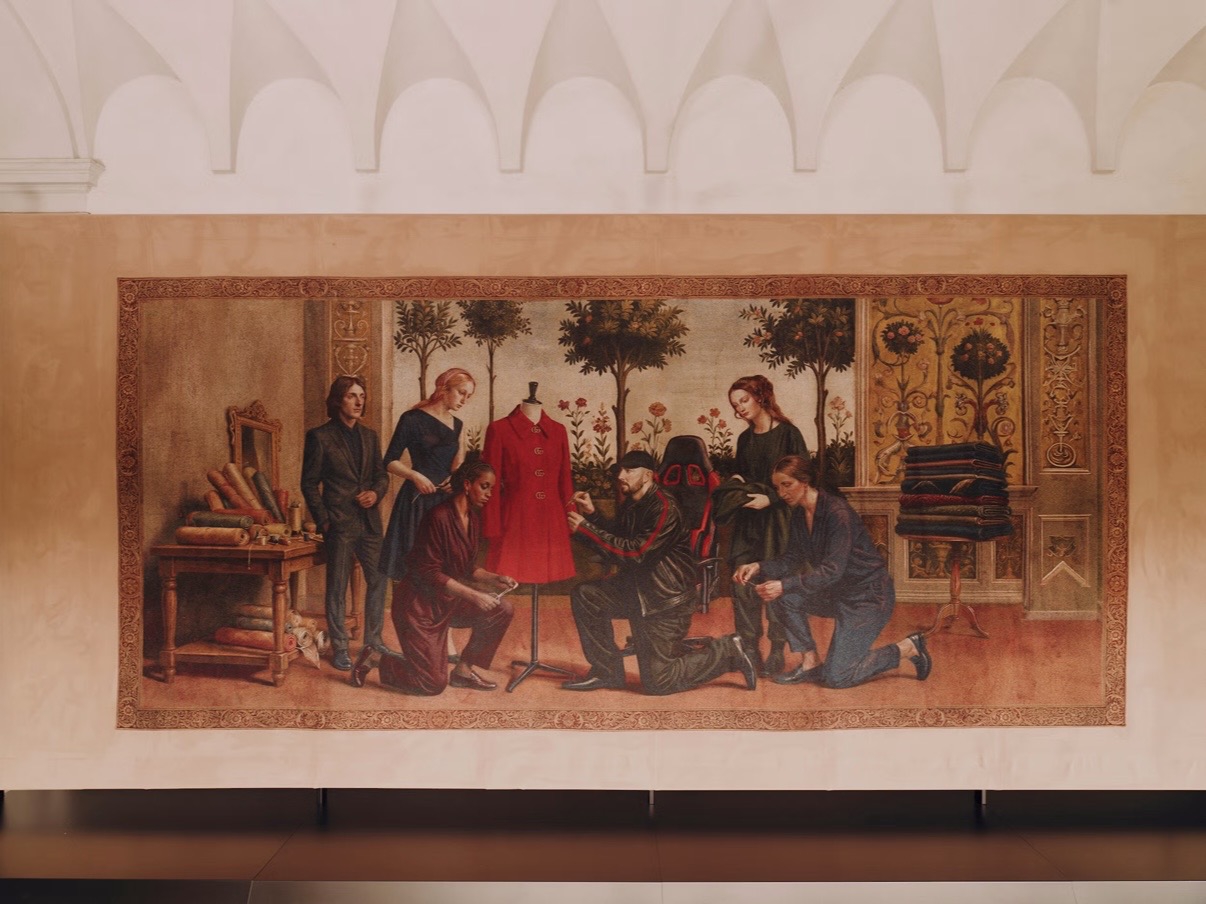
The resurgence of tapestry and intricate textile art was a significant narrative thread woven through Milan Design Week. This trend gained particular momentum against the backdrop of the Bayeux Tapestry’s historic return to England after nearly a millennium. Gucci’s monumental embroidered artworks, tracing the brand’s rich history and extending to contemporary interpretations under the influence of designers like Demna, underscored the enduring power and artistic merit of this craft.
For homeowners looking to integrate this trend, the offerings from Schumacher provided sophisticated fabric options, while the unique, handmade designs from House of Quentin Jones offered a more artisanal and personalized touch. This renaissance in textile art speaks to a renewed appreciation for craftsmanship, narrative, and the inherent warmth and texture that fabric can bring to interior spaces. It signifies a move towards pieces that are not merely decorative but possess a story and a tangible sense of human touch, elevating them beyond mere objects to works of art.
3. Leopard Print: A Bold and Versatile Neutral
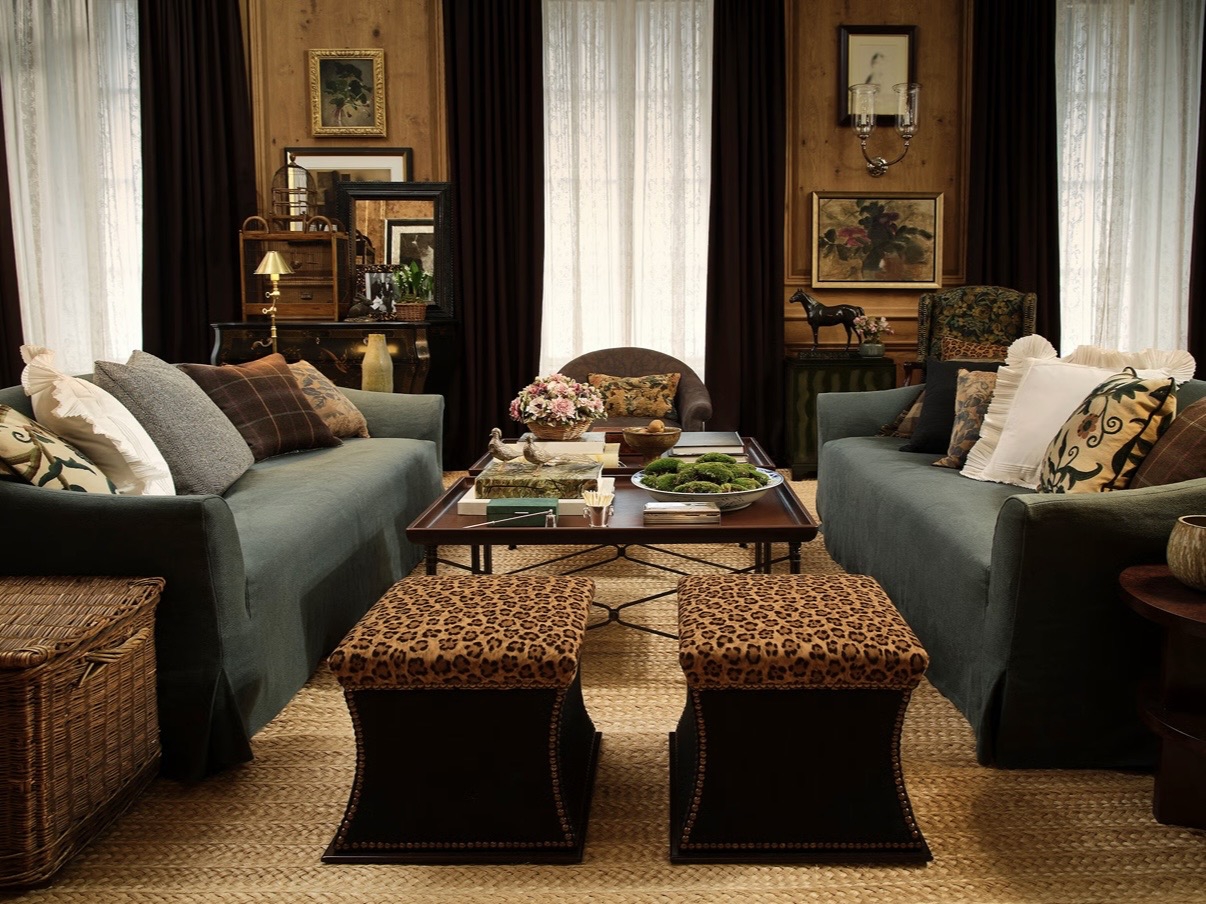
Once relegated to the realm of daring fashion statements, leopard print has firmly established itself as a versatile and sophisticated element in interior design. Much like its fashion counterpart, it functions as an unexpected neutral, capable of complementing a wide range of styles and color palettes. The impact of leopard print was evident in furniture upholstery and drapery, notably showcased in Ralph Lauren’s collection.
Its ability to add a touch of daring without overwhelming a space makes it a popular choice for those seeking to inject personality and a hint of glamour into their homes. The inherent boldness of the pattern can ground a room, providing a focal point that is both eye-catching and surprisingly adaptable. This trend reflects a growing confidence in using statement patterns to define personal style within interior spaces, moving beyond conventional safe choices.
4. Maximalist Wallpaper: Making a Bold Statement
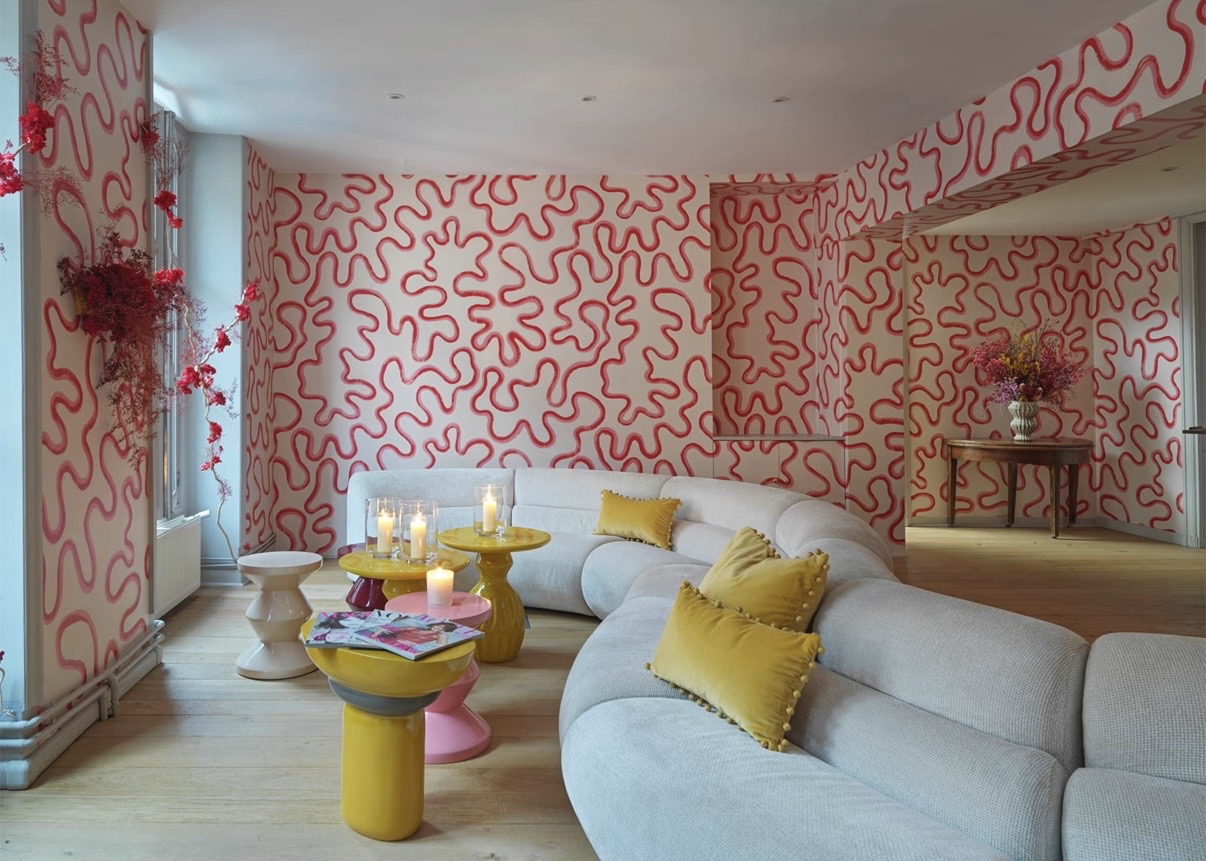
The adage "go big and stay home" found its visual embodiment in the bold and unapologetic use of maximalist wallpaper. Cole & Son’s collaboration with Vivienne Westwood was a prime example, featuring a vibrant array of tartan, stripes, and abstract motifs that demanded attention. This trend encourages embracing pattern and color to transform walls into focal points, creating immersive and characterful environments.
Beyond this notable collaboration, brands like Calico and design studios such as Timorous Beasties are pushing the boundaries of wallpaper design, offering increasingly intricate and artistic options. The appeal of maximalist wallpaper lies in its ability to imbue a space with personality and a sense of curated maximalism, where every surface tells a story. It represents a departure from minimalist trends, celebrating abundance and expressive design choices.
5. The Future is Modular: Adaptable and Flexible Living
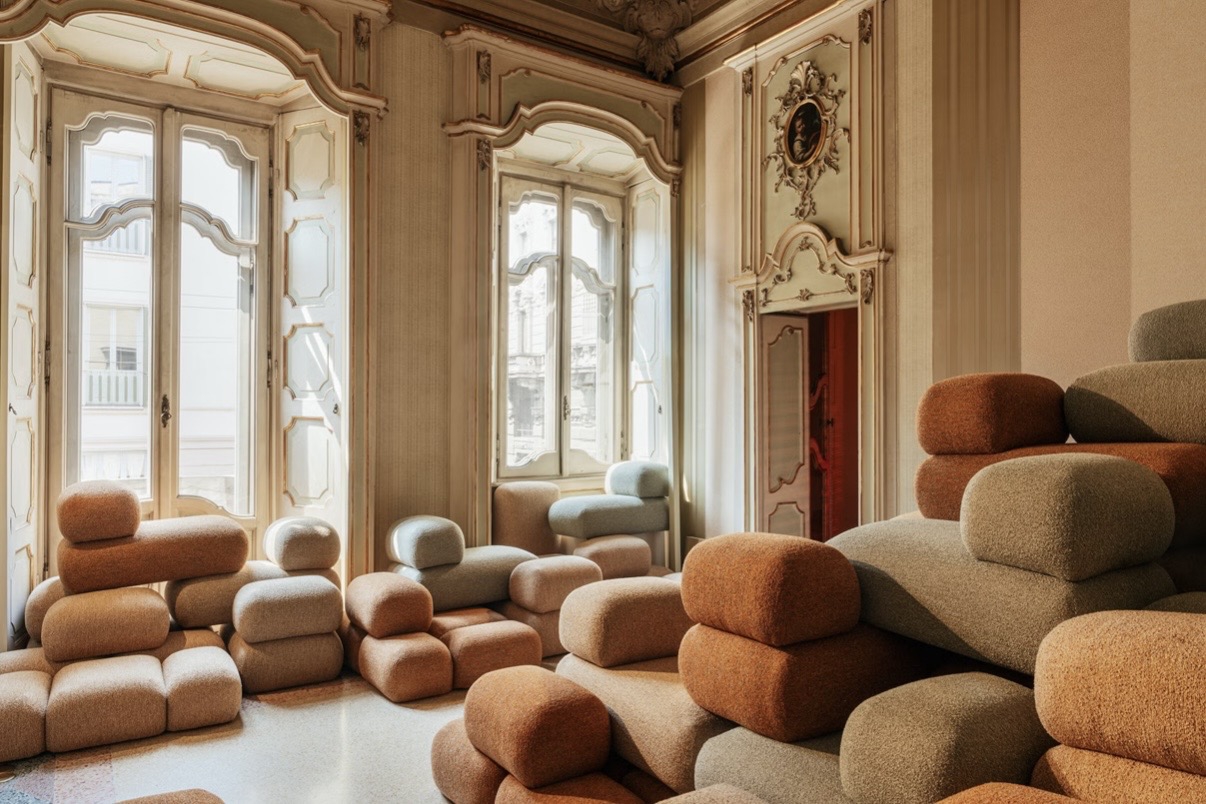
In an era prioritizing flexibility and personalized living, modular design emerged as a crucial trend. Kelly Wearstler’s latest collaboration with H&M Home perfectly encapsulated this ethos, focusing on elements that can be reconfigured to suit evolving needs. From adaptable lounge chairs to interconnected tables, the emphasis is on furniture that can be rearranged, expanded, or minimized with ease.
The choice of an earthy palette, including terracotta, further reinforces the trend’s relevance, aligning with a broader movement towards natural materials and grounded aesthetics. Modular design is not just about aesthetics; it’s a practical response to contemporary lifestyles, offering solutions for smaller living spaces, multi-functional rooms, and the desire for a home that can adapt to changing circumstances. This trend signifies a smart, forward-thinking approach to furniture design.
6. High Contrast: Dramatic Visual Impact
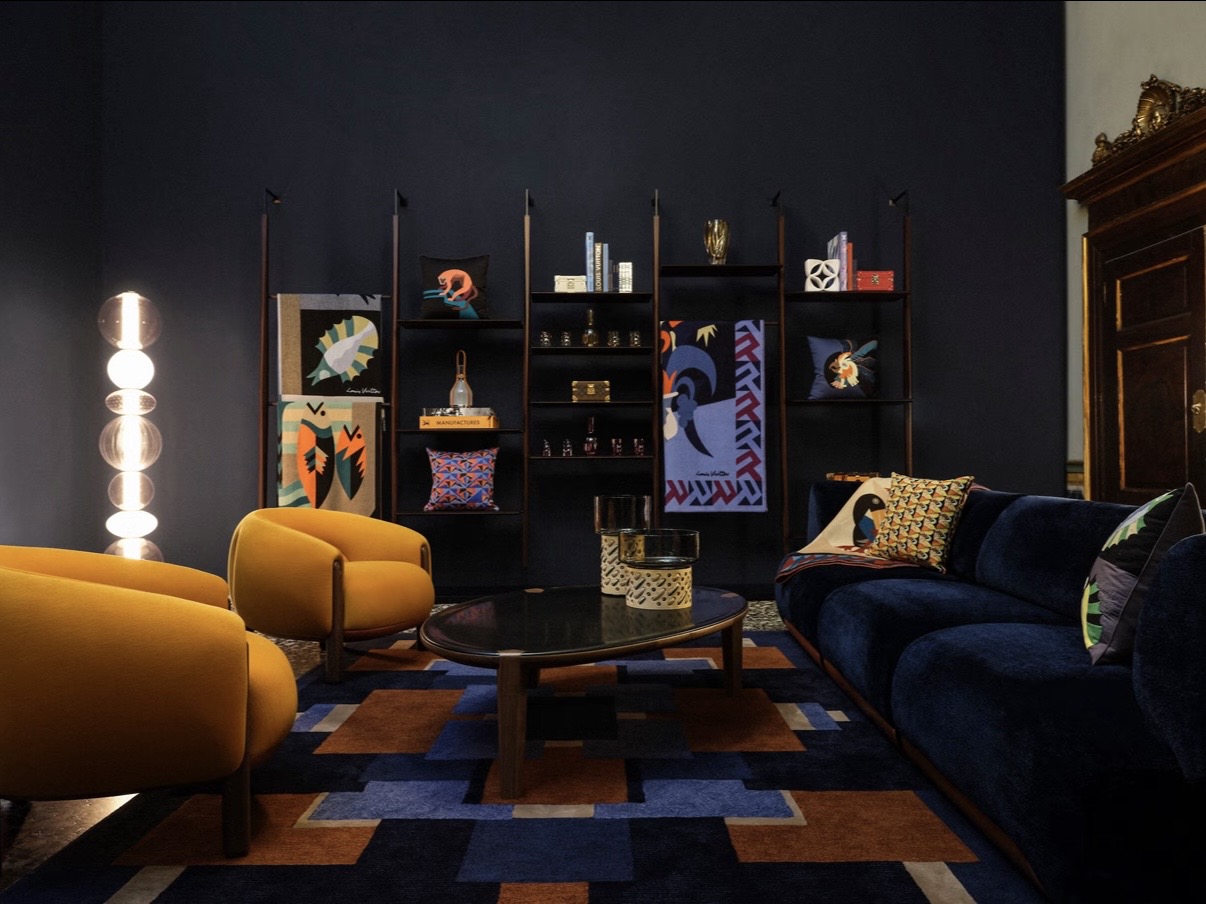
The strategic use of high contrast in color and texture proved to be a powerful tool for creating dramatic and sophisticated interiors. This trend involves pairing vibrant hues with deep, grounding backgrounds such as deep blues or rich browns, as exemplified by Louis Vuitton’s "Objets Nomades" collection at Palazzo Serbelloni. The interplay between light and dark, bold and subtle, creates a visual richness that is both striking and elegant.
This approach to color blocking and material juxtaposition adds depth and dimension to spaces, creating a sense of drama and curated luxury. The success of high-contrast design lies in its ability to define zones, highlight architectural features, and create a powerful emotional impact. It speaks to a desire for interiors that are not merely functional but also captivating and memorable.
7. The Art of Craftsmanship: Celebrating Artisanal Excellence
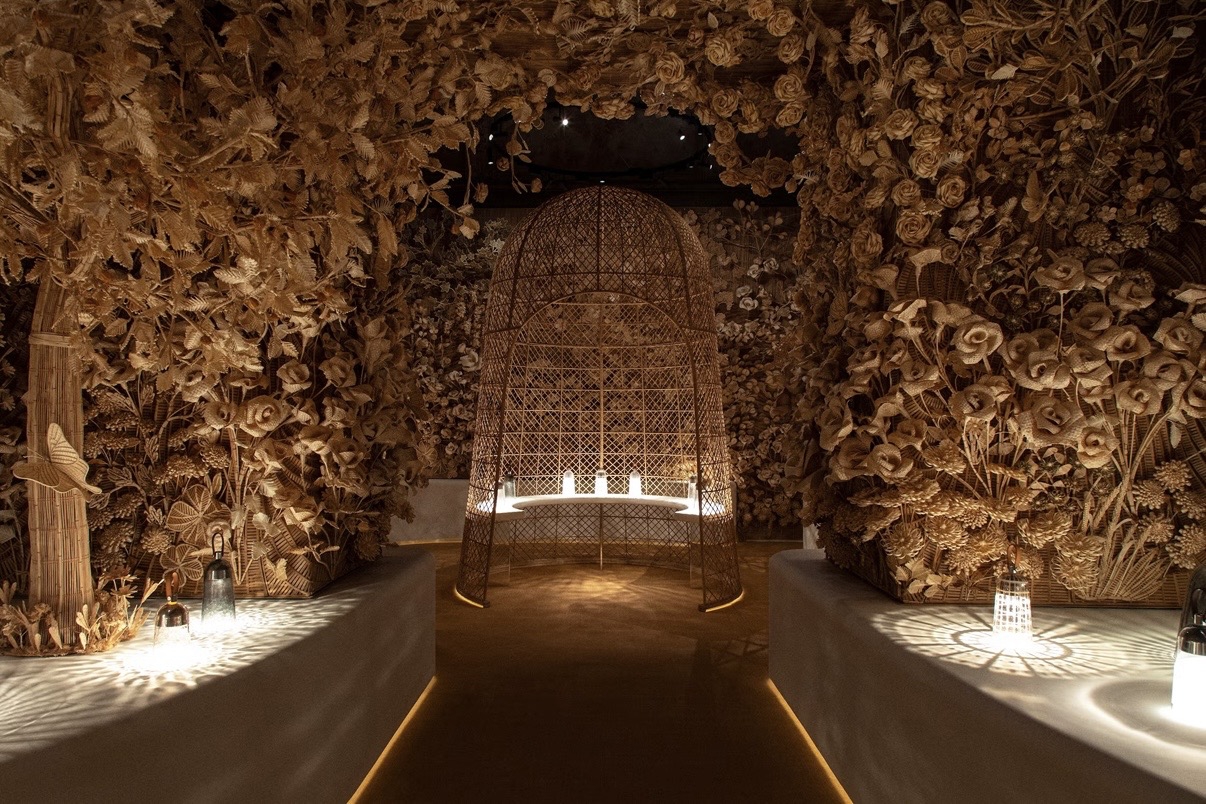
A profound appreciation for craftsmanship and artisanal skill was palpable throughout Milan Design Week, with luxury brands showcasing pieces that highlight meticulous detail and traditional techniques. Dior Maison, in collaboration with designer Noé Duchaufour-Lawrance, presented a stunning collection of sculptural lamps crafted from Murano glass and woven bamboo, inspired by the iconic Corolle silhouette. This collection, alongside works by artists Korakot Aromdee and Vasana Saima, underscored the enduring value of handmade objects.
This trend signifies a move towards investing in pieces that possess a unique story, a tangible connection to the maker, and a timeless quality. It reflects a growing consumer desire for authenticity and a rejection of mass-produced homogeneity, favoring instead items that are imbued with soul and artistry. The celebration of craftsmanship elevates interior design from mere decoration to a form of curated art collecting.
8. Colorful Coffee Machines: Functional Art for the Kitchen
In a city synonymous with espresso culture, it’s no surprise that the humble coffee machine has become a canvas for vibrant design. De’Longhi’s "World’s Smallest Coffee Shop" installation and La Marzocco’s collaboration with Polspotten for the "Casa Marzocco" pop-up highlighted this trend. Beyond their functional purpose, these machines are being reimagined as statement pieces, adding personality and a pop of color to kitchen spaces.
This trend taps into the growing importance of the kitchen as a social hub and a space for personal expression. The integration of bold colors and stylish designs into everyday appliances transforms them into decorative elements, reflecting a desire for aesthetically pleasing and functional living. It signifies a shift where even the most utilitarian objects are expected to contribute to the overall design narrative of a home.
9. Oversized Florals: A Modern Botanical Statement
While floral motifs are perennial favorites for spring, Milan Design Week saw them reinterpreted in an oversized, impactful manner. Marimekko’s installation, with its grand-scale floral designs, was a prime example of this trend. The key to successfully implementing oversized florals is to move beyond the overtly sweet and embrace abstract or bold interpretations.
Brands like Bluebellgray and Flora Soames offer options that balance the exuberance of large-scale blooms with sophisticated color palettes and artistic rendering. This trend allows for the creation of striking feature walls or statement upholstery, bringing the vibrancy and energy of nature indoors in a contemporary and artistic fashion. It’s a sophisticated way to embrace botanical themes without sacrificing a modern aesthetic.
10. Aquatic Accents: Embracing the Depths of Design
Drawing inspiration from emerging trends in both social media and culinary arts, the allure of the sea has permeated interior design. Buccellati’s immersive installation, centered around their "Caviar" collection, showcased sterling silver elements shaped like sturgeon within a dramatic underwater tableau. This trend explores the textures, colors, and forms inspired by marine life to create serene and evocative interior environments.
The incorporation of aquatic accents can range from subtle nods in color palettes and material choices (such as iridescent finishes or textured ceramics) to more direct interpretations of marine motifs. This trend offers a unique avenue for bringing a sense of calm, wonder, and natural beauty into the home, reflecting a growing fascination with the vast and often mysterious underwater world. It’s a testament to how diverse cultural influences can converge to shape interior aesthetics.
The trends observed at Milan Design Week 2026 offer a compelling vision for the future of interior design, characterized by a thoughtful balance of comfort, artistry, and personal expression. As these influences filter into homes and commercial spaces, they promise to create environments that are not only visually appealing but also deeply resonant with the needs and desires of contemporary living. The continued evolution of design, as showcased in Milan, underscores its vital role in shaping our everyday experiences and reflecting the cultural zeitgeist.